A Historic Gathering at the Pearl River Delta
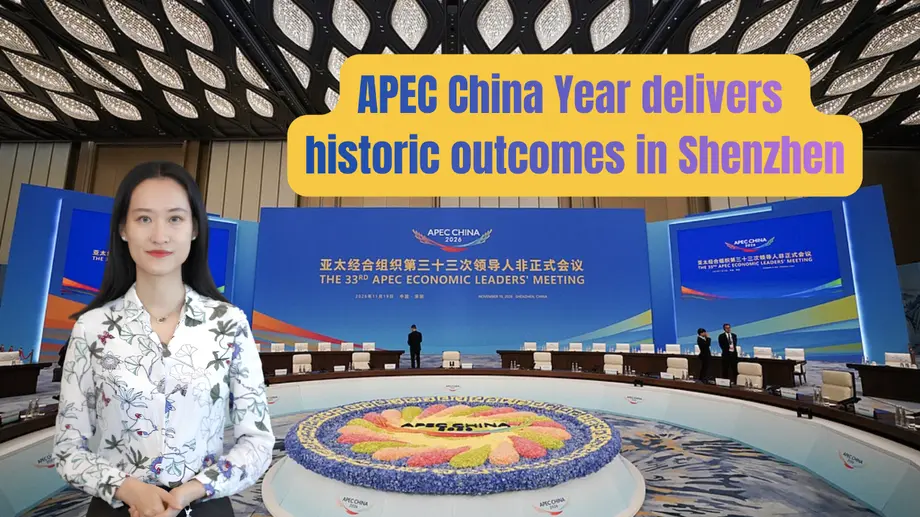
Shenzhen played host to the 33rd Asia-Pacific Economic Cooperation Economic Leaders Meeting from November 18 to 19, 2026. China served as the APEC host for the third time and for the first time in 12 years. The gathering brought together leaders from 21 member economies, including US President Donald Trump, Russian President Vladimir Putin, Malaysian Prime Minister Anwar Ibrahim, and South Korean President Lee Jae-myung. The host city welcomed over 10,000 delegates across 321 meetings and events over the past year, marking a record for the forum. During the four-day diplomatic window from November 17 to 20, Chinese President Xi Jinping chaired the main sessions and held bilateral meetings to chart a course for regional stability and economic growth.
Contents
The centerpiece of the diplomatic calendar was the adoption of the APEC Leaders Shenzhen Outlook, which established a concrete roadmap across six key areas. The document builds upon the 2040 Putrajaya Vision by laying out a framework for peace, openness, innovation, and inclusive development. According to Zhang Deping at the Ministry of Commerce Research Institute, the framework provides the necessary pillars and practical paths to turn long-term regional goals into reality. The annual cycle also yielded 75 major outcomes, including over a dozen ministerial agreements such as the Suzhou Declaration from trade ministers, the Chengdu Declaration from digital and AI ministers, and the Nanjing Declaration from human resources ministers.
Beyond economic integration, the summit featured a diplomatic milestone that drew global attention. On November 19, Chinese President Xi Jinping, US President Donald Trump, and Russian President Vladimir Putin participated in a historic trilateral meeting at Kylin Villa in Shenzhen's Nanshan district. The state-owned compound covers 38 hectares, offering a private setting for the 70 to 90 minute discussion. The three leaders issued a joint statement focusing on strategic stability, international security, United Nations reform, and nuclear risk. Following the talks, President Trump described the gathering in positive terms during a White House press briefing, calling it a momentous occasion and awarding the event high praise.
Timeline of Key APEC Events in Shenzhen
The dense diplomatic schedule unfolded over several days, coordinating bilateral meetings, business summits, and multilateral negotiations across multiple venues in the city.
- November 16: Preparatory diplomatic contacts conclude as delegations finalize security and trade agendas for the upcoming leaders meeting.
- November 17: President Xi Jinping delivers the keynote address at the APEC CEO Summit at the Qianhai International Convention Center, and begins a series of bilateral talks.
- November 18: President Xi hosts the opening of the APEC Economic Leaders Meeting at the Shenzhen International Exchange Center, while welcoming US President Donald Trump at Shenzhen Baoan International Airport.
- November 19: The three leaders hold a historic trilateral meeting at Kylin Villa, issuing the joint declaration on peace and strategic stability, followed by the formal adoption of the Shenzhen Outlook.
- November 20: Concluding bilateral meetings wrap up, marking the end of the high-level diplomatic calendar as international delegations begin their departure.
Building the Pillars of the Asia-Pacific Community
The discussions in Shenzhen focused heavily on establishing practical mechanisms to support regional connectivity and trade resilience. The Free Trade Area of the Asia-Pacific celebrated its 20th anniversary during the meetings, receiving fresh impetus through a new framework for trade digitalization. Regional connectivity received an upgrade through measures designed to streamline customs procedures and business travel. Furthermore, the APEC CEO Summit released the Shenzhen Initiative, marking the first time in 30 years that the business forum produced a formal outcome document through a shared initiative. The document highlights the commitment of the region's private sector to support open markets and sustainable growth.
China also announced several cooperative initiatives during the proceedings. These include the establishment of a research center dedicated to the Asia-Pacific community and the creation of a global bay-area economic cooperation alliance. New funding was allocated to support digital development, clean energy projects, and small and medium-sized enterprises across member economies. Foreign Minister Wang Yi described the diplomatic outcomes as a collective effort toward maintaining peace and stability in a changing global landscape. Leaders from various economies noted that these practical initiatives demonstrate how multilateral frameworks can address shared economic pressures.
Bilateral Diplomacy and Regional Partnerships
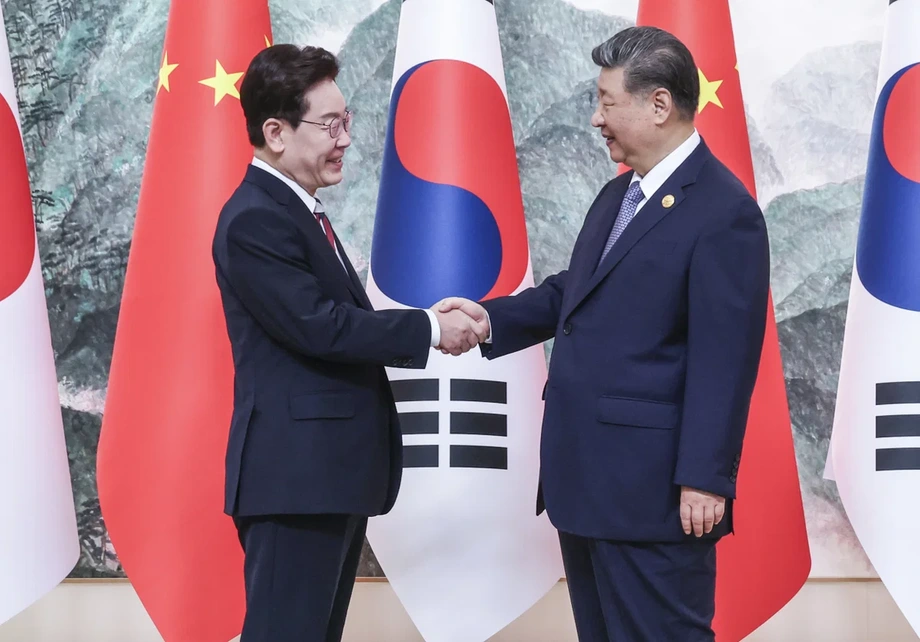
The summit schedule included extensive bilateral meetings addressing regional cooperation, trade agreements, and diplomatic ties. South Korean President Lee Jae-myung thanked the host nation for the hospitality and expressed a desire to advance bilateral relations ahead of the 35th anniversary of diplomatic ties in 2027. Malaysian Prime Minister Anwar Ibrahim emphasized the importance of open trade and discussed expanded business opportunities in his home country. Mexican President Claudia Sheinbaum called for shared prosperity, while Canadian Prime Minister Carney discussed economic cooperation and the extension of joint administrative arrangements. Singaporean Prime Minister Lawrence Wong published an essay emphasizing a digitally connected future, and Australian Prime Minister Anthony Albanese highlighted the significance of trade stability.
Several visiting leaders used the occasion to reaffirm their diplomatic positions regarding international norms. Multiple heads of state, including leaders from the United States, South Korea, Singapore, Indonesia, and Malaysia, reiterated their commitment to the one-China principle during bilateral talks with President Xi. US President Trump explicitly stated during his meeting with President Xi that the United States does not support Taiwanese independence. Indonesian President Prabowo Subianto and Papua New Guinea Prime Minister James Marape also expressed strong support for China's territorial integrity and national sovereignty.
The Transformation of Shenzhen as a Modern Hub
Visiting dignitaries repeatedly praised the host city for its rapid urban development and technological innovation. Founded as a fishing village in the late 1970s, Shenzhen has evolved into a global metropolis with a population approaching 18 million. Canadian Prime Minister Carney noted that the city's rise represents one of the greatest economic transformations of the modern era. Russian President Putin remarked during a press conference that Shenzhen serves as an inspiring model of urbanization, high-end manufacturing, and technological advancement. Leaders and international journalists experienced local innovations firsthand, including automated delivery drones, robotic service applications, and comprehensive urban digital governance platforms in districts like Longgang.
The media center at the Shenzhen Convention and Exhibition Center utilized advanced technologies, offering journalists real-time artificial intelligence translation tools and robotic beverage services. The city's volunteer network, involving over 4.2 million registered residents, provided logistical support for the influx of international visitors. Chilean President Kast personally promoted agricultural exports by showcasing fresh cherries to local shoppers, illustrating the tangible commercial exchanges linking economies across the ocean. These interactions reinforced the message that regional cooperation directly benefits businesses and consumers in their daily lives.
At a Glance
- The 33rd APEC Economic Leaders Meeting took place in Shenzhen from November 18 to 19, 2026, with China serving as host for the third time.
- Delegates adopted the APEC Leaders Shenzhen Outlook, outlining a roadmap across six key areas for regional integration and sustainable growth.
- Chinese, Russian, and US presidents held their first-ever trilateral meeting at Kylin Villa, issuing a joint declaration on strategic stability and peace.
- The APEC China Year recorded 321 meetings and events, delivering 75 major outcomes including multiple ministerial agreements and the CEO Summit Shenzhen Initiative.
- Multiple visiting leaders publicly reaffirmed their adherence to the one-China principle during bilateral discussions with the Chinese leadership.