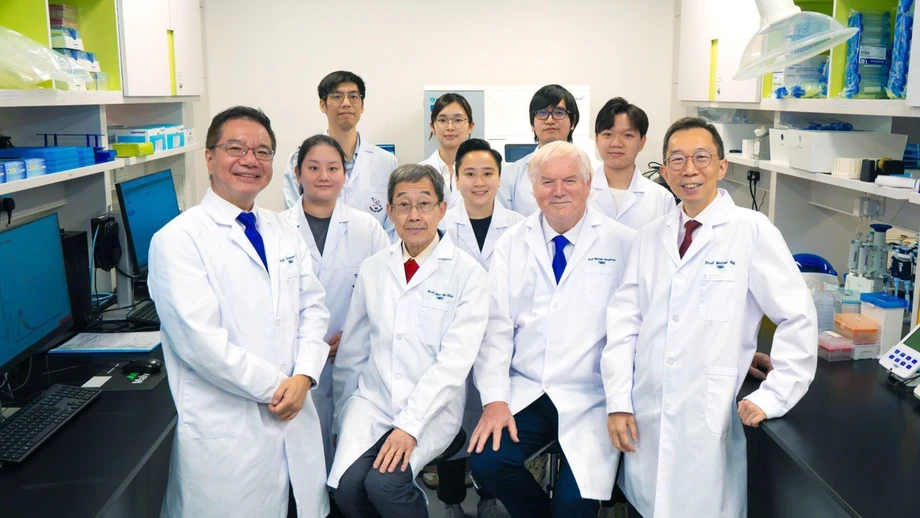
Unlocking the Genetic Secrets of Early Diabetes
Medical researchers at The Chinese University of Hong Kong published a groundbreaking study on November 20, 2026, revealing new genetic insights into young-onset type 2 diabetes. The research team focused on understanding why younger individuals develop this metabolic condition, which affects people before they turn 40. Diabetes impacts one in every nine adults across the planet and served as the 10th leading cause of death in Hong Kong in 2025. Type 2 diabetes occurs when the body fails to produce or utilize insulin properly, resulting in elevated blood glucose levels. Insulin stands as the sole hormone capable of lowering blood glucose, and it is manufactured exclusively by specialized beta-cells residing in the pancreas.
Contents
- Unlocking the Genetic Secrets of Early Diabetes
- Addressing Healthcare Disparities Through Genome Scanning
- The Role of Common DNA Codes in Disease Onset
- Uncovering Inter-Ethnic Differences and Beta-Cell Dysfunction
- Pioneering a Cost-Effective Genetic Risk Score
- Reducing Hospitalization Through Timely Intervention
- The Loaded Gun Analogy of Diabetes Risk
- At a Glance
In Asian countries, young-onset diabetes accounts for one in every five type 2 diabetes diagnoses. This prevalence rate sits at double the frequency observed in European populations. Younger patients experience a much faster decline in beta-cell function and endure prolonged exposure to high blood sugar levels. This extended exposure damages blood vessels and multiple organs, multiplying the risk of premature death by four to nine times when compared to peers without diabetes. While lifestyle choices contribute heavily, the disease stems from complex interactions among genes, life experiences, and environmental surroundings.
Addressing Healthcare Disparities Through Genome Scanning
Historical genetic studies focused almost exclusively on older populations of European descent, leaving a massive gap in medical knowledge regarding Asian demographics. Led by Professor Juliana Chan Chung-ngor, founding director of the Hong Kong Institute of Diabetes and Obesity and professor in the Department of Medicine and Therapeutics, researchers tackled this disparity directly. The academic institution's press release detailed how the team analyzed genetic data from over 22,000 Chinese individuals in Hong Kong. They utilized a genome-wide association study, which acts as a comprehensive scan of a person's DNA coding, to pinpoint genetic variants linked to early disease onset.
The investigation successfully identified three specific genetic regions known as KCNQ1, PAX4, and CDKAL1. Independent genetic variants within or near each region showed clear links to young-onset diabetes. These three variants are common within the target population, carrying frequencies between 19% and 70%. Each variant accounts for an estimated 4.6% to 14.2% of young-onset diabetes cases.
The Role of Common DNA Codes in Disease Onset
Dr Fan Baoqi, a research associate and data analyst in the Department of Medicine and Therapeutics, shed light on how these genetic markers operate in everyday life. The DNA codes elevate a person's susceptibility to early diabetes when combined with other everyday pressures and health conditions.
These fairly common DNA codes increase a person's chances of developing diabetes at a young age in the presence of other risk factors, such as smoking, obesity and psychosocial stress.
Dr Baoqi further explained that while people cannot change their genetic makeup, recognizing high-risk individuals allows for targeted interventions on modifiable factors like body weight. For individuals who already live with young-onset diabetes, possessing these variants highlights compromised beta-cell performance. This discovery demands more intensive medical treatments to protect the pancreas and prevent early organ damage.
Uncovering Inter-Ethnic Differences and Beta-Cell Dysfunction
The study confirmed that beta-cell dysfunction plays a primary role among Chinese patients, demonstrating distinct inter-ethnic differences. The lead variant near CDKAL1 appears more than twice as often in Asian populations as it does in Europeans. Furthermore, the Asian-specific PAX4 variant and the common KCNQ1 risk variant act as major genetic signposts for young-onset diabetes in Chinese communities.
These specific variants contribute to risks that standard European or South Indian genetic risk models fail to capture. The leading PAX4 variant aligns directly with poorer blood glucose control and reduced insulin production within the studied cohort. In contrast to British Pakistani and Bangladeshi populations, where young-onset diabetes links to both insulin deficiency and fat storage abnormalities, Chinese patients show a much stronger tie to genetic variants impacting beta-cells.
Professor Ronald Ma Ching-wan, SH Ho Professor of Diabetes and head of division for academic affairs in the Division of Endocrinology and Diabetes, noted another critical discovery regarding renal health. The team identified a suggestive variant linked to early disease onset that also connects to kidney disease in European patients with type 1 diabetes. Further investigation is required to map shared risk pathways between young-onset diabetes and kidney disease.
Pioneering a Cost-Effective Genetic Risk Score
Capitalizing on these discoveries, the research team created an innovative tool named the Age-at-Diabetes-Diagnosis Genetic Risk Score, known as ADD-GRS. Higher scores on this scale correlate directly with poorer glycemic control, diminished insulin production, and an earlier age of diagnosis. Individuals whose genetic risk score places them in the highest 5% to 20% bracket could receive a diabetes diagnosis six to 12 months earlier than average.
This new scale provides an Asian-relevant, affordable method for genetic risk screening. Traditional genetic risk scores require scanning thousands of genetic markers across multi-ancestry populations. The ADD-GRS relies on three key genetic markers tailored specifically to Chinese populations, making genetic testing far more practical and cost-effective than full genome-wide testing. Using this score allows healthcare providers to identify at-risk youth and prioritize them for an early oral glucose tolerance test, which serves as the gold standard for diagnosing diabetes and prediabetes.
Reducing Hospitalization Through Timely Intervention
Professor Andrea Luk On-yan, a clinical professor in the Department of Medicine and Therapeutics and medical director for non-oncology at the Phase 1 Clinical Trial Centre, shared alarming mathematical modeling regarding the long-term healthcare burden of the disease.
Our modeling showed that an individual diagnosed with diabetes at age 33 may accumulate around 100 days of hospitalization by age 70.
Professor Luk added that even when patients achieve optimal control over cardiometabolic risk factors like blood pressure, cholesterol, blood sugar, and body weight, their cumulative hospitalization risk drops by only about 30%. Pushing the onset of diabetes back to age 50 or 60 offers a powerful way to slash the burden of recurrent hospital stays.
The Loaded Gun Analogy of Diabetes Risk
Professor Chan compared the development of diabetes to a firearm waiting for external forces to pull the trigger. Each person carries a unique risk profile built from a complex blend of genetics and lifestyle habits, with family history, age, and obesity serving as major contributors.
Diabetes is like a loaded gun that only fires when the trigger of risk factors is pulled. Each person has a unique risk profile shaped by a complex mix of genetic and lifestyle factors, with family history, age, and obesity among the most important contributors.
By merging genetic variant data with lifestyle risk factors, medical professionals can construct personalized risk scores with high precision. This strategy paves the way for targeted medical testing, routine monitoring, and early lifestyle changes to help young people live healthier lives.
At a Glance
- Researchers conducted the largest genetic association study of age at diabetes diagnosis in a Chinese population, analyzing data from over 22,000 individuals.
- The study identified three key genetic regions, namely KCNQ1, PAX4, and CDKAL1, with variants accounting for 4.6% to 14.2% of young-onset cases.
- Scientists developed the Age-at-Diabetes-Diagnosis Genetic Risk Score to identify high-risk individuals at a low cost.
- Patients ranking in the highest 5% to 20% of the risk score can receive a diagnosis six to 12 months earlier than average.
- Delaying diabetes onset to age 50 or 60 significantly reduces long-term hospital stay risks compared to a diagnosis at age 33.