A Fiery Clash Over Public Safety and City Governance
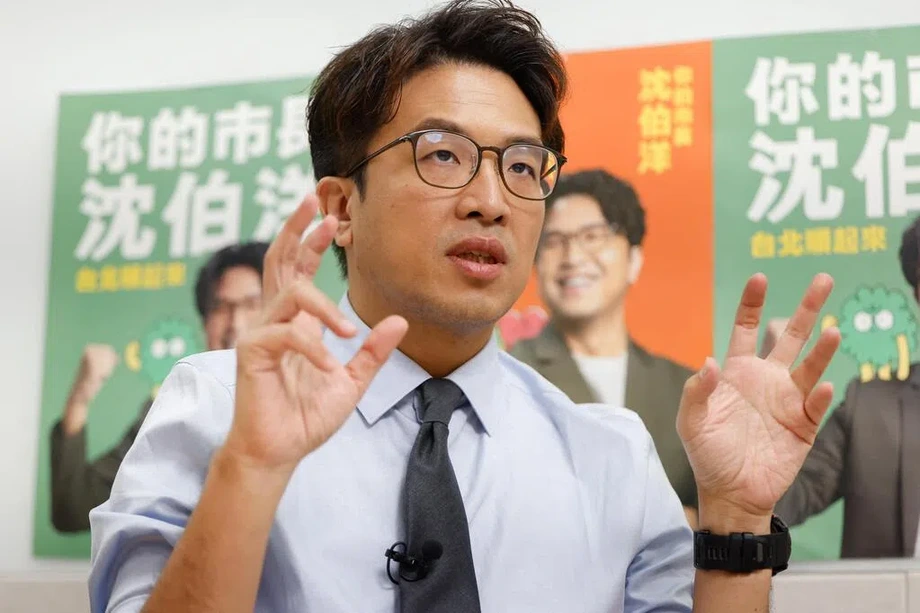
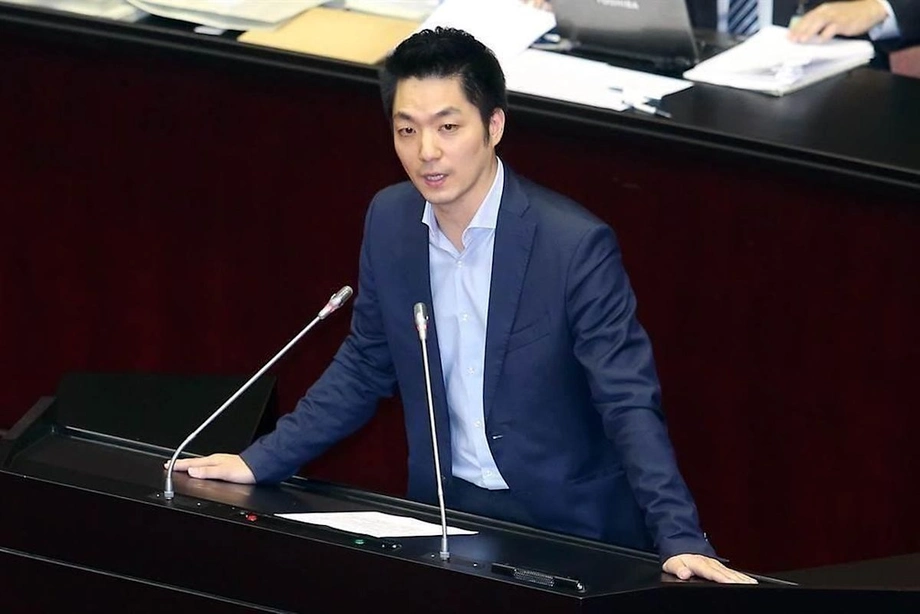
Taipei Mayor Chiang Wan-an of the Kuomintang and Democratic Progressive Party mayoral candidate Puma Shen engaged in a fierce exchange on November 21, 2026, during their second televised policy presentation ahead of the upcoming local elections. The two frontrunners locked horns over critical public health and safety concerns, including institutional child abuse, a tragic food poisoning outbreak, and environmental protections surrounding municipal water supplies. The televised debate highlighted sharply contrasting governance styles as both candidates sought to sway undecided voters in the final weeks of the campaign.
Contents
Puma Shen launched a direct assault on the current administration, accusing the Kuomintang-led city government of reacting too slowly during major public emergencies. He pointed to an official investigation revealing that two staff members at Charisse International Preschool mistreated 13 children, arguing that municipal authorities ignored repeated warnings sent through the city 1999 hotline. Shen also criticized the official response to the Polam Kopitiam food poisoning incident that claimed six lives in 2024, noting that health inspectors arrived five hours after receiving initial reports and failed to immediately preserve suspected food items.
The Control Yuan subsequently censured the city government for failing to exercise due care during the food safety crisis. Expanding on his proposed reforms for child welfare protection, Shen outlined a zero tolerance policy for institutional negligence. When addressing families affected by the Charisse International Preschool child abuse case during a public appearance, Shen signed a formal commitment pledging immediate intervention and institutional accountability, echoing sentiments he shared during child welfare pledge events earlier in the campaign. He explained his overarching stance on administrative intervention by emphasizing that protecting vulnerable residents requires aggressive oversight.
If I become mayor, when it comes to children's safety, I would rather intervene too much than be late.
Mayor Chiang Wan-an defended his administration's record by highlighting proactive measures implemented since taking office in 2022. Chiang noted that Taipei has fully subsidized surveillance cameras in private kindergartens since 2024, requiring facilities to retain security footage for at least 90 days. He contrasted his administration's completed urban renewal initiatives—such as projects at Xinwei public housing, Nanjichang Night Market, and Hulin Street—with the legislative hurdles highlighted during earlier debates. According to municipal data, about 70 percent of residential buildings in Taipei are more than 30 years old, making urban renewal a central challenge for any administration.
The Battle Over Drinking Water and Solar Energy
Environmental policy became a major flashpoint during the debate when the discussion shifted to the installation of floating solar panels near municipal water reservoirs. Chiang forcefully reiterated his opposition to installing solar arrays at Feitsui Reservoir in New Taipei City's Shiding District, which serves as the primary source of drinking water for six million residents in the greater Taipei area. He revealed that the central government had written to his administration three times urging them to assess potential installation sites and justify their objections.
The Kuomintang has repeatedly voiced concerns regarding potential health risks from floating solar installations in regions governed by the Democratic Progressive Party, while rival lawmakers have accused the opposition of spreading unsubstantiated rumors by ignoring official water quality tests. Chiang emphasized that environmental preservation requires concrete policy actions rather than political rhetoric. He pointed to the successful completion of the Feitsui Reservoir raw water pipeline, a major infrastructure project inherited from the previous administration of former mayor Ko Wen-je that helps secure the city water supply.
Protecting our water sources takes more than slogans. I have taken concrete action to safeguard the right of 6 million people in greater Taipei to clean drinking water.
Critics and opponents have questioned the consistency of energy policies across municipal boundaries, but Chiang maintained that municipal leaders must protect natural resources regardless of pressure from central authorities. The debate over water safety intersects with broader discussions about urban sustainability, green energy adoption, and the protection of historic cultural zones across the capital.
Technological Vision and Economic Development Plans
Moving beyond past controversies, Chiang presented a comprehensive 20-year development blueprint structured around four economic corridors, with artificial intelligence serving as the primary driver of future growth. He drew attention to the northern technology corridor linking the Beitou-Shilin Technology Park, the Neihu Technology Park, and the Nangang Software Park. A major milestone in this economic strategy is the decision by Nvidia Corporation to establish a corporate presence within the Beitou-Shilin technology zone.
Municipal statistics released during the campaign indicate that Chiang administration officials have helped facilitate 421 major investment projects valued at more than NT$103.8 billion, a figure that includes 223 artificial intelligence related projects worth over NT$66.3 billion. To sustain this momentum, Chiang pledged to expand research computing resources, establish a dedicated startup fund, and transform the Beitou-Shilin park into a pilot testing zone for smart transportation technologies equipped with autonomous buses and intelligent traffic systems.
In addition to high tech initiatives, Chiang outlined environmental and urban infrastructure priorities designed to prepare the city for extreme weather events. His proposals include planting 40,000 new trees across the metropolitan area, upgrading underground drainage networks to prevent flooding during heavy rainfall, expanding public transportation routes, and constructing additional sports centers and cultural facilities. These commitments build upon previous infrastructural achievements, including the renovation of Mengjia Park and the Tamsui River embankment, alongside a municipal debt reduction of over NT$40 billion over four years.
Differing Approaches to Civil Service and City Administration
The candidates also clashed over how local government should interact with frontline civil servants, teachers, and social workers. Puma Shen released an open letter to municipal employees outlining four core commitments, including the establishment of a Taipei policy research institute to guide decision-making and the deployment of professional artificial intelligence tools to handle repetitive administrative tasks. Shen argued that mayors must take direct responsibility for policy outcomes rather than deflecting criticism onto subordinate workers when implementation issues arise.
During the debate, Shen displayed three autographed books given to him by former Taipei Deputy Star Huang Shan-shan, signaling an outreach effort toward voters aligned with the Taiwan People's Party and highlighting the continuation of successful bipartisan policies. He argued that municipal governance should transcend partisan divides and that administrative errors require immediate correction rather than defensive justification. He also introduced a personal performance checklist allowing residents to evaluate his campaign promises directly if he is elected.
I做的決定,我來負責.
The Taipei City Government dismissed the open letter as political posturing. Deputy Spokesperson Tsai Wan-ning stated that Mayor Chiang already implements these supportive management practices, emphasizing that a true leader never pushes decision-making responsibilities onto frontline staff. Chiang reinforced this position during a morning campaign stop at Dongmen Market, where he condemned opposition attacks regarding tree management and intercity forums as unfair attempts to undermine the daily efforts of hardworking municipal employees.
Campaign Timeline and Electoral Momentum
The mayoral race has featured intense campaigning, large rallies, and significant public engagement across Taipei's twelve administrative districts. Key milestones in the final weeks of the contest include:
- October 31, 2026: The first televised mayoral debate took place at the TVBS studio, featuring sharp exchanges on drug-impaired driving penalties and urban renewal.
- November 1, 2026: Puma Shen held a major vehicle procession through Daan and Wenshan districts, culminating in a rally at Daan Forest Park featuring former president Tsai Ing-wen.
- November 21, 2026: Puma Shen signed a formal child welfare pledge following discussions with affected families, coinciding with the second televised policy presentation.
- November 21, 2026: Thousands of supporters gathered for a joint campaign rally in New Taipei City, highlighting northern regional mobilization strategies.
- November 28, 2026: Registered voters in Taipei are scheduled to cast their ballots to elect the next mayor and city council members.
Recent public opinion surveys illustrate the closeness of the contest. A poll released by the Taiwan Brain Trust showed Puma Shen leading with 46.3 percent of voter support compared to 42.2 percent for incumbent Mayor Chiang Wan-an, a margin that falls within the poll's sampling error of plus or minus 2.99 percentage points. The survey revealed fascinating demographic shifts, showing competitive figures across traditional pan-blue strongholds like Daan and Wenshan districts. As the campaign enters its final days, both candidates continue to press their respective visions for the capital.
At a Glance
- The second televised policy presentation took place on November 21, 2026, featuring sharp debates on child safety, water resources, and economic policy.
- Puma Shen criticized the city government over handling complaints regarding Charisse International Preschool and the Polam Kopitiam food poisoning incident.
- Chiang Wan-an defended his opposition to installing floating solar panels at Feitsui Reservoir to protect drinking water for six million residents.
- Chiang highlighted major investments including Nvidia Corporation establishing a presence in the Beitou-Shilin Technology Park.
- Recent polling indicates a neck-and-neck race between the two leading candidates ahead of the November 28 election.