149 incidents drive a push to close legal gaps
Chinese transnational repression has targeted 131 Taiwanese in 149 incidents since 2005, Mainland Affairs Council Deputy Minister Liang Wen-chieh told a legislative session, as Taiwan's government prepares legal changes to address intimidation ranging from staged traffic accidents to threats against families.
Contents
- 149 incidents drive a push to close legal gaps
- What the numbers measure
- Nine methods, from violence to pressure on relatives
- Attacks bring the issue into public view
- Why ordinary criminal charges leave gaps
- What would change under the proposed amendments?
- Protection and border checks before the election
- Pressure follows Taiwanese voices overseas
- How the response has developed
- Key Points
Justice Minister Cheng Ming-chien said existing laws leave gaps in protection. Reporting a Taiwanese person through China's online portal for alleged independence activities has no specific criminal penalty in Taiwan. Following someone for political reasons also falls outside the Stalking and Harassment Prevention Act, which applies to conduct related to sex or gender.
The Ministry of Justice is working with other agencies on amendments to the Anti-Infiltration Act. The proposals would create offenses specifically covering transnational repression, increase penalties, allow confiscation of assets connected to operations and establish measures addressing the spread of material online.
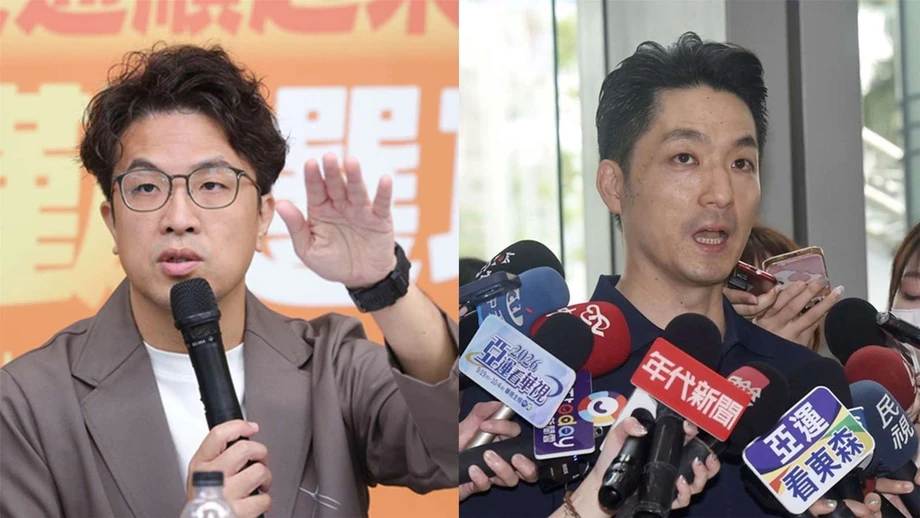
The legislative discussion comes after prosecutors indicted five men in October over an alleged attack involving a car against comedian Huang Yi-hao. Prosecutors allege that the men acted on Chinese Communist Party orders to stop performances that satirized the party. Huang attended the legislative meeting and urged political parties to cooperate on reform.
Taiwan's response is also moving beyond criminal law. Premier Cho Jung-tai has ordered stronger protection for election candidates and other people considered at risk, investigations into organizers and local collaborators, and closer coordination among police, prosecutors, immigration officials and national security agencies.
What the numbers measure
Liang's count covers 131 people and 149 incidents over a period beginning in 2005. The figures mean some people were targeted more than once, although he did not give a breakdown of repeat targeting.
At a July 8, 2026, meeting with US Senator Tammy Duckworth, Cho gave a different count: 120 cases involving 134 instances of people being threatened. His description included Taiwanese civil servants, judicial personnel, relatives and foreign nationals in Taiwan. Liang's legislative figures refer specifically to Taiwanese and distinguish people from incidents.
The groups identified by Liang include politicians, defense and military personnel, judicial officials, academics and people active in civil society. Cho's July remarks extended the government's stated protection commitment to foreign residents as well as Taiwanese citizens.
Transnational repression means a government reaching beyond its borders to silence, intimidate or punish people. In the cases Taiwan is examining, authorities describe pressure carried out through physical attacks, online activity, legal threats, financial restrictions and people operating locally.
Nine methods, from violence to pressure on relatives
Liang divided the Chinese Communist Party's methods into nine categories. His account shows how an operation can affect someone's physical safety, livelihood, ability to travel and willingness to speak publicly.
- Physical attacks, including assaults, paint attacks and staged traffic accidents.
- Criminal prosecution, including wanted notices backed by rewards, unlawful arrests and trials.
- Psychological coercion, including political labeling, monitoring and stalking.
- Digital oppression, including circulating satellite images of homes and spreading disinformation.
- Border controls that prevent targets or relatives from entering or leaving a territory.
- Collective punishment through threats or harassment against relatives, friends or business partners.
- Economic sanctions, including restrictions on business dealings and frozen bank accounts.
- Interference with democratic institutions, including threats against civil servants and disruption of public bodies.
- Abuse of institutional mechanisms, including judicial procedures and international organizations, to restrict participation or personal freedom.
Family and business connections give such pressure a reach beyond the person initially targeted. A threat directed at a relative or a commercial partner can place someone under pressure without requiring direct contact with them.
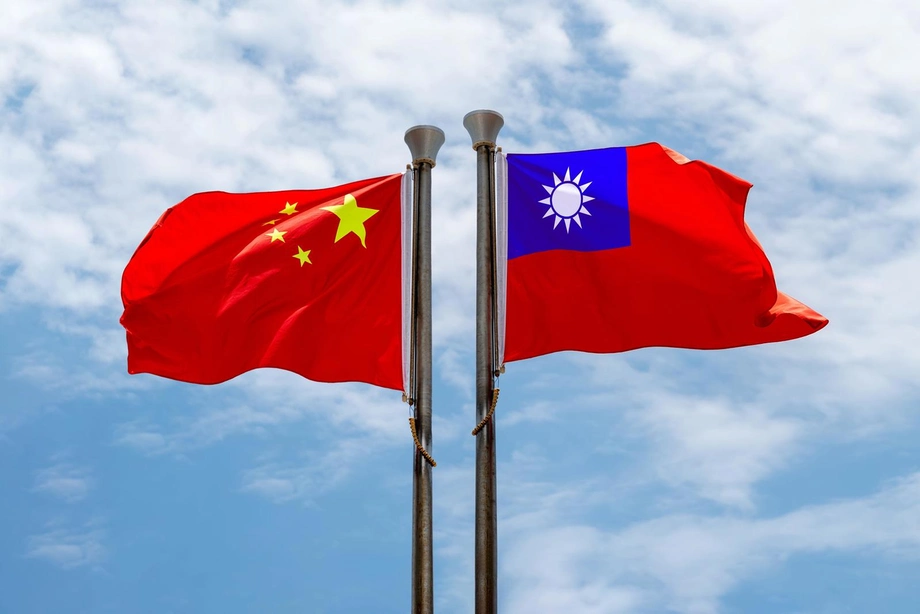
Liang said Beijing presents its actions as punishment for supporters of Taiwanese independence and claims they comply with Chinese law. In his assessment, this is an attempt to manufacture a legal basis for exercising jurisdiction over Taiwan. The dispute therefore concerns both personal protection and Beijing's claimed authority to punish people in a territory governed by Taiwan's institutions.
Attacks bring the issue into public view
Huang's case has become a focus of the reform debate because prosecutors allege that violence was intended to silence a performer. Five men were indicted in October over the alleged operation. Their guilt remains a matter for the courts.
Liang also cited incidents involving Japanese political commentator Akio Yaita as suspected physical violence linked to the Chinese Communist Party. In July, Cho described an attack on a media figure of Japanese origin with Taiwanese citizenship, saying the attacker held a Hong Kong passport and attempted to change appearance before leaving Taiwan.
Criminal Investigation Bureau official Tung Hsin-hsin gave a more immediate picture of police work on November 5. Police had accepted nine transnational repression cases during 2026, with four reaching indictment and five still under investigation.
The five investigations included two cases concerning paint attacks on Hong Kong activist Tong Wai-hung during visits to Taiwan, one involving firecrackers thrown at an event organized by the Human Rights Network for Tibet and Taiwan, and threats against Kuan Chien-chung, who brought the documentary State Organs to Taiwan. Details of the fifth investigation were withheld because it involved classified information.
The cases span comedy, documentary screenings and rights advocacy. For police, identifying who carried out an attack is one task; tracing instructions, financing and local assistance is another. Cho has directed agencies to pursue both the people behind operations and those helping them inside Taiwan.
Why ordinary criminal charges leave gaps
Cheng said Taiwan's current laws do not adequately cover transnational repression. Authorities can prosecute acts such as injury, threats and invasions of privacy, but the Ministry of Justice says penalties often focus on harm to an individual rather than the wider intimidation of democratic participation, freedom and the rule of law.
Ordinary bodily injury carries a maximum prison sentence of five years. Property damage and criminal threats each carry maximums of two years, while unlawful surveillance or recording carries a maximum of three years.
Political stalking presents a more specific problem. Taiwan's Stalking and Harassment Prevention Act covers conduct related to sex or gender. Someone followed because of political speech therefore needs protection through other applicable laws.
The online reporting portal creates another gap identified by Cheng. Taiwan has no specific offense penalizing someone simply for reporting a Taiwanese person to Chinese authorities for alleged independence activities. The proposed reforms are intended to address methods that existing offenses cover incompletely, alongside conduct already punishable under ordinary criminal law.
What would change under the proposed amendments?
The Anti-Infiltration Act took effect in 2020 and covers five categories of offenses involving infiltration, including attempts to manipulate elections through disinformation carried out with instructions or financial support from the Chinese Communist Party. The government now wants provisions specifically addressing transnational repression.
The Ministry of Justice says the amendments would define new crimes, cover different methods of repression and impose heavier penalties. They would also permit confiscation of assets connected to operations and create mechanisms dealing with the online dissemination of material used in repression.
The Cabinet and Democratic Progressive Party lawmakers have put forward close to 30 versions of amendments. DPP legislator Chen Pei-yu pledged in late October to work with opposition parties on legislation protecting Taiwan's sovereignty and public safety.
No final legislative text, agreed penalty schedule or vote date was given. Liang also said the government plans a hotline for suspected cases, without announcing an opening date.
The practical questions include how investigators would establish a connection between an act of intimidation and an outside authority, which forms of assistance would attract criminal liability, and what powers would apply to online material. Those details will determine how the new offenses operate in individual cases.
Protection and border checks before the election
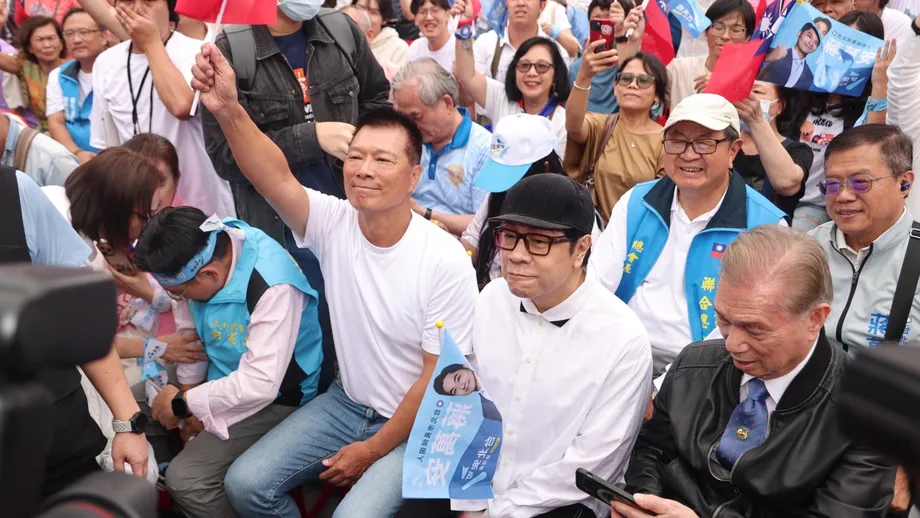
Cho used a November 5 public security meeting to order closer cooperation ahead of local elections and a national referendum scheduled for November 28. He asked agencies to improve threat intelligence and personal protection for candidates and other people considered at risk.
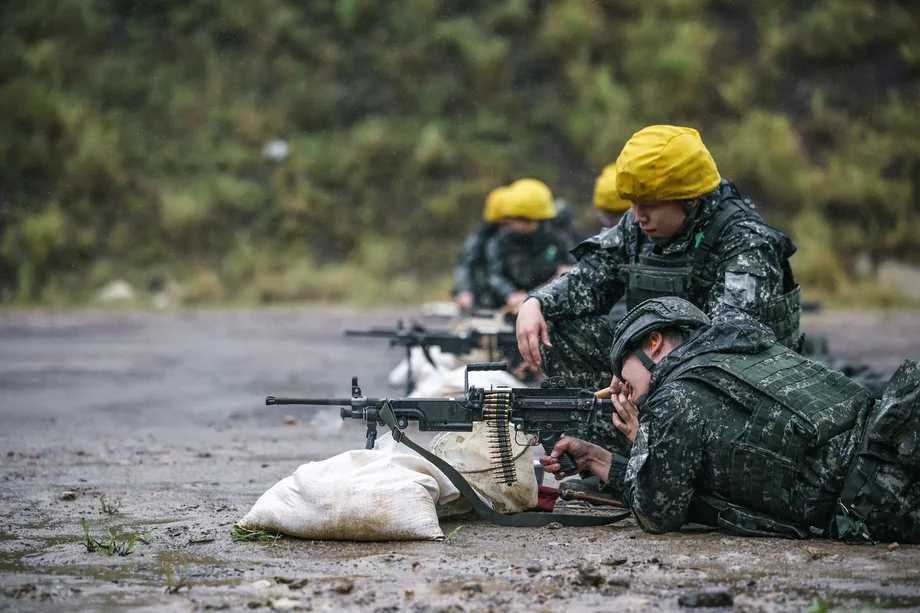
Immigration authorities were instructed to strengthen application reviews and border checks, improve their response to suspected repression cases and conduct practical exercises to prevent suspects from fleeing abroad. Cho also called for immediate alerts when incidents occur and intelligence sharing through an interagency platform.
The election security effort includes investigations into illicit financing. Between August and September 4, an initial enforcement operation uncovered 212 cases involving 588 people and seized about NT$909.06 million in criminal proceeds. Its targets included overseas funding, underground money transfers and election betting.
Authorities presented those financial investigations as part of the broader effort to protect the election, alongside action against intimidation, violence and false information. Following money can help investigators identify the people paying for an operation and any intermediaries between them and those carrying it out.
Pressure follows Taiwanese voices overseas
DPP legislator Chang Ya-lin raised the issue at the Inter-Parliamentary Alliance on China summit in The Hague on November 5, 2026. The meeting brought together 52 lawmakers from 30 countries.
Chang said Chinese repression had expanded from politicians and people expressing support for Taiwanese independence to ordinary citizens and businesspeople. She cited Huang's case and described pressure placed on organizations inviting her to international events.
Her account illustrates how organizers can become an indirect target. Pressure on a host institution can affect whether an invitation proceeds, limiting a Taiwanese speaker's access to an audience without a warning being sent directly to that speaker.
Chang called for scrutiny of the legal authority to investigate local collaborators, as well as legal protection and reporting channels for organizations facing pressure. She also said officials from Paraguay and Belize had faced Chinese sanctions because their countries maintained diplomatic relations with Taiwan.
A criminal case in the United States has brought attention to the safety of Taiwanese families abroad. The FBI arrested a woman in California in early October on suspicion of acting as a Chinese agent and spying on President Lai Ching-te's son, Lai Ting-yu, and his family. She pleaded not guilty to federal espionage charges later that month and was awaiting trial.
How the response has developed
Taiwan's actions during 2026 have moved from public warnings and coordination toward proposed criminal offenses, while police continue investigating individual incidents. Several dates show how the security and legislative responses have developed together.
- July 8: Cho described 120 cases involving 134 instances of people being threatened and said the government had established an interagency coordination platform.
- August to September 4: Authorities conducted an initial operation against illicit financial flows as part of election security preparations.
- October: Prosecutors indicted five men over the alleged attack on Huang. In the United States, a woman arrested in the case concerning Lai's family later pleaded not guilty.
- November 5: Cho ordered stronger protection and investigations into organizers and local collaborators. Police disclosed nine repression cases for the year, while Chang addressed the issue at the summit in The Hague.
- November 28: Local elections and a national referendum are scheduled to take place.
For people facing threats, the immediate measures are protection, investigation and access to a reporting channel. For lawmakers, the task is to decide how the law should address attacks and pressure carried out for an outside authority, including methods that cross the boundaries between physical violence, online intimidation and financial coercion.
Key Points
- Liang Wen-chieh said 131 Taiwanese had been targeted in 149 incidents since 2005.
- Taiwan identifies nine forms of repression, including violence, political stalking, digital intimidation and pressure on relatives.
- The Ministry of Justice is preparing amendments to create specific offenses, increase penalties and allow confiscation of connected assets.
- Police disclosed nine cases during 2026, with four reaching indictment and five under investigation.
- Five men were indicted in October over an alleged Chinese Communist Party directed attack on comedian Huang Yi-hao.
- The government has ordered stronger personal protection, border checks and agency coordination ahead of the November 28 vote.