Sixth Round of Negotiations Concludes in New Delhi
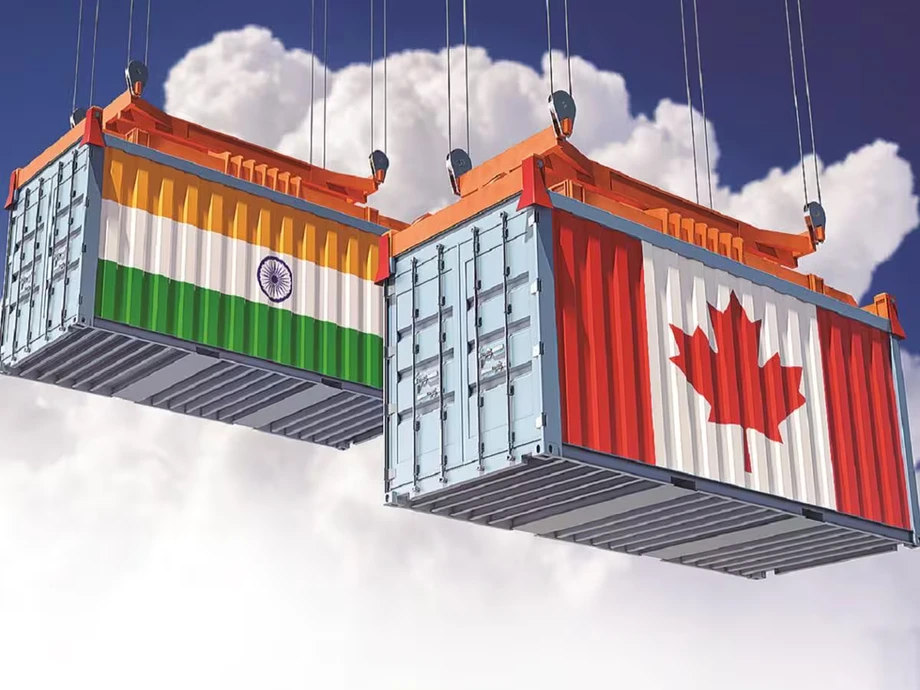
India and Canada wrapped up ten days of intensive trade talks in New Delhi, marking a significant step toward a broad economic partnership. The negotiations, running from November 11 to 20, focused on finalizing a Comprehensive Economic Partnership Agreement, known as a CEPA. Unlike a standard free trade agreement that primarily removes taxes on imported goods, a CEPA covers a much wider range of economic activities, including services, investments, intellectual property, and rules of origin. Rules of origin are specific criteria used to determine where a product was made, which decides whether it qualifies for tariff reductions under the trade pact. Trade remedies refer to legal tools that governments use to protect domestic industries from unfair trade practices, such as dumping products below cost.
Contents
The talks brought together top trade officials from both nations to bridge remaining gaps. The Indian delegation was led by chief negotiator Dr. Brij Mohan Mishra, while the Canadian team was represented by chief negotiator Mary-Catherine Speirs. Toward the end of the ten-day session, India's Commerce Secretary Rajesh Agrawal met with Canada's Vice Minister of International Trade Glenn Purves to review the overall progress. Union Minister Piyush Goyal and Canada's International Trade Minister Maninder Sidhu also held high-level discussions on November 11 to set the momentum for the meetings.
Shared Goals for Farmers, Industries, and Small Businesses
Both governments emphasized that the proposed economic pact is designed to deliver tangible advantages to various sectors of their economies. Negotiators reaffirmed their commitment to creating a balanced and commercially meaningful agreement that benefits farmers, industrial manufacturers, commercial enterprises, and micro, small, and medium enterprises in both countries. Micro, small, and medium enterprises are smaller businesses that often require specific protections and export support to compete internationally. Officials noted that the agreement aims to unlock new opportunities in trade and investment while building resilient and diversified supply chains to withstand global economic disruptions.
The sixth round of discussions covered several key tracks beyond traditional manufacturing goods. Negotiators tackled intellectual property rights, which protect inventions and creative works, alongside investment promotion rules that encourage cross-border business spending. Earlier discussions also touched upon agriculture, agri-food, digital trade, mobility, and sustainable development. The inclusion of digital trade and mobility indicates that the two nations are modernizing their commercial relationship to account for technology services and the movement of skilled professionals.
Timeline Toward an Anticipated December Visit
Diplomatic momentum has accelerated as both governments look toward a high-profile leadership visit next month. Prime Minister Narendra Modi is scheduled to visit Canada on December 11 and 12, according to an announcement by the High Commission of India in Ottawa on October 16. Officials from both countries are working to finalize the agreement so that leaders can announce a breakthrough during that trip. Canadian International Trade Minister Maninder Sidhu expressed strong optimism about the timeline while speaking in Manila alongside Canadian Prime Mark Carney during the ASEAN Summit. Minister Sidhu told reporters that India would be the next trade deal his country successfully concludes.
- November 11: Commerce Minister Piyush Goyal meets Canadian Minister Maninder Sidhu in New Delhi as talks commence
- November 11 to 20: Sixth round of CEPA negotiations takes place in face-to-face sessions in New Delhi
- November 20: Official conclusion of the ten-day negotiating round announced by the commerce ministry
- December 11 to 12: Prime Minister Narendra Modi scheduled to visit Canada, with potential announcements on trade progress
Ambitious Targets for Bilateral Commerce and Energy Ties
Both trading partners are aiming for a massive expansion of their economic relationship over the next few years. Governments have set a shared objective to more than double bilateral trade to 70 billion Canadian dollars annually by 2030, rising from an estimated 30.4 billion Canadian dollars in goods and services recorded in 2025. This expansion relies not only on lowering traditional tariffs but also on forging new strategic partnerships in energy and technology. Officials revealed that India and Canada are exploring the creation of a two-way energy supply chain. Under this plan, India would import Canadian oil and natural gas while exporting refined petroleum products back to Canada.
The push for closer economic alignment mirrors broader international trade strategies pursued by New Delhi. Alongside the Canadian negotiations, commerce officials are actively engaged in trade discussions with several other global partners. Minister Goyal noted that India is negotiating trade arrangements with the United States, Oman, the European Union, Chile, Peru, and New Zealand, with additional talks planned across multiple geographies over the coming months. These simultaneous efforts are reshaping international commerce patterns, much like previous adjustments seen during finalised trade agreements with major Western partners where tariff advantages remained a central focus for exporters.
What Remains Unresolved Before the Deadline
Despite significant progress and near-consensus on several chapters of the proposed CEPA, specific details regarding final tariff schedules and certain regulatory exemptions have not been publicly disclosed. Negotiators have not yet released the complete legal text of the agreement, which must be fully drafted and reviewed before any formal signing ceremony takes place. While officials remain confident about concluding the talks ahead of the December visit, the exact timing for the operationalization of the pact will depend on final legislative and administrative steps in both New Delhi and Ottawa. No date has been set for the formal parliamentary ratification process that must follow the signing of the agreement.
The Bottom Line
- India and Canada successfully concluded their sixth round of CEPA trade negotiations in New Delhi, covering goods, services, and investment.
- The talks were led by chief negotiators Dr. Brij Mohan Mishra for India and Mary-Catherine Speirs for Canada.
- Both nations are aiming to finalize the trade agreement before Prime Minister Narendra Modi visits Canada on December 11-12.
- The two countries share a target to more than double bilateral trade to 70 billion Canadian dollars annually by the year 2030.
- New plans include establishing a two-way energy supply chain involving Canadian oil and gas imports and refined petroleum exports from India.