The Battle Over Boardroom Recordings
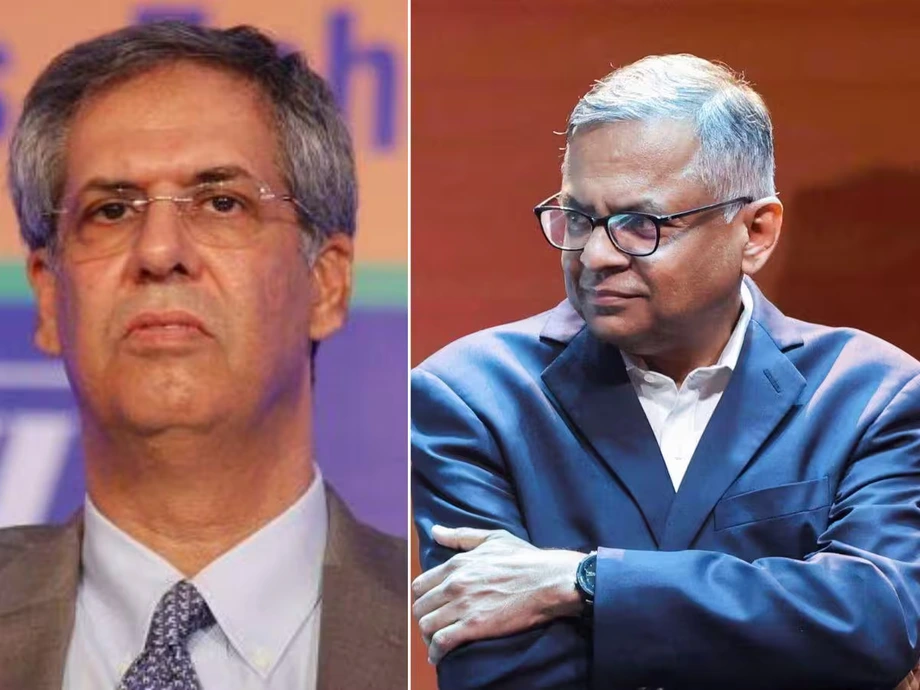
Tata Trusts Chairman Noel Tata has intensified his fight for corporate transparency by demanding the unedited audio and video recordings of a contentious meeting held on September 17, 2026. This dispute centres on a high-stakes board gathering where N Chandrasekaran was reappointed as the executive chairman of Tata Sons for another five-year term. In a seven-page letter dated November 20, 2026, addressed to Tata Sons Company Secretary Suprakash Mukhopadhyay and sent to all directors, Noel requested a written response by November 25, 2026, just ahead of the crucial board meeting scheduled for November 26, 2026.
Contents
The holding company previously rejected these requests, maintaining that recording physical meetings is done solely to help draft minutes and that sharing such footage is not standard practice. Company representatives stated that neither the law nor the company rules require retaining or circulating recordings of face-to-face gatherings. Noel countered this by asserting that directors have a legal right to inspect all company records, including electronic files. He warned that deleting or altering the September 17 recording after he first requested its preservation on September 18 could amount to the deliberate destruction of evidence.
Directors are entitled to inspect company records, whether maintained in physical or electronic form, and neither the law nor the Articles of Association entitles Tata Sons to withhold the recording of a board meeting attended by the director.
Scrutiny of the Reappointment Process
The controversy surrounds the exact procedure used to secure Chandrasekaran's third term. Noel argued that the reappointment was introduced without prior notice and without a formal recommendation from the company Nomination and Remuneration Committee. According to his findings, the committee had met on September 3, 2026, and only asked Chandrasekaran to reconsider his previous decision to step down, without formally recommending his continuation to the full board.
Voting dynamics during the September 17 session remain a major point of contention. The resolution to reappoint Chandrasekaran passed by a 4-1 vote, with Chandrasekaran abstaining. Noel voted against the measure, while Venu Srinivasan, another nominee of Tata Trusts, voted in favour. With the two Tata Trusts nominees split, the chairman reportedly used a casting vote to break the tie. Noel argued that Article 121 of the company Articles of Association requires an affirmative vote by a majority of specific nominee directors present, and a casting vote cannot create a majority where none exists.
Conflict of Interest Allegations
The November 20 letter also raised governance concerns regarding business dealings between entities linked to Chandrasekaran's family and TVS Motor Company, led by Venu Srinivasan. Noel pointed out that while initial disclosures in April 2025 noted that Chandrasekaran's wife and son were involved with Hanno entities, they did not mention subsequent commercial arrangements. These included TVS Motor leasing land to Hanno One in June 2025. Noel questioned whether Srinivasan experienced a conflict of interest while participating in the performance assessment and reappointment discussions for Chandrasekaran.
Tata Sons has previously rejected these conflict-of-interest allegations. The company maintained that all required disclosures regarding Hanno entities were properly made and that no direct transactions exist between Tata Sons and TVS Motor or Hanno One. Officials stated that a contract awarded by TVS Motor to a company where a family member has a disclosed interest does not create a conflict with the holding company.
Regulatory Pressure and Listing Requirements
The governance standoff takes place against a backdrop of strict regulatory demands from the financial sector. The Reserve Bank of India communicated with the holding company on November 16, 2026, directing it to comply with upper-layer non-banking financial company regulations, which mandate a stock market listing. This followed an earlier October 6 letter where Tata Sons expressed an intention to comply while seeking clarity on the timeline.
Tata Trusts, which owns approximately 66 percent of Tata Sons, strongly opposes listing the holding holding company. Noel previously proposed an alternative restructuring plan to keep the entity unlisted by merging operating businesses into the parent company. Meanwhile, minority shareholder Shapoorji Pallonji Group, which holds an 18.4 percent stake, has pushed to monetise part of its investment through a payout of ₹25,000 crore, equivalent to ₹250 billion. This financial maneuvering ties directly into earlier discussions on Tata Sons restructuring that have divided the board.
Internal Divisions and Calls for Restraint
The public sparring between leadership factions has triggered anxiety among senior stakeholders regarding the safety of the corporate brand. Following a meeting of the Sir Dorabji Tata Trust, trustee Bhaskar Bhat urged his colleagues to exercise restraint and avoid leaking internal disputes to the media. Other trustees, including Venu Srinivasan and Vijay Singh, have previously filed governance complaints, reflecting deep divisions over the direction of the conglomerate.
Noel has pushed for the September 17 minutes to remain unfinalised until his objections and dissenting views are properly documented. He also demanded access to the records of the September 3 Nomination and Remuneration Committee meeting. With the November 26 board meeting approaching, directors face mounting pressure to resolve these procedural deadlocks, determine their regulatory compliance path, and address the demands of their primary institutional shareholders.
Key Points
- Noel Tata renewed his demand for unedited audio and video recordings of the September 17, 2026, board meeting.
- The dispute highlights disagreements over the voting process and the validity of N Chandrasekaran's reappointment as executive chairman.
- Noel questioned potential conflicts of interest involving Venu Srinivasan and family-linked entities of Chandrasekaran.
- The Reserve Bank of India instructed Tata Sons to comply with upper-layer regulations, including mandatory stock market listing.
- Tata Trusts proposed an alternative restructuring plan to keep the holding company unlisted.