Winter power relief comes with a seven hour gap
Nepal has secured permission to import up to 350 megawatts of electricity from India from November 17, 2026, to July 31, 2027, as falling river flows and flood damage squeeze domestic hydropower production. The approval allows purchases for 17 hours a day, excluding the morning and evening periods when electricity demand rises.
Contents
- Winter power relief comes with a seven hour gap
- How the electricity will reach Nepal
- Why the restricted hours matter
- Flood damage adds to the seasonal shortage
- Why a hydropower exporter needs winter imports
- Export permission continues alongside imports
- The dates that shape Nepal's electricity outlook
- Key Points
India's Central Electricity Authority, under the Ministry of Power, authorised the Nepal Electricity Authority (NEA) to buy electricity through the Indian Energy Exchange (IEX). Imports under this arrangement are barred from 5 am to 8 am and from 5 pm to 9 pm, leaving Nepal's state electricity utility with a separate task of securing enough power during those seven hours.
NEA Managing Director Dirghayu Kumar Shrestha said the permission would make balancing supply and demand easier during the dry season. Nepal faces its usual winter decline in hydropower alongside the continued disconnection of projects with a combined installed capacity of 431 MW following floods in August.
The new authorisation therefore addresses two pressures at once: less water available to generate electricity and damaged infrastructure preventing some power stations from supplying the national grid. Its usefulness will depend on when electricity can be purchased, the prices available and the capacity of the transmission routes carrying it across the border.
How the electricity will reach Nepal
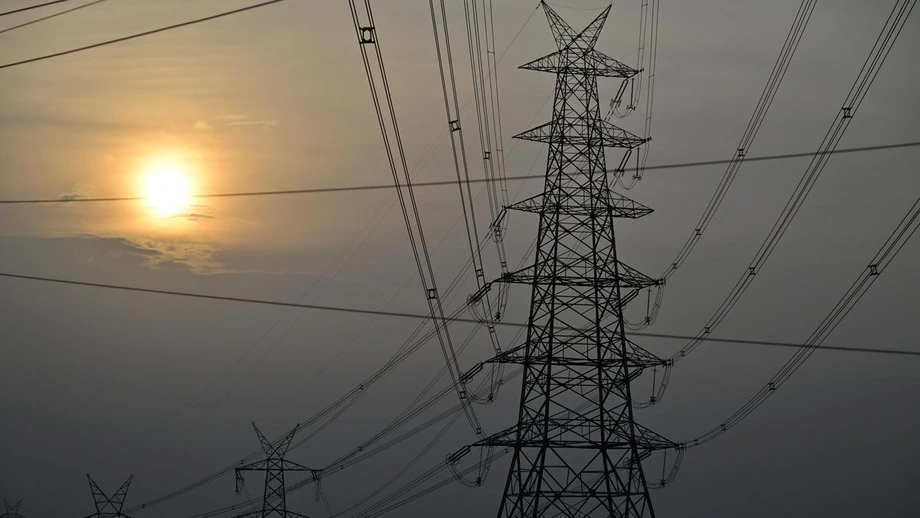
The approved 350 MW is divided between four transmission routes. Three existing corridors will carry most of the permitted supply, while the New Nautanwa-Mainahiya line will provide the remaining share.
- Up to 300 MW can be imported through the Kataiya-Kushaha, Ramnagar-Surajpura and Raxaul-Parwanipur transmission lines.
- Another 50 MW can be imported through the New Nautanwa-Mainahiya line.
- All four routes operate at 132 kilovolts, the voltage level used to transmit the electricity.
The 300 MW allocation applies across the three named corridors together. It accounts for about 86 percent of the total approval, with the remaining 14 percent assigned to New Nautanwa-Mainahiya.
A megawatt measures the rate at which electricity is generated or supplied. The 350 MW limit describes how much power Nepal can buy at a given moment under this permission; the amount of electricity purchased over a day will also depend on how many hours the NEA uses it.
Why the restricted hours matter
The IEX permission covers purchases through both its day ahead and real time markets. In simple terms, the NEA can arrange electricity for the following day or buy closer to the time it is needed. Those options give the utility ways to adjust purchases as demand and domestic generation change.
Market purchases come at competitive rates rather than a single fixed price stated in the approval. Nepal's final bill will therefore depend on the market price and the volume it buys.
The excluded hours create a practical constraint. Electricity purchased during the afternoon cannot simply be kept in a transmission line for use during the evening. Supply and consumption must be balanced as electricity is used, so the NEA will need other available generation or supply arrangements during the restricted periods.
The NEA projects average daily imports of 450 to 500 MW during the most demanding winter periods. Against that range, the new 350 MW permission is 100 to 150 MW lower, even during hours when it can be used in full.
The NEA's demand projection puts peak consumption at 800 to 900 MW; another estimate puts peak import requirements themselves in that range. Those figures describe different measures of the challenge: total consumption includes domestically generated electricity, while import requirements describe the portion that must come from abroad.
Flood damage adds to the seasonal shortage
Floods in the Rasuwa-Bhotekoshi area in August damaged hydropower and transmission infrastructure in central Nepal. A detailed account dates flooding on the Bhotekoshi and Trishuli rivers to August 26. Projects with a combined installed capacity of 431 MW have remained disconnected from the national grid since the disaster.
Installed capacity is the output a power station is designed to produce under suitable conditions. Actual production changes with water availability and the condition of equipment and transmission connections.
The scale of the disruption is substantial beside the new import arrangement. The disconnected capacity of 431 MW exceeds the 350 MW import ceiling by 81 MW. Repairing power stations and restoring their connections therefore remains a major part of Nepal's supply challenge alongside buying electricity from India.
No timetable has been given for reconnecting all the affected projects. That leaves the NEA planning for winter while the return of a sizeable group of domestic generators remains uncertain.
Why a hydropower exporter needs winter imports
Nepal relies heavily on run-of-the-river hydropower. These stations generate electricity using flowing river water and have limited ability to hold large quantities back for another season. Their output rises when rivers carry more water and falls when flows weaken.
Higher summer and monsoon flows can give Nepal surplus electricity to sell, mainly to India. Winter reverses that balance: lower river levels reduce generation, while homes, businesses and other users still need a dependable supply.
The NEA expects domestic production to remain below demand particularly during Poush, Magh, Falgun and Chaitra, the Nepali calendar months covering roughly mid December to mid April. Flood damage makes that recurring seasonal gap harder to manage this year.
Officials expect generation to improve from mid April, around the start of Baisakh, as river flows rise. That recovery could reduce import purchases and create room for renewed surplus exports. The import permission extends through July, giving the utility access beyond the months expected to bring the tightest supply.
Export permission continues alongside imports
The NEA has also received approval to export 56 MW from three hydropower projects through the IEX. That authorisation runs until the same July 2027 expiry as the import arrangement.
Nepal can need imports during some periods while retaining opportunities to sell electricity from approved projects at others. River flows, demand and the permissions attached to individual power stations shape when those transactions are possible.
Access to India's market remains a wider negotiating issue. Nepal is preparing to seek Upper Tamakoshi export approval during Prime Minister Balendra Shah's proposed November 22–23 visit to India. The 456 MW project has been awaiting permission following an application first submitted in April 2021.
The proposed electricity agenda also includes renewing import arrangements, advancing transmission construction, securing assistance for flood damaged power stations and obtaining permission to send another 20 MW to Bangladesh through India's grid. The visit and its detailed programme had not been formally confirmed when those preparations were described.
The dates that shape Nepal's electricity outlook
Indian Ambassador Sudhakar Dalela conveyed the 350 MW decision to Nepal's Minister for Energy, Water Resources and Irrigation, Biraj Bhakta Shrestha. The approval arrives as both countries prepare for discussions involving immediate winter supply and longer term electricity trade.
- August 26, 2026: Flooding on the Bhotekoshi and Trishuli rivers disconnected hydropower infrastructure associated with 431 MW of installed capacity.
- November 17, 2026: The new 350 MW import permission took effect.
- November 22–23, 2026: Shah's proposed India visit would provide an opportunity for electricity talks, subject to confirmation.
- Mid April 2027: Officials expect rising river flows to begin improving domestic hydropower generation.
- July 31, 2027: The import approval expires.
The immediate task for the NEA is to turn the permission into electricity purchases while meeting demand during the excluded morning and evening hours. Spring river recovery offers a seasonal source of relief, while restoring damaged projects would return additional domestic supply to the grid.
Key Points
- India has approved up to 350 MW of electricity imports for Nepal through July 31, 2027.
- Purchases are permitted for 17 hours daily, excluding 5–8 am and 5–9 pm.
- Three transmission routes share a 300 MW allocation; New Nautanwa-Mainahiya carries another 50 MW.
- Flood affected projects with 431 MW of combined installed capacity remain disconnected.
- The NEA expects average daily imports of 450–500 MW during the most demanding winter periods.
- Nepal also holds approval to export 56 MW from three projects, with domestic generation expected to improve from mid April.