Captive Bears Freed From Koh Rong Island
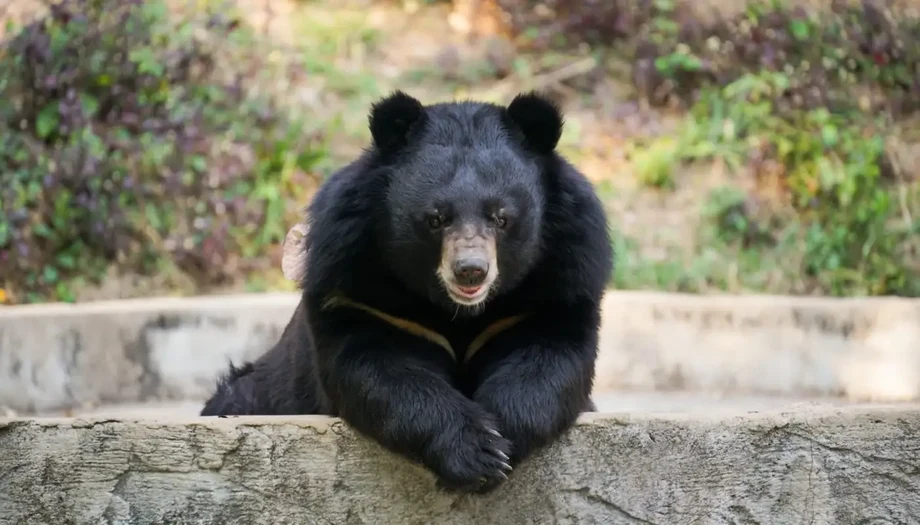
Two adult moon bears are leaving behind a life of strict confinement in a small cage located behind a hotel on Cambodia is Koh Rong island. Forestry Administration officials and representatives from the international wildlife conservation organization Free the Bears carried out the operation following a tip from a vigilant tourist who spotted the captive animals. Asian black bears, commonly known as moon bears, face severe threats from the illegal wildlife trade across Southeast Asia. Poachers frequently target the species when the animals are young, taking them from their natural forest habitats to be sold into the pet trade or farmed for bile extraction. The exact date of the rescue operation on Koh Rong island was not disclosed by officials.
Contents
Transporting Heavy Animals Across the Gulf
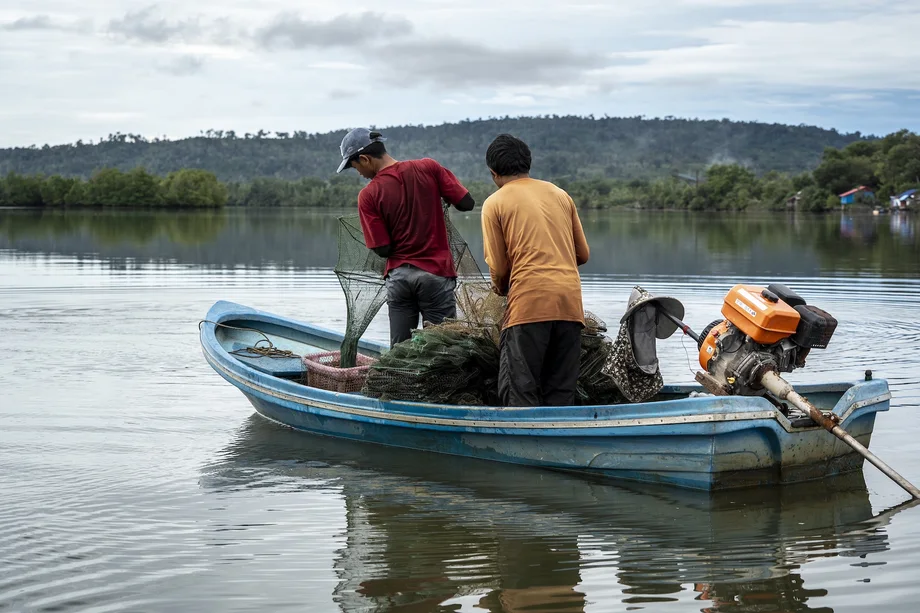
Rescuers faced massive logistical hurdles while moving the two large mammals from their island enclosure to the mainland. Each of the adult bears weighed more than 120 kilograms. Wildlife teams and local authorities coordinated a complex maritime journey, using a fishing boat to transport the heavy animals across the gulf. Matt Hunt, chief executive of Free the Bears, praised the collaborative effort between public informants, government authorities, and rescue personnel. Moving adult bears of this size by sea requires specialized crates, sedatives, and careful monitoring to prevent the animals from panicking during the boat crossing.
From Mountain Cubs to Hotel Cages
The two bears spent years behind the hotel after being taken from a mountain village as small cubs. Hotel owners raised the animals as pets, but captivity failed to accommodate the growing bears as they reached adult size. Asian black bears possess strong instincts to climb trees, forage for food over large distances, and roam dense forests. Small concrete or wire enclosures deny captive bears these natural behaviors, often leading to severe physical and psychological distress. The hotel owners initially resisted requests to surrender the animals, having formed a personal attachment to the bears after caring for them for many years.
The Power of Sanctuary Footage
Local police and wildlife rescuers eventually shifted the hotel owner perspective by presenting video footage of the Cambodia Bear Sanctuary. The visual evidence displayed rescued bears roaming freely through large wooded enclosures, climbing structures, and foraging in natural soil. Seeing the stark contrast between their cramped cage and the expansive sanctuary environment helped convince the owner to let the animals go. Matt Hunt noted that building trust with local communities remains vital for changing public attitudes toward keeping wild animals as pets. Sanctuary officials acknowledge that owners often struggle to part with animals they raised from cubhood, even when they recognize their inability to provide proper nutrition and space.
The unnamed hotel owner spoke about the difficult decision to relinquish the animals.
Our space and the care we could provide are limited in many ways. Therefore, sending them to the rescue centre is the best plan to ensure a better life for them. I look forward to a brighter future for them both.
Quarantine and Health Assessments at Phnom Tamao
Wildlife workers successfully transferred the pair to the Phnom Tamao Wildlife Rescue Centre on the Cambodian mainland. Veterinary staff and animal care specialists placed both moon bears into a mandatory quarantine area upon arrival. Medical teams are conducting thorough health assessments to check for nutritional deficiencies, dental problems, or joint issues stemming from years of restricted movement on hard surfaces. Once quarantine ends and veterinarians clear the bears, staff will determine the best approach for integrating them into larger forested enclosures where they can interact with other rescued bears.
Community Action and Wildlife Protection
The successful rescue highlights the critical role that observant tourists and local citizens play in combating illegal wildlife captivity. Matt Hunt emphasized that community cooperation makes operations of this scale possible, turning potential conflicts into positive outcomes for endangered species. Illegal wildlife keeping persists in many rural and tourist areas due to a lack of awareness regarding the complex dietary and spatial needs of wild mammals. Environmental organizations continue to rely on public reporting channels to identify hidden animal captives and coordinate interventions with government agencies.
Key Points
- Two adult moon bears weighing over 120 kilograms each were rescued from a hotel cage on Koh Rong island.
- The Forestry Administration and Free the Bears executed the rescue following a tip from a tourist.
- Rescuers transported the bears across the gulf by fishing boat to the Phnom Tamao Wildlife Rescue Centre.
- The hotel owner surrendered the animals voluntarily after watching video footage of the Cambodia Bear Sanctuary.
- Veterinary staff placed the bears in quarantine for health evaluations before planning their long term care.