Unseasonal Rains Threaten to Prolong Dengue Season
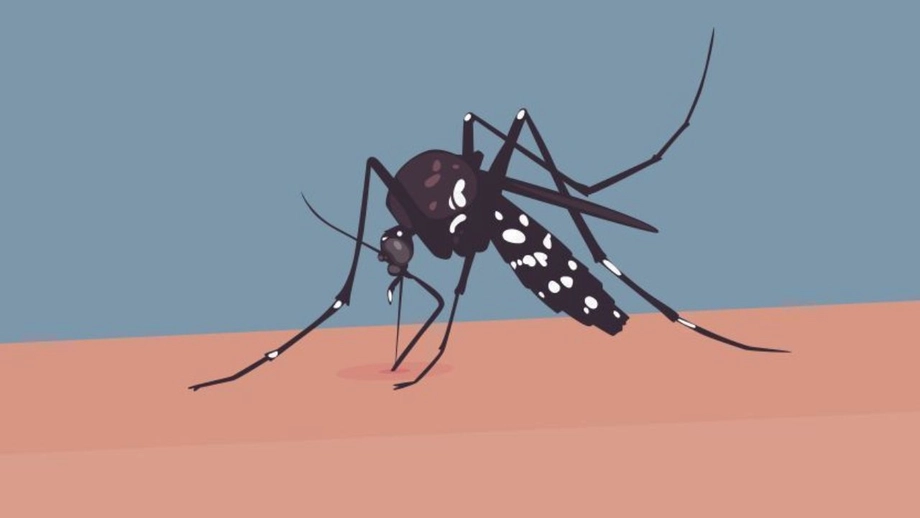
Bangladesh is facing an unusual public health challenge as ongoing rains threaten to push the dengue season deep into December. Public health experts warn that the downpours driven by Cyclone Akvan are preventing the expected drop in Aedes mosquito populations. Weather forecasts from the Bangladesh Meteorological Department indicate that gusty winds and rain or thunder showers will persist in various parts of the country through November 23. Entomologist Professor Kabirul Bashar explained that while December usually brings a decrease in dengue patients, the current rain is creating fresh breeding sites for the disease-carrying mosquitoes.
Contents
Professor Bashar noted that the unseasonal moisture could also increase Culex mosquito numbers, worsening overall sanitary conditions. Both mosquito species require regular removal of breeding sites and proper application of insecticides to keep populations under control. Dr Manzur Ahmed Chowdhury, another prominent entomologist, pointed out that the combination of rainfall, higher than expected temperatures, and elevated humidity creates ideal conditions for Aedes breeding. He cautioned that dengue infections and fatalities could rise throughout December. Aedes mosquitoes typically take seven to ten days for newly hatched larvae to reach adulthood, meaning that any drop in temperature and humidity by that time might eventually reduce transmission rates.
Alarming Infection Numbers and Rising Casualties
The dengue outbreak this year has already surpassed grim milestones, with fatalities exceeding 500 according to official tracking. Health authorities and medical professionals view this year's outbreak as far more alarming than previous seasons. Many patients do not seek hospital care, leading experts to believe the actual number of infections is several times higher than official figures suggest. Data from the Directorate General of Health Services shows 12,580 dengue cases and 39 deaths during the first seven days of November alone. Total infections for the year reached 1,47,580 with 458 deaths by November, compared to 76,026 cases and 307 deaths during the same period in 2025.
Monthly fatalities climbed steadily through the year, starting with two deaths each in January and February, zero in March and April, one in May, and 13 in June. The toll then rose to 36 in August and 148 in September before reaching a peak in October with 174 deaths and 56,380 infections. Medical specialists attribute part of the severity to changing viral strains. Medicine specialist Professor ABM Abdullah explained that repeat infections with different serotypes make subsequent cases much more dangerous. While a first infection is rarely severe, a second or third exposure can cause critical complications. Experts also stress that climate change and shifting weather patterns have lengthened the breeding season, turning dengue into a year-round threat rather than a seasonal monsoon issue.
Recognizing Dangerous Symptoms Beyond Fever
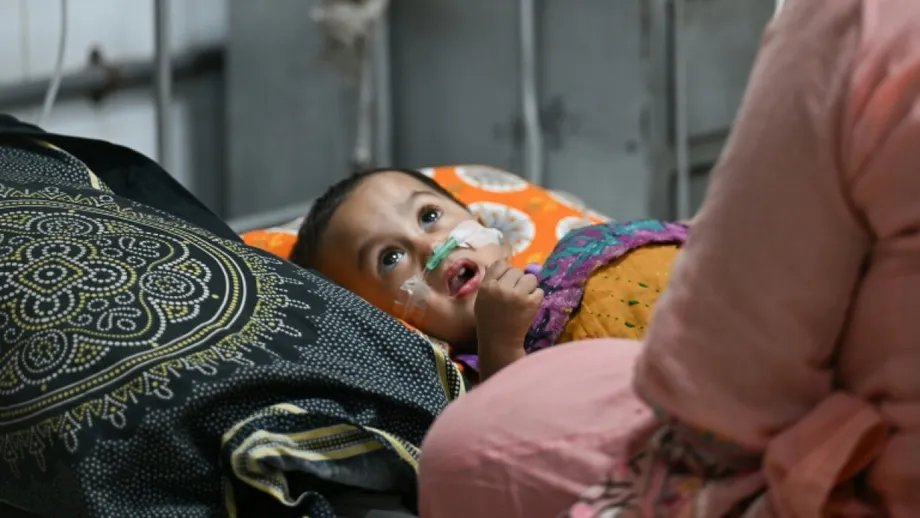
Dengue involves more than just a high temperature, severe headaches, and body aches, as dangerous complications can appear even after the initial fever subsides. One critical warning sign is respiratory distress, which occurs when fluid leaks from blood vessels into the chest cavity, a condition known as pleural effusion. Fluid accumulation around the lungs makes breathing difficult. Similar breathing problems can arise from pneumonia, heart complications, or excessive intravenous saline administration. Severe and continuous abdominal pain serves as another major red flag, often accompanied by repeated vomiting, abdominal swelling, or reduced urination.
Health guidelines advise patients and families to watch for specific critical markers during the danger period, which usually spans from the third to the seventh day after fever onset. Warning signs requiring immediate hospital visits include breathing difficulties, severe abdominal pain, persistent vomiting, bleeding from the nose or gums, extreme drowsiness, cold hands and feet, and a significant drop in urine output. Doctors recommend managing fever and pain with paracetamol while strictly avoiding pain relievers like aspirin and ibuprofen, which increase the risk of bleeding. Patients must also manage fluid intake carefully, as improper intravenous saline use can lead to dangerous fluid overload.
City Corporations and Experts Call for Targeted Action
City authorities and scientific organizations are adjusting their response strategies to address the prolonged outbreak. The Dhaka South City Corporation and the Zoological Society of Bangladesh jointly organized a scientific seminar on November 12, 2026, at the Nagar Bhaban Auditorium in Dhaka. The event brought together municipal leaders, researchers, and health officials to discuss modern and science-based mosquito control strategies. Dhaka South City Corporation Administrator Freedom Fighter Md Abduso Salam spoke at the event, emphasizing shared responsibility between the municipal government and local residents. He stated that successful control requires equal effort from both sides.
Administrator Md Abduso Salam described how risk surveys conducted in March helped identify vulnerable wards, leading to targeted interventions that improved conditions by October, though new risk zones have emerged. Professor Kabirul Bashar criticized traditional fogging methods as ineffective and urged authorities to shift toward larvicide application and rigorous cleanliness drives. He also called for testing the effectiveness of currently used insecticides and abandoning chemicals that no longer work. The seminar included insights from Dhaka South City Corporation Chief Executive Officer Md Khaybor Rahman, Zoological Society of Bangladesh President Professor Dr Hamida Khanom, icddr,b Senior Scientist Dr Shafiful Alam, and Directorate General of Health Services Senior Entomologist Md Rezaউল Karim Khan.
Practical Steps for Community Protection
Preventing further spread requires active participation from every household and neighborhood. Experts urge urban residents to sleep under mosquito nets, apply aerosol sprays during morning and evening hours, wear long-sleeved clothing, and clear stagnant water from homes and yards every week. Homes with confirmed dengue patients require extra caution to prevent mosquitoes from biting infected individuals and passing the virus to healthy family members. Public health advocates emphasize community-level mosquito control, particularly in high-risk areas like Bashundhara, Badda, and Banasree, where construction sites, empty plots, and discarded containers provide breeding grounds.
Public health expert Professor Dr Benazir Ahmed warned against delaying medical care, noting that ignoring mild fever, cold symptoms, or body aches often leads to sudden and severe complications. Early diagnosis remains one of the most effective tools for reducing fatalities. Experts recommend that authorities abandon generalized awareness campaigns in favor of surveillance-based mosquito eradication operations. Rapidly identifying the homes of dengue patients allows municipal teams to contain local transmission clusters before outbreaks widen. Health officials have also called for mandatory reporting of dengue data and enhanced monitoring systems to track infection trends outside Dhaka.
At a Glance
- Unseasonal rains driven by Cyclone Akvan are projected to extend the dengue season through December.
- Total recorded infections for 2026 reached 1,47,580 with 458 deaths by November, surpassing the previous year's figures.
- October marked the deadliest month of the year with 174 deaths and 56,380 reported cases.
- Critical warning signs include pleural effusion, severe abdominal pain, persistent vomiting, and reduced urination.
- Health officials advise avoiding aspirin and ibuprofen to prevent bleeding risks while managing pain with paracetamol.
- Dhaka South City Corporation and the Zoological Society of Bangladesh urged a shift toward targeted larvicide application and community cleanliness drives.