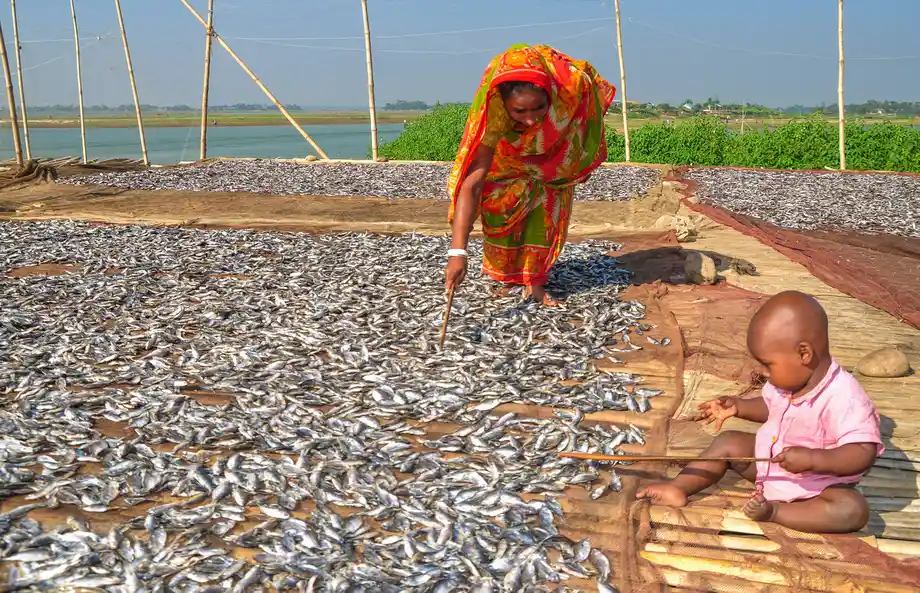
April heat carries a measurable cost for newborns
Bangladesh experienced an estimated 5,515 additional preterm births during the heat spells of April 2024, according to Zero Carbon Analytics (ZCA), with Dhaka and Chattogram divisions accounting for 47% of the national burden. The estimate amounts to about 19 additional premature births per 1,000 births, the highest rate among the three Asian countries examined.
Contents
- April heat carries a measurable cost for newborns
- A Dhaka family's experience of heat and power cuts
- What the estimates measure
- Bangladesh's response began during the 2024 emergency
- Research in Bangladesh finds risks beyond early delivery
- Cooling depends on electricity, housing and access
- Health plans often overlook mothers and newborns
- Counting complications alongside temperature
- Children face increasing exposure after birth
- Key Points
Temperatures that month averaged about 2.88°C above Bangladesh's April average for 1991 to 2020. Across Bangladesh, India and the Philippines, ZCA associated the heat event with roughly 16,150 excess preterm births compared with a typical April. Its analysis estimated that about 10,600 of those births would not have occurred without human activity warming the climate.
The findings in ZCA's preterm birth analysis, released on November 2, 2026, put numbers on a problem that reaches beyond maternity wards. Pregnant women face heat inside poorly ventilated homes, on journeys to medical appointments and during electricity outages that stop fans and cooling equipment.
Bangladesh already had a high burden of premature birth before these estimates. In May 2024, UNICEF put the country's preterm birth rate at 16.2%, describing it at the time as the world's highest. That is roughly one baby in six. Preterm birth means delivery before 37 completed weeks of pregnancy, when babies may need additional help with breathing, feeding and keeping their bodies at a safe temperature.
Bangladesh introduced national guidance covering pregnant women during the 2024 heat emergency. Researchers and health specialists are now calling for the next step: making heat protection a regular part of pregnancy care, backed by electricity, water, trained staff and cooler living conditions.
A Dhaka family's experience of heat and power cuts
Hafsa Begum, 25, spent much of her pregnancy in a two room apartment on the third floor of a building in densely populated Dhaka. Nearby buildings blocked daylight and restricted airflow through her bedroom windows. During the humid summer, electricity outages repeatedly stopped the ceiling fans.
Her husband, Abu Bakar, who works in the private sector, described the discomfort she experienced when the power failed.
"My pregnant wife felt like her body was burning inside at the time of power outages," Bakar said.
Journeys by public transport to prenatal appointments brought further exposure to heat. On November 7, 2026, Hafsa gave birth to a boy at the government Mother and Child Health Hospital in Mohammadpur, western Dhaka, three weeks before the expected 40 weeks of pregnancy. An exact gestational age was not given; delivery at 37 weeks falls outside the standard definition of preterm birth.
Nazmoon Naher, the hospital's chief gynecologist, described a broader concern among patients during an interview on November 8.
We have been seeing increasing preterm births by mostly malnourished and overstressed mothers.
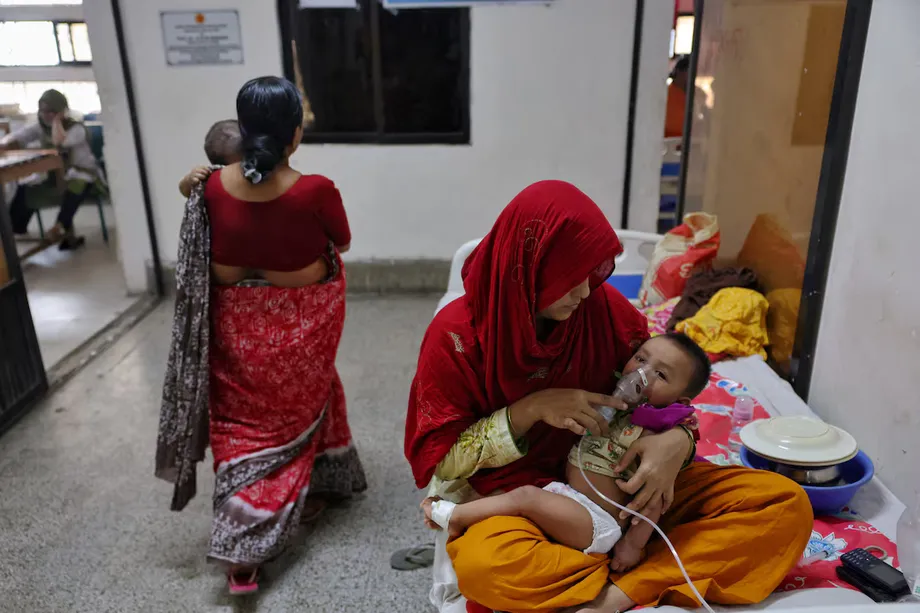
Naher said she had not specifically researched the connection with heat and could not provide the hospital's preterm delivery records at that time. She said mothers who delivered early needed hospital stays exceeding three days because their babies were vulnerable to complications including pneumonia, sepsis and gastroenteritis. Sepsis is a dangerous response to infection, while gastroenteritis affects the stomach and intestines.
What the estimates measure
ZCA calculated additional births associated with unusually hot conditions rather than counting individual hospital cases attributed to heat. Its model used a pooled research estimate of 4% higher odds of preterm birth for each 1°C increase in heat exposure. A pooled estimate combines findings from several studies.
UNICEF's May 2024 statement cited a different estimate: 5% higher odds per 1°C increase and 16% higher odds on heatwave days compared with days without a heatwave. Research cited by the World Health Organization (WHO) links extreme heat with 26% higher odds of preterm birth. These figures use different temperature comparisons and research groupings. Odds describe how often an outcome occurs relative to how often it does not; a percentage increase in odds is different from the same increase in percentage points.
Joanne Bentley-McKune, a senior research analyst at ZCA and an author of the policy brief, described the scientific evidence behind the analysis.
The link between heat and preterm birth is well established.
ZCA estimated that roughly two thirds of the 16,150 additional preterm births across the three countries were attributable to climate change, based on its estimate of about 10,600. Its analysis also cited findings that human activity warming the climate made the April 2024 South Asia heat event around 45 times more likely.
For Bangladesh, the concentration of 47% of the estimated burden in Dhaka and Chattogram refers to the two administrative divisions, which include areas beyond the cities themselves. That makes the finding relevant to both urban maternity services and health facilities serving surrounding communities.
Bangladesh's response began during the 2024 emergency
Bangladesh's Directorate General of Health Services launched the National Guidelines on Heat-Related Illnesses with UNICEF support on May 5, 2024. UNICEF's guidelines launch statement identifies pregnant women and children among the groups needing protection.
The guidance includes UNICEF's B.E.A.T the Heat framework: be aware of heat stress, identify symptoms, act immediately to protect people and take anyone with serious symptoms to a health facility. It also recommends monitoring illness by age, gender and pregnancy status, and managing complications such as preterm labour and pre-eclampsia, a pregnancy condition involving high blood pressure.
The main developments span several years:
- April 2024: Extreme heat affected Bangladesh, India and the Philippines, the period examined in ZCA's birth estimates.
- May 5, 2024: Bangladesh launched national heat illness guidance covering children and vulnerable groups, including pregnant women.
- April 2026: A severe heatwave affected about 26 districts as Bangladesh faced an electricity generation shortfall of around 3,000 megawatts.
- November 2, 2026: ZCA released its policy brief on heat and premature births.
- 2030: Bangladesh's Every Newborn Action Plan sets targets for reducing newborn deaths and stillbirths.
UNICEF's May 2024 statement also recorded the wider disruption during the heat emergency: temperatures reached 40°C and beyond, and school closures interrupted learning for 30 million children. The same emergency required health services to protect pregnant women while families managed disrupted routines and extreme temperatures.
Research in Bangladesh finds risks beyond early delivery
A study by icddr,b examined 22,624 pregnancy outcomes in Chakaria, Cox's Bazar, between 2012 and 2020. It found 25% higher adjusted odds of miscarriage when average temperatures were 28°C to 32°C, compared with 16°C to 21°C. Adjusted odds are calculated after accounting for other measured factors that could affect the result.
Miscarriages accounted for 11.2% of outcomes in the higher temperature group and 9.2% in the lower temperature group, a difference of two percentage points. The study linked warmer conditions with a higher frequency of miscarriage. A UNICEF report published in 2024 also cited Bangladeshi research finding that women delivering on hot days were 14% more likely to have newborns with neonatal illnesses, meaning illnesses during the first 28 days of life.
Climate Central estimated that Bangladesh experienced an annual average of 34 days of potentially dangerous heat for pregnant women during 2020 to 2024. Climate change added an estimated seven of those days each year. The analysis counted days exceeding temperatures associated with greater premature birth risk. For Chattogram, it estimated 30 additional days annually.
Shamim Hayder Talukder, a public health specialist and chief executive officer of Eminence Associates for Social Development, also pointed to a possible connection between heat stress and postpartum hemorrhage, or heavy bleeding after childbirth. He stressed proper nutrition for pregnant women to support their immunity.
Cooling depends on electricity, housing and access
Bangladesh's electricity shortages make heat protection harder to deliver. In April 2026, a generation shortfall of around 3,000 megawatts coincided with severe heat in about 26 districts. A prolonged shortage of primary energy, linked partly to conflict in the Gulf, combined with technical problems and reduced electricity imports. Outages occurred more frequently in rural areas than in cities.
Hospitals also face limited cooling facilities and inadequate temperature management in neonatal units. Premature babies need carefully controlled temperatures, so maintaining suitable conditions requires dependable equipment and power. Households face a similar practical problem when a fan is available but electricity is not.
ZCA recommends reliable water and electricity at health facilities, trained midwives and community health workers, and mobile or community cooling points for women who cannot easily reach a clinic. Its proposals also include help with the cost of cooling and changes to homes, including reflective roofs, shade and insulation.
Talukder argued that Bangladesh needs to address the environment around homes and hospitals as well as equipment inside them. He called for more greenery and an end to unplanned infrastructure development.
Only equipping hospitals with cooling facilities is not enough," he said. "We need to restore the environment with more greenery. The government needs to stop unplanned infrastructural development.
A study cited in the reporting found that Dhaka lost 56% of its vegetation between 1989 and 2020. Restoring shade would address a daily source of heat exposure for residents, including women travelling to appointments and families living in crowded housing.
Health plans often overlook mothers and newborns
A global review of 83 heat and health action plans across 24 countries found that only about half identified pregnant women as a group at risk. Fewer than four in 10 identified newborns, according to Bentley-McKune.
None of the countries reviewed fully addressed heat risks to mothers and newborns. Most plans concentrated on advice about personal behaviour rather than measures such as access to cooling and stronger monitoring. For a woman in a hot apartment during an electricity outage, acting on advice depends partly on whether a cooler place is within reach.
Bangladesh and India have issued guidance specifically addressing pregnancy and heat, ZCA says, but protection is still not routine in maternal care. Bentley-McKune called for checks and advice to begin before the hot season.
"The main ask is that governments in Asia build heat protection into routine antenatal care, so every pregnant woman is checked and advised before the hot season, not after a heatwave hits," she said.
Antenatal care means healthcare during pregnancy. Adding heat exposure to those visits would give health workers a regular opportunity to discuss conditions at home, access to cooling and plans for periods of extreme temperature. ZCA also recommends delivering heat warnings through trusted community health workers.
Counting complications alongside temperature
WHO, the World Meteorological Organization, UNICEF and UNFPA have jointly launched a framework of priority indicators for tracking heat risks to maternal and child health. The 56 page framework recommends monitoring preterm births, stillbirths, low birthweight, high blood pressure related to pregnancy, child deaths and health facility visits during extreme heat.
Bangladesh already has a maternal and perinatal death surveillance system covering all 64 districts. The agencies recommend analysing health records alongside weather observations to identify unusual increases in complications and improve preventive action and hospital preparation.
Dr Pascale Allotey, director of WHO's Department of Sexual, Reproductive, Maternal, Child and Adolescent Health and Ageing, explained the purpose of that monitoring.
"What health systems do not count, they cannot respond to," she said.
Bangladesh's Every Newborn Action Plan aims to reduce newborn deaths to no more than 12 per 1,000 live births by 2030, and stillbirths to no more than 12 per 1,000 total births. Those targets use different denominators: the newborn death target counts babies born alive, while the stillbirth target counts all births.
Heat monitoring would connect that national survival effort with the conditions mothers and babies experience during the hottest months. ZCA says heat risk is not yet systematically included in routine maternal care, making implementation of the existing guidance a central task.
Children face increasing exposure after birth
Infants under one experienced 389% more heatwave days globally in 2024 than during the 1986 to 2005 baseline period, according to research cited in the joint UN agency warning. An estimated 1.5 billion children face increasingly frequent, prolonged or severe heatwaves.
UNICEF projects that 35.5 million children in Bangladesh, or 99% of the child population at that time, will face high heatwave frequency by 2050. Its definition means an average of at least 4.5 heatwaves a year. In 2020, the corresponding estimate was 2.6 million children, or 5%.
The health challenge therefore continues beyond delivery. Bentley-McKune said babies who survive premature birth can experience health and developmental problems for years. Protecting pregnancy, maintaining safe conditions in newborn units and reducing heat exposure at home form connected parts of the response.
Bangladesh has national guidance, a surveillance network and targets for newborn survival. The practical changes proposed by researchers focus on making those systems work during extreme heat: preparing staff before temperatures rise, keeping facilities powered and bringing cooling closer to families.
Key Points
- ZCA estimated 5,515 excess preterm births in Bangladesh during April 2024, about 19 per 1,000 births.
- Dhaka and Chattogram divisions accounted for 47% of the estimated national burden.
- Across Bangladesh, India and the Philippines, about 10,600 of 16,150 estimated excess preterm births were attributed to climate change.
- Bangladesh launched national heat illness guidance covering pregnant women and children on May 5, 2024.
- Researchers recommend routine heat protection during pregnancy, reliable electricity and water, trained health workers and accessible cooling.
- Bangladesh's 2030 targets are no more than 12 newborn deaths per 1,000 live births and 12 stillbirths per 1,000 total births.