Market Rout Triggers Automatic Trading Halts
South Korea experienced a dramatic market correction as the benchmark KOSPI plunged 5.21% in a single trading session to close at 4,869.96, dropping below the 4,900 threshold. The tech-heavy KOSDAQ fell 5.71% to end at 645.68. The sharp downturn triggered automatic market stabilization mechanisms, including sell-side sidecars on both exchanges to curb panic-driven selling.
Contents
- Market Rout Triggers Automatic Trading Halts
- Opposition Lawmakers Demand Government Accountability
- Foreign Investors Shift From Equities to Bonds
- Export Strength Coexists With Retail Asset Losses
- Global Technology Sell-Off Amplifies Local Pressure
- Government Response and Future Economic Strategy
- Timeline of Market Developments
- The Essentials
This severe drop follows a volatile period for South Korean equities. A similar crisis occurred when Iran war triggers record market losses, sending investors rushing out of Asian stocks and pushing the KOSPI down significantly. Market volatility continued to plague investors as AI fears drive foreign selling and heavy losses across major technology shares and investment funds.
Opposition Lawmakers Demand Government Accountability
People Power Party lawmaker Na Kyung-won criticized the administration's economic policies in a public statement on November 21, pointing out that approximately 3,460 trillion won in market capitalization had evaporated since the June peak. Na argued that the government encouraged everyday citizens to invest during the market boom by touting rising share prices as an achievement, leaving retail participants to bear the heaviest losses during the subsequent downturn.
Party leader Jang Dong-hyuk joined the criticism, arguing that officials ignored investor pain while dealing with the fallout of the crash. Opposition figures called for formal investigations into specific financial policies, including the introduction of single-stock leveraged exchange-traded funds and the temporary deferral of National Pension Service rebalancing.
Foreign Investors Shift From Equities to Bonds
Foreign capital flows experienced a notable reversal as international investors unloaded domestic shares while increasing purchases of fixed-income assets. Data released in a report by the Financial Supervisory Service showed that foreign investors sold a net 25.98 trillion won worth of South Korean listed stocks in October. This marked the second consecutive month of heavy equity net selling, following 19.12 trillion won in September.
In contrast, foreign investors reversed course in the bond market by injecting a net 7.38 trillion won in October after withdrawing funds over the previous two months. Government bonds accounted for nearly all of the net investment. Analysts attributed the bond inflows to stronger arbitrage incentives, which allow foreign participants to secure additional returns by investing in domestic debt after hedging currency risks through foreign exchange swaps.
Export Strength Coexists With Retail Asset Losses
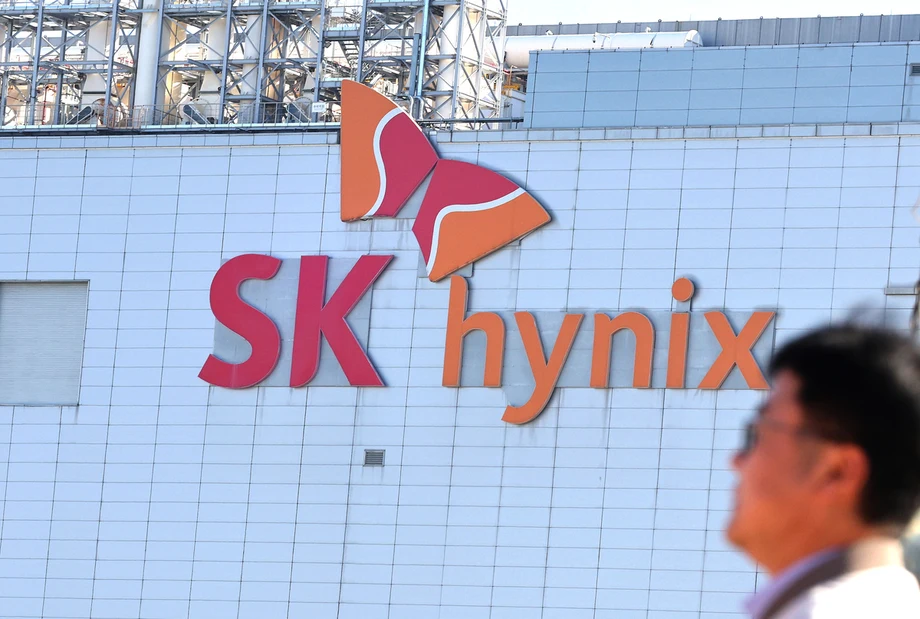
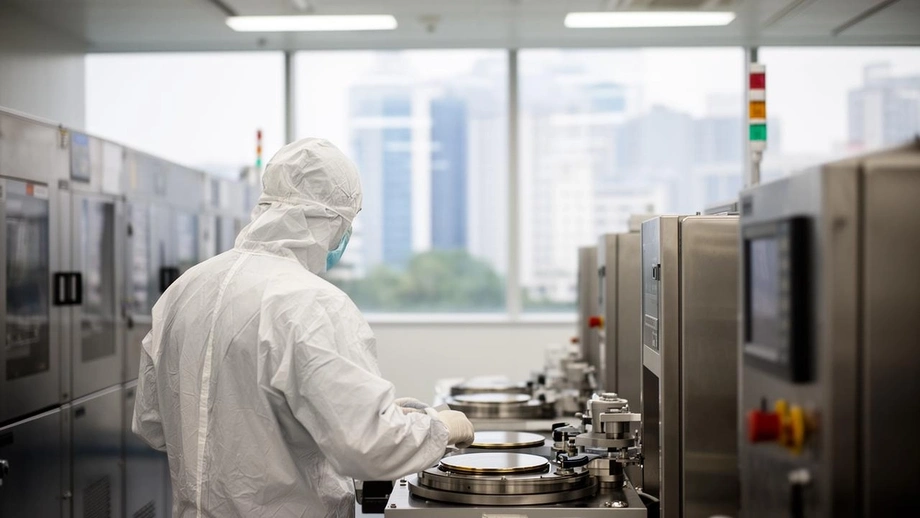
South Korea is on track to reach $1 trillion in annual exports, joining the United States, China, and Germany as the only nations to achieve the milestone. Memory chip manufacturers such as Samsung Electronics and SK Hynix have seen robust demand driven by artificial intelligence infrastructure expansion and global data center construction.
Asset losses among retail investors have begun to chill domestic spending, highlighting a stark gap between export performance and household financial health. Stock-trading deposit balances fell from 136.8 trillion won in late June to 86.9 trillion won as of November 16, representing a withdrawal of roughly 49.9 trillion won. Economists warn that declining equity values have wiped out the capital gains households accumulated earlier in the year, putting downward pressure on private consumption.
Global Technology Sell-Off Amplifies Local Pressure
The downward pressure on Seoul shares was compounded by a broader correction in overseas technology markets. In New York trading, the Nasdaq Composite fell 5.28% and the S&P 500 dropped 3.70% amid rising concerns over artificial intelligence valuations and potential regulatory restrictions. Large South Korean semiconductor manufacturers absorbed direct hits from the overseas weakness, with Samsung Electronics falling 7.01% and SK Hynix dropping 5.92%.
Simultaneous selling by foreign and institutional investors added strain to the local currency. The South Korean won depreciated against the U.S. dollar, reflecting a broader flight from domestic assets as market participants reassessed global risk exposure.
Government Response and Future Economic Strategy
President Lee Jae-myung has advanced plans to establish a 162.3 trillion won Future Response Fund, financed by tax revenues from the semiconductor boom, to support young people, regional development, and emerging industries. Finance Minister Lee Hyong-il emphasized the necessity of cultivating secondary and third growth engines beyond memory chips to stabilize the broader economy.
International financial institutions have urged structural reforms to address long-term challenges. Following annual consultations, the International Monetary Fund recommended targeted measures to tackle rapid population aging, widening regional disparities, and productivity gaps between large corporations and smaller businesses.
Timeline of Market Developments
- June: The KOSPI reaches a record peak, driven by enthusiasm for artificial intelligence and semiconductor manufacturing.
- October: Foreign investors sell a net 25.98 trillion won in equities while shifting capital into domestic bonds.
- November 16: Stock-trading deposit balances fall to 86.9 trillion won from a June peak of 136.8 trillion won.
- November 20: The KOSPI closes down 5.21% at 4,869.96, triggering sell-side sidecars across local markets.
- November 21: Opposition lawmakers publicly criticize government economic policies and demand formal investigations.
The Essentials
- The benchmark KOSPI fell below the 4,900 level to close at 4,869.96, marking a significant decline from its June peak.
- Foreign investors withdrew billions from local equities in October, continuing a trend of capital outflows from the stock market.
- Stock-trading deposit accounts shrank by roughly 49.9 trillion won as retail investors pulled funds amid falling asset prices.
- Export figures remain strong, but declining equity values have negatively impacted private consumption and household spending power.
- Political friction has intensified, with opposition parties demanding investigations into government stock market policies and pension fund management.