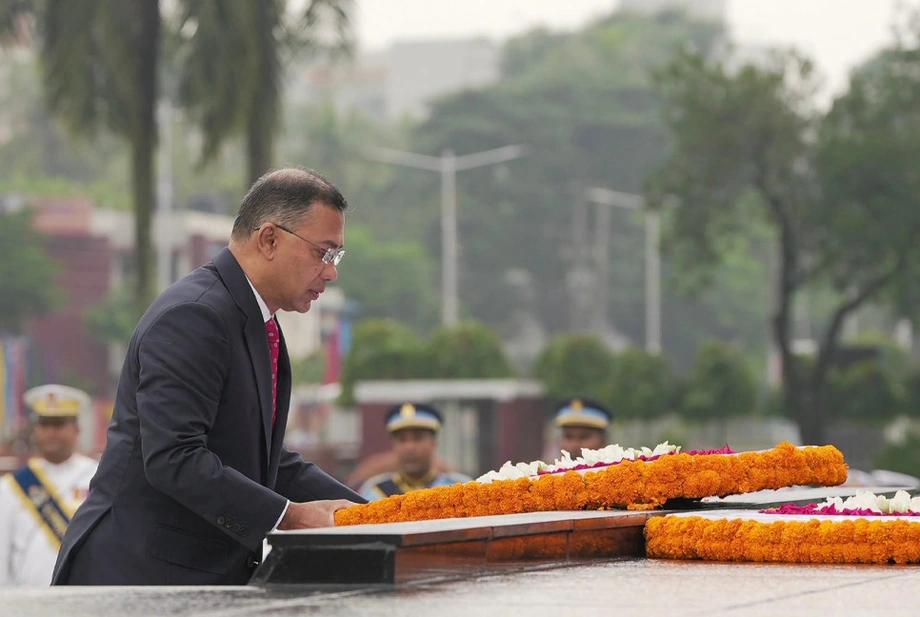
Honouring the Brave at Shikha Anirban
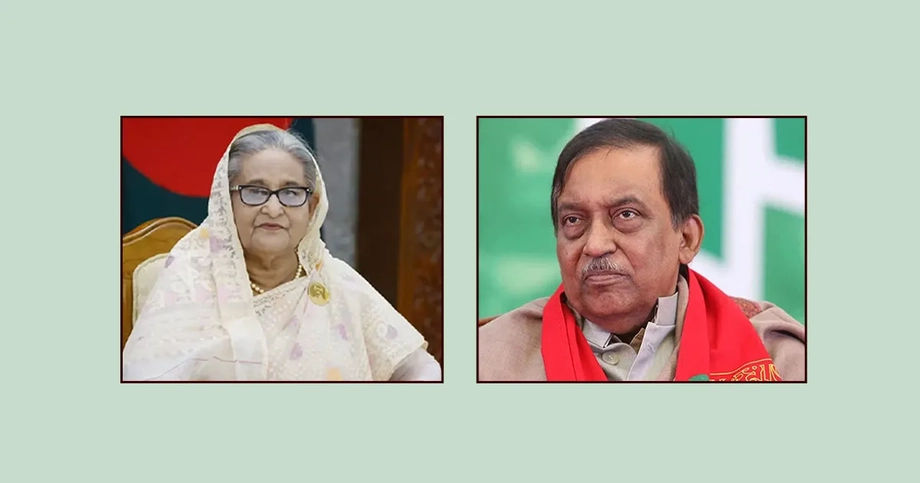
Prime Minister Tarique Rahman and President Mirza Fakhrul Islam Alamgir marked Armed Forces Day 2026 on Saturday, November 21, 2026, by paying deep respects to the martyrs of the Liberation War. The national leaders gathered at Shikha Anirban in Dhaka Cantonment at 8:00 AM to place floral wreaths in memory of those who lost their lives in 1971. A disciplined contingent from the Bangladesh Army, Navy, and Air Force stood at attention to offer a formal guard of honour while bugles played a mournful tune. Following the wreath-laying ceremony, both leaders signed the official visitors book to record their respects. The morning events also featured special prayers offered after the Fajr prayer in mosques across all military cantonments, naval bases, and air force installations in the country.
Contents
- Honouring the Brave at Shikha Anirban
- Building an Integrated and Technological Defence Framework
- Recognising Freedom Fighters and Gallantry Award Recipients
- Historical Roots and the Proclamation of Independence
- Global Contributions to United Nations Peacekeeping Operations
- Public Exhibitions and National Celebrations
- At a Glance
Military leadership joined the commemoration ceremonies to honour the founding sacrifices of the nation. Army Chief General Waker-Uz-Zaman, Navy Chief Admiral Khandaker Misbah ul Azeem, and Air Force Chief Air Chief Marshal Hasan Mahmood Khan laid separate wreaths on behalf of their respective service branches. Inter-Services Public Relations coordinated the release of official statements detailing the schedule of events, which included separate commemorative messages issued by the President, the Prime Minister, and opposition leader Dr. Shafiqur Rahman. The formal observances highlighted the 55-year history of the Bangladesh Armed Forces, tracing their formal inception to the coordinated operations launched on November 21, 1971, against occupying forces.
Building an Integrated and Technological Defence Framework
Prime Minister Tarique Rahman addressed a reception at Senakunja in Dhaka Cantonment at 4:00 PM on Saturday to announce sweeping plans to upgrade national military capabilities. He stated that the government has formulated new planning guidance to integrate the separate operational domains of the Army, Navy, and Air Force under a unified national defence architecture. Modern security requirements now extend beyond traditional ground and maritime borders into multidimensional domains. The government aims to acquire advanced technological capabilities in artificial intelligence, cybersecurity, unmanned aerial drones, electronic warfare, and space-based surveillance systems. These modernization efforts are designed to ensure the armed forces remain disciplined, professional, and fully equipped to maintain state security.
The administrative restructuring includes measures to improve human resources management across the military branches. A newly established Joint Services Human Resources Management Board will oversee personnel policies and career development for service members. The government has committed to implementing targeted welfare improvements for both active and retired personnel, including the introduction of a One Rank, One Pension System by the year 2030. Prime Minister Tarique Rahman emphasized that adherence to the chain of command, personal integrity, professional efficiency, and public trust remain core pillars of military strength. He stressed that a robust national defence system provides the foundation for safeguarding the independence and sovereignty of Bangladesh against any external threats.
Recognising Freedom Fighters and Gallantry Award Recipients
Prime Minister Tarique Rahman attended a separate morning reception at the Army Multipurpose Complex in Dhaka Cantonment to honour living veterans and their surviving family members. Around 101 gallantry award-winning freedom fighters and their successors attended the event, including close relatives of the seven recipients of the highest military honour, the Bir Sreshtho medal. The government presented commemorative gifts to the veterans and their families as a formal gesture of state recognition. During his address at the complex, the Prime Minister noted that honoring those who fought for national independence represents a fundamental responsibility of the state. He recalled the historical contributions of former Prime Minister Begum Khaleda Zia, who established the Ministry of Liberation War Affairs in 2001 and enacted the National Freedom Fighters Council Act in 2002 to secure long-term support for veterans.
The ceremony served as a tribute to the supreme sacrifices made during the 1971 Liberation War, which claimed hundreds of thousands of lives. Prime Minister Tarique Rahman paid specific homage to the seven Bir Sreshtho recipients: Captain Mohiuddin Jahangir, Sepoy Hamidur Rahman, Sepoy Mostafa Kamal, Mohammad Ruhul Amin, Flight Lieutenant Matiur Rahman, Lance Naik Munshi Abdur Rouf, and Lance Naik Nur Mohammad Sheikh. He noted that the younger generations inherit a duty to preserve the democratic and self-reliant state envisioned by the wartime martyrs. The event underscored the deep historical ties between the armed forces and the civilian population, celebrating individuals who participated directly in the armed struggle or suffered severe injuries during the conflict.
Historical Roots and the Proclamation of Independence
Prime Minister Tarique Rahman highlighted the historical connection between the formation of the armed forces and the declaration of national independence in 1971. He recalled the actions of his late father and former President Ziaur Rahman, who served as a major and deputy commander of the 8th East Bengal Regiment in Chattogram. Following the military crackdown by occupation forces on the night of March 25, 1971, Major Ziaur Rahman revolted and directed Bengali military personnel to take up arms. At 2:15 AM on March 26, he issued instructions for an armed struggle and subsequently broadcast the formal declaration of independence from Kalurghat Radio Station on March 27. This broadcast galvanized freedom fighters and transmitted the news of the resistance across the country and abroad.
The three military branches united on November 21, 1971, to launch coordinated counter-offensives alongside the Mukti Bahini and civilian volunteers. This joint military action transformed the battlefield dynamics and hastened the final victory of the Liberation War. Prime Minister Tarique Rahman noted that the armed forces have repeatedly defended the nation during major political transitions, including the events of November 7, 1975, and the mass uprising against fascism on August 5, 2024. He stated that the military has consistently operated as a symbol of public confidence, standing beside citizens during natural disasters, in remote hill regions, and across disaster-affected zones throughout the country.
Global Contributions to United Nations Peacekeeping Operations
Bangladesh Armed Forces personnel maintain a prominent role in international security through active participation in United Nations peacekeeping missions. Official military records indicate that Bangladesh has contributed a total of 2,06,476 peacekeepers to various international missions since first participating in the Iran-Iraq military observer mission in 1988. A total of 4,212 military personnel currently serve across nine different countries and mission areas worldwide. Male and female peacekeepers have earned international acclaim for their operational efficiency, discipline, and respect for human rights in war-ravaged regions.
Prime Minister Tarique Rahman expressed immense pride in the global reputation established by Bangladeshi peacekeepers. He noted that the country's status as a leading troop-contributing nation enhances its diplomatic standing and projects an image of stability and professionalism abroad. Foreign diplomats and international representatives attended the Senakunja reception to acknowledge these contributions to global peace and stability. The government reaffirmed its full commitment to continuing participation in multilateral peacekeeping efforts under international auspices, ensuring that military training programs align with evolving global security demands.
Public Exhibitions and National Celebrations
The celebrations for Armed Forces Day 2026 extended beyond official receptions to include public exhibitions and community events across major cities. The Bangladesh Navy opened specially decorated naval ships for public viewing in Dhaka, Khulna, Barishal, and Chattogram. Visitors boarded the vessels at nearby piers between 2:00 PM and 4:45 PM on Saturday to explore naval equipment and learn about maritime defense operations. Similar commemorative programs, discussions, and cultural events took place across military regional headquarters in Jashore, Bogura, Cumilla, Sylhet, Rangpur, Rajendrapur, Savar, Cox's Bazar, and Ghatail.
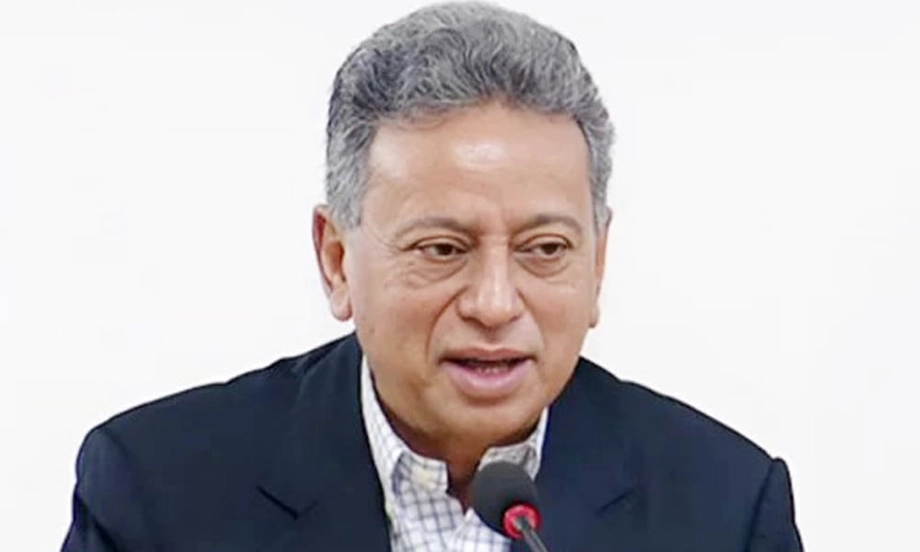
The main evening reception at Senakunja in Dhaka Cantonment welcomed a diverse gathering of civilian and military dignitaries. Attendees included Speaker Hafiz Uddin Ahmad, Chief Justice Zubayer Rahman Chowdhury, Finance Minister Amir Khosru Mahmud Chowdhury, Home Minister Salahuddin Ahmed, cabinet members, members of parliament, the Chief Election Commissioner, election commissioners, senior civil servants, and foreign ambassadors. The guest list also featured former military chiefs, retired officers, political leaders, and family members of individuals injured or killed during the July-August mass uprising and the 2009 Pilkhana BDR mutiny. Bangladesh Television broadcast the entire reception live to audiences nationwide.
At a Glance
- Armed Forces Day 2026 was observed on Saturday, November 21, 2026, marking 55 years since the inception of the Bangladesh Armed Forces in 1971.
- Prime Minister Tarique Rahman and President Mirza Fakhrul Islam Alamgir laid wreaths at Shikha Anirban in Dhaka Cantonment to honour Liberation War martyrs.
- The government announced plans to integrate the Army, Navy, and Air Force under a unified national defence framework and introduce a One Rank, One Pension System by 2030.
- A total of 2,06,476 Bangladeshi peacekeepers have served in United Nations missions since 1988, with 4,212 personnel currently deployed across nine countries.
- Special public exhibitions of Navy ships were held in Dhaka, Khulna, Barishal, and Chattogram for citizens to visit between 2:00 PM and 4:45 PM.