What Vietnam's new asset recovery mechanism allows
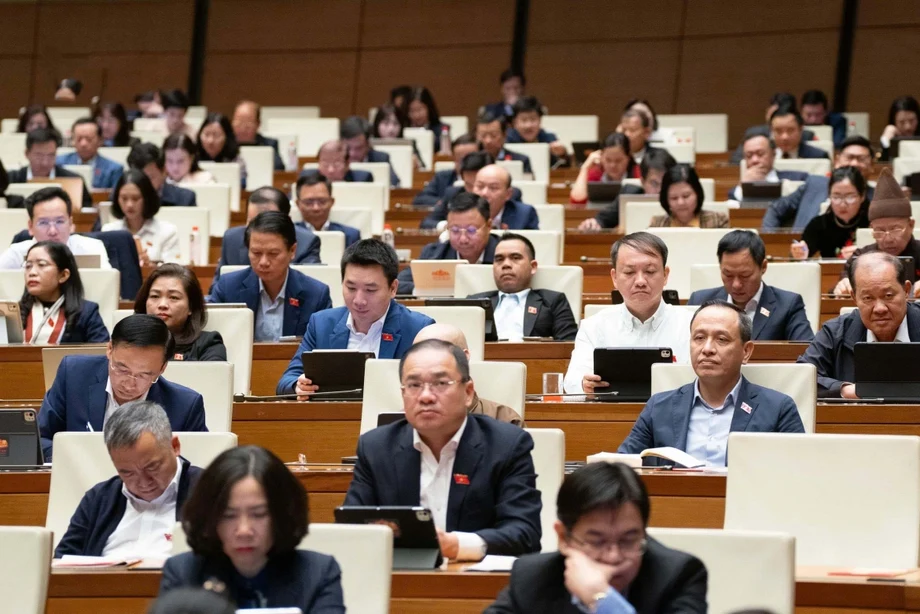
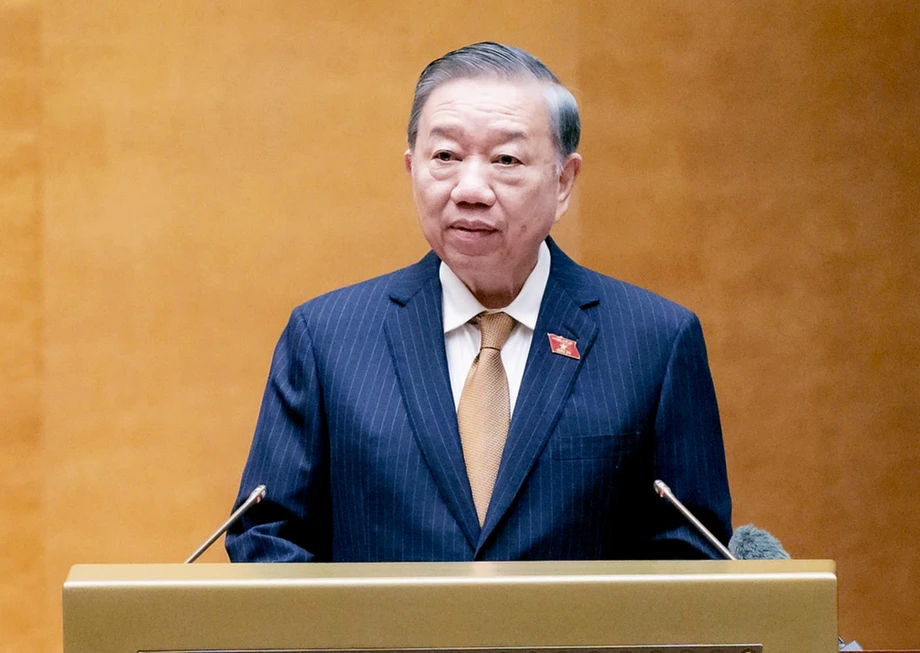
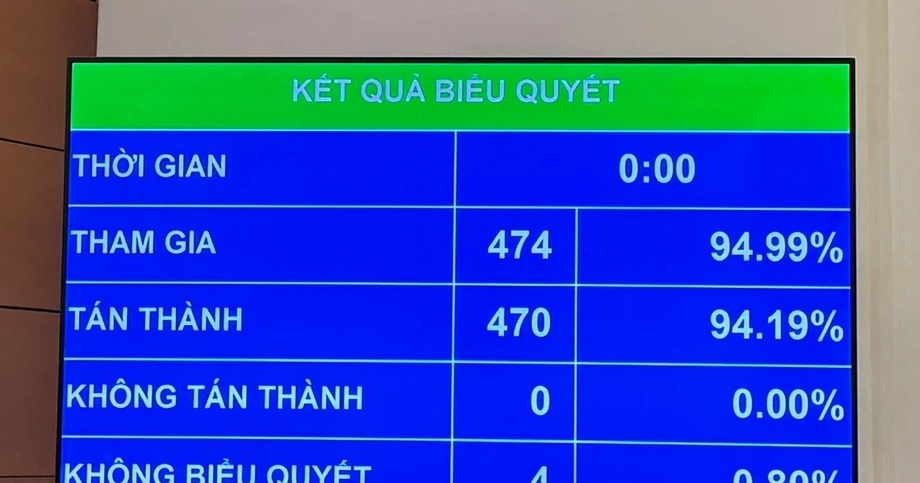
Vietnam's National Assembly has approved a two-year trial allowing courts to recover and handle certain assets linked to crime without first obtaining a criminal conviction against a person. The measure passed on November 21 with 470 of the 474 participating lawmakers voting in favour. The other four did not vote in favour or against.
Contents
- What Vietnam's new asset recovery mechanism allows
- When can prosecutors ask a court to act?
- Which property can be considered?
- How do prosecutors and courts handle a request?
- What happens if the criminal case starts again?
- How common are these proceedings elsewhere?
- Why safeguards matter
- When does the trial begin, and what is its duration?
- Key Points
The mechanism is due to take effect on March 1, 2027. It gives the People's Procuracy, Vietnam's prosecution service, a route to ask a court to decide what happens to property when a criminal case cannot proceed or has ended for specified reasons. The court, not the prosecution service, makes the decision on recovery.
This is an asset focused process: the question is whether the property is connected to crime, rather than whether a particular person can be convicted. A court may consider the request even when there is no criminal judgment convicting the accused. The United Nations Office on Drugs and Crime and the World Bank describe this general approach in their StAR guide as a way to restrain, seize or forfeit crime linked property without a criminal conviction.
Vietnam's trial applies only to cases involving money laundering, crimes that violate the order of economic management, corruption, and other crimes committed by people holding positions or exercising authority. It is not a general power to take property whenever an investigation fails.
When can prosecutors ask a court to act?
The resolution sets out three groups of cases. The first covers a case that was formally opened but the decision to open it was later cancelled because the time limit for prosecuting the crime had expired, the crime was covered by a general amnesty, or the person who carried out the dangerous act had died.
The second concerns investigations or cases paused before a first instance trial. This can happen when investigators have not identified a suspect, or when authorities cannot locate the accused after the relevant procedural time limit. It also covers a suspect or accused person found by a forensic assessment to have a mental illness or a serious illness.
The third group includes cases where an investigation or proceedings before the first trial are stopped because the prosecution time limit has expired, an amnesty applies, the suspect or accused is exempted from criminal responsibility, or that person has died.
The circumstances share a practical problem: criminal proceedings cannot reach a normal conclusion, even though authorities may have grounds to connect assets to an offence. A 2025 guide from the Basel Institute on Governance describes similar procedures in other legal systems as useful when death, flight, illness or an expired time limit blocks a criminal case.
- A case is opened, then the opening decision is cancelled for a reason listed in the resolution.
- A case is paused before trial because a suspect cannot be identified or found, or is seriously ill.
- An investigation or pretrial case is stopped for an expired time limit, amnesty, exemption from criminal responsibility or death.
Which property can be considered?
The resolution covers property for which there are grounds to believe it is connected to crime, provided it is not evidence in the criminal case. It also reaches income, profits and other material benefits produced by that property. The central issue is the link between the asset and the alleged criminal activity.
Property passed on through inheritance, gifts or other transactions may also be considered if the recipient knew, or should have known, that it was linked to crime, or if the transfer was intended to hide or move the property out of reach. This addresses a common way of concealing assets: registering them under the names of relatives or other people.
If the original property has been destroyed or cannot be recovered because of an act by the accused or another related person, prosecutors may ask for property of equivalent value. The resolution separates recovery of the actual asset from recovery of an equal value, and requires the replacement amount to be justified and proportionate.
Property with a lawful origin is outside the mechanism. The announced provisions also exclude evidence items, property already dealt with by a final court decision, ownerless property, and property handled through certain other legal processes. Cases under military jurisdiction are excluded, as are cases already covered by a decision to suspend proceedings.
How do prosecutors and courts handle a request?
The process begins with information, documents and evidence from the agencies handling the criminal case. Those agencies can ask the Procuracy to bring a claim or request that a court resolve the civil matter. The Procuracy is responsible for checking the information, collecting evidence and establishing the grounds for recovery.
The court then considers the claim under civil procedure and issues the decision. Recovery is not automatic just because a criminal case has stalled or ended. A final, legally effective court judgment or decision is required before the property is handled. Property recovered for the state is paid into the state budget or transferred to an authorised agency to manage or dispose of it.
While a court considers the request, the Procuracy may ask for urgent temporary measures to stop property from being moved or hidden. Existing measures such as asset seizure or account freezes in the criminal case remain in effect while the court considers whether to issue a temporary order. The authorities must follow the legal rules on who can request and impose these measures, and on the procedures they must use.
The resolution also sets out protections for owners, people with an interest in the property and innocent third parties. A person who did not know and could not have known that property was crime linked is among those the protections are meant to cover. A recipient who knew, or should have known, of the connection, or took part in a transfer meant to conceal assets, may be treated differently.
What happens if the criminal case starts again?
The civil asset process is designed to work alongside the criminal justice system, not to replace it. If a criminal case is restored and continues, the civil case on the assets is paused while the criminal case is resolved. This is intended to prevent two processes from deciding the same property question at the same time or leading to duplicate recovery.
The StAR guide says asset recovery without conviction should be available when prosecution is impossible or unsuccessful, but should never be used as a substitute for prosecuting a case that can proceed. It also describes the procedure as an action focused on the property, with the property owner or other interested parties able to defend their rights.
The distinction matters for readers: an order recovering property does not itself convict its owner of a crime. The court's task under this mechanism is to decide whether the asset meets the legal conditions for recovery. Criminal responsibility remains a separate question for criminal proceedings.
How common are these proceedings elsewhere?
International figures suggest that asset recovery without a conviction is a meaningful part of efforts to recover proceeds of crime, although different surveys count different cases and outcomes. The U4 analysis of international data says that, as of January 2024, such proceedings made up 19 percent of 566 cases in the Stolen Asset Recovery Initiative's database. They represented an estimated 29 percent of the value returned, or $2.9 billion of $10.1 billion.
A 2021 survey by the Stolen Asset Recovery Initiative found that these proceedings accounted for 28 percent of reported international asset recovery cases. When freezes were excluded and only confiscations and returns were counted, they accounted for 46 percent of confiscation value and 34 percent of return value. A 2023 United Nations Office on Drugs and Crime survey put them at 30 percent of reported international recovery cases.
The Basel Institute's October 2025 guide cites a United Nations estimate that about 30 percent of cross border confiscation comes through this type of process. It also gives country examples: the United Kingdom recovered £650 million through its mechanism between 2019 and 2024, about one third of all its recoveries in that period. In Germany, more than €10 million was confiscated from two companies after the time limit for continuing criminal proceedings had expired.
These numbers come from different datasets and periods, so they describe separate snapshots rather than one single global total. They show why governments use the mechanism when a criminal conviction cannot be secured, while also leaving questions about its precise effectiveness open: national use is not consistently recorded, and the U4 analysis says more detailed data is needed.
Why safeguards matter
Taking property through a court process without a criminal conviction can help prevent people from keeping gains when death, flight or illness blocks prosecution. It also gives authorities a way to address assets transferred to someone who knew, or should have known, where they came from. International guidance points to the same potential benefits, while warning that the process needs clear rules and effective judicial oversight.
The U4 analysis stresses that these proceedings should be coordinated with criminal cases and that independent courts and due process protections are essential. The Basel Institute guide likewise lists clear and foreseeable laws, a fair chance for affected people to take part and present evidence, and safeguards for innocent third parties. Without such protections, a power to take assets can threaten property rights and fair trial rights, particularly where courts lack independence.
Vietnam's resolution assigns the Procuracy the duty to establish the grounds for recovery and gives interested parties a role in the proceedings. It also requires asset freezes and seizures to follow proper authority and procedure. The practical test will be whether courts can apply these rules consistently while protecting lawful owners and recovering assets that meet the legal standard.
When does the trial begin, and what is its duration?
The resolution takes effect on March 1, 2027, and the trial mechanism runs for two years. It does not apply to criminal acts that took place before midnight at the start of that date. If a matter remains unresolved when the trial period ends, the same resolution continues to govern that matter until it is concluded.
The timeline limits the scheme to conduct occurring from the start date and gives the authorities a defined period to test its operation. The resolution's continuation rule means cases already under way will not simply stop when the two year trial expires.
Key Points
- The National Assembly approved the measure on November 21, with 470 of 474 participating lawmakers voting in favour.
- From March 1, 2027, courts may consider crime linked assets without a criminal conviction in specified money laundering, economic, corruption and official misconduct cases.
- The Procuracy must establish grounds for recovery; courts decide whether assets qualify.
- Innocent third parties and lawful property are protected, and a revived criminal case pauses the civil asset process.
- The trial lasts two years, does not cover conduct before its start date, and continues to govern unresolved cases until they finish.