A major change to how land is valued and acquired
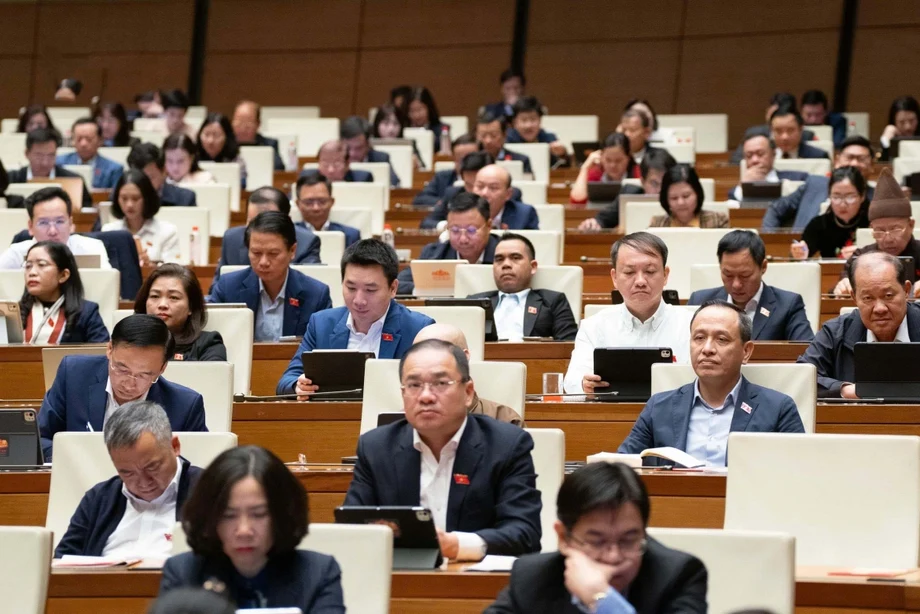
Vietnam's National Assembly approved revisions to the Land Law on Nov. 21, 2026, with 466 of 479 deputies voting in favour. Five voted against and eight did not vote. The law takes effect on July 1, 2027, while its new land price lists and adjustment rates will apply from Jan. 1, 2028.
Contents
- A major change to how land is valued and acquired
- When can authorities take land before compensation is approved?
- What must people receive when land is taken?
- How will the new land prices be set?
- What happens to projects that leave land idle?
- How will land planning and ownership records change?
- Which issues remain under review?
- Key Points
The changes reach beyond prices. They set new conditions for taking land for public projects, change what people should receive when land is taken, and add support intended to help affected households restore their income and daily lives. They also give provincial authorities a central role in approving land prices and deciding whether particular projects meet the test for compulsory acquisition.
For people whose land is involved, one of the biggest practical changes is a new option for certain priority projects: authorities may issue an acquisition decision before the compensation plan is approved if no resettlement is required and the plan has been made public. The law also sets safeguards, including rules on when that faster process can be used and a requirement to plan livelihood support for at least three years.
When can authorities take land before compensation is approved?
Under the earlier process, compensation plans generally had to be approved before land could be acquired. The revised law allows an earlier decision in specified cases if the affected households do not need to move and the compensation plan has already been disclosed to the public. The provision covers nationally important projects, urgent public investment projects and cases in which more than 75% of affected land users agree.
Compulsory acquisition for economic and social development projects serving national or public interests must also meet necessary and sufficient conditions, including that taking the land is truly necessary. The provincial People's Council must determine whether those conditions are met in each case. The law lists project types eligible for acquisition, including certain public facilities, infrastructure, social welfare projects and urban or rural development.
A project that qualifies for state acquisition may still use a negotiated route in some circumstances. If it does not use state budget funds and the investor chooses to negotiate directly with land users, the parties can agree on the transfer of land use rights rather than ask the state to take the land.
Chris Luong, a partner at CNC Counsel, said the early decision provision is intended to help priority projects proceed while keeping procedural protections in place. He described its purpose this way:
From a technical standpoint, the provision appears designed to facilitate timely implementation of priority projects while retaining procedural safeguards.
The change could matter for large developments where negotiations over compensation have delayed work. A proposed $28 billion redevelopment along Hanoi's Red River could affect about 280,000 people. The new process may also apply to some agricultural land projects, where households are less likely to need relocation than in projects involving homes.
What must people receive when land is taken?
The law sets an order for compensation. Authorities should first offer land with the same permitted use as the land taken. If that is not available, they may offer land for a different use or a home, provided the local authority has land or housing available and the affected person wants that option. Cash is generally the final option, with separate rules for cases involving homes and residential land.
People whose homes are taken may be able to exchange the affected residential land for land elsewhere in the same commune, including other land they own, if planning rules allow it. If the remaining part of a plot is too small or awkwardly shaped to use, the owner can seek to transfer it, combine it with another plot or divide land under the specified conditions. Some such transactions are exempt from land related fees and charges.
Resettlement areas must have basic technical and social infrastructure and suit local conditions and customs. The law gives priority to resettlement in the same area where possible. If a household must be moved, authorities may not enforce the acquisition decision until they have provided the approved resettlement home or temporary accommodation.
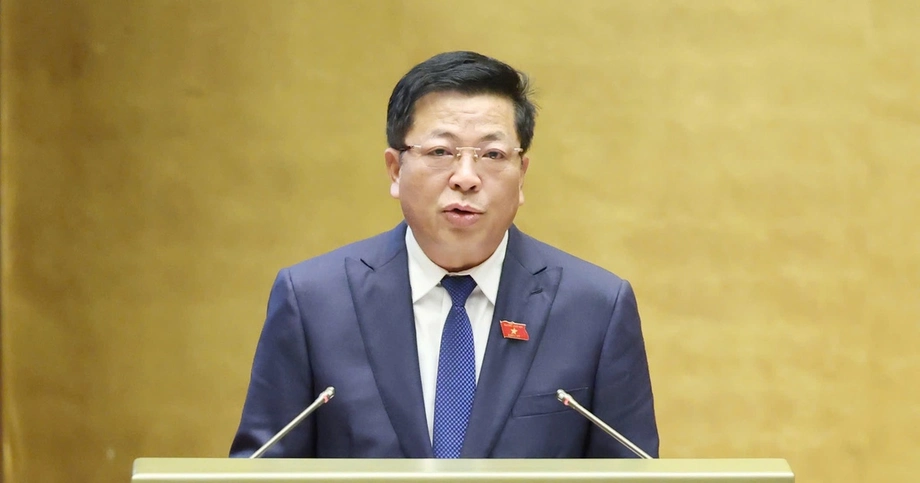
Compensation plans must estimate the cost of livelihood recovery support for at least three years after the acquisition decision. The Agriculture and Environment Minister, Trinh Viet Hung, told lawmakers that the law adds stronger resettlement protections, livelihood assistance and expanded vocational training. Local authorities are also expected to assess affected people's income and employment so support can address job losses or falling earnings.
For delayed payment of approved compensation, the law provides for an additional payment calculated under the rules for late tax payments. The aim is to make the consequences of late payment clearer for the agency responsible.
How will the new land prices be set?
The law places land valuation under state rules and calls for decisions to use land data and relevant specialist information. Valuation must account for factors such as land type, length of use and other conditions that affect price. It must also follow set procedures and be open and transparent, while balancing the interests of the state, land users and investors.
Instead of the previous system's specific land prices and use of land valuation consultants, the revised approach relies on provincial price lists and adjustment rates. A price list sets values by land type, area and location. An adjustment rate changes those values to reflect differences such as infrastructure, planning and location.
Provincial People's Councils will decide the lists and adjustment rates every three years. Provincial finance agencies will lead the drafting process with relevant departments, then submit proposals for review by provincial authorities and a decision by the council. The figures will be used in matters including state revenue from land, auction starting prices and compensation when land is taken.
The new system does not begin immediately. Land price rules under the 2024 Land Law and Resolution 254 continue to apply through Dec. 31, 2027. The revised law's price lists and adjustment rates are scheduled to take effect the following day, Jan. 1, 2028.
What happens to projects that leave land idle?
Investors whose projects fail to use land or fall behind schedule may face additional land use or land rental payments. The extra charge applies to the portion of a project's land that is not being used or is behind schedule, rather than automatically applying to the whole site. It can continue until the project is terminated.
Delays caused by force majeure or other objective obstacles are excluded. The measure gives the state a financial response to land that is tied up in stalled projects, rather than relying only on taking the land back.
The revised law also removes a rule that made the progress of land use and investment a basis for deciding whether to allocate or lease land for an investment project. The government has asked to set rules by decree for handling rent already paid when a lease changes from a one time payment to annual payments, saying existing budget law does not settle the issue.
How will land planning and ownership records change?
The law moves toward one common planning framework for each area. Provinces will no longer prepare separate land use plans; land use arrangements will instead form part of the provincial plan. Communes will not make separate land use plans either. Their land use plans will put the wider framework into practice and track local land management, drawing on provincial, urban, rural and sector plans.
More households and individuals may be considered for land use certificates, the documents commonly used to record land rights. This includes people who received land through a transfer before Aug. 1, 2024, but did not complete the formal transfer paperwork, if they meet the law's conditions. The law also sets a principle for issuing certificates for buildings or other assets attached to land when the asset owner does not hold the land use right.
Rules on foreign parties distinguish between types of ownership. The law retains land use rights for certain foreign invested businesses and other recognized groups, while foreign individuals are not recognized as land users. The provisions on certificates for assets are intended to work alongside housing and real estate rules.
Which issues remain under review?
The proposal to let people mortgage lease rights when they pay land rent annually will be studied further. The government said it had not yet assessed the effects of that new policy enough to put it into the law.
The timing and valuation method for land used to pay investors in build transfer projects are also still being examined. The Finance Ministry has been assigned to assess the issue for possible changes to the law on public private partnerships. The law's transition provisions are intended to prevent legal gaps, while the government may set additional transition details by decree.
The revised notary rules are scheduled to take effect earlier than the main land law, on Jan. 1, 2027. They define transactions requiring notarization as important transactions that need strict participation conditions and a high level of legal security.
Key Points
- The National Assembly approved the law on Nov. 21, 2026, with 466 votes in favour out of 479 deputies.
- The main provisions take effect July 1, 2027; new provincial land price lists apply from Jan. 1, 2028.
- Some qualifying projects may receive an acquisition decision before compensation plans are approved, if no relocation is needed and plans are public.
- Compensation prioritizes replacement land or housing where available, with livelihood support planned for at least three years.
- Provincial councils will decide land price lists and adjustment rates every three years.