A dance that crossed the stands
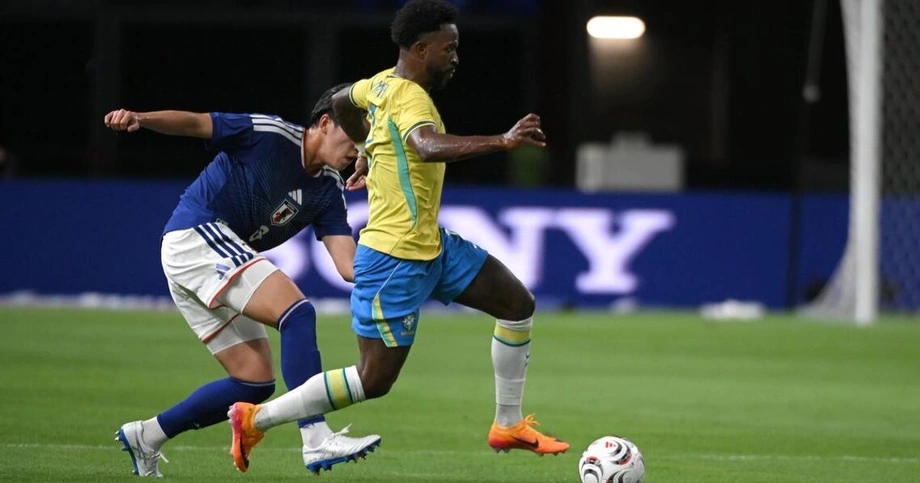
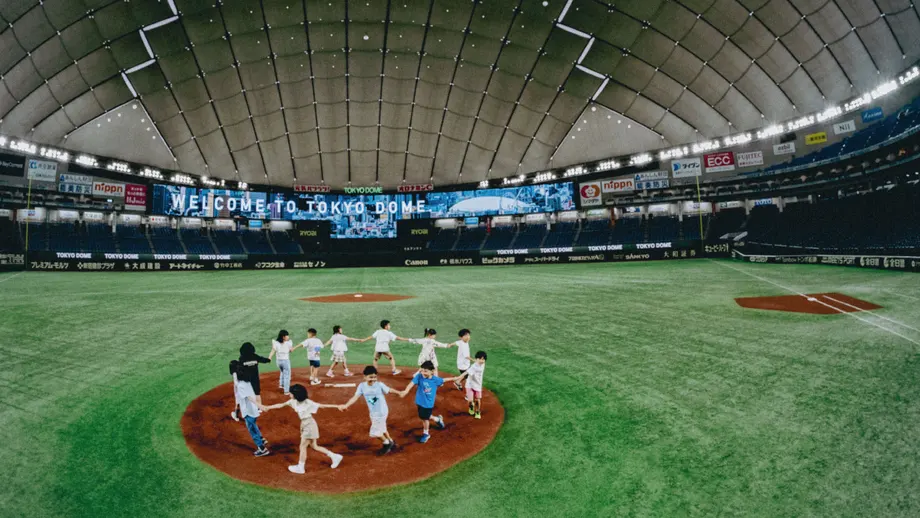
On Nov. 12, at Tokyo Dome, Taiwan cheerleader Juicy became a surprise star during the Asian Professional Baseball Championship. As Taiwan played Japan, the Fubon Guardians cheer squad's leader danced on a platform in the infield, drawing attention from Japanese fans and social media users. Some fans said they hoped to visit Xinzhuang Stadium in Taiwan next year to see him cheer again.
Contents
Juicy's sharp moves and playful gestures stood out among the squad's dancers. Videos of his performance spread on X, where one post drew more than 180,000 views and 3,600 likes. Many viewers praised his energy and said they wanted to see more of the performer wearing number 111.
Juicy told Japanese media he was surprised by the warm reaction. He thought people might like his way of cheering, or perhaps his body, he joked. He said it was his first time cheering at an international tournament. Though Taiwan lost to Japan that night, the squad tried to soften the disappointment by making the stands feel like a party and inviting fans to join in.
The reaction grew beyond the game. Japanese supporters who joined the dancing helped create a shared moment between fans of the two teams, even as the score favored Japan. Juicy said he was glad that cheering together might ease some of the pressure people carry in everyday life.
What happened in the Japan game?
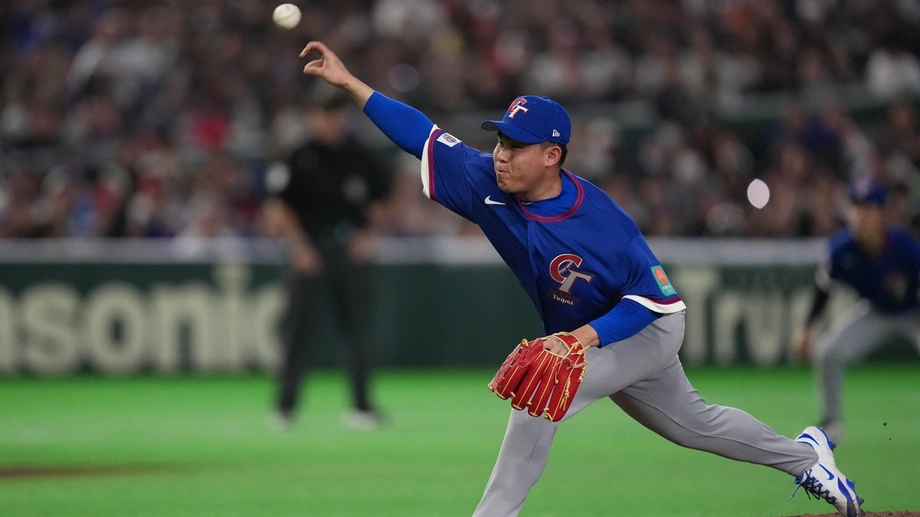
The game began at 7 p.m. and ended at 9:36 p.m., lasting two hours and 36 minutes. The official game record lists 26,210 people in attendance. Japan's Kanamaru was the winning pitcher and Taiwan's Lin Tzu-wei took the loss.
Japan's Masaki hit solo home runs in the first and third innings, both off Lin. Muneyama added another solo home run in the ninth inning, against Lu Meng-yang. Those home runs provided clear highlights in a game where Taiwan's supporters had another reason to keep their spirits up: their cheer squad was being noticed far beyond the Taiwanese section.
For many international games against Japan, Taiwan's cheering section has been placed in the outfield. At this tournament, organizers set up a stage and standing area in the infield, drawing on the style of cheering used by teams in Taiwan and South Korea. The platform was still some distance from the players' dugouts, but it put the cheer squad where more spectators could see it.
How did Juicy become a cheer leader?
Juicy studied music at Chinese Culture University in Taipei, earning a master's degree. He learned music from childhood, plays the flute and has experience with stage plays and musicals. Performing appealed to him because he enjoys seeing an audience respond in real time.
He had once hoped to work at an amusement park, where performers can interact closely with visitors. When opportunities in that line of work became less common, he saw cheerleading as another way to share a performance directly with an audience. Smiles from fans, he said, are a big part of what he enjoys about the job.
Juicy has been part of a baseball cheering squad since 2022. He grew up going to games with his father, though he has said he does not play baseball himself. At Fubon, he is also friendly with pitcher Shunsuke Suzuki, who played in Japan's independent leagues before joining the Taiwanese team. The two joke together in Japanese; Suzuki teases Juicy by calling him a steamed bun, and Juicy answers that he is a person.
Why does he speak Japanese?
Juicy's Japanese came in handy in Tokyo. He had attended a short term Japanese language course in Japan and has also visited the country for personal trips about three or four times a year. He began learning the language because he likes Japanese pop idols and their culture.
He has said that he used to be especially fond of Natsumi Abe, formerly of Morning Musume, and now likes Hello! Project performers broadly. His interest helped him speak with Japanese reporters and fans during the tournament, turning a dance that had caught people's eyes into a chance to chat with them, too.
Juicy's work also brings him into contact with Japanese players and fans. His ease with the language helped make the interaction feel personal: he could respond directly to people who had seen the videos and wanted to tell him what they thought.
How did the tournament unfold for Taiwan?
Taiwan's loss to Japan was one part of a tournament that continued over several days. On Nov. 13, Taiwan beat Australia 6-4. Japan went on to win the championship for a third consecutive time, while Taiwan finished last in the standings.
The cheering was not limited to one game. Juicy said he had expected Japanese fans to support their team with loud calls, often from the outfield. He was delighted to see some fans join the Taiwan squad's dancing instead. That response helped the squad keep the atmosphere upbeat after a defeat and gave visiting supporters a way to take part even if they were unfamiliar with Taiwan's chants.
For fans in the stadium, the performance offered a different kind of connection from the action on the field. Baseball has a winner and a loser, but a dance can invite people from both sides to participate at once. Juicy said he appreciated the Japanese fans' kindness and was happy to see them enjoy the moment.
What did Juicy tell fans after returning home?
After returning to Taiwan, Juicy used Threads to thank Japanese fans. In a post on Nov. 16, he said he had received their kindness and felt happy to have met them. He also thanked people who had raised their voices alongside Taiwan's cheer squad to support the team.
Juicy said he does not use X, the platform where many of the tournament videos circulated. He invited fans to keep in touch through Instagram and Threads instead. By Nov. 18, he had posted that he was safely back in Taiwan and repeated his thanks to the people who had welcomed him.
Juicy's message was simple: he had felt the fans' warmth and was grateful. Japanese supporters, meanwhile, had begun talking about a possible next meeting at Xinzhuang Stadium, the Fubon Guardians' home ground. No specific visit or game date was announced.
Why the moment reached beyond one viral clip
Juicy's popularity came from more than a striking image. His performance mixed confident dancing with a welcoming style that encouraged people to join in. His Japanese language skills gave him a way to answer the attention himself, while his background in music and live performance helped explain why audience reactions matter so much to him.
The attention also connected two baseball cultures. Taiwan's infield platform gave its cheer squad a visible place at Tokyo Dome, and Japanese fans responded to a performer who made cheering feel open to everyone around him. Their interest in visiting Xinzhuang next year shows how a short tournament appearance can create a lasting link between a player's home crowd and people who first encountered him as a visitor.
Key Points
- Juicy, the Fubon Guardians' cheer squad leader, drew strong attention for dancing during Taiwan's Nov. 12 game against Japan at Tokyo Dome.
- The game drew 26,210 people, lasted two hours and 36 minutes, and included three solo home runs by Japanese hitters.
- Juicy studied music, has performed in stage productions and has worked as a cheer squad member since 2022.
- He thanked Japanese fans after returning to Taiwan and invited them to follow him on Instagram and Threads.
- Some Japanese fans said they hoped to see him cheer at Xinzhuang Stadium next year.