A nearly 25 year old law is set for a major review
Indonesia aims to prepare a revision of its 2002 State Defense Law for submission to parliament in early 2027, as officials weigh how the country's defense rules should respond to shifting geopolitics, new military technology and cyber threats. Defense Minister Sjafrie Sjamsoeddin is seeking an explicitly stated strategy of active defense, focused on protecting Indonesian territory and national interests rather than attacking other countries.
Contents
- A nearly 25 year old law is set for a major review
- What does the current law cover?
- How did the plan reach this stage?
- Why does the TNI law matter to the review?
- What does active defense mean in this debate?
- What other changes could shape the discussion?
- Why was Yusril asked to help?
- What happens next in parliament?
- Key Points
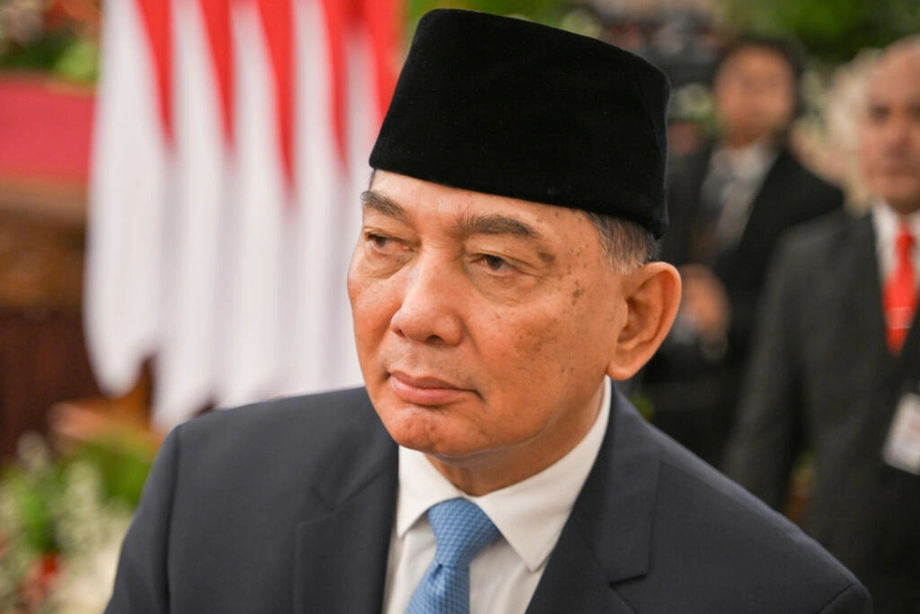
Coordinating Minister for Law, Human Rights, Immigration and Corrections Yusril Ihza Mahendra met Sjafrie at the Defense Ministry in Jakarta on Friday, Nov. 20, 2026. Yusril said Sjafrie had asked him to help speed up preparation of the bill. The technical work in parliament is expected to involve the law and defense ministers in their respective roles.
The proposed schedule has two stages: officials hope to finish an initial formulation by the end of 2026, then take the bill to parliament early the following year. The proposal is still at the coordination stage. Deputy House Speaker Sufmi Dasco Ahmad said a formal revision proposal had not yet reached the House, and parliament would begin discussing it through its procedures once it does.
Yusril, who was justice and human rights minister when the 2002 law was introduced under President Megawati Sukarnoputri, said the rules need to catch up with changes over the past quarter century. He cited changing geopolitical conditions, military technology, cyber conflict and artificial intelligence.
"With changes in geopolitics, developments in military technology, cyber war and AI, the Defense Law also needs to be changed," Yusril said.
The potential revision is therefore both a legal update and a debate over how Indonesia describes its defense goals. The details will matter to the armed forces, lawmakers and the public because the law sets out how the state organizes and supports national defense.
What does the current law cover?
Law No. 3 of 2002 took effect on Jan. 8, 2002, and remains in force, according to the government's Law No. 3 of 2002 record. It replaced two earlier laws, from 1982 and 1988. Its stated purpose is to protect Indonesia and its people, while setting out a national defense system based on the Constitution and other legal principles.
The law addresses more than the armed forces. It covers the organization and management of the defense system, the development of defense capabilities, oversight and funding. It also provides for reserve and supporting components, national resources that can contribute to defense, and the role of the Indonesian National Armed Forces, known as the TNI.
In everyday terms, the law is a framework for deciding who is responsible for defense and what people, resources and institutions may be involved. The existing statute also says that reserve and supporting components, mandatory basic military training and service based on professional skills are to be regulated through legislation. A separate 2019 law on managing national resources for defense addresses state defense efforts and those reserve and supporting components.
That broad scope helps explain why officials are discussing coordination between the Defense Ministry and parliament before a bill is formally submitted. A change to the framework could affect how defense plans are organized and how the government and lawmakers oversee them. The precise provisions proposed for revision have not been made public as a formal bill.
How did the plan reach this stage?
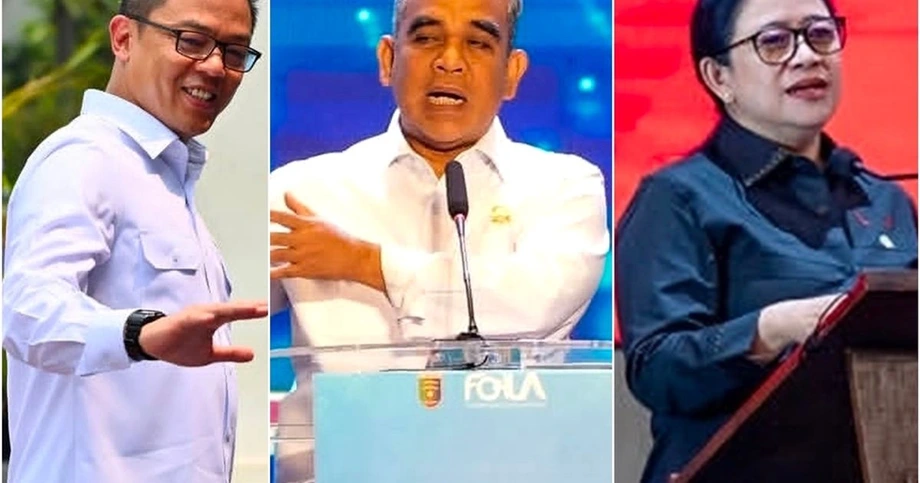
Sjafrie held discussions at parliament on Thursday, Nov. 19, with Dasco and House Commission I Chairman Utut Adianto. Commission I handles defense matters. The next day, Sjafrie met Yusril at the ministry to discuss preparation of the revision.
Dasco said Sjafrie had contacted him and Utut about possible revisions to both the State Defense Law and the TNI Law as parliament prepared to discuss its National Legislation Program, or Prolegnas. Prolegnas is the list of proposed laws parliament plans to consider. Dasco said the talks were routine coordination between government and parliament, and that no political issues were discussed.
He also stressed that one meeting could not amount to approval on behalf of the House. Decisions must follow institutional steps, including discussions among House leaders and the relevant bodies. Dasco said he supported a revision in principle if it would strengthen national defense, while making clear that the House must decide collectively.
The timeline so far is:
Jan. 8, 2002: The current State Defense Law took effect.
March 26, 2025: Indonesia enacted changes to the TNI Law.
Nov. 19, 2026: Sjafrie coordinated with Dasco and Utut at parliament.
Nov. 20, 2026: Sjafrie met Yusril at the Defense Ministry.
End of 2026: Sjafrie hopes an initial formulation of the revision will be ready.
Early 2027: The government aims to submit the bill to parliament.
Why does the TNI law matter to the review?
Yusril argued that the defense framework should be brought into line with changes in related laws. The TNI law dates from 2004, and it was amended in 2025. The official 2025 TNI amendment changed provisions on the military's position and duties, the placement of service members in ministries and other state institutions, and the ages at which personnel may serve.
The legal connection is practical: one law describes the wider national defense system, while the TNI law sets rules for the armed forces. When rules governing the military change, lawmakers may need to check that the broader defense framework still fits. Yusril said the State Defense Law also needs to reflect current needs and developments in defense regulation.
A second related statute is the 2019 law on managing national resources for defense. Its provisions include state defense efforts and reserve and supporting components, subjects that the 2002 law says require further legal rules. The government's 2019 resource law shows that defense policy already draws on a wider set of laws than the main defense statute alone.
Together, these laws cover different parts of the system. Any revision to the 2002 framework will need to be considered alongside the rules that now govern the TNI and the use of national resources for defense.
What does active defense mean in this debate?
Sjafrie and Utut have described the proposed direction as active defense. They say the strategy should be written clearly into the law, with the purpose of protecting the country's territory and national interests, including in border areas, rather than conducting attacks on other countries.
Active defense, as the officials describe it, combines readiness with a defensive purpose. The word "active" points to being prepared to protect the country; it does not mean the strategy is intended to seize territory abroad. Utut said Indonesia's defense posture should remain focused on safeguarding the country and its interests.
Utut, speaking as chairman of House Commission I after meeting Sjafrie on Nov. 19, said the revision was an early idea to make Indonesia more prepared for current conditions. He said the posture was not intended to be offensive.
"Besides being more prepared, the posture is not for an offensive purpose. Once again, the posture is not for an offensive purpose. We have said it is more about protecting ourselves," Utut said.
Sjafrie said the active defensive strategy is not stated explicitly in the existing law. Putting it into legislation, he argued, would give the policy a clearer legal basis. That is one proposed subject for the revision, not yet an approved provision in a bill.
What other changes could shape the discussion?
Yusril pointed to artificial intelligence and advances in military technology as reasons to revisit the law. Sjafrie has also drawn attention to developments in the global defense industry, including AI and unmanned combat systems such as drones. Those technologies can affect how military forces gather information, communicate and operate, although officials have not yet published a formal list of changes they want to make.
The discussions also come as the Defense Ministry and Commission I plan to form working groups with experts from each side. The teams are expected to help develop the concepts and wording before the proposal enters the House's formal process. Their work will sit between the early political coordination already under way and the legislative debate that can follow a formal submission.
One separate defense program raised in the discussions is the planned Territorial Development Infantry Battalion program. The target is 514 battalions, one in each district or city, according to the account of the meeting. Sjafrie said parliamentary oversight of defense programs is important, while Utut said the proposed legal revision itself is not aimed at an offensive posture. The battalion target is a program discussed alongside the law revision, not a provision already set out in a new bill.
At this stage, the exact text of the revision, its full list of subjects and the date of formal submission remain undecided. Dasco said he could not discuss the substance because no official proposal had reached the House. The next milestone officials have named is completion of an initial formulation by the end of 2026.
Why was Yusril asked to help?
Yusril's involvement reflects his past role in the creation of the 2002 law. He said Sjafrie asked him to assist with preparation and discussion because Yusril had been justice and human rights minister when the earlier bill was brought forward during Megawati's presidency. Yusril agreed to help, while saying that technical discussions in parliament would involve the current law and defense ministers according to their duties.
The meeting also had a personal dimension. Yusril said he and Sjafrie had known each other since the 1990s. Yusril was then an assistant to the state secretary, while Sjafrie served as Jakarta military commander. They also shared experience during the May 1998 riots and the final weeks of President Suharto's rule.
Yusril rejected speculation that the meeting covered a possible vice presidential candidate. He also said they did not discuss wiretapping or treason. According to Yusril, questions about those matters belong to police law enforcement, while his ministry's role concerns the application and interpretation of the Criminal Code and the Electronic Information and Transactions Law.
Those denials draw a boundary around the meeting's stated purpose: preparing a defense law revision, not discussing political appointments or unrelated legal controversies. The public discussion of the bill has so far centered on the law's age, changes in technology and geopolitics, and the proposed active defensive strategy.
What happens next in parliament?
The government still needs to turn its early discussions into a formal proposal. Once submitted, the House can consider it through its legislative procedures, with the relevant commission and House bodies involved. Dasco said the revision must pass through those institutional steps and that he could not speak for the House alone.
The work planned by the Defense Ministry and Commission I may give the first detailed picture of the bill's contents. Until then, active defense, cyber threats, AI, drones and alignment with the amended TNI law are themes raised by officials, rather than settled legal text. The target is to finish an initial formulation by the end of 2026 and move the proposed bill into parliament in early 2027.
Key Points
Indonesia aims to submit a revision of the 2002 State Defense Law to parliament in early 2027.
The government hopes to prepare an initial formulation by the end of 2026, but no formal proposal has reached the House.
Defense Minister Sjafrie and Commission I Chairman Utut have proposed spelling out an active defensive strategy focused on protecting Indonesian territory and national interests.
The 2002 law remains in force and covers the wider defense system, including resources, oversight and funding.
Officials cite changing geopolitics, military technology, cyber threats and AI as reasons for review. The final bill's wording and full contents remain undecided.