A House petition is 74 signatures short of a vote
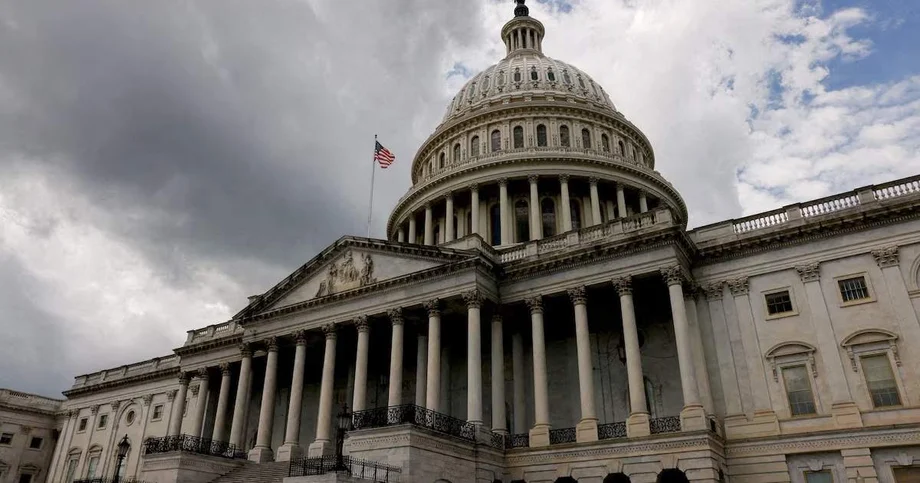
A petition seeking a House vote on temporary deportation protection for Afghans had 144 signatures, including 141 Democrats and three Republicans, according to the latest count in the House of Representatives. Filed by Colorado Democrat Jason Crow on November 9, it needs 218 signatures, a majority of the House, to advance.
Contents
The petition targets House Resolution 1596, a proposed rule that would let lawmakers consider the Afghanistan TPS Act of 2026, H.R. 9899. The bill would restore Temporary Protected Status, or TPS, for eligible Afghan nationals through July 1, 2029. TPS allows people from designated countries to remain and work temporarily in the United States while conditions at home make return unsafe.
The count has climbed quickly. It stood at 114 on November 16 in accounts published that day, and at 143 in a November 19 post by the Special Operations Association of America. The latest figure of 144 leaves 74 more members to recruit. Vermont Democrat Becca Balint, who signed, said on November 19 that her state has the largest Afghan resettled population relative to its population among US states and that she was proud to support Afghan allies.
Reaching 218 would open a path to consideration, not make the bill law. The House would still have to act on the rule and the bill, and the Senate and president would also have a say.
What would the Afghanistan TPS Act do?
Crow introduced H.R. 9899 on July 23 with support from Democrats Sam Liccardo and William Keating and Republicans Maria Elvira Salazar and Don Bacon. The bill would restore Afghanistan's TPS designation until July 1, 2029, for Afghans who meet its conditions, including continuous presence in the United States since the law's enactment.
Eligible people would be protected from deportation and could apply for permission to work. They would need to provide identity and biometric information and pass criminal and national security checks. The bill directs the Department of Homeland Security to decide on TPS and work authorization applications generally within 90 days. In specified circumstances, the department could take up to 150 additional days.
TPS is temporary protection, not a green card or a permanent immigration status. It could give eligible Afghans time to pursue other routes, such as asylum or a Special Immigrant Visa, while allowing them to live and work in the country without fear of removal during the protected period. The bill would not itself reunite separated families or decide pending immigration cases.
Why are Afghans seeking protection now?
The Trump administration ended Afghanistan's TPS designation in 2025. The termination took effect on July 14, ending protections that had allowed Afghans to remain and work legally. Estimates of the affected population vary: the Department of Homeland Security put the number at roughly 11,000 before the revocation, while other accounts have described about 12,000 people as protected. The advocacy group backing the bill says it would cover more than 8,000 Afghans.
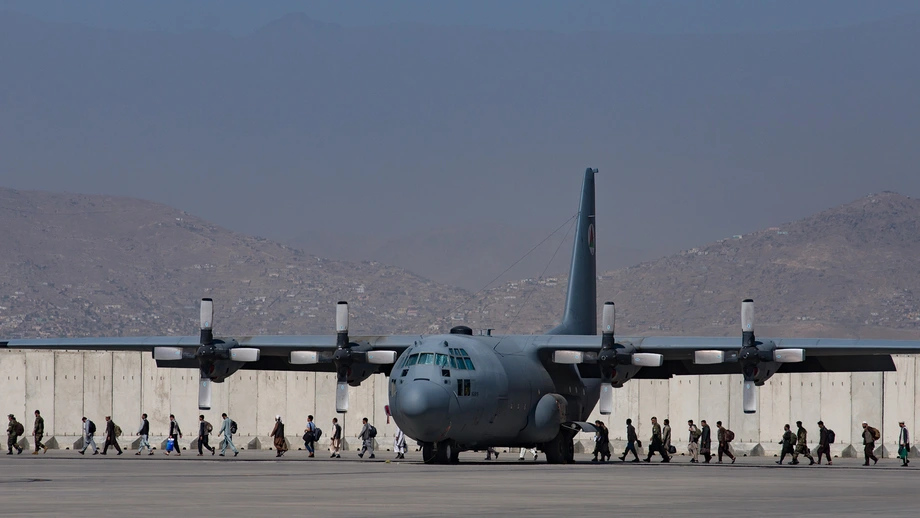
Afghanistan received TPS designation in May 2022, after the US withdrawal and the Taliban's return to power. About 74,000 Afghans were airlifted to the United States during Operation Allies Welcome. Many arrived on humanitarian parole, a temporary permission to stay, and sought longer term status through asylum or special visas. The prior parole extensions expired in fall 2025 without another extension, according to the Special Operations Association of America.
Some Afghan allies who worked with US forces or diplomats are waiting for Special Immigrant Visas. These visas provide a route to permanent residence for certain people who served the US government. A report by #AfghanEvac said the State Department had issued three Afghan special visas that year, while nearly 6,000 visas authorized by Congress remained unused. The International Refugee Assistance Project said the United States resettled three Afghans as refugees in fiscal year 2026.
Pending cases add to the wait. The Special Operations Association of America cited an immigration court backlog of more than three million cases, including more than 2.25 million awaiting asylum decisions. Some Afghans who supported US forces are also ineligible for a special visa because they worked for the former Afghan government rather than directly for the US government.
How does a discharge petition work?
A discharge petition is a way for House members to try to move a measure out of committee when committee leaders have not advanced it. The House process is deliberately difficult: a measure generally must have spent at least 30 legislative days in committee before members can seek to discharge it. Crow's petition is aimed at the proposed rule, H.Res. 1596, rather than directly at H.R. 9899.
The Congressional Research Service's procedure guide explains that a petition reaching 218 signatures is placed on the discharge calendar. After seven legislative days, a signer may give notice that they intend to bring the discharge motion forward. The Speaker must then schedule House consideration within two legislative days. A legislative day usually matches a day the House meets, though a recess can make one legislative day span more than one calendar day.
The discharge motion receives 20 minutes of debate, split equally between supporters and opponents. If the House adopts it, members can consider the special rule. If that rule passes, the House can proceed to the bill under the terms it sets for debate and amendments. At 218 signatures, the list of signers is locked and members cannot withdraw their names.
That sequence matters: the 218th signature would not itself trigger a final vote on TPS. Members would still need to pass the discharge motion and the rule, then pass the underlying bill. The House procedure is one reason a petition can build pressure without guaranteeing the result its supporters want.
What has happened so far?
- May 2022: The Biden administration designated Afghanistan for TPS.
- July 23, 2026: Crow introduced the Afghanistan TPS Act of 2026, H.R. 9899.
- November 9: Crow filed a discharge petition targeting H.Res. 1596.
- November 11: Veterans, former diplomats, advocates and Afghan allies marched from the Lincoln Memorial to the Capitol after several days of lobbying lawmakers.
- November 16: The petition had 114 signatures in accounts published that day.
- November 19: The Special Operations Association of America reported 143 signatures; the latest House count cited here is 144.
The petition has attracted support from both parties, though Democrats make up most of its signers. Maine Democrat Jared Golden became the 109th signer, according to his office. He said Afghans who helped US troops and diplomats deserve a chance to build safe lives in the United States.
What risks do Afghan allies face?
Afghans whose TPS ended may face deportation if they lack another legal status. The administration has pursued removals involving Afghan nationals through Pakistan, but a federal judge intervened to stop a deportation flight prepared for more than 150 people, according to accounts of the case. A flight scheduled for November 16 was also canceled. Court filings indicated another flight could be arranged in December; a date had not been announced.
Removing someone to a country where they have no ties, with the expectation that they will then be sent to a place where they face harm, is known as refoulement. International law prohibits that practice. The US State Department's travel advisory for Afghanistan is at its highest warning level, advising against travel there.
Colorado Representative Jason Crow, a former Army Ranger and paratrooper who served in Afghanistan, described the effort as a matter of both duty and national security. In a statement, Crow said:
After more than two decades of war, we made a promise that we'd look after them. It's both a moral and national security imperative that we keep that promise.
Afghan evacuees and veterans have also spoken about relatives separated by the delays. The TPS bill would not bring family members still in Afghanistan to the United States, but supporters say protection from removal would give people already in the country more stability while their other applications are considered.
What might happen next in Congress?
Supporters must first find 74 additional signers to reach the threshold. If they succeed, the discharge process still requires further House steps before H.R. 9899 could be considered. Even a House vote in favor would leave the bill to pass the Senate and receive presidential approval before becoming law.
The bill faces political obstacles beyond the petition. Republicans control the Senate, and the president could veto legislation. Overriding a veto requires a two-thirds vote in both chambers. The petition's sponsors are therefore seeking a House vote, while recognizing that a vote alone would not guarantee the protections take effect.
For Afghan allies who are waiting on visas or asylum decisions, timing is central. Supporters argue that TPS could provide a temporary legal bridge while those processes move forward. No House vote date has been set, and the petition had not yet reached 218 signatures in the latest count.
What supporters say is at stake
Andrew Sullivan, executive director of No One Left Behind, an organization that advocates for Afghan allies, argued that honoring commitments made during the war also matters to future partnerships. Sullivan told the Special Operations Association of America:
A country's word contributes to its security.
The organization cited a survey in which 77% of voters and 84% of veterans supported the Special Immigrant Visa program after learning what it involves. It also reported that 70% of veterans and 68% of voters favored reopening the program. Those figures concern public views on the visa program, while the bill before the House would restore temporary protection for eligible Afghans already in the United States.
Key Points
- The House petition had 144 signatures and needs 218, leaving 74 to go.
- The petition seeks consideration of H.R. 9899 through proposed rule H.Res. 1596.
- The bill would restore TPS through July 1, 2029, for eligible Afghans and allow them to seek work authorization.
- Reaching 218 signatures would begin further House procedures, not approve the bill.
- The bill would still need to pass the House and Senate and receive presidential approval.