A membership anniversary meets an unresolved question of representation
On November 19, 2026, Afghanistan marked 80 years as a member of the United Nations. The country remains in the organization, but the UN has not accepted the Taliban's nominee to represent it. Instead, diplomats appointed under the former Afghan government continue to occupy Afghanistan's seats at UN missions in New York, Geneva and Vienna.
Contents
The dispute is about who may speak for Afghanistan, not whether Afghanistan is a member. The UN's listed admission date is November 19, 1946. Although some accounts have given 1947, 1946 is the date used for the 80th anniversary and recorded as the country's admission date.
Nasir Ahmad Faiq, who has led Afghanistan's New York mission as chargé d'affaires since December 2021, told VOA that the UN had rejected the Taliban's effort to take over the seat. The UN's Credentials Committee has not made a final decision on the Taliban nominee since August 2021, and the General Assembly has repeatedly deferred consideration of competing credentials. That leaves the former government's appointees in place while the question remains open.
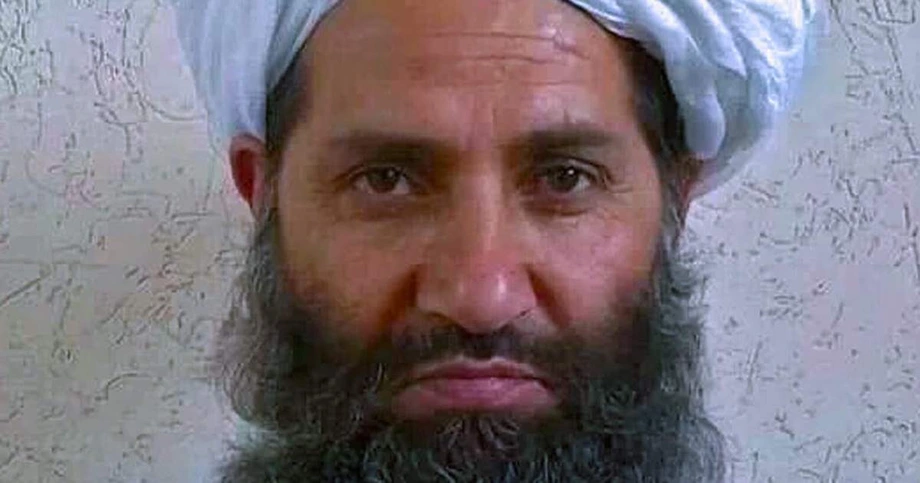
Faiq said the decision showed that governments were not ready to recognize or normalize relations with the Taliban as Afghanistan's legitimate government. Russia is the only country identified in the accounts as having formally recognized the Taliban government, though several countries maintain working relations with it. The Taliban has called the UN's refusal to transfer the seat unjust and urged the organization to recognize its authorities.
What is the UN deciding?
Each member state has a place in the UN, but its government must identify the people authorized to represent it. Credentials are the documents and claims used to show that representatives have that authority. When rival groups claim the same seat, the UN can defer a decision. In Afghanistan's case, that has meant continued representation by diplomats appointed before the Taliban returned to power.
The distinction matters in practice. Afghanistan's membership has continued through changes of government, but the Taliban has not gained control of its UN representation. Faiq serves in New York, while Nasir Ahmad Andisha remains Afghanistan's permanent representative in Geneva. The missions in Vienna and Geneva are also led by diplomats accredited by the last constitutional government.
Afghanistan's New York mission is led by a chargé d'affaires, a diplomat who runs an embassy or mission without holding the full title of ambassador. The role allows Faiq to attend and speak, but former Afghan diplomats Suraya Dalil and Andisha have said unpaid UN membership dues prevent the country's representatives from negotiating and voting. They describe Afghanistan's voice as reduced largely to testimony while international rules are discussed.
How the dispute developed
The current contest is part of a longer history in which Afghanistan's seat has remained with diplomats who were not appointed by the rulers in Kabul. The key dates trace both the country's long UN membership and the unresolved credentials dispute.
- September 27, 1934: Afghanistan joined the League of Nations, the international body that preceded the UN.
- November 19, 1946: Afghanistan joined the UN during the reign of King Mohammad Zahir Shah. A. Hosayn Aziz signed the country's instrument of adherence to the UN Charter, and Afghanistan's flag was raised at the General Assembly's temporary headquarters in Flushing Meadows, New York.
- 1952: Mohammad Kabir Ludin began serving as Afghanistan's first permanent representative to the UN.
- 1958 to 1979: Abdul Rahman Pazhwak served as permanent representative. In 1966, he became president of the 21st session of the General Assembly.
- 1996 to 2001: The UN did not seat the Taliban during its first period in power.
- August 2021: The Taliban returned to power. The UN did not transfer Afghanistan's seat to its nominee.
- December 2021: Faiq took over as chargé d'affaires in New York.
- November 18, 2026: Afghanistan's missions in New York, Geneva and Vienna held an online event marking eight decades of UN engagement.
- November 19, 2026: Afghanistan marked 80 years of UN membership.
The current impasse is therefore the second time the UN has declined to seat a Taliban representative. During the first period, from 1996 to 2001, Ravan A.G. Farhadi represented Afghanistan. After the Taliban's return in 2021, diplomats appointed by the former republic remained in place.
Afghanistan's diplomatic record reaches beyond its seat
Afghanistan's UN history includes more than membership. Its diplomats argued for the rights of landlocked countries, which have no coastline and depend on transit through other countries to reach the sea. Afghan jurist Abdul Hakim Tabibi advanced the issue at international conferences, and the resulting principle was included in Part X of the 1982 UN Convention on the Law of the Sea.
Pazhwak's 1966 election to lead the General Assembly was another high point. Afghanistan had also been among the first Muslim majority countries to vote for the Universal Declaration of Human Rights in 1948. In later decades, it joined major human rights agreements, including treaties on discrimination, torture and women's rights.
Afghanistan won a seat on the UN Human Rights Council for the first time for the 2018 to 2020 term. It also sent women to senior diplomatic posts: Adela Raz became the country's first woman permanent representative in New York in 2019, while Dalil led its Geneva mission from 2015 to 2019.
That history is part of the argument made by Dalil and Andisha, who have both represented Afghanistan at the UN in Geneva. They say the missions continue to serve Afghanistan's people and the international commitments the country accepted over decades. Their account presents the current dispute as a break in diplomatic continuity, rather than a change to Afghanistan's membership itself.
Rights and recognition are closely connected
Shinkai Karokhail, a former Afghan ambassador to Canada, said the Taliban had failed to secure both domestic and international legitimacy. She said international recognition has been linked to respect for human rights, an inclusive government and efforts to combat terrorism. Karokhail also argued that the Taliban had failed to uphold commitments Afghanistan had accepted through treaties and declarations.
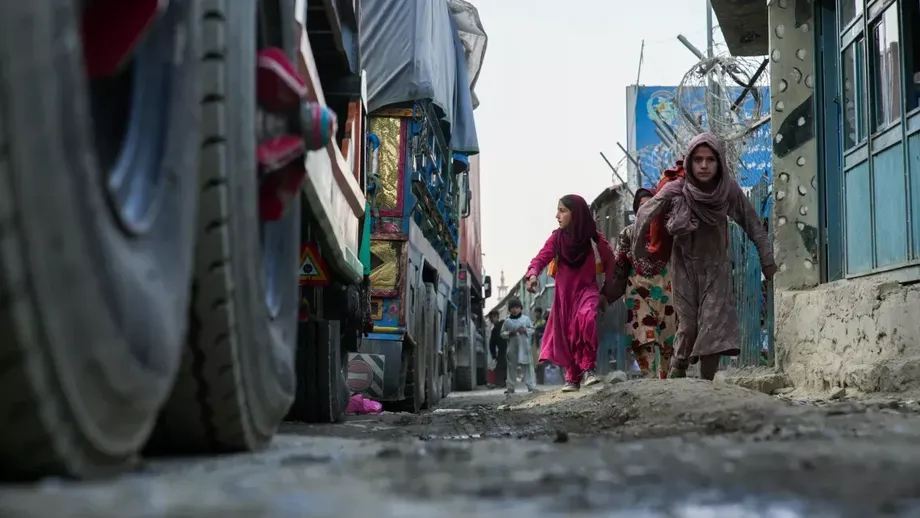
Since taking power, the Taliban has issued more than 100 edicts affecting women and girls, according to the account by Dalil and Andisha. Girls have been barred from school beyond the sixth grade, and restrictions have limited women's access to many jobs, health services, public life and freedom of movement. Women employed by the UN in Afghanistan have also been barred from entering UN premises in the country.
Faiq said his mission aims to keep Afghan voices heard, especially those of women and girls. He described the rights of girls to education and work, the freedoms of all citizens and their participation in deciding Afghanistan's future as central concerns for international efforts.
Our message is clear: The Afghan people should not be forgotten. The rights of girls to education and work, the rights and freedoms of all citizens and their participation in determining the country's future should be at the center of international efforts.
The recognition question also affects whether the Taliban can claim to speak for Afghanistan in international forums. Other countries may maintain practical contact with the authorities in Kabul, but formal recognition and day to day working relations are not the same thing. The UN seat remains one of the most visible places where that difference is expressed.
What the anniversary says about the UN's role
Richard Bennett, the UN special rapporteur on human rights in Afghanistan, said the organization has provided humanitarian aid, development programs, documentation of rights abuses and support for dialogue and peace efforts. He said the anniversary was also a moment to consider where international engagement had fallen short.
Bennett pointed to the reversal of rights for Afghan women and girls after two decades of progress. He said the international community had struggled to respond effectively. His assessment highlights the limits of a diplomatic standstill: keeping the former government's diplomats in the seat does not by itself restore rights or settle who governs Afghanistan.
Despite decades of international engagement, Afghanistan has serious human rights violations. One of the most painful examples is the situation of Afghan women and girls. After two decades of progress, they have lost many of their hard-won rights and freedoms while the international community has struggled to respond effectively.
Faiq's ability to speak at the UN gives Afghan concerns a place in international discussions. However, Dalil and Andisha say unpaid membership dues leave the mission unable to negotiate and vote. That gap matters when states make decisions on subjects such as humanitarian law, climate finance, public health and new technologies, which can affect Afghanistan even when its representatives cannot help shape the final rules.
Shukria Barakzai, a former Afghan parliamentarian and ambassador to Norway, said Taliban policies had left Afghanistan isolated and that the people's wishes about the country's political system were being disregarded. The anniversary event held by the three Afghan missions focused on the country's diplomatic history and future cooperation, while the central question over representation remained unresolved.
What remains undecided?
The UN has not announced a final decision on the Taliban's proposed representative or a date for resolving the credentials dispute. Afghanistan's membership continues, and the former government's diplomats remain in the seats. The next change would depend on a UN decision about which representatives have the authority to speak for the country.
The standoff leaves two separate issues in view: who represents Afghanistan internationally, and how the rights and needs of people inside the country are addressed. The 80th anniversary marks a long record of Afghan participation in multilateral diplomacy, while the current dispute shows how unresolved representation can limit that participation.
Key Points
- Afghanistan joined the UN on November 19, 1946, and marked 80 years of membership in 2026.
- The UN has not transferred Afghanistan's seat to the Taliban; diplomats appointed by the former government remain in place.
- The Credentials Committee has not made a final decision on the Taliban nominee since August 2021.
- Faiq leads Afghanistan's New York mission, while Andisha represents the country in Geneva.
- Former diplomats say unpaid UN dues prevent Afghanistan's representatives from negotiating and voting.
- Afghan diplomats have held senior UN roles and contributed to international rules on human rights and access to the sea.
- Women's rights restrictions remain central to international concerns about the Taliban government.