A first for Mongolia, and an election within four months
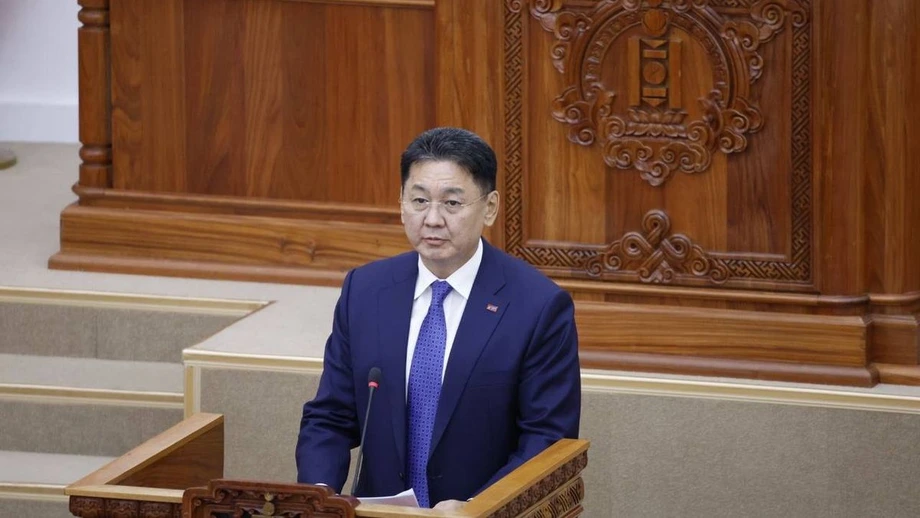
Mongolia's parliament has accepted President Ukhnaagiin Khurelsukh's request to leave office, ending his presidency early amid allegations tied to a major coal railway contract. Ninety six of the 104 lawmakers present voted in favour, a 92.3 percent share of those attending the session.
Contents
The State Great Khural's decision took effect immediately. Parliamentary Speaker Sandag Byambatsogt has taken on presidential duties while Mongolia prepares to elect a successor. Under the law, parliament must call a presidential election within four months. Khurelsukh's term had been due to end in June 2027.
Parliament described the departure as the first time a Mongolian president has voluntarily left office before completing a term. Before the vote, Khurelsukh spoke about his work and called for unity. After lawmakers approved his resignation, he paid his respects to the state emblem and flag, then left the chamber.
The resignation is tied to claims that Khurelsukh received money connected to the Tavan Tolgoi–Gashuunsukhait railway, a coal transport line awarded when he was prime minister. He denies wrongdoing and says he wants an investigation to clear his name. The allegations remain under dispute, and the election timetable is now the next formal step.
What does the vote mean?
The vote was parliament's required approval of Khurelsukh's own request to step down. The 96 votes in favour out of 104 lawmakers present equal 92.3 percent. That figure describes the vote among those in the chamber, not the full membership of parliament.
Byambatsogt, a member of the ruling Mongolian People's Party (MPP), now carries out presidential duties until an elected successor takes office. Parliament has up to four months to call the election, but no specific election date has been announced. The speaker's temporary role keeps the presidency functioning during that period.
Khurelsukh had served as president since June 25, 2021. He won nearly 68 percent of the vote that year, after serving as prime minister from 2017 to 2021. His early departure brings the next presidential contest forward from the term's scheduled end in June 2027.
What are the railway allegations?
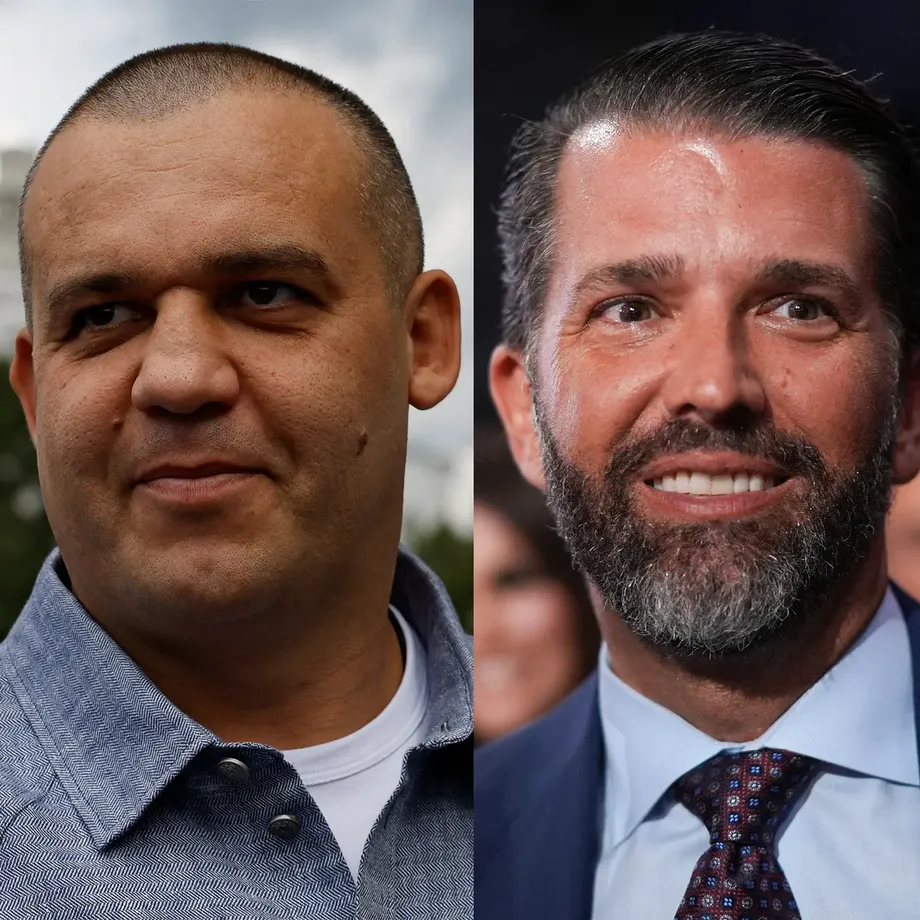
The dispute concerns the Tavan Tolgoi–Gashuunsukhait railway, a project intended to carry coal from the Tavan Tolgoi mining area toward the Gashuunsukhait border crossing with China. Former Ulaanbaatar mayor Khishgeegiin Nyambaatar alleged that politicians received $110 million in bribes linked to the project. He also specifically accused Khurelsukh of receiving $25 million from contractor Bodi International.
The contract was awarded in 2019, when Khurelsukh was prime minister. Some accusations describe the deal as a contract awarded without competitive bidding; other accounts describe it as a classified tender, meaning procurement details were kept from public view. Bodi won the contract and denies paying bribes, saying advance payments were spent on the railway.
Mongolia's anti corruption agency had earlier said its inquiry found no evidence that $110 million had been paid in cash. It identified 286 billion tögrög in advance payments, valued at about $79 million. The distinction matters: the alleged bribe total and the recorded advance payments are different figures, and Bodi says the advances went toward construction.
How did the dispute reach parliament?
Nyambaatar, a former justice minister as well as former Ulaanbaatar mayor, made the allegations in a livestream in mid November. He belongs to a different faction within the MPP, the party Khurelsukh has long been associated with. The opposition Democratic Party then called for Khurelsukh and other officials named in the claims to resign so an investigation could proceed.
All 42 Democratic Party lawmakers backed a parliamentary inquiry and called for the public release of advance sale contracts involving state coal miner Erdenes Tavan Tolgoi. The party had also threatened impeachment proceedings if Khurelsukh did not resign. The allegations therefore brought pressure from the opposition and exposed a conflict within the governing party.
Khurelsukh announced his decision to resign on November 17, saying he would cooperate with an investigation. Parliament considered and approved the request several days later. A brief timeline shows how quickly the controversy moved from an allegation to a change in the presidency:
- November 14: Nyambaatar made public claims about bribes connected to the railway.
- November 16: The Democratic Party called for Khurelsukh and other officials to resign and face investigation.
- November 17: Khurelsukh announced that he would relinquish the presidency.
- November 20: Parliament approved the resignation, and Byambatsogt assumed presidential duties.
What has Khurelsukh said?
Khurelsukh has rejected the accusations while saying he is willing to be investigated. At a news conference announcing his resignation, he said he viewed leaving office as a way to allow the truth to be established. He also said he would take action against people he believes had damaged his reputation.
I believe that it is in the interests of justice for the Head of State to relinquish his duties and establish the truth.
Khurelsukh also told reporters he had never stolen from the people or the state. After the parliamentary vote, he warned that Nyambaatar should be brought back to answer questions before the law. He accused Nyambaatar of taking bribes in connection with a different development project, a separate allegation that was not resolved by parliament's vote.
The resignation settles who holds presidential duties for now. It does not settle the competing claims about the railway contract. Khurelsukh has said he will cooperate with an inquiry, while the contractor has denied bribery and Nyambaatar has made accusations that now face public and political scrutiny.
Why does the party conflict matter?
The controversy involves more than a contest between the government and opposition. Nyambaatar and Khurelsukh are both linked to the MPP, but belong to rival factions. Khurelsukh's exit has therefore unfolded amid divisions inside the governing party as well as its conflict with the Democratic Party.
Xu Tianchen, a senior analyst at the Economist Intelligence Unit, described the wider political strain this way:
Not only is there intense hostility between the ruling Mongolian People's Party and the opposition Democratic Party, but there are also factional struggles within the Mongolian People's Party itself.
Mongolia has also faced repeated political disputes over corruption claims and public anger about political elites. Thousands of young people demonstrated in Ulaanbaatar during protests against corruption and what they saw as injustice. The railway allegations have added a high level confrontation to a period already marked by street protests and party divisions.
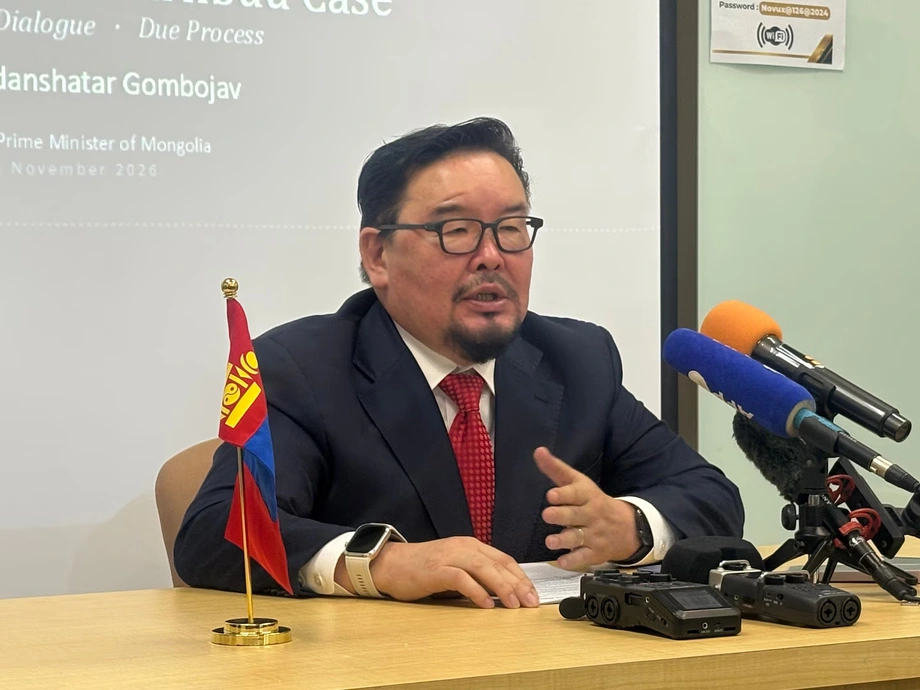
In June 2025, Prime Minister L. Oyun-Erdene left office after losing parliamentary support amid corruption allegations, which he denied. His successor, Zandanshatar Gombojav, resigned in March 2026 during an opposition boycott and growing conflict within the MPP. The changes have meant several shifts in senior leadership in a relatively short period.
Does Khurelsukh have a history of leaving office early?
Khurelsukh also resigned as prime minister in January 2021, after protests over the government's handling of COVID-19. He later won the presidency that year. That earlier episode is part of the political context for his latest departure, though the current dispute concerns allegations about a railway contract rather than the pandemic response.
His presidency began on June 25, 2021, after he won nearly 68 percent of the vote. The next election will now take place before his original term was set to end. The coming campaign will determine who takes over the duties Byambatsogt is carrying out in the interim.
What happens next?
Parliament must call a presidential election within four months. The election will choose Khurelsukh's successor, while Byambatsogt continues to exercise presidential powers in the meantime. No precise polling date has yet been given.
The corruption inquiry and the election are separate tracks. The inquiry concerns whether public money or a railway contract was tied to improper payments; the election concerns who will hold the presidency. The public also does not yet have a final accounting of the allegations or a completed investigation into Khurelsukh's role.
The immediate change is clear: Mongolia's president has left office early, and the speaker has taken over presidential duties. The broader political and legal questions now turn on the investigation, the handling of the railway records, and the election parliament is required to arrange.
Key Points
- Parliament approved Khurelsukh's resignation with 96 of 104 lawmakers present voting in favour, or 92.3 percent.
- The resignation took effect immediately, and Speaker Sandag Byambatsogt is exercising presidential duties.
- The claims concern the Tavan Tolgoi–Gashuunsukhait railway contract and include an alleged $25 million payment to Khurelsukh. He denies wrongdoing.
- Mongolia's anti corruption agency reported no evidence of $110 million in cash payments and identified 286 billion tögrög in advances.
- Parliament must call a presidential election within four months. Khurelsukh's term was due to end in June 2027.