Voice assistance moves from the phone to the frame
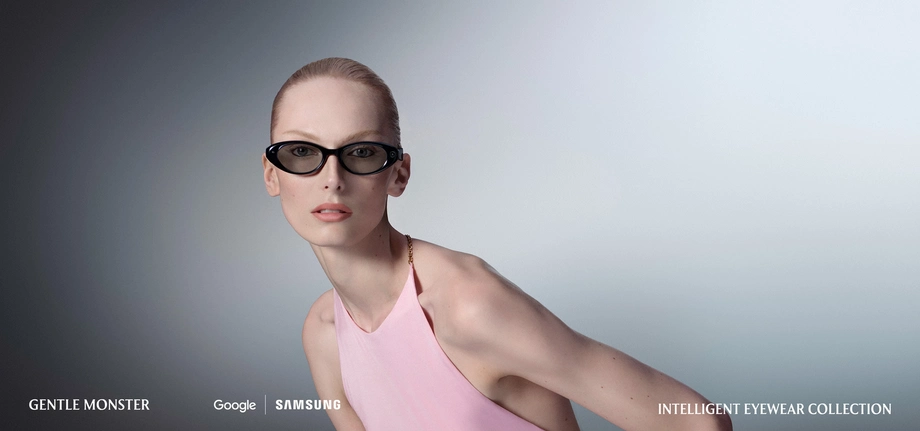
Samsung and Google are preparing to put an AI assistant, camera and speakers into ordinary looking glasses, with sales due to begin in the United States and South Korea on December 10, 2026. The glasses, called Intelligent Eyewear, have a 12 megapixel camera, hands free calling and real time translation across more than 70 languages. They have no display in the lenses: Gemini answers through speakers, while the glasses work with a connected smartphone.
Contents
Preorders opened November 12. Samsung says Warby Parker models start at $395 in the United States, while Gentle Monster frames cost between $449 and $489. South Korean prices are 650,000 to 700,000 won. Early interest appears strong: accounts of the preorder period say all 16 Gentle Monster versions in South Korea were listed as sold out, and U.S. stock was also reported sold out. Samsung and its design partners have not disclosed how many pairs were available, so the sellout alone does not show the scale of demand.
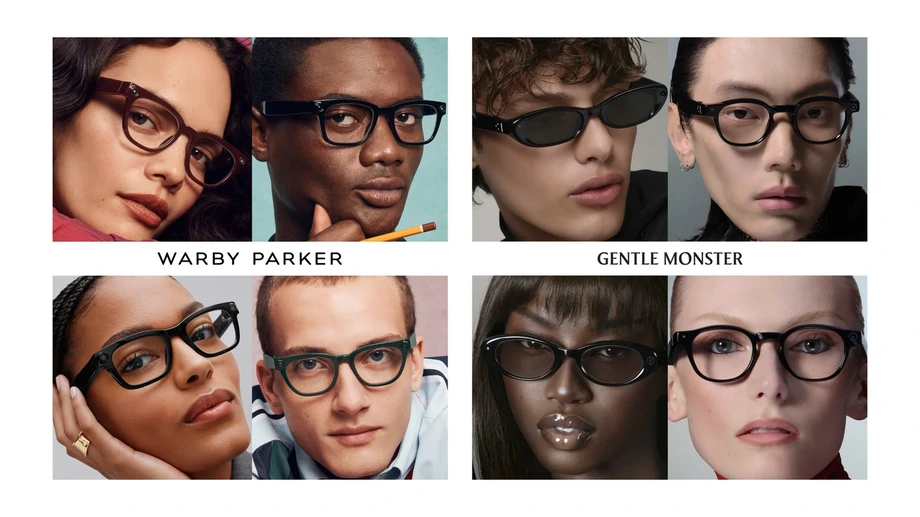
The product brings together Samsung's hardware and mobile expertise, Google's Gemini AI and two eyewear brands with different styles. Warby Parker offers familiar, understated frames; Gentle Monster is known for bolder fashion designs. Samsung's U.S. release announcement lists 30 designs across the two collections.
For a wearer, the idea is to ask questions or get help without taking out a phone. For the companies, the launch is a measured attempt to compete in a market led by Meta's Ray-Ban glasses, while testing whether people want an AI assistant on their face throughout the day.
What can the glasses do?
Gemini can answer questions about objects and places the wearer sees, provide directions and translate signs, menus and spoken conversations. The camera gives the assistant visual information; its answer comes through the glasses' open ear speakers. Users can also make and take calls, dictate messages, listen to music and hear summaries of notifications.
Google Maps can provide spoken, turn by turn directions. The glasses can also help with everyday tasks, such as setting reminders or adding an item to a grocery list by voice. Samsung describes a Galaxy phone connection that can support tasks such as saving a meeting whiteboard summary to Samsung Notes. Some functions depend on compatible phones, apps and accounts.
The design is screen free. That means the wearer does not see text or images projected in front of the eyes. Instead, the camera and microphones take in information, and speakers deliver audio. Samsung says the glasses use a Snapdragon AR1 Gen 1 processor and a four microphone array. Their computing is shared with a connected phone, which handles some processing work.
Samsung and Google also describe visual assistance features. Gemini can give spoken descriptions of what the camera sees, including help with reading small print or locating everyday items. Google's collaboration with Aira allows users to stream the camera view to a trained human visual interpreter for real time assistance.
Price, weight and battery life
Samsung says the frames weigh about 41 grams. Depending on the model, the published range is 39.6 to 43.9 grams. The company advertises up to nine hours of battery life per charge and up to 72 hours when the charging case is used to recharge the glasses. Actual battery life will depend on how the camera, calls, AI and other features are used.
The camera can capture photos and video. Samsung lists HDR support for images and clear video recording; Google's product details describe a 12 megapixel ultra wide camera, image stabilization and spatial audio capture. The glasses have 64 gigabytes of storage, giving them room to hold captured media. With a connected Galaxy phone, users can view photos and videos on the phone screen.
Samsung's pricing puts the two brands at different points in the market. Warby Parker's U.S. starting price is $395, while Gentle Monster's range extends from $449 to $489. The published South Korean price range is 650,000 to 700,000 won. Prescription lens options are available, though details vary by brand and model.
Samsung's market analysis compares the glasses with Meta's Ray-Ban Meta Gen 3. It gives Meta's model a weight of 51.5 to 54.5 grams and 32 gigabytes of storage, compared with Samsung's 39.6 to 43.9 grams and 64 gigabytes. The lighter frames may matter for people wearing glasses for long periods, while greater storage means more room for photos and videos. Both products have a 12 megapixel camera and advertise up to nine hours of battery life.
Where and when will they be sold?
The first release is limited to the United States and South Korea. In the United States, customers can order through Warby Parker and Gentle Monster, with in person demonstrations planned at selected stores. Gentle Monster is the South Korean design and retail partner. No wider release date has been announced.
The limited rollout gives Samsung and Google a chance to sell through eyewear specialists, where customers can try on frames and ask about prescription lenses. The United States is a large market for the category: Counterpoint says it accounted for 42% of global smart glasses shipments in the first half of 2026. South Korea is Samsung's home market and a launch location for Gentle Monster designs.
Phone compatibility is another limit on who can use the product. Samsung lists support for selected Galaxy S, Z Fold and Z Flip phones running One UI 9.0 or later, Google Pixel 7 phones and newer with a specified Android update, and iPhone 13 or newer running iOS 26.6 or later with at least 6 gigabytes of memory. A compatible phone and Bluetooth connection are required. The glasses can use the phone's mobile data connection, though Wi Fi may be needed for tasks such as importing content or installing updates.
How does the privacy system work?
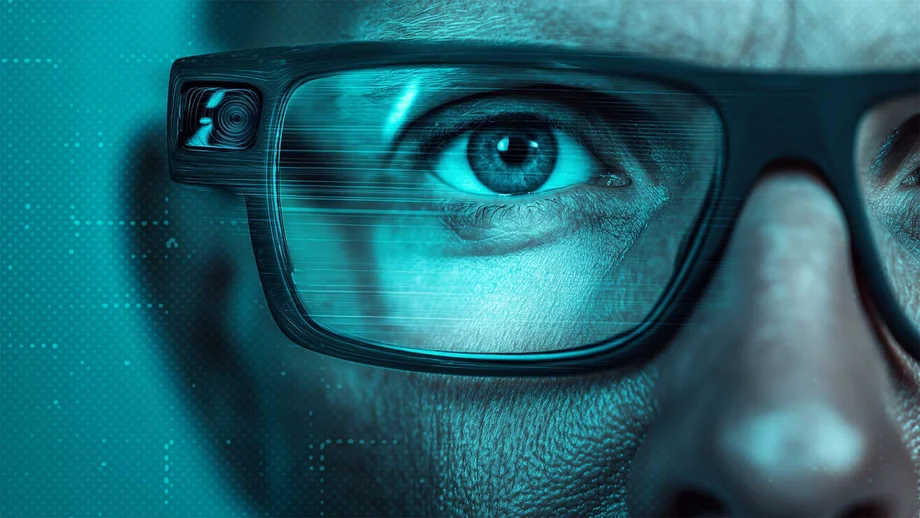
A camera worn at eye level can record more discreetly than a phone held up in front of someone. Samsung says an external light turns on during photo or video capture, and the wearer also receives a light and sound notification. The camera is designed to stop recording if the indicator is covered or fails. A wear detection feature turns the camera off when the glasses are removed.
When Gemini processes a visual query, the glasses are designed to obscure bystanders' faces before the images reach the assistant. Samsung says these visuals are not used to train AI models or target advertisements. Data on the glasses is encrypted, and users can manage app permissions for camera and microphone access. The product is intended for people aged 18 and older, with age verification required for activation.
Those safeguards address concerns for people nearby, but they do not remove the practical challenge of recognizing a recording device that looks like normal eyewear. South Korean companies have begun reviewing workplace rules for camera equipped glasses. In earlier coverage, factory security checks were described as expanding to wearable devices, as manufacturers consider how to prevent confidential material from being recorded.
A semiconductor industry source quoted in a report on workplace security put the problem plainly:
Unless they voluntarily report it, there is currently no way to prevent employees from wearing AI glasses and filming core processes or documents.
That concern is separate from the product's consumer privacy controls. A recording light can alert people nearby, but employers may still need clear rules about where cameras and microphones are allowed. Samsung has said it is reviewing additions to its internal security rules.
Meta remains the market leader
Samsung and Google are entering a category in which Meta has a substantial lead. Counterpoint's figures differ by how the market is defined: its analysis says Meta accounted for more than 90% of global AI glasses shipments in the first half of 2026, while another measure cited for displayless AI glasses puts the share at 94%. The same analysis says Qualcomm held 86% of the AI glasses chipset market in that period. Samsung's use of the Qualcomm AR1 Gen 1 platform alongside Meta's glasses could push Qualcomm's share above 90%.
Hardware alone may not persuade customers to switch. The competing products have similar camera resolution and battery claims. Samsung and Google are placing their bet on Gemini, translations, Google Maps, links to Galaxy phones and a broader choice of fashion partners. The quality of AI responses, including whether they are quick and accurate in noisy or multilingual settings, will shape how useful the glasses feel in daily life.
The partnership also gives Google a way to bring Gemini into situations where people might not reach for a phone. Samsung gains a wearable that connects its Galaxy ecosystem to eyewear, while Warby Parker and Gentle Monster bring frame design and retail experience. A successful launch could give other eyewear makers and software developers another platform to consider, though the first release is too narrow to establish how widely the product will spread.
What the launch means for everyday users
For buyers, the main trade is convenience against a set of practical limits. Speaking to an assistant, hearing directions and translating a menu can be useful when hands are occupied. The glasses also provide a camera and calls without requiring a phone to be held up. In return, users must keep a compatible phone nearby, manage battery life and decide when recording is appropriate.
The absence of a display may make the glasses feel closer to regular eyewear than a headset, but it also means information arrives as audio rather than visible text. Open ear speakers are designed to let wearers hear their surroundings. People who need prescription lenses have options through the partner brands, with availability depending on the frame and market.
The December launch will test whether customers see enough value in these hands free tasks to pay prices comparable to other premium smart glasses. The preorder sellout suggests early interest, but without figures for the number of pairs offered, it cannot show how many people are ready to adopt the product at scale.
Key Points
- Samsung and Google's Intelligent Eyewear goes on sale in the United States and South Korea on December 10, 2026.
- The glasses include Gemini, a 12 megapixel camera, hands free calls and real time translation across more than 70 languages.
- They have no display, weigh about 41 grams and are rated for up to nine hours of use per charge.
- U.S. prices start at $395 for Warby Parker and range from $449 to $489 for Gentle Monster; South Korean prices are 650,000 to 700,000 won.
- Privacy measures include a recording indicator, face obscuring for Gemini visual queries and controls for camera and microphone permissions.
- Meta dominates the category, while the first Samsung and Google release is limited to two countries and selected compatible phones.