Major Seizure Triggers Nationwide Alert
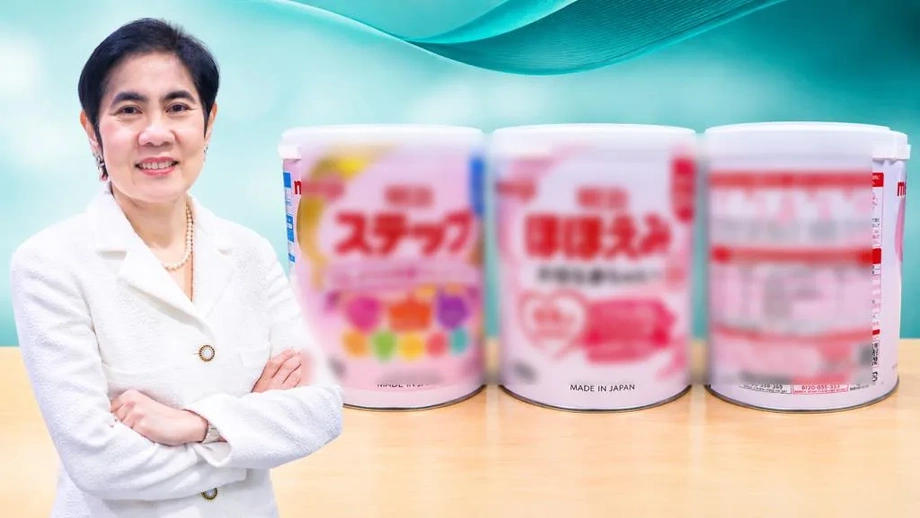
Thai health authorities have issued an urgent warning to parents and caregivers after customs officials intercepted a large shipment of smuggled infant formula that lacked mandatory safety approvals. The Thai Food and Drug Administration, known locally as the FDA, revealed on November 14, 2026 that the Customs Department had seized more than 1,000 cans of milk powder for children weighing a total of 1,215 kilograms. The products had been smuggled into the country without obtaining the required import permits from the FDA.
Contents
- Major Seizure Triggers Nationwide Alert
- Legal Framework and Violations
- Online Platform Crackdown Initiated
- Health Risks of Unregulated Infant Formula
- Comprehensive Guidelines for Parents
- Digital Verification Tools Available
- Reporting Mechanisms for Suspicious Products
- Context of Infant Formula Regulation in Thailand
- Implications for Consumer Behavior and Market Practices
- Key Points
Pharmacist Supattra Boonserm, Secretary-General of the FDA, disclosed the details of the operation during a public announcement. She emphasized that the seized products had not undergone any safety evaluation by Thai regulators, making them potentially dangerous for infants and young children. The warning comes as online shopping platforms have become increasingly popular channels for purchasing baby products, creating new avenues for unregulated goods to reach consumers.
The seized formula represents a significant breach of Thailand's food safety framework. Under current regulations, all infant formula products must receive explicit approval from the FDA before they can be legally imported and sold in the Thai market. This requirement exists because infant formula serves as a primary or sole source of nutrition for vulnerable populations during critical developmental periods.
Legal Framework and Violations
The smuggling operation violates two major pieces of Thai legislation. The Customs Act B.E. 2560 governs the importation of goods into Thailand and establishes penalties for evading customs procedures. The Food Act B.E. 2522 specifically regulates food safety standards and requires that certain high-risk food categories, including infant formula, receive pre-market approval.
According to the FDA Secretary-General, the importers involved in this case failed to submit any application for import permits. This means the products never underwent the rigorous safety assessment process that evaluates nutritional composition, microbiological safety, contaminant levels, and manufacturing standards. The absence of this evaluation creates unknown risks for children who consume these products.
Customs officials identified the shipment during routine inspection procedures. The products were not properly declared as infant formula, suggesting deliberate attempts to circumvent regulatory scrutiny. The FDA has confirmed that legal proceedings will be pursued against those responsible for the smuggling operation under both the Customs Act and the Food Act.
Online Platform Crackdown Initiated
In response to the seizure, the FDA has moved swiftly to coordinate with major online shopping platforms operating in Thailand. The agency has requested that these platforms implement monitoring systems to detect and block listings for the smuggled products. This action reflects growing recognition that e-commerce has become a primary distribution channel for unregulated health products.
The FDA Secretary-General stated that the agency will pursue legal action to the fullest extent against any individuals or businesses found advertising or selling the smuggled formula. This includes not only the original importers but also any third-party sellers who may have acquired the products through unofficial channels.
The coordination with online platforms represents a proactive approach to consumer protection in the digital marketplace. While specific platform names were not disclosed, the FDA's action signals that major e-commerce operators in Thailand are expected to participate in regulatory enforcement efforts. This collaboration is essential given the difficulty of monitoring thousands of individual online listings manually.
Health Risks of Unregulated Infant Formula
The FDA's warning emphasizes the unique vulnerability of infants and young children to unsafe food products. During the first years of life, children's immune systems, digestive tracts, and organ systems are still developing. Nutritional deficiencies or exposure to contaminants during this period can cause irreversible harm to physical and cognitive development.
Unregulated infant formula may suffer from multiple categories of risk. Products that bypass safety evaluation might contain incorrect nutrient ratios, leading to malnutrition or toxic overdoses of certain vitamins and minerals. Microbiological contamination with harmful bacteria such as Cronobacter sakazakii or Salmonella can cause life-threatening infections in infants. Chemical contaminants including heavy metals, pesticide residues, or melamine have appeared in previous food safety scandals globally.
Counterfeit products present an additional danger. Without regulatory oversight, there is no guarantee that the product inside the can matches the label. Previous incidents in other countries have revealed products labeled as infant formula that actually contained inadequate protein levels, wrong carbohydrate sources, or even non-food substances. The FDA specifically warned that consumers risk purchasing counterfeit or substandard products when buying from unauthorized sources.
Comprehensive Guidelines for Parents
The FDA has published detailed guidance to help parents and caregivers identify legitimate, safe infant formula products. The agency recommends purchasing only from trusted retail sources such as established pharmacies, supermarkets, and department stores that can verify their supply chains. These retailers typically maintain direct relationships with authorized distributors and manufacturers.
When examining product packaging, parents should look for Thai language labeling that includes specific mandatory information. The law requires labels to display the food name, manufacturer or importer name and address, production date, expiration date, and lot or batch number. The batch number is particularly important as it enables traceability in case of recalls or safety investigations.
Physical inspection of packaging provides another layer of protection. Legitimate products should have intact, factory-sealed packaging with no dents, leaks, or signs of tampering. Products that appear to have been opened, resealed, or repackaged should be avoided entirely. The FDA also cautions against products sold at unusually low prices, which often indicate gray market goods, counterfeits, or products nearing expiration.
Digital Verification Tools Available
To empower consumers with real-time verification capabilities, the FDA maintains several digital channels for checking product authorization status. The primary resource is the FDA website at www.fda.moph.go.th, where consumers can search for registered products. Additionally, the agency operates official accounts on Line (@FDAThai) and Facebook (FDAThai) that provide updates and allow product inquiries.
These digital tools enable parents to verify a product's legal status before purchase, whether shopping in physical stores or online. The FDA recommends checking authorization status before every purchase, as product registrations can expire, be revoked, or vary by specific formulation and packaging size.
The availability of multiple verification channels reflects the agency's recognition that consumers access information through different platforms. Line remains Thailand's dominant messaging application, making the @FDAThai account particularly accessible for quick queries. The Facebook page serves users who prefer social media platforms for official communications.
Reporting Mechanisms for Suspicious Products
The FDA has established multiple channels for the public to report suspected unlicensed or dangerous food products. The primary hotline is 1556, which operates as a dedicated consumer protection line. Reports can also be submitted via email to [email protected] or by mail to the FDA's post office box at the Ministry of Public Health in Nonthaburi.
Provincial public health offices throughout Thailand also accept reports, ensuring that consumers outside Bangkok have local access to regulatory authorities. This decentralized reporting network is crucial for detecting regional distribution of smuggled products that might not appear in central monitoring systems.
The FDA encourages consumers to report not only confirmed violations but also suspicious products that lack proper labeling, appear to be counterfeit, or are being sold through questionable channels. Early reporting enables faster intervention before products reach more children.
Context of Infant Formula Regulation in Thailand
Thailand's strict regulation of infant formula reflects both international standards and lessons from historical incidents. The Codex Alimentarius, established by the Food and Agriculture Organization and World Health Organization, sets global standards for infant formula composition and safety. Thailand's Food Act B.E. 2522 incorporates these principles into domestic law.
The pre-market approval requirement for infant formula is more stringent than for most other food categories. While many foods only require post-market monitoring or notification, infant formula must demonstrate compliance with safety and nutritional standards before entering the market. This precautionary approach acknowledges that formula-fed infants consume the product exclusively during a critical developmental window.
Previous food safety incidents in the region have reinforced the need for vigilance. The 2008 melamine contamination scandal in China, which affected hundreds of thousands of infants, demonstrated the catastrophic consequences of inadequate supply chain control. While Thailand was not directly affected, the incident prompted strengthened regional cooperation on food safety monitoring.
Implications for Consumer Behavior and Market Practices
The FDA's warning and enforcement action highlight the ongoing tension between consumer demand for affordable or imported infant formula and regulatory safeguards. Some parents seek foreign brands perceived as higher quality, creating demand that smugglers exploit. Others may be drawn to lower prices offered by unauthorized sellers, particularly during periods of economic pressure.
The crackdown on online sales channels reflects a broader shift in regulatory strategy. Traditional enforcement focused on physical retail locations and border checkpoints. The rise of cross-border e-commerce and social media commerce has created enforcement gaps that regulators are now working to close through platform cooperation and digital monitoring tools.
For legitimate businesses, the enforcement action reinforces the competitive advantage of compliance. Authorized importers and retailers who invest in proper licensing, supply chain verification, and regulatory adherence gain credibility with increasingly safety-conscious consumers. The FDA's public communication of its verification tools also directs consumer traffic toward compliant sellers.
Key Points
- Thai Customs seized over 1,000 cans (1,215 kg) of smuggled infant formula lacking FDA import approval on November 14, 2026
- The seizure violates the Customs Act B.E. 2560 and Food Act B.E. 2522, with legal proceedings underway
- FDA Secretary-General Pharmacist Supattra Boonserm warned that unregulated formula poses serious health risks to infants
- FDA has coordinated with online platforms to monitor and block sales of the smuggled products
- Parents should buy only from trusted retailers, verify Thai labels with complete mandatory information, and check packaging integrity
- Product authorization can be verified via FDA website (www.fda.moph.go.th), Line (@FDAThai), or Facebook (FDAThai)
- Suspicious products can be reported through hotline 1556, email [email protected], or provincial public health offices
- Infant formula requires pre-market approval in Thailand due to the vulnerability of formula-fed infants