A retiring Japanese fleet could strengthen Philippine naval power
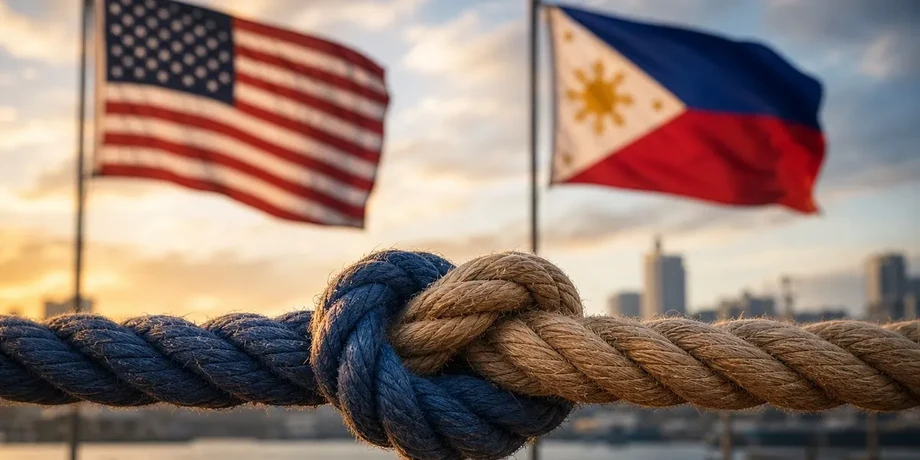
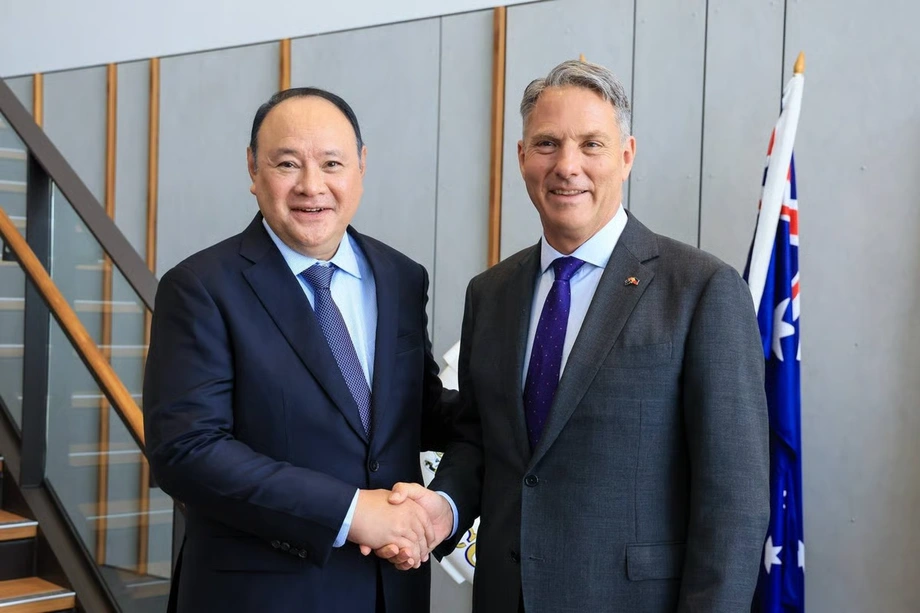
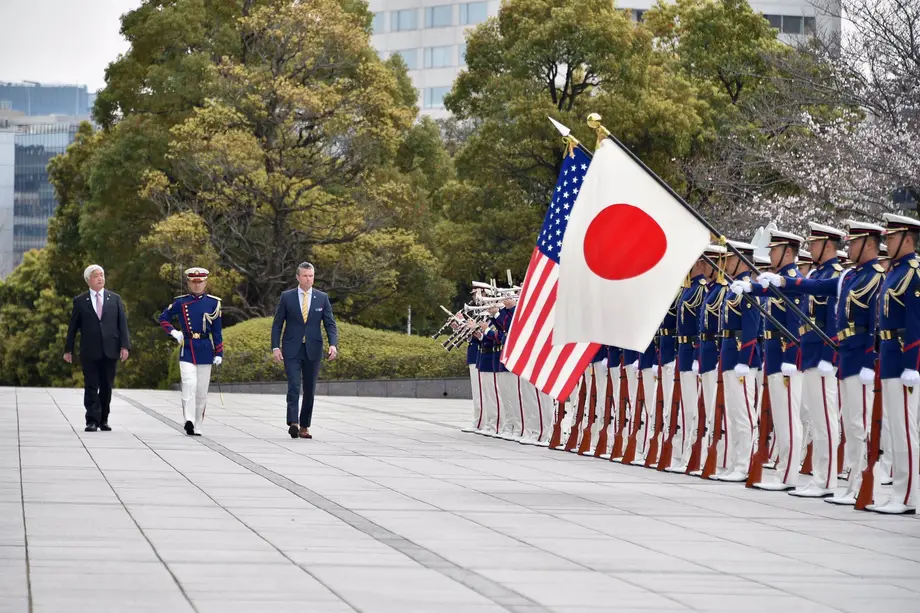
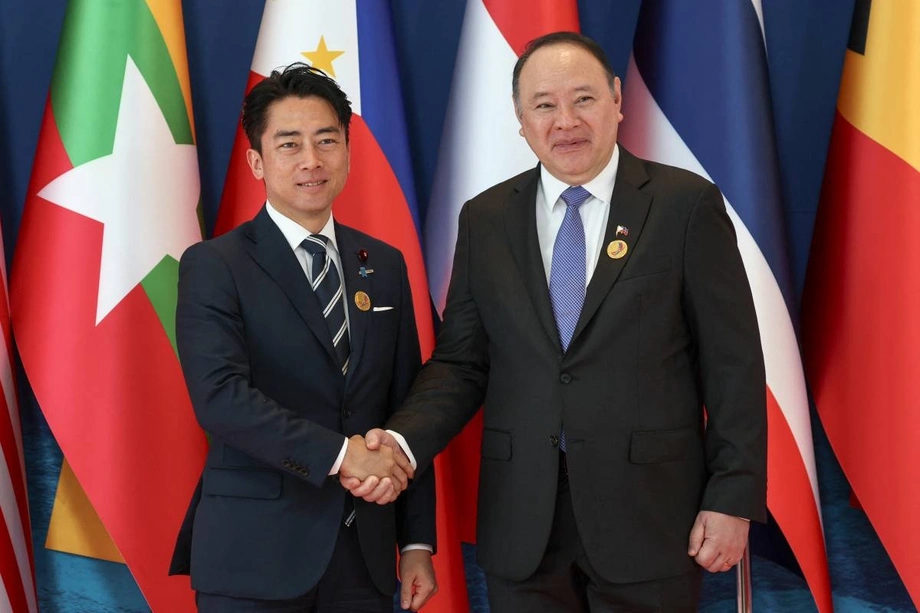
Japan plans to transfer an armed Abukuma-class warship to the Philippine Navy as soon as possible after its retirement, pairing a major change in Japanese weapons export policy with Manila's effort to strengthen its maritime defenses. Japanese Defense Minister Shinjiro Koizumi and Philippine Defense Secretary Gilberto Teodoro Jr. agreed on that goal at their October 28, 2026, meeting in Manila.
Contents
- A retiring Japanese fleet could strengthen Philippine naval power
- What Japan's export policy changes allow
- From inspections to a proposed five ships
- What an Abukuma-class vessel carries
- How the weapons work at sea
- Training and maintenance will shape the handover
- A ship is also a workplace for 120 people
- Why Manila wants more maritime capability
- Warships join a wider package of cooperation
- Key Points
The proposed handover would be Japan's first transfer of lethal military equipment under the export rules revised in April. It would also bring the Philippines ships designed to detect submarines, engage surface vessels and conduct maritime surveillance, capabilities that reach beyond the patrol aircraft and other equipment Japan has previously provided.
Japan has six Abukuma-class vessels, commissioned between 1989 and 1993. Philippine acquisition planning described in July 2026 envisaged obtaining five through Japan's Official Security Assistance program, with transfers expected to begin after Japanese retirements start in 2027. The October agreement focused on getting the first vessel delivered quickly once it leaves Japanese service.
The exact first ship, delivery date, final fleet total, weapons configuration and financial terms have not been publicly specified in the announced arrangement. Japan has committed to training Philippine personnel before delivery and cooperating on maintenance, making the project a continuing military partnership rather than simply a handover of aging hulls.
What Japan's export policy changes allow
Japan revised its Three Principles on Transfer of Defense Equipment and Technology in April, opening the way for overseas transfers of weapons including warships and missiles. The change removed restrictions that had limited Japan's ability to supply lethal equipment to partner countries.
The revised rules limit these transfers to countries with agreements to protect classified information concerning defense equipment and technology. Such safeguards cover sensitive technical information that accompanies military systems, including details needed to operate or maintain them.
Tokyo presents equipment transfers as a way to strengthen the ability of partners to deter aggression and respond to threats. For the Philippines, the practical result could be access to armed naval vessels alongside the surveillance equipment already forming part of its cooperation with Japan.
From inspections to a proposed five ships
Philippine interest developed over more than a year, with attention initially focused on the condition and availability of Japan's retiring ships. The Abukuma class is being replaced by newer Mogami-class frigates, creating an opportunity for vessels leaving Japanese service to continue operating elsewhere.
The proposed scale changed as discussions progressed. Philippine interest initially extended to at least five vessels for inspection, while an October 2025 statement sought the possibility of acquiring at least three. By July 2026, Teodoro described a plan to acquire five under Official Security Assistance.
- June 2025: A bilateral meeting in Singapore provided the basis for discussions about a possible transfer.
- July 2025: The Philippine Navy described a possible acquisition, with a ship condition assessment planned for that summer.
- October 8, 2025: The navy expressed interest in acquiring at least three ships, depending on Japanese availability.
- May 5, 2026: The countries moved to accelerate the project through a working group during Koizumi's visit to the Philippines.
- July 7, 2026: Teodoro described plans to acquire five ships through Official Security Assistance.
- October 28, 2026: The defense ministers agreed to pursue the first transfer as soon as possible after decommissioning.
- 2027: Japanese ship retirements were expected to open the way for transfers to begin.
Five ships would represent five of the six vessels Japan built in this class. Japan originally planned 11, but completed only six. Their availability therefore matters to the size of any Philippine acquisition, alongside the condition checks and preparations needed for service under a new navy.
What an Abukuma-class vessel carries
The Abukuma class is commonly described as a destroyer escort or frigate. Those labels place it among smaller combat ships equipped to protect other vessels and conduct patrols, rather than among Japan's larger modern destroyers.
Sendai, one of the class, illustrates the design. Commissioned on March 15, 1991, it is 109 meters long, carries about 120 personnel and has a listed speed of 27 knots, approximately 50 kilometers per hour. Its standard displacement is 2,000 tons, rising to about 2,550 tons at full load. Displacement describes the weight of water a ship pushes aside and, in turn, the ship's weight.
The listed class armament includes eight Harpoon missiles for attacking surface ships, a 76 mm main gun, a Phalanx gun system for close defense, two triple torpedo launchers and an eight position launcher for rockets carrying antisubmarine torpedoes. The main gun can fire around 100 rounds per minute.
Radar systems search for aircraft and surface vessels, while fire control equipment helps direct weapons at a target. A sonar mounted in the hull detects underwater contacts. Together, those systems allow the ships to perform several tasks rather than serving solely as patrol platforms.
How the weapons work at sea
Antisubmarine weapons give a surface ship a way to respond to a threat below the water. A torpedo travels underwater toward its target. A rocket carrying a torpedo can first move it through the air, delivering it to a point away from the launching ship before it enters the sea.
Chief Petty Officer Yasuhiro Asano, Sendai's command master chief, described how the crew prepares its torpedo launchers when combat appears possible:
When a conflict is anticipated, we prepare in advance, so once a request for fire comes in, we are already ready to launch quickly,
Asano also described the force of the rocket launcher's booster, saying that firing it can leave the deck charred. His account shows why acquiring a combat ship involves more than teaching a crew to navigate it. Sailors need procedures for handling weapons, preparing equipment and coordinating decisions under pressure.
The ships' close defense gun provides another layer of protection against nearby threats, including incoming missiles. Their listed armament places air defense chiefly around the ship itself, while the combination of radar, sonar, missiles and torpedoes supports surveillance and combat against vessels above and below the surface.
Training and maintenance will shape the handover
Koizumi told Teodoro that Japan would provide the Philippine Navy with the education and training needed before transfer. Japan also plans to send officials to help recipient militaries maintain transferred equipment.
The age of the ships makes that support central to the project. The oldest entered service in December 1989 and the newest in 1993. Keeping them operational requires engineers, technicians, spare parts and maintenance arrangements for propulsion, sensors and weapons.
Equipment aboard the ships could be changed to meet Philippine requirements. Any such work would need to fit alongside crew preparation and the inspections used to assess the vessels' condition.
Koizumi has argued that operating common equipment and sharing production and maintenance bases can help partners support one another during ordinary operations and a regional crisis. For Manila, that could make access to Japanese technical knowledge an important part of the acquisition.
A ship is also a workplace for 120 people
Sendai's daily routines show the human demands behind the transfer. Voyages can last as long as two months, with watch duties and other responsibilities interrupting regular sleep. Training a new crew means preparing people for sustained life at sea as well as weapons operation.
The ship's mess hall seats about 30, roughly one quarter of its crew, so meals are served in rotation. Large steam kettles in the galley support the daily task of feeding everyone aboard.
Asano described one familiar routine in Japan's Maritime Self-Defense Force, where a weekly meal helps mark time during long voyages:
The curry rice meal served every Friday helps us keep track of the day of the week,
Those details give a sense of the work the Philippine Navy would inherit. A vessel needs a complete, coordinated crew, from watchkeepers and weapons operators to cooks and engineering personnel, throughout a deployment.
Why Manila wants more maritime capability
The Philippines is seeking stronger maritime defenses amid repeated encounters with Chinese coast guard and naval vessels in the West Philippine Sea, the Philippine name for waters within parts of the South China Sea. Scarborough Shoal has been a particular focus, with Chinese vessels blocking or harassing Philippine civilian and government ships in the area.
Additional naval ships would give Manila more capacity for maritime surveillance and other operations. The Abukuma class combines the ability to search a stretch of sea with weapons intended for combat, giving the navy a different tool from an aircraft conducting a patrol or a radar watching from shore.
Japan and the Philippines are both United States allies and share concerns about China's growing military activity. Tokyo sees stronger Philippine capabilities as connected to the security of regional sea routes and stability across the Indo-Pacific.
The Philippines' role as ASEAN chair in 2026 also puts regional maritime security on its diplomatic agenda. The planned transfer brings a concrete military project into that wider effort to preserve access and order in contested waters.
Warships join a wider package of cooperation
Japan's latest Official Security Assistance package for the Philippines, worth up to $27 million, includes a coastal defense radar for the Philippine Navy and unmanned aircraft for the Philippine Air Force. Japanese Ambassador Katsuro Kitagawa and Philippine Foreign Secretary Theresa Lazaro signed the agreement.
The package was described as Japan's first provision of a dedicated coastal radar system to the Philippines. A radar based on shore can help track vessels, while aircraft can extend observation over the sea. Japan previously supplied TC-90 turboprop aircraft for Philippine naval patrols.
Japan has also committed 17 patrol ships for the Philippine Coast Guard. These projects serve different organizations and roles: the coast guard conducts maritime law enforcement, while the navy operates military vessels and would receive the Abukuma-class ships.
Unmanned aircraft assistance is already part of Japan's regional security program. In summer 2025, Tokyo transferred 14 Aerobo Wing AS-VT02A aircraft to Malaysia in a package worth up to $2.7 million.
Koizumi has also expressed willingness to discuss supplying surface-to-air missiles to the Philippines. Speaking after a regional security forum in the Philippines, he described the urgency behind closer cooperation:
In the face of a severe security environment, we intend to advance more practical defense cooperation with a sense of urgency to ensure regional peace and stability,
The warship project gives that cooperation a demanding next step: preparing older Japanese combat vessels and Philippine crews for service together, with maintenance support extending beyond delivery.
Key Points
- Japan and the Philippines agreed on October 28, 2026, to pursue the first Abukuma-class transfer quickly after retirement.
- The handover would be Japan's first lethal equipment transfer under its revised export rules.
- Philippine planning has envisaged five ships, with transfers expected to begin after retirements start in 2027.
- The class carries weapons for combat against surface ships and submarines, alongside surveillance equipment.
- Japan has pledged training before delivery and cooperation on maintenance.
- The project accompanies Japanese assistance involving coastal radar, unmanned aircraft and maritime patrol equipment.