Millions seek a place at Africa's returning World Cup
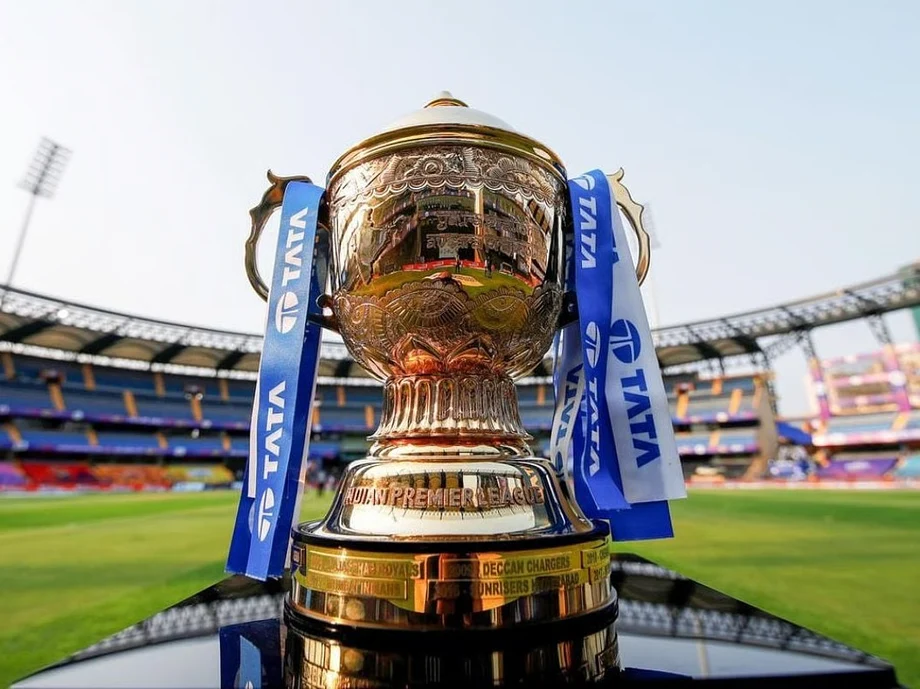
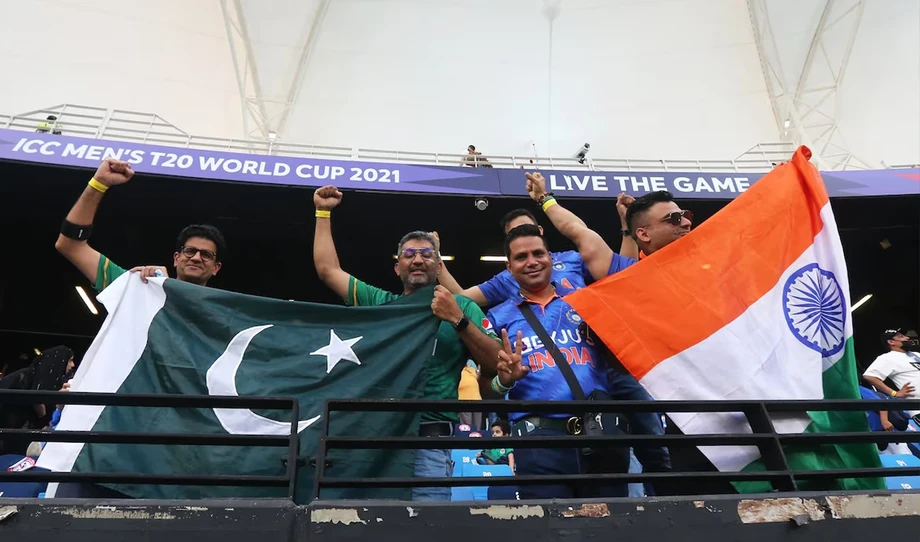
Ticket applications for the 2027 Men's Cricket World Cup are approaching 140 million, according to the International Cricket Council, with the October 10 India-Pakistan match in Johannesburg attracting nearly 8.4 million requests for a stadium holding 34,000 spectators.
Contents
- Millions seek a place at Africa's returning World Cup
- India-Pakistan demand exceeds the final
- How applications grew from one million
- What fans need to know about the ballot
- Prices aim to keep local supporters involved
- October 2 begins the competition, October 7 brings India-Australia
- How 14 teams become four semifinalists
- Twelve venues face different preparation tasks
- Three hosts seek a wider African legacy
- Key Points
The ticket ballot closes at 23:59 South African Standard Time on November 21, 2026. South Africa, Zimbabwe and Namibia will host the tournament from October 2 to November 21, 2027, staging 57 matches involving 14 teams across 12 venues.
Tournament director Sarah Edgar said demand had vastly exceeded expectations. Applications have come from close to 200 countries as the men's Cricket World Cup prepares to return to Africa for the first time since 2003.
Edgar described the return as a major draw for supporters around the world:
"It's the return of cricket to the African continent after 24 years, and I think the campaign has really captured the imagination of the fans around the world," Edgar said.
The scale of interest puts the ticket allocation process at the centre of preparations. Fans enter a ballot for the opportunity to buy tickets, with random selection used when applications exceed the available allocation. Registering earlier within the ballot window gives no advantage.
For the hosts, the immediate task extends beyond handling applications. Edgar has recently inspected all 12 venues, where preparations range from modest improvements to stadiums developed specifically with the World Cup in mind.
India-Pakistan demand exceeds the final
The October 10 group match at Wanderers Stadium has attracted nearly 8.4 million ticket requests, ahead of approximately 7.9 million for the November 21 final at the same ground. Earlier in November, the ICC put demand for India-Pakistan at more than eight million.
Using the stadium's stated capacity of 34,000, demand for the group encounter amounts to roughly 247 requests for every seat. The calculation shows the pressure on the allocation process; the ICC will use the ballot to decide who receives access to purchase tickets where demand exceeds supply.
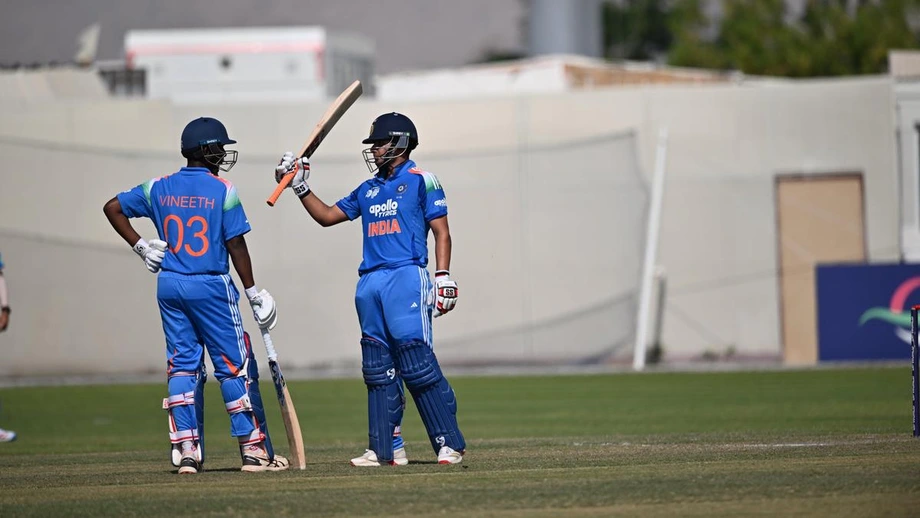
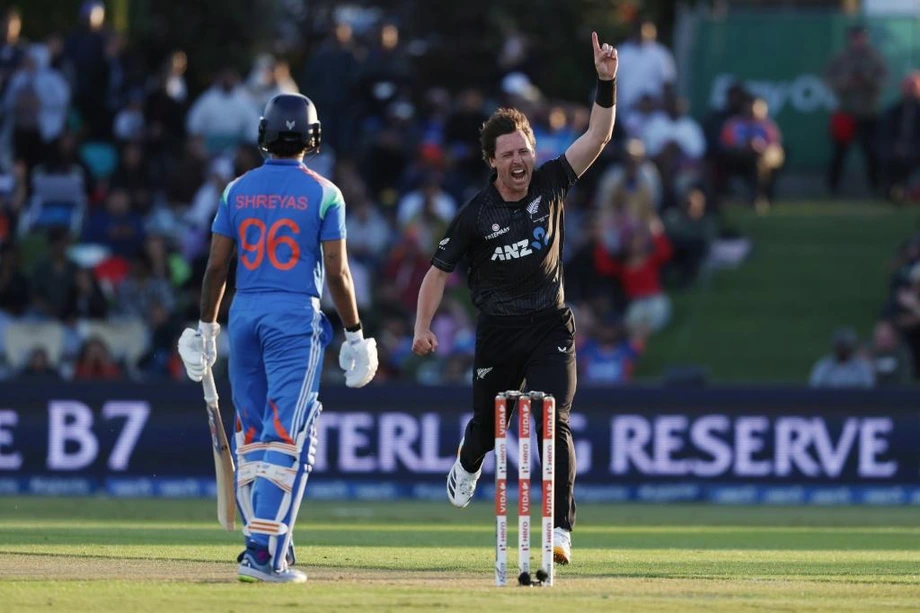
The rivalry remains a major attraction despite India's recent advantage in results. India have won the past nine meetings between the sides, with Pakistan's last victory coming at the 2022 Asia Cup. Across major ICC tournaments, India have won 19 of their 23 encounters.
Johannesburg will therefore host both the fixture attracting the most applications and the match that decides the champion. Interest is also strong in a possible second India-Pakistan meeting during the Super 7 stage, although the teams must first earn their places in that round.
How applications grew from one million
The ICC's early ticket update recorded more than one million applications in less than three days after the ballot opened on October 1, 2026. More than 320,000 fans had registered at that point.
India-Pakistan already led demand, with more than 100,000 applications. South Africa-India followed with more than 86,000, while India-Australia had more than 80,000. The final had attracted almost 65,000 applications.
By November 1, total ticket requests had passed 120 million. Approximately 2.8 million fans from 193 countries had registered, and more than 32 million match registrations had been completed. Fans from South Africa, the United Kingdom, India, the United States and Australia led registrations.
The figures count different parts of the process: fans register, choose matches and request tickets. One person can apply for several matches, so the total number of ticket requests grows much larger than the number of registered supporters.
The latest figure of close to 140 million requests shows that demand continued to build through November. Edgar said the response had placed the tournament among the world's leading sporting attractions.
What fans need to know about the ballot
The ICC's schedule and ballot announcement sets out a free registration process. Fans can submit one entry per person for each match and can enter for multiple fixtures across the tournament.
No payment is required during the ballot. When demand exceeds the ticket allocation, a random draw determines which applicants receive the opportunity to purchase. Successful applicants will receive instructions by email, and unsuccessful applicants will also be notified through the email address used to register.
The deadline is 23:59 SAST on November 21, 2026, the same time described in another ICC notice as 23:59 Central Africa Time. The ICC has not given a date in these announcements for sending the ballot results.
For supporters choosing between matches, the system allows applications throughout the registration period without rewarding those who entered first. The practical priority is to submit the desired match selections before the deadline and provide an email address that can receive the outcome and purchasing instructions.
Prices aim to keep local supporters involved
Announced ticket prices range from R158 to R514, approximately US$9.50 to US$31 depending on exchange rates. The ICC also lists family bundles, student and pensioner pricing, early local allocations, and options for community clubs and school groups.
Those arrangements matter for a tournament expecting visitors from across the world while also relying on support in its three host countries. The most sought fixtures face intense competition for seats, and the pricing programme seeks to bring families, younger spectators and local communities into the grounds.
ICC Chairman Jay Shah said accessibility was part of the organisation's approach:
The ICC remains committed to making its World Cup events accessible to as many fans as possible, with affordable ticket prices and options that bring families, young people and local communities closer to the action.
ICC chief executive Sanjog Gupta also linked the tournament to expanding cricket's audience. In the early ticket announcement, he described ICC events as platforms to widen and deepen support for the sport, and called the return of a major men's event Africa's moment to shine.
October 2 begins the competition, October 7 brings India-Australia
The World Cup begins on October 2 with a three team Super Series in Namibia. The group stage follows, including Australia against India at Newlands in Cape Town on October 7, a repeat of the 2023 final won by Australia in Ahmedabad.
The opening dates serve different parts of the competition: October 2 starts the preliminary round, while October 7 brings the first group fixtures. The ICC schedule also places India-Pakistan on October 10 and the final on November 21.
The main dates for supporters are:
- October 1, 2026: The ticket ballot opened.
- November 21, 2026: The ballot closes at 23:59 SAST.
- October 2, 2027: The Super Series begins in Namibia.
- October 7, 2027: Australia face India in Cape Town.
- October 10, 2027: India face Pakistan at Wanderers Stadium in Johannesburg.
- November 17 and 18, 2027: Cape Town and Tshwane host the semifinals.
- November 21, 2027: Johannesburg hosts the final.
Zimbabwe will return to the men's World Cup after a 12 year absence, opening against Qualifier A in Bulawayo on October 9. Namibia will host matches at the senior tournament for the first time.
How 14 teams become four semifinalists
The competition has three rounds before the semifinals and final. Ten teams secured direct entry to the group stage at the September 30, 2026 qualification cutoff, including full member hosts South Africa and Zimbabwe.
The 2027 World Cup Qualifier will determine the other four participants. Its winner advances directly to the group stage. The teams finishing second, third and fourth enter the opening Super Series in Namibia, where each plays the other two. Only the winner of that three team round progresses.
The resulting 12 teams then compete in two groups of six:
- Group A: India, Australia, Pakistan, Afghanistan, Zimbabwe and Qualifier A.
- Group B: New Zealand, South Africa, Sri Lanka, England, Bangladesh and Qualifier B.
Each team plays the other five sides in its group once. The top three in each group advance, along with the better of the two teams finishing fourth, creating the Super 7.
The seven remaining teams then each play six matches, one against every other side, for a total of 21 games. The top four reach the semifinals: first plays fourth, and second plays third. The winners meet in Johannesburg for the title.
Some Super 7 positions have been assigned to named teams in advance to help supporters plan travel and ticket applications. The November 7 slot designated for India-Pakistan had almost 75,000 applications in the ICC's early update. Qualification results determine which teams ultimately occupy those positions, with replacements taking the slots of displaced sides under the ICC rules.
Twelve venues face different preparation tasks
South Africa will provide eight venues, Zimbabwe three and Namibia one. South Africa's host cities are Johannesburg, Tshwane, Cape Town, Durban, Gqeberha, Bloemfontein, Paarl and KuGompo City. Zimbabwe's matches will take place in Harare, Bulawayo and Victoria Falls, with Windhoek hosting in Namibia.
Edgar said the grounds were at different stages of development after her latest inspection. Some require small upgrades, while the Victoria Falls venue is being built from scratch. The stadium in Windhoek was also developed with the World Cup in mind.
Victoria Falls will host Zimbabwe against India at Mosi-oa-Tunya Stadium in Match 33, putting a new venue on the schedule for one of the tournament's most closely followed teams.
Edgar said organisers were continuing to track preparations across all the grounds:
"We are pleased with the progress across all the 12 venues, and we actively monitor and continue to work through all the roadmaps for readiness," she said.
Three hosts seek a wider African legacy
The 2027 tournament returns to a continent that last hosted the men's World Cup in 2003, when matches were played in South Africa, Zimbabwe and Kenya. Namibia joins South Africa and Zimbabwe as a host this time, extending the tournament's footprint to another country.
Edgar said the three hosts would each bring a distinctive identity and culture, alongside the energy of local supporters. She also said organisers expected visitors from around the world and hoped the event would have lasting effects across Africa.
Trevor Manuel, independent chairperson of the local organising committee's board, said the hosts wanted visitors to experience more than the matches:
While the cricket will rightly take centre stage, this World Cup is also an opportunity to showcase the people, places and spirit that make Southern Africa so remarkable.
The combination of new grounds, local pricing programmes and international demand gives that ambition a concrete setting. The next immediate step is the close of the ballot on November 21, followed by notifications telling supporters whether they can proceed to buy tickets.
Key Points
- Ticket requests are approaching 140 million, with applications from close to 200 countries.
- India-Pakistan has attracted nearly 8.4 million requests for the October 10 match at Johannesburg's Wanderers Stadium.
- The free ballot closes at 23:59 SAST on November 21, 2026. Selection is random where demand exceeds allocation.
- Announced ticket prices range from R158 to R514, with family, student, pensioner and community options.
- South Africa, Zimbabwe and Namibia will stage 57 matches across 12 venues from October 2 to November 21, 2027.
- Venue preparations include a new stadium in Victoria Falls and a Windhoek ground developed with the World Cup in mind.