Idle Japanese tanks could become a regional oil reserve
Japan has proposed opening its unused oil storage tanks to Asian neighbours and creating a regional task force to coordinate emergency supplies, as disruption to shipments through the Strait of Hormuz exposes the region's dependence on Middle Eastern energy.
Contents
- Idle Japanese tanks could become a regional oil reserve
- What would the task force actually do?
- How the Philippine storage plan would work
- Why Hormuz has made cooperation urgent
- Two initiatives connect buyers, storage and suppliers
- The shortage reaches plastics and medical supplies
- Why an emissions forum is discussing oil reserves
- What governments still need to decide
- Key Points
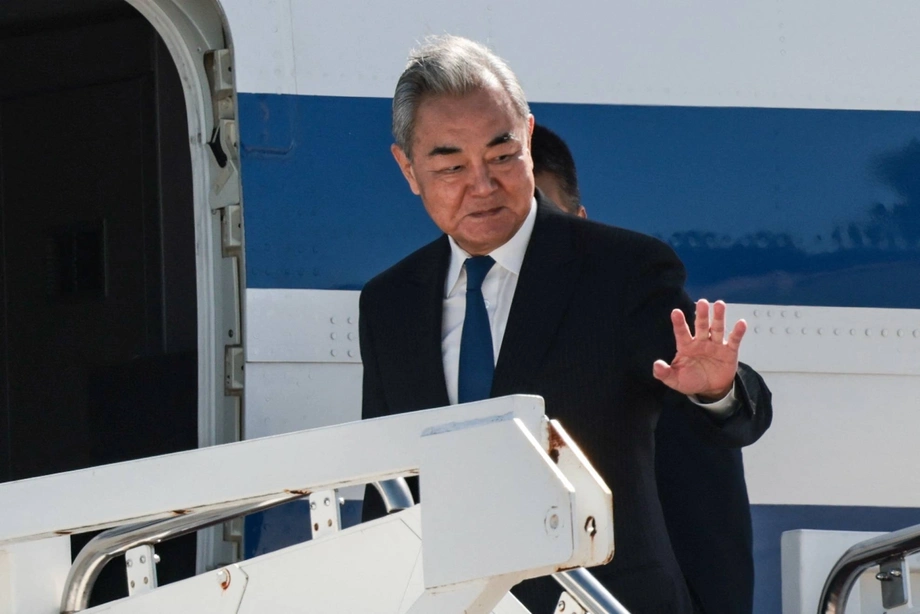
Prime Minister Sanae Takaichi presented the proposal on November 17, 2026, at the Asia Zero Emission Community (AZEC) leaders' meeting in Manila, alongside the ASEAN summit. Japan would help lead the task force with the Economic Research Institute for ASEAN and East Asia (ERIA), based in Indonesia, and coordinate with a Philippine initiative for shared oil storage.
The proposal brings together three practical needs: somewhere to keep emergency oil, rules for sharing it, and closer cooperation with the producers that supply it. Japan also proposed a Power Gulf Initiative to strengthen ties between Middle Eastern oil producers and Asian consuming countries.
Takaichi described the ambition as a regional counterpart to the International Energy Agency (IEA), which helps its members coordinate responses to oil supply emergencies.
"We intend to promote it as an equivalent of an Asian version of the International Energy Agency," she said.
Asia's exposure is especially large. According to Japan's Agency for Natural Resources and Energy, about 90 percent of the crude oil passing through the Strait of Hormuz is destined for Asia. Put simply, roughly nine out of every 10 barrels moving through that waterway are headed to Asian customers.
A separate IEA factsheet published in February 2026 estimates that 80 percent of oil transiting Hormuz, including crude and petroleum products, is destined for Asia. Its 2025 export figures and destination estimates are based on IEA analysis of Kpler data. It describes crude exports as mostly destined for Asia, without giving a 90 percent estimate or a methodology for that figure.
For governments facing tight supplies, the proposed reserve would offer another source of oil when normal deliveries are interrupted. Its usefulness would depend on both the fuel stored and the arrangements for getting it to countries that need it.
What would the task force actually do?
Japan and ERIA would develop rules for emergency releases and the sharing of oil held in national stockpiles. A stockpile is fuel kept in reserve so that a country can draw on it during a shortage rather than relying entirely on new deliveries.
The proposed framework would work with the IEA, with coordination of emergency releases and transfers envisaged through an IEA hub in Tokyo. Takaichi also called for a joint reserve system for Southeast Asia, supported by Japan's idle storage facilities.
The IEA was established in 1974 after the severe oil crisis of the early 1970s. It provides policy advice and helps coordinate member countries' oil reserves. Takaichi's comparison points to a similar role for Asia: agreeing in advance how governments will respond when supply is disrupted.
Storage and coordination address different parts of the same problem. Tanks provide space for fuel. Release rules determine when that fuel becomes available and how countries share access. Bringing both into one framework would give governments a more organised response than arranging assistance separately during each crisis.
How the Philippine storage plan would work
The Philippine initiative provides the Southeast Asian foundation for Japan's proposal. An initial ASEAN agreement envisages storage sites in Indonesia and Thailand, with participating countries able to draw oil during periods of tight supply.
Access would use a ticket system, modelled on arrangements used in the European Union. A participating country would pay an advance fee to reserve the right to buy a specified volume of oil or fuel held by another member country's energy company.
The payment would secure a purchasing right. When the agreed conditions were met, the country could exercise that right and buy the reserved volume. This would allow governments to arrange access to emergency supplies outside their own borders.
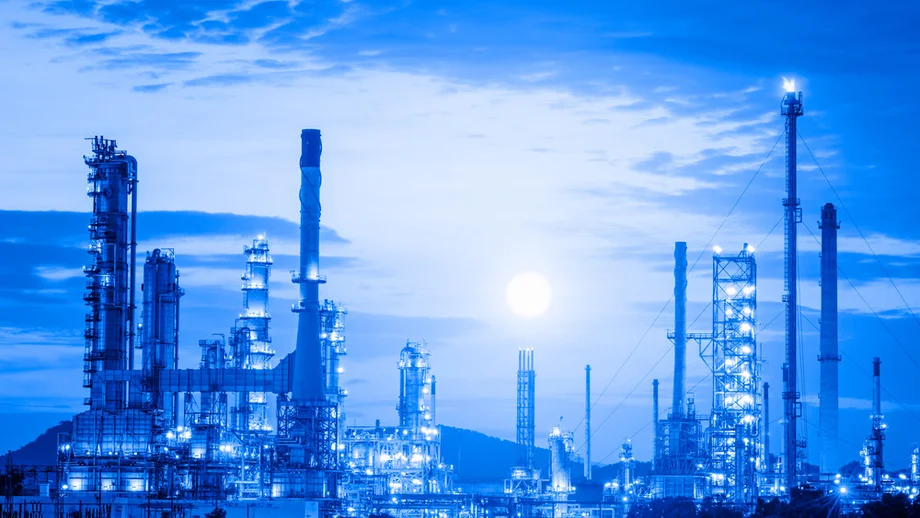
Japan's unused tanks could add storage capacity alongside the facilities envisaged in Indonesia and Thailand. Takaichi explicitly proposed coordinating that capacity with the plan led by the Philippines, connecting Japanese infrastructure with Southeast Asian emergency supply arrangements.
Philippine President Ferdinand Marcos Jr. told the Manila meeting that his country was making progress on its own strategic petroleum reserve and seeking investment in energy projects. The Philippines was the first Southeast Asian country to declare an energy emergency during the crisis.
Why Hormuz has made cooperation urgent
The Iran war, which began in late February, disrupted oil shipping through the Strait of Hormuz and pushed energy security higher on government agendas across Asia. The waterway carries supplies from the Persian Gulf to a region heavily dependent on imported oil and gas.
Japan and many Southeast Asian economies share that dependence, but their buffers differ. Southeast Asian countries hold smaller oil stockpiles than Japan, leaving them with less stored supply to draw on when deliveries become unreliable.
Oil and gas prices have risen, while some Asian countries have introduced emergency measures to conserve energy. Tight supplies affect both crude oil and petroleum products, making the problem broader than securing oil for refineries alone.
The main steps leading to the Manila proposal were:
- Late February: The Iran war began, followed by disruption to energy shipments through the Strait of Hormuz.
- April: Japan announced an initiative to strengthen regional energy supply chains and cooperation, including joint purchases.
- Before the November proposal: ASEAN announced an initial shared storage arrangement involving facilities in Indonesia and Thailand, under Philippine leadership.
- November 17, 2026: Takaichi proposed the Asian oil security task force, use of idle Japanese tanks and the Power Gulf Initiative in Manila.
The sequence shows a move from responding to immediate shortages toward preparing common arrangements for the next interruption. Joint purchasing, storage rights and emergency release rules address different stages of securing fuel.
Two initiatives connect buyers, storage and suppliers
Japan's April initiative, called Power Asia, is intended to support joint purchases of crude oil and petroleum products among Asian countries. Japan plans to allocate around 8.48 billion euros to that initiative.
The Japan Institute of International Affairs describes the initiative as POWERR Asia, or Partnership on Wide Energy and Resources Resilience Asia, announced by Takaichi at the AZEC Plus Online Leaders' Meeting on Energy Resilience on April 15, 2026. Its account sets out US$10 billion in financial cooperation through JBIC, NEXI and JICA, including support for alternative crude oil and petroleum product procurement, supply chains and affected governments, alongside longer-term investment in reserves, storage infrastructure and energy diversification.
Joint purchasing means countries cooperate in obtaining supplies rather than each arranging every purchase independently. Shared storage would then provide somewhere to keep part of that fuel, while the proposed task force would set rules for making reserves available during emergencies.
The Power Gulf Initiative has a different focus: cooperation between Asian buyers and Middle Eastern producers. It addresses the relationship between the countries that need imported energy and those supplying it.
Marcos, speaking as Philippine president at the summit, said lasting energy security required cooperation beyond stockpiling. He called for better information sharing, practical storage arrangements and protection of shipping routes.
"Sustainable and enduring energy security demands that oil-consuming and oil-producing nations act in unison. We must deepen information sharing and practical storage arrangements, as well as commit to upholding international law to keep sea lanes open and maintain fair, transparent markets," he said.
His comments connect the reserve proposal to the wider supply route. Oil must first be produced, purchased and transported before it can replenish a storage tank. Emergency reserves give governments time to respond when that chain is interrupted.
The shortage reaches plastics and medical supplies
Naphtha is among the petroleum products facing tight supply in Southeast Asia. It is a feedstock, a starting material used by chemical factories, for making plastics.
Disruption to Southeast Asian production has raised concern among Japanese healthcare providers that depend on regional supplies of medical containers, tubes and gloves. The effects of an energy shortage can therefore reach hospitals through the materials used to manufacture everyday medical equipment.
Crude oil and finished petroleum products serve different needs. Crude generally goes to a refinery for processing; products such as naphtha are used further along the production chain. The planned cooperation covers both crude and petroleum products, reflecting the range of shortages facing the region.
Japan also depends on goods produced elsewhere in Asia. Helping neighbouring economies maintain fuel and industrial production would support supply chains that Japanese businesses and healthcare providers use, as well as the countries receiving emergency oil.
Why an emissions forum is discussing oil reserves
AZEC provided the setting for the oil security proposal even though its name centres on reducing emissions. Its 11 members are Australia, Brunei, Cambodia, Indonesia, Japan, Laos, Malaysia, the Philippines, Singapore, Thailand and Vietnam.
The current crisis has pushed governments to address immediate fuel needs while also pursuing alternatives. Some countries have accelerated the use of rooftop solar and electric vehicles as oil and gas prices rose and shipping became less reliable.
Emergency storage and those changes operate on different timescales. Stored oil can help cover a present interruption. Solar power and electric vehicles can reduce some uses of imported fossil fuels as equipment is installed and transport fleets change.
Takaichi's wider Manila agenda also included cooperation with ASEAN on maritime safety, combating fraud, and economic and energy resilience. Shipping security has a direct connection to the reserve proposal because supplies must move between producers, storage sites and consuming countries.
What governments still need to decide
The task force remains a proposal. No start date, total reserve volume, allocation of Japanese tank capacity, detailed release thresholds or full terms for participating countries were announced.
Those decisions would determine what governments could access during an emergency. A shared reserve needs agreed purchasing rights, usable fuel and arrangements for moving it from storage to its destination. The proposed work on releases and transfers addresses that practical challenge.
Japan's existing storage capacity offers a concrete starting point, while the Philippine initiative supplies a model for reserving access across borders. Linking them would turn separate national assets and purchasing arrangements into a broader regional safety net.
For households, businesses and healthcare providers, the central issue is continuity: keeping transport operating, factories supplied and essential goods moving when normal energy deliveries are disrupted. The Manila proposals set out a framework for cooperation; negotiations would determine its scale and operation.
Key Points
- Japan proposed an Asian oil security task force in Manila on November 17, 2026.
- Japan and ERIA would help develop rules for emergency oil releases and sharing national stockpiles.
- Idle Japanese tanks could support a Philippine initiative involving storage in Indonesia and Thailand.
- A ticket system would let countries pay in advance for the right to purchase specified emergency supplies.
- About 90 percent of crude passing through the Strait of Hormuz is destined for Asia, according to Japan's energy agency.
- The Power Gulf Initiative would strengthen cooperation between Middle Eastern producers and Asian energy consumers.
- The reserve's capacity, participation terms and operating timetable have yet to be announced.