Mining reform returns with money for restoration and a greater local stake
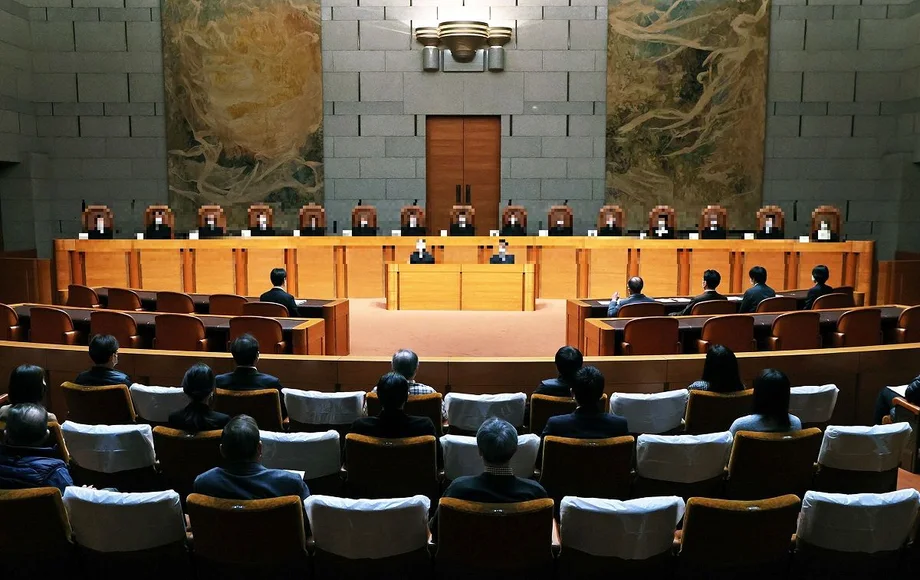
Bhutan's Mines and Minerals Bill 2026 would require mining companies to finance the restoration of damaged land and give communities materially affected by extraction priority opportunities to buy shares in companies operating near them. The National Assembly unanimously supported taking up the legislation, approved its first and second readings by a show of hands, and referred it to the Environment and Climate Change Committee.
Contents
- Mining reform returns with money for restoration and a greater local stake
- What Parliament is considering
- How the reclamation fund would work
- A restoration bond system is already in place
- Companies would have to plan for closure and emergencies
- Local benefits would extend beyond employment
- Who would control mining rights?
- Why the earlier reform stalled
- Mining revenue shows the financial stakes
- Key Points
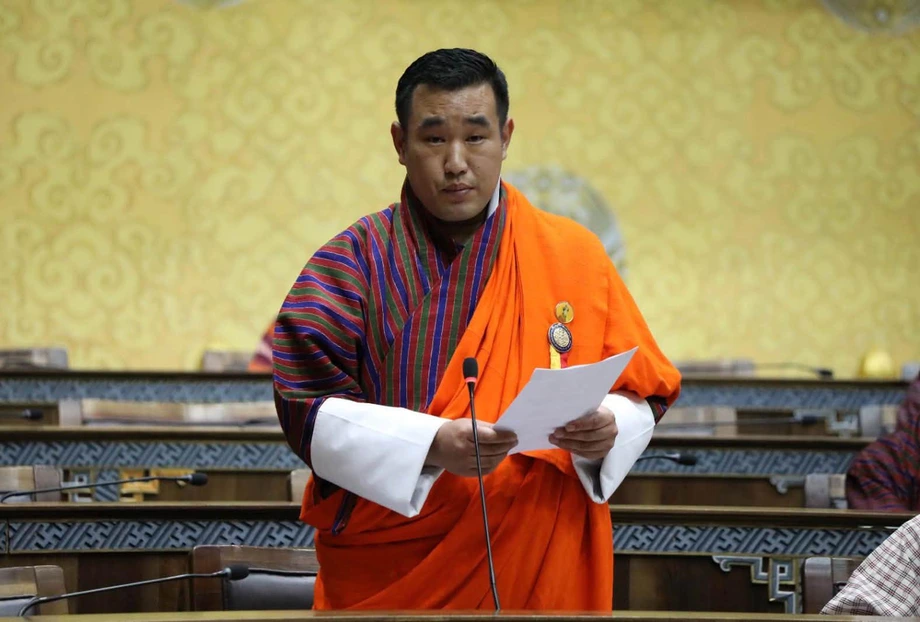
Energy and Natural Resources Minister Sonam Tashi introduced the proposal to revise a framework anchored in the Mines and Minerals Management Act of 1995. The committee is expected to present its findings in the next parliamentary session, before the bill's third reading. The proposed requirements still need to complete the legislative process.
The bill brings together several decisions with direct consequences for mining areas: who can hold extraction rights, how companies prepare for environmental risks, who pays to restore a closed mine, and how nearby residents share in its economic benefits.
Its proposed Mine Reclamation Fund would build on an existing restoration bond system that took effect in July 2025. That connection matters because Bhutan already requires financial security for mine restoration. The new proposal would establish a fund with specified uses for both its principal and the interest it earns.
What Parliament is considering
Sonam Tashi said the bill aims to strengthen transparency and accountability, encourage responsible investment, protect the environment and distribute mining benefits more fairly. It covers exploration, mining and quarrying, environmental risk management, community engagement and revenue collection.
The minister described a bill containing 15 chapters and 156 sections, drafted in consultation with relevant agencies. A detailed description of its provisions gives a different chapter count of 14.
Pema Drukpa, the National Assembly member for Khamaed-Lunana in Gasa, seconded the motion. He said revision was needed after 31 years under the existing legislation and expressed the expectation that stronger mineral management would benefit people across Bhutan's 20 districts and 205 gewogs, or local administrative areas.
The committee review gives lawmakers a further opportunity to examine how the proposed environmental, ownership and community provisions would work together before the House proceeds to its next reading.
How the reclamation fund would work
The Department of Geology and Mines would administer the proposed Mine Reclamation Fund and determine how much leaseholders must contribute and how often they must pay. The money would provide financial security for restoring mining and quarrying sites.
Reclamation means repairing land affected by extraction according to an approved plan. Under the bill, the fund's principal, meaning the money paid into it, would finance reclamation under the mine closure plan. Financial securities would be released only when the department was satisfied that restoration had been completed.
Interest earned on the fund could support afforestation, revegetation and environmental management. The proposal therefore separates the money reserved for a mine's closure obligations from earnings that could support related environmental work.
The practical issue for companies is that restoration would require financial preparation during the life of a lease. For nearby communities, the fund would place money behind a company's promise to repair the site after extraction ends. The department's decisions on contribution amounts and restoration standards would be central to how that protection works.
A restoration bond system is already in place
Bhutan's Environmental Restoration Bond Guidelines, dated January 1, 2025, took effect on July 1 that year. The FAOLEX legal summary hosted by the UN Environment Programme says they implement sections 70 and 71 of the Mines and Minerals Management Regulations, 2022.
The guidelines require mining lessees to restore a mine or quarry when a lease is surrendered, terminated or expires. A lessee can reclaim the bond after the Department of Geology and Mines certifies the restoration.
If the company fails to complete the work according to the Final Mine Feasibility Study or to the department's satisfaction, the bond can be used to pay restoration costs. A bond is a security deposit: money set aside so that an obligation has financial backing.
The existing guidelines and the proposed fund share the principle that the operator must provide financial security for restoration. How existing bond balances would be handled under the proposed fund, the future contribution rates and the exact date of the next parliamentary review have not been specified.
Companies would have to plan for closure and emergencies
Applicants would need to submit prefeasibility studies, detailed geological reports, feasibility studies, and mine closure and reclamation plans. These documents examine the mineral deposit, the proposed operation and how the site would be restored when mining finishes.
Leaseholders would also need Environmental and Social Risk Management Plans. These would address risks to the surrounding environment and people. Operators of hazardous mines would have a further obligation to prepare emergency response plans.
The Department of Geology and Mines would be able to suspend operations for serious breaches of lease conditions, violations of the law, or threats to national security, the environment or public health.
Except where risks require urgent action, operators would receive written notice and a reasonable opportunity to correct violations before suspension. The proposed process combines enforcement powers with a chance for companies to fix problems, while allowing faster intervention when a threat is urgent.
Local benefits would extend beyond employment
Mining companies would have to engage affected communities throughout their operations. Local residents and businesses would receive preference in employment, purchases of goods and services, and equipment hiring.
For people living near a mine, those provisions could create several routes to income: working for the operator, supplying its needs or renting it equipment. Their practical value would depend on the jobs and contracts available and how companies apply the preference.
Communities materially affected by mining would also receive priority opportunities to acquire equity in the companies operating in their areas, subject to company and securities laws. Equity means an ownership share in a business. Shareholders can receive dividends when a company distributes profits, while the value of their investment can also fall.
The proposal describes an opportunity to acquire shares, rather than an automatic allocation of company income. Local employment, commercial contracts and ownership are distinct benefits, and the bill seeks to address all three.
Who would control mining rights?
The Ministry of Energy and Natural Resources would retain authority over the approval, transfer and renewal of mining and quarrying leases. It would also periodically review mineral royalty rates, revise applicable fees and identify areas with mineral potential to inform infrastructure planning.
The bill would place an existing ownership limit into the proposed framework: no person could hold more than two mining or quarrying leases, including captive mines. A captive mine supplies a particular industrial operation.
State owned mining agencies and leases obtained through public auction would be exempt from the limit. Those exceptions are important to understanding its reach: the proposed ceiling would apply to some leaseholders, while allowing holdings beyond two leases in the specified categories.
Strategic minerals are another central issue. The revised legislation is intended to provide a clear list, reducing uncertainty about which resources receive special treatment and who can mine them.
The ministry could give state owned agencies preference when allocating strategic resources for national security, strategic economic interests or the security of critical supplies. The provision also leaves room for eligible private operators and states that such preference would neither confer exclusive rights nor create a monopoly.
Why the earlier reform stalled
The renewed bill follows an earlier effort that became stuck in Parliament. Pema Drukpa referred to a proposed amendment in 2020 that could not be implemented. The earlier mining bill was introduced in June 2021 and later deferred after six Joint Committee meetings failed to produce agreement.
Article 13(8) of Bhutan's Constitution sets out a procedure for disagreement between the two Houses. When the originating House refuses to incorporate the other House's amendments or objections, it must submit the bill to the Druk Gyalpo, who commands deliberation and a vote in a joint sitting.
Department of Geology and Mines Director General Phuntsho Namgyal previously described the deferment as an internal parliamentary process. He said the department had reworked contentious provisions concerning strategic minerals and submitted them to the Cabinet.
The main milestones are:
- 1995: The Mines and Minerals Management Act established the framework now targeted for revision.
- 2020: An amendment effort cited by Pema Drukpa could not be implemented.
- June 2021: The earlier mining bill was introduced, before its later deferment following six unsuccessful Joint Committee meetings.
- July 1, 2025: The Environmental Restoration Bond Guidelines took effect.
- 2026: The National Assembly approved the new bill's first and second readings and referred it for committee review.
Mining revenue shows the financial stakes
Department of Revenue and Customs figures put corporate income tax from mining at Nu 1.1486 billion in 2023, Nu 1.1003 billion in 2024 and Nu 1.2714 billion in 2025. Nu denotes Bhutan's currency, the ngultrum.
The 2025 corporate tax total was about 15.5% higher than in 2024 and 10.7% above 2023. That gives the proposed reforms a substantial public revenue context, alongside the environmental and community provisions.
Non-tax mineral royalties followed a different pattern. They rose from Nu 401.76 million in fiscal year 2022–23 to Nu 513.47 million in 2023–24, then eased to Nu 509.75 million in 2024–25. The latest figure remained about 26.9% above the first year's total.
Mine rental income fell from Nu 152.59 million to Nu 80 million and then Nu 49.48 million over those same fiscal years, a decline of about 67.6% between the first and last figures. Corporate tax is reported by calendar year here, while royalties and rent use fiscal years, so the figures describe separate revenue trends.
The bill places these public financial interests alongside two more direct obligations: financing restoration and giving affected communities access to economic opportunities. The committee's review will examine a framework that seeks to make those responsibilities part of how mining operates.
Key Points
- The Mines and Minerals Bill 2026 has passed its first and second readings and is awaiting committee review.
- A proposed reclamation fund would finance mine restoration, with contributions determined by the Department of Geology and Mines.
- Existing restoration bond guidelines have applied since July 1, 2025.
- Affected communities would receive local business and employment preferences, plus priority opportunities to acquire company shares.
- A limit of two leases would include exceptions for state owned agencies and leases secured through public auction.
- The committee is expected to report in the next parliamentary session before the third reading.