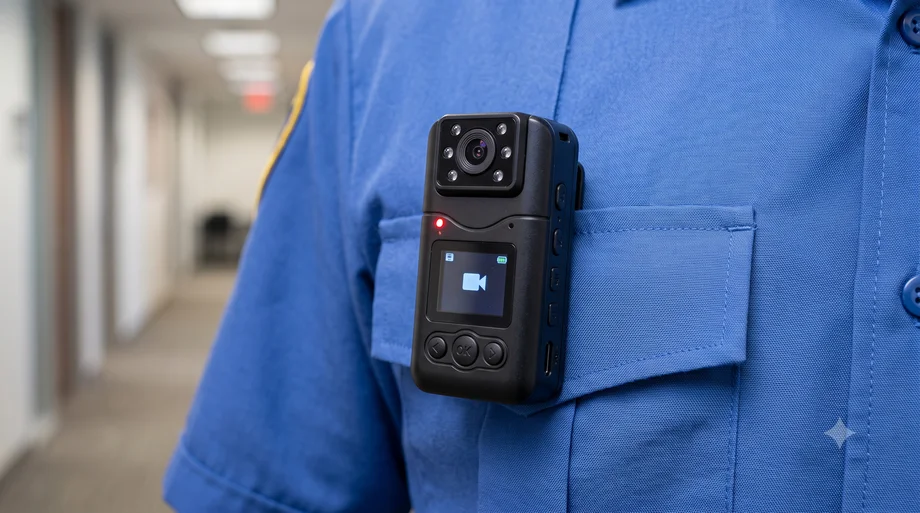
A costly camera programme struggles to reach daily policing
Bangladesh police have about 25,000 usable body cameras, yet Police Headquarters recorded the use of just 314 online devices and 2,800 offline devices during October 4 to 10. The limited deployment follows a purchase costing about Tk 100 crore, repeated instructions to officers and the creation of a central monitoring centre intended to make policing more transparent.
Contents
- A costly camera programme struggles to reach daily policing
- What the monitoring figures show
- From approval for 40,000 cameras to 20,000 purchases
- The election plan promised extensive live monitoring
- The monthly bill behind the unused equipment
- What officers are required to record
- Recording conduct also means protecting the footage
- The next step is turning instructions into routine use
- Key Points
The force bought 20,000 cameras before the February parliamentary election and already had about 5,000 usable devices, according to Police Headquarters officials. Former Inspector General of Police Baharul Alam put the expenditure above Tk 100 crore, although he said he could not recall the exact amount.
Police officials describe two problems running alongside each other: a shortage of money to keep cameras connected and resistance from officers who do not want their conduct recorded. Technical difficulties and practical challenges in the field have also restricted use.
Additional Inspector General Khandaker Rafiqul Islam described the resistance in direct terms:
Our force does not want to be accountable -- we have issued instructions repeatedly, but they do not use the cameras,
The cameras were purchased to record encounters between police and the public, help maintain order and support crime prevention. Their usefulness depends on officers wearing and activating them during ordinary duties, rather than reserving them for elections, festivals and other major events.
What the monitoring figures show
The Police Headquarters Media Wing gave the October 4 to 10 figures as 314 online cameras and 2,800 offline cameras. Together, those counts total 3,114 devices, compared with an operational inventory of about 25,000. Offline devices accounted for roughly nine out of every 10 cameras in the recorded usage figures.
Online cameras can transmit footage through an internet connection so that supervisors can watch events as they happen. Offline cameras save recordings on the device for later upload. Both can create a record of an encounter, but only the connected devices provide immediate remote monitoring.
Police Headquarters has established a central data centre under its Operations Unit to oversee use. A senior headquarters official said camera deployment comes up regularly at meetings, with district and metropolitan officials promising to monitor compliance, but without improvement.
Additional Inspector General for Operations Saidur Rahman acknowledged that use outside major occasions remained limited. He said cameras were being deployed occasionally outside metropolitan areas, particularly during major religious festivals and other important events.
Rahman described the current effort to expand deployment:
We are trying to increase the use of these cameras,
From approval for 40,000 cameras to 20,000 purchases
The procurement began with a larger ambition. On September 23, 2025, the advisers' council committee on government procurement, chaired by Finance Adviser Salauddin Ahmed, approved a proposal to acquire 40,000 cameras for police ahead of the national parliamentary election.
The decision to procure at least 40,000 cameras had been discussed at a high-level meeting on August 9, 2025, at the State Guest House Jamuna in Dhaka, chaired by Chief Adviser Muhammad Yunus. Authorities aimed to obtain the devices by October so officers could train on their features, including AI capabilities, and had approached companies from Germany, China and Thailand to supply them. Yunus instructed officials to expedite procurement and ensure proper training for thousands of police personnel.
Ahmed said the government would pay the full cost from the election budget under the Ministry of Finance. The United Nations Development Programme (UNDP) was supposed to handle procurement, with the stated aims of securing quality, controlling costs and protecting transparency.
Ahmed also specified which institution would receive the equipment:
This is not for the Election Commission, it is for the police force. We will ensure no shortfall in resources critical to securing a fair and orderly election,
Baharul Alam said UNDP could not supply the cameras within the required timeframe. Police Headquarters then allocated money to district police chiefs and metropolitan commissioners to make purchases. The force ultimately bought 20,000 devices, half the number originally approved, and combined them with its existing stock.
The programme developed through several stages:
- December 31, 2014: Dhaka Metropolitan Police's traffic division began using body cameras in a pilot project.
- April 2021: Disputes over police encounters brought renewed public discussion about recording officers on duty.
- August 9, 2025: A meeting chaired by Chief Adviser Muhammad Yunus discussed procuring at least 40,000 cameras, with an October target to allow officer training.
- September 23, 2025: The procurement committee approved a proposal for 40,000 cameras.
- Before the February election: Police bought 20,000 cameras and counted about 5,000 existing devices as usable.
- October 4 to 10: Headquarters monitoring recorded use of 314 online and 2,800 offline cameras.
The election plan promised extensive live monitoring
Election preparations envisaged cameras at 25,000 polling centres considered risky or important, out of 42,779 centres nationwide. That would have covered about 58 percent of polling locations, concentrating equipment where officials expected greater security needs.
Police officers and constables were to wear the cameras on their chests while on election duty. The August 9 meeting also announced plans for an Election App offering candidate details, voting-booth updates and a feature for submitting complaints. Yunus urged officials to fast-track its launch and make it user-friendly for the country's more than 100 million voters.
The election deployment plan described 15,000 online cameras and 10,000 offline cameras. Home Affairs Adviser Jahangir Alam Chowdhury announced that police would receive 25,700 devices, while the current headquarters inventory is about 25,000. The procurement figures describe 10,000 online cameras among the 20,000 newly purchased devices; the election plan counted a larger online fleet.
Under the planned system, an officer facing trouble at a polling centre could send an SOS alert and stream video to a control room. Senior officers could then watch the situation and issue instructions. Saved footage was also intended to support examination of complaints and disputed incidents.
The monitoring network was designed around 720 user platforms, with docking stations at police stations and offices of commissioners, range deputy inspectors general and police superintendents. A docking station provides a connection point for managing cameras and their recordings.
Dhaka Metropolitan Police Additional Commissioner for Crime and Operations S.N. Nazrul Islam said docking stations were being installed at every DMP police station so responsible officers could supervise cameras deployed at polling centres. That extensive election architecture contrasts with the limited use now acknowledged during routine duties.
The monthly bill behind the unused equipment
Assistant Inspector General for Media Kamarum Munira identified connectivity costs as a direct obstacle. She said special allocations allow cameras to be used at events, while regular funding falls short.
Munira explained the expense facing the force:
Each camera requires an internet connection costing around Tk 1,000 a month -- we have a budget shortfall for this. Cameras are used at events through special allocations, which is why their use remains limited,
At that quoted rate, maintaining internet connections for the 10,000 newly purchased online cameras would cost about Tk 1 crore a month, or Tk 12 crore a year. This calculation covers connectivity alone. Equipment maintenance, storage and the staff time needed to manage recordings would require other resources.
An inspector in Rajshahi Range expressed the same problem from the field:
Body-worn cameras are good for ensuring accountability, but who will pay for the internet?
Offline devices store footage without transmitting it live. Their continued limited use puts the focus on other barriers identified by officers, including resistance to scrutiny, technical problems and practical difficulties during operations.
The funding issue also predates this purchase. A discussion of body cameras in April 2021 cited an estimate from Viridian Weapon Technologies of $5,000 to operate one camera and store its data for five years. Bangladesh now has its own concrete example of the recurring costs that follow an equipment purchase.
What officers are required to record
Police Headquarters introduced a standard operating procedure after procurement. This is a written set of instructions explaining when officers must wear the cameras and the duties they are intended to record.
The instructions cover patrols, traffic management, responses to crimes and accidents, raids, searches, arrests, investigations, crime scene examinations and public order operations. They also cover election campaigns, duties at polling centres where applicable, and major national and international events.
Those requirements extend the programme far beyond election security. A traffic stop, a search or an arrest can involve sharply different accounts from an officer and a member of the public. A recording gives investigators a further record to examine when deciding what happened.
A senior headquarters official said some officers were reluctant because footage could expose bribery, misconduct or mistreatment of the public. That account places accountability itself among the reasons for low use, alongside the financial and technical explanations.
For members of the public, the practical consequence is fewer recorded encounters during the duties listed in the procedure. For officers facing an inaccurate allegation, an unused camera also means losing a potential record of their actions.
Recording conduct also means protecting the footage
The election monitoring plans addressed the security of recorded video as well as its collection. They described a protected network with alerts and automatic blocking for suspicious traffic, intended to reduce the risk of unauthorised access.
Planned safeguards included multiple checks to verify a user's identity before access, known as multi-factor authentication. The plans also called for access logs that could not be changed or deleted. Such logs record who viewed, copied or used a video, allowing supervisors to trace activity involving sensitive footage.
Those protections matter because recordings may contain private conversations, allegations, injuries or people caught in vulnerable circumstances. Managing the camera programme therefore involves deciding who can see footage and keeping a reliable record of how it is handled.
Bangladesh's earlier debate showed why access to a fuller account can matter. After an April 18, 2021 confrontation between a doctor and law enforcement personnel at Elephant Road in Dhaka, the Bangladesh Police Service Association condemned the doctor's behaviour, while the Bangladesh Medical Association expressed concern about harassment of the doctor.
A day earlier, workers and police had given conflicting accounts of shootings during a protest at a power plant under construction in Banshkhali, Chattogram. Police said protesters attacked the plant and officers; workers said police fired indiscriminately. The initial death toll was five. Those disputes helped bring attention to the value of recordings that investigators could examine alongside statements from those involved.
The next step is turning instructions into routine use
Police already have equipment, a monitoring centre and written instructions covering a broad range of duties. The immediate challenge is making those arrangements function consistently outside occasions supported by special funding.
Headquarters officials have identified both the need to pay recurring bills and the need to secure compliance from officers. No timetable has been announced for closing the connectivity funding gap or achieving routine use across the force.
The programme's results will be most tangible in ordinary encounters: whether a patrol records an arrest, whether a traffic officer captures a disputed exchange, and whether investigators can retrieve the footage afterwards. Those are the daily tasks the cameras were purchased to support.
Key Points
- Bangladesh police have about 25,000 usable body cameras, including 20,000 newly purchased devices.
- Headquarters recorded use of 314 online and 2,800 offline cameras during October 4 to 10.
- The government approved a proposal for 40,000 cameras on September 23, 2025; police ultimately purchased half that number.
- Officials cite funding shortages, technical problems, operational difficulties and resistance to accountability.
- Internet connections for 10,000 cameras would cost about Tk 12 crore annually at the monthly rate quoted by police.
- Police instructions require cameras during routine duties including patrols, searches, arrests and traffic management.