Four to five years of supply, with prices still to come
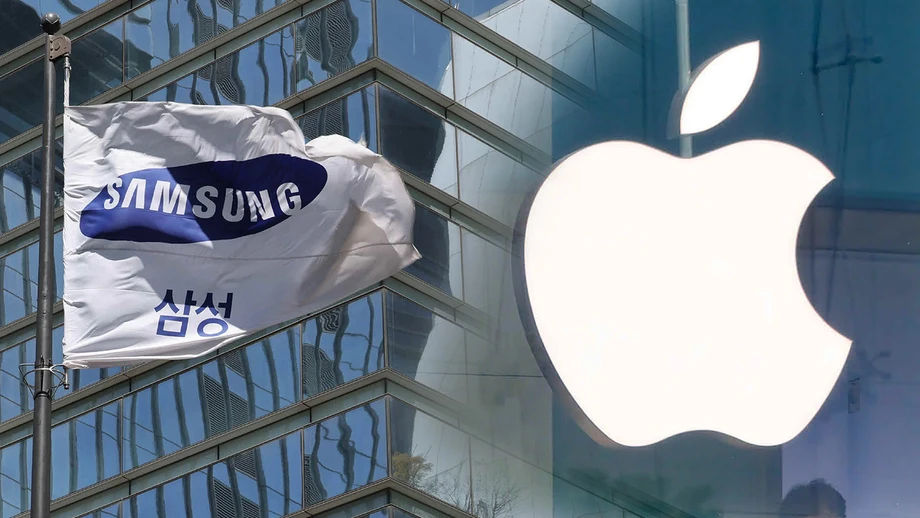
Apple and Samsung Electronics are reportedly finalizing a memory supply agreement that would run for four to five years from the first half of 2027, a major change for a buyer known for pressing component makers to cut prices. The proposed deal would reserve a minimum volume of DRAM chips, while leaving prices to be settled later according to market conditions.
Contents
- Four to five years of supply, with prices still to come
- What Apple would be securing
- Why Apple's buying power is under pressure
- Servers are taking a larger share of memory demand
- SK hynix puts long term contracts at the center of its plans
- Samsung and Micron are locking in customers too
- Long supply commitments can coexist with changing prices
- How the market moved from losses to scarcity
- What the shift could mean for device buyers
- Key Points
Industry accounts dated November 17, 2026, describe the negotiations as being in their final stages. Apple has also reportedly signed an agreement with SK hynix on terms favorable to the supplier. Together, the arrangements show how demand from artificial intelligence data centers is changing the purchasing choices of even the largest electronics companies.
Apple needs memory for products including iPhones and Macs. Amazon, Google and other technology companies need huge quantities for servers running AI services. As chipmakers direct more production toward those servers, smartphone manufacturers face a harder task securing the components needed to keep their own factories supplied.
The commercial shift is simple: Apple is seeking greater certainty about how many chips it can buy, while suppliers retain more freedom over the price. A contract lasting several years can protect access to production without fixing the cost for its entire life.
The reported Samsung agreement is generally described as lasting four to five years, although one industry account gives a four year term. Neither Apple nor Samsung has publicly commented on the negotiations. The minimum volume, pricing formula, signing date and any cancellation penalties have not been disclosed.
What Apple would be securing
DRAM is the working memory a device uses while running applications and processing information. NAND flash is storage that keeps photographs, applications and other files even when the power is off. Apple buys both, but the Samsung negotiations concern DRAM.
A long term supply agreement, often shortened to LTA, commits a buyer and supplier to doing business over an extended period. Its practical value depends on the details: the quantity promised, how prices change, and what happens if either side cannot meet its obligations.
The proposed Samsung contract reportedly sets a lower limit on the DRAM supplied. Other industry descriptions of Apple's recent memory arrangements suggest provisions requiring buyers to purchase agreed quantities or pay penalties for breaking commitments. Those provisions would give suppliers more protection against sudden order reductions.
Apple is also believed to have pursued agreements with NAND producers such as Japan's Kioxia. The clearest reported terms concern Samsung's DRAM negotiations and the recently signed SK hynix arrangement.
Why Apple's buying power is under pressure
Apple has traditionally benefited from enormous purchasing scale. Industry estimates put annual iPhone sales at at least 200 million units, iPad sales at about 60 million and Mac sales at at least 20 million. Orders of that size make Apple a valuable customer across the component industry.
Apple has often favored shorter memory contracts and sought lower prices at renewal. Industry accounts also describe earlier agreements that allowed it considerable flexibility over orders, leaving suppliers exposed when market prices fell.
Past disputes over NAND illustrate the tension. Apple reportedly demanded a most favored customer clause, requiring suppliers to offer it prices no higher than those charged to other buyers, along with access to accounting records to check compliance. More than a decade ago, a dispute over Micron selling NAND more cheaply to other customers reportedly ended in an arbitration settlement worth tens of millions of dollars.
Today's shortage changes that calculation. Suppliers have other large customers willing to commit money and purchase volumes well into the future. For Apple, having chips arrive in time for device production can become more valuable than winning another reduction in their price.
Servers are taking a larger share of memory demand
Server products accounted for 38% of global DRAM demand in 2025, according to TrendForce figures cited by LS Securities. Their share is forecast to reach 43% in 2026. Mobile products are expected to move in the opposite direction, from 36% to 32%.
Those figures show the gap widening from 2 percentage points in 2025 to 11 percentage points in 2026. Servers were already ahead of mobile devices, but the forecast puts considerably more distance between the two markets within one year.
Amazon and Google are reportedly paying high prices to secure memory for AI data centers. Chipmakers are assigning more production resources to server DRAM and high bandwidth memory, or HBM. HBM stacks memory chips together to move large amounts of data quickly, helping powerful AI processors stay supplied with information.
Mobile DRAM and HBM serve different products, but manufacturers must still decide where to direct investment, equipment and production resources. Prioritizing the most profitable server products leaves phone makers competing for a more constrained supply of mobile memory.
SK hynix puts long term contracts at the center of its plans
SK hynix supplied an official measure of the contracting shift in its second quarter results, published on July 29, 2026. The company said it had completed LTA negotiations with around 10 customers, including key customers, and was continuing discussions with other major buyers.
The company reported quarterly revenue of 79.3187 trillion won and operating profit of 60.5426 trillion won, equivalent to an operating margin of about 76%. Revenue rose 257% and operating profit rose 557% from a year earlier. SK hynix attributed the record performance to strong AI infrastructure demand, higher memory prices and increased sales of valuable server products.
SK hynix said customer demand exceeded its ability to supply chips, making timely delivery a central competitive strength. Its strategy combined agreements lasting several years with production expansion, while maintaining discipline over capital spending.
Later industry accounts put its LTA customer count at 14 and describe orders extending through 2028 equivalent to at least half its production volume. The progression from around 10 customers in July shows how quickly buyers have been seeking commitments.
Samsung and Micron are locking in customers too
Samsung said at its October 29 earnings announcement that it had signed LTAs with 10 major customers and was negotiating with another 10. It aimed to place 60% to 70% of total production capacity under long term agreements by 2030.
Samsung also said its HBM products for 2027 were already sold out. For the third quarter of 2026, it reported revenue of 195.25 trillion won and operating profit of 107.44 trillion won. Its semiconductor division generated 106.5 trillion won of operating profit, accounting for 99.1% of the company total.
Micron has reportedly signed 26 strategic customer agreements, arrangements described as comparable to LTAs. Across the three major suppliers, more future production is being allocated through advance commitments rather than left available for buyers to negotiate closer to delivery.
Apple offers suppliers something different from another AI data center customer: large purchases tied to phones, tablets and computers. That broadens the mix of demand supporting their factories. If AI investment slows, consumer device orders could provide another source of business, although those orders still depend on household spending.
Long supply commitments can coexist with changing prices
Memory contract practices were already changing earlier in 2026. Industry accounts in February described suppliers replacing agreements that fixed prices for six to 12 months with arrangements lasting quarters or months, sometimes using prices adjusted after delivery.
Under that approach, known as post settlement pricing, a buyer receives chips during the contract period and the final payment is adjusted to reflect market prices. Rising prices increase the buyer's bill; falling prices reduce it. Traditional quarterly renegotiations had typically kept adjustments within a band of roughly 10%.
The proposed Apple agreement combines a long supply horizon with prices determined later. Quantity and price operate on different schedules: a manufacturer can promise access to chips for years while keeping the payment responsive to market conditions.
TF International Securities analyst Ming-Chi Kuo said earlier in 2026 that Apple had moved from negotiating memory prices twice a year to quarterly discussions. He expected increases in low power DRAM prices in Apple's first fiscal quarter of 2026 and again in the following quarter. The reported changes show suppliers seeking both committed customers and more frequent opportunities to adjust charges.
How the market moved from losses to scarcity
Memory manufacturers expanded capacity after the cloud investment boom of 2018. Demand later failed to keep pace with that growth, helping produce a glut and steep price declines. In 2023, Samsung's semiconductor division recorded an operating loss of about 15 trillion won, while SK hynix lost about 7 trillion won.
Micron chief executive Sanjay Mehrotra described the damage from that downturn in an interview in June:
In 2023, during the memory downturn, customers pushed prices down to about a third of their previous level,
Mehrotra also described the effect on manufacturers:
Companies suffered losses, and this seriously affected the industry's investment capacity.
Industry accounts describe reduced or deferred investment during the downturn and its aftermath. When AI infrastructure demand accelerated in 2025, production could not expand immediately to meet it. SK hynix is now bringing forward production at M15X and preparing to expand capacity after its first Yongin fabrication plant opens its cleanroom in early 2027.
The main steps in the shift are:
- 2023: A memory glut drove steep losses at Samsung's semiconductor division and SK hynix.
- 2025: AI infrastructure demand accelerated as suppliers maintained cautious investment policies.
- July 29, 2026: SK hynix announced completed LTA negotiations with around 10 customers.
- October 29, 2026: Samsung said it had signed 10 LTAs and sold out its 2027 HBM supply.
- November 17, 2026: Industry accounts described Apple and Samsung as finalizing a DRAM agreement.
- First half of 2027: The proposed Apple and Samsung contract would begin.
What the shift could mean for device buyers
Higher memory costs create a choice for electronics manufacturers: charge customers more, accept lower profit margins, or change the products they sell. Some Chinese smartphone vendors have reportedly delayed launches or reduced hardware specifications as memory became harder to obtain.
Counterpoint Research figures cited in industry coverage put global smartphone revenue at $114 billion in the third quarter of 2026, up 3% from a year earlier, while shipments fell 19%. Taken together, those figures imply roughly a 27% increase in average revenue per phone shipped, reflecting a market selling fewer devices at a higher average value.
Apple has more room than many competitors to absorb component inflation because of its margins and position in premium devices. Kuo suggested earlier in 2026 that the company might accept higher memory costs to protect shipment volumes and was considering largely unchanged starting prices for its planned iPhone 18 lineup.
Consumers still face a risk of more expensive electronics, often called chipflation. Higher prices can encourage people to keep their current phones and computers longer. That would eventually reduce demand for the same memory chips now in short supply, leaving manufacturers to balance today's strong pricing power against tomorrow's purchasing decisions.
Key Points
- Apple and Samsung are reportedly finalizing a DRAM agreement lasting four to five years from the first half of 2027.
- The proposed deal would set a minimum supply volume, with prices determined later according to market conditions.
- Apple has reportedly signed a supplier favorable agreement with SK hynix.
- Server products are forecast to account for 43% of DRAM demand in 2026, compared with 32% for mobile products.
- Samsung, SK hynix and Micron are securing advance customer commitments as AI demand strains supply.
- Device makers face higher costs, while consumers may respond by delaying purchases.