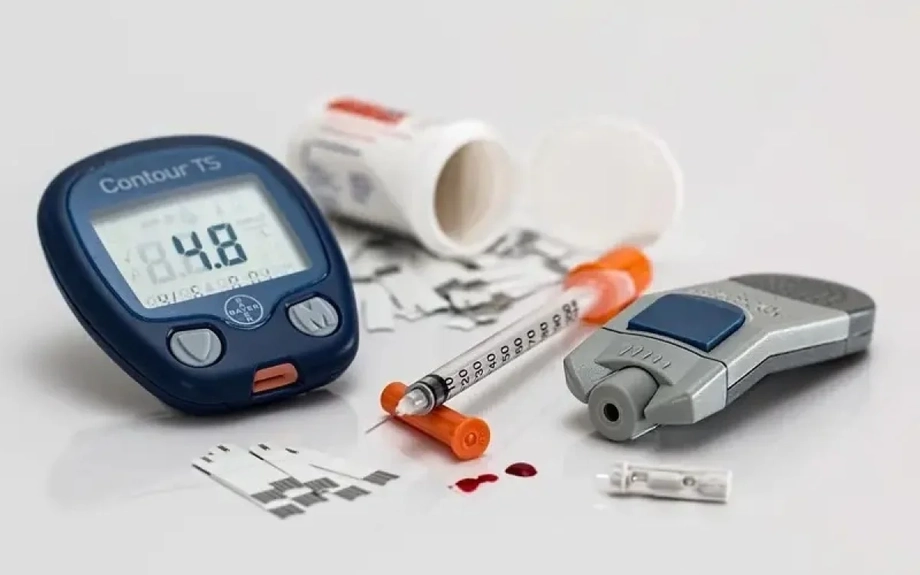
Diabetes diagnoses rise sharply among younger adolescents
Kazakhstan recorded a threefold increase in new type 2 diabetes diagnoses among children aged 10 to 13 between 2014 and 2021, according to a national study of electronic health records. The rate rose from 1.9 to 5.8 cases per 100,000 children, while almost one in six of the 725 adolescents studied had a hospital admission after diagnosis.
Contents
- Diabetes diagnoses rise sharply among younger adolescents
- What the childhood weight figures show
- More exercise, more screen time and missed warning signs
- Complications are already appearing in adolescence
- The wider diabetes burden keeps growing
- Medication spending rises, but treatment gaps persist
- Free screening broadens access to diagnosis
- Digital alerts need to lead to treatment
- New medicines enter the discussion
- Key Points
The findings give a detailed picture of the childhood diabetes problem described at the Almaty Diabetes Forum. Zhanai Akanov, a medical scientist and member of the Executive Board of the Asian Association for the Study of Diabetes, warned that growing obesity, gaps in prevention and weaknesses in medication planning are putting more people at risk of serious complications.
The national adolescent diabetes study, by Kuralay Atageldiyeva and colleagues, followed records for children aged 10 to 17 in Kazakhstan's Unified National Electronic Healthcare System. Among those aged 14 to 17, new diagnoses increased from 3.5 to 8.2 per 100,000, more than doubling over the same period.
Type 2 diabetes develops when the body responds poorly to insulin, the hormone that helps sugar move from the blood into cells for energy. Blood sugar then rises. Although often associated with adults, the condition can develop in children and cause damage to the eyes, nerves, kidneys and heart.
Girls had higher recorded rates than boys throughout the study's endpoints. Their incidence rose from 3.0 to 7.3 per 100,000 between 2014 and 2021, compared with an increase from 2.5 to 6.5 among boys. Incidence means newly diagnosed cases during a particular period, rather than everyone already living with the disease.
What the childhood weight figures show
Kazakhstan's Ministry of Health and the World Health Organization found that 21% of children aged six to nine were living with overweight or obesity in a nationwide survey conducted in 2020. WHO published its childhood obesity findings in April 2022, drawing on the Childhood Obesity Surveillance Initiative, known as COSI, with support from UNICEF.
Among children aged eight, about 24% of boys and 18% of girls had overweight or obesity. Girls' prevalence had stayed almost stable since 2015, while the proportion among boys had increased. WHO described Kazakhstan's levels as relatively low compared with other countries in its European Region, while warning about the direction of change.
A 2024 academic paper, Childhood Body Fat Patterns, examined the surveys in greater detail. It cited a 2020 overweight prevalence of 21.1%, including obesity, among children aged eight, with obesity alone at 7.1%.
The researchers also estimated body fat using height, weight, age, sex and an equation adapted for regional populations. Among boys aged nine, average body fat increased from 32.2% of body weight in 2015 to 33.4% in 2020. The share above the study's threshold for high body fat rose from 14.7% to 20.5%, an increase of 5.8 percentage points.
Girls' average body fat levels stayed broadly stable over those years. The study therefore points to different patterns by age and sex, rather than a uniform increase across every group of children.
More exercise, more screen time and missed warning signs
Kazakhstan's survey recorded encouraging activity levels alongside less healthy habits. Daily physical activity lasting at least 60 minutes reached 86%, even as sugary drink consumption and time spent using electronic devices increased.
Dr Zhanar Kalmakova, then acting Board Chair at the Ministry of Health's National Center of Public Health, described the competing trends:
In Kazakhstan, we can see a gradual shift towards consumption of more sugary drinks and more sedentary leisure time spent with gadgets. But at the same time, we see more positive trends.
Parents often missed another warning sign. Among surveyed children with overweight or obesity, 77.6% had parents who considered their weight average. Around 5% of children were thin, showing that nutrition services also need to identify children at the other end of the weight range.
WHO recommended measures that extend beyond advice to individual families: healthier food in schools, better access to fruit, vegetables and whole grains, restrictions on advertising foods high in sugar, salt and fat, and policies affecting their affordability. It also called for access to weight management services regardless of family income.
Complications are already appearing in adolescence
The national diabetes cohort recorded eye damage known as retinopathy in 106 adolescents, or 14.62% of the group. Nerve damage, called neuropathy, affected 88, or 12.14%. Diabetic foot conditions were recorded in 48, or 6.62%.
Retinopathy affects the small blood vessels in the retina, the part of the eye that detects light. Neuropathy can reduce sensation or cause pain. Foot problems become especially dangerous when reduced sensation allows injuries to go unnoticed and healing is impaired.
After diagnosis, 129 of the 725 adolescents, or 17.79%, were admitted to hospital at least once for any cause. Rural residence was associated with a 51% higher hospitalization hazard than urban residence after the researchers adjusted for other recorded factors. High blood pressure was associated with roughly twice the hazard, while eye and nerve complications were associated with still higher levels.
The researchers used routine medical records, and diagnosis accuracy and completeness depended on clinical documentation. They could not independently verify each type 2 diabetes diagnosis, and detailed clinical information was limited. Their results identify groups needing closer attention, particularly rural adolescents and those already experiencing complications.
The wider diabetes burden keeps growing
Kazakhstan's Ministry of Healthcare recorded 580,085 people with diabetes under medical follow-up as of June 30, 2026, an increase of 45,052, or 8.4%, over the preceding 12 months. The International Diabetes Federation estimated approximately 842,300 people living with diabetes, including people who may be unaware of their condition.
About 6,500 registered patients are younger than 18. Type 2 diabetes accounts for approximately 95% of registered patients across all ages; the figure for children with that specific type was not given. Almaty alone has 68,632 registered patients with diabetes, including 65,354 with type 2.
Ministry figures covering diabetes of all types also show a sustained rise in new diagnoses. The main changes span several periods:
- 2014 to 2021: Recorded type 2 diabetes incidence rose from 1.9 to 5.8 per 100,000 among children aged 10 to 13, and from 3.5 to 8.2 among those aged 14 to 17.
- 2021 to 2025: National diabetes incidence across all ages increased from 273.1 to 331.6 per 100,000 residents, a rise of 21.4%.
- 2021 to 2025: Among children aged zero to 14, new diabetes diagnoses increased from 15.0 to 22.9 per 100,000 children.
- 2025: Incidence among adolescents aged 15 to 17 stood at 37.1 per 100,000, below 39.0 in 2024 but above 24.8 in 2021.
The figures for all diabetes include type 1, which develops when the immune system attacks cells that produce insulin. The adolescent study tracked type 2 specifically. Keeping the disease types and age groups separate helps show where the increase is occurring and which services children need.
Medication spending rises, but treatment gaps persist
Akanov said Kazakhstan allocates approximately 60 billion tenge annually for diabetes medicines, making diabetes the most expensive disease in its outpatient medication provision system, ahead of cancer and cardiovascular diseases. Laura Daniyarova, the Ministry of Healthcare's chief freelance endocrinologist, gave a figure of nearly 54 billion tenge for the preceding year, compared with 15 billion a decade earlier.
Daniyarova's figures represent an increase to roughly 3.6 times the earlier funding level in cash terms. Akanov's concern was how procurement and distribution translate that spending into treatment for the patients who need it.
Akanov described the mismatch between new diagnoses, complications and planned medicine supplies:
More than 100 new cases of diabetes are registered in the country every day. However, the actual provision of medication often does not correspond to patients' clinical needs. Of every 10 patients with diabetes, six already have complications and require organ-protective therapy. Yet, under current procurement plans, only half receive the necessary treatment.
Treatment that protects organs aims to reduce damage to the heart or kidneys as well as control blood sugar. Akanov also cited six lower limb amputations a day nationwide and linked growing complications to planning errors and incomplete compliance with diagnostic protocols.
Free screening broadens access to diagnosis
Kazakhstan has included diabetes screening in the Guaranteed Volume of Free Medical Care, allowing people to undergo screening regardless of their status in the compulsory social health insurance system, known as OSMS. Daniyarova also confirmed access without an insurance requirement.
For people who have delayed testing because they lack insurance coverage, the measure removes a financial eligibility barrier. Screening can identify raised blood sugar before a person seeks care for a serious complication.
Registered patients have access to free medicines and insulin, while clinics operate diabetes schools that provide education about managing the condition. Almaty has also opened a Republican Center of Excellence for Endocrinology and Diabetes, adding specialist capacity for monitoring and treatment.
The ministry links the rising burden to excess weight, obesity, poor nutrition, insufficient physical activity, heredity and other risk factors. The childhood surveys and adolescent hospital records point to different needs within that response: prevention for younger children, accurate diagnosis, and regular monitoring for those already receiving treatment.
Digital alerts need to lead to treatment
Svetlana Bolshakova, Head of the Department of Endocrinology at Kazakh National Medical University and Almaty's chief freelance endocrinologist, said healthcare teams need to move beyond collecting data and make timely clinical decisions.
Bolshakova described how a digital assistant can draw attention to risks during care:
A digital assistant allows doctors to assess cardiovascular risks within seconds, identify declining kidney function, and detect gaps in medical examinations.
A warning about declining kidney function can prompt a doctor to review treatment before damage advances. An alert about missing examinations can help bring a patient back for checks that might otherwise be delayed. Bolshakova said the value of digital tools lies in their ability to prompt treatment protecting the heart and kidneys and help prevent heart attacks, strokes, hospital admissions and worsening chronic kidney disease.
Kazakhstan's electronic records already allow researchers to trace diagnoses and complications nationally. Linking those records to clinical action addresses a different task: making sure a risk identified on a screen leads to an examination, a treatment decision and access to the prescribed medicine.
New medicines enter the discussion
Toshihiko Yada, a professor in the Department of Fundamental Medicine at Nagoya University in Japan, told the Almaty forum that newer medicines have changed approaches to treating diabetes and obesity. He discussed GLP-1 receptor agonists such as semaglutide and medicines acting on two hormone pathways, including tirzepatide.
These medicines act on signals involved in blood sugar regulation and appetite. A receptor is a receiving point on a cell; an agonist activates it. Medicines targeting more than one receptor aim to act through several biological pathways.
Forum participants also discussed retatrutide, which targets three receptors, and amylin analogues, medicines designed to mimic another hormone involved in regulating food intake and blood sugar. Yada said the mechanisms of newer treatments still require further research. Participants anticipated that retatrutide could enter clinical practice within two to three years, although no Kazakhstan approval or availability date was given.
For Kazakhstan, the immediate priorities described at the forum remain concrete: detect diabetes earlier, check for complications, plan medicine purchases around clinical needs and make treatment accessible. The childhood data add urgency because some patients are already developing eye, nerve and foot problems before reaching adulthood.
Key Points
- Recorded type 2 diabetes incidence among children aged 10 to 13 rose from 1.9 to 5.8 per 100,000 between 2014 and 2021.
- A national cohort of 725 adolescents recorded 129 hospital admissions after diagnosis, alongside eye, nerve and foot complications.
- The 2020 national survey found overweight or obesity in 21% of children aged six to nine.
- Kazakhstan registered 580,085 people with diabetes for medical follow-up as of June 30, 2026.
- Officials describe rising medication spending, while Akanov warns of gaps between procurement plans and clinical needs.
- Diabetes screening is available regardless of compulsory health insurance status.