Ban Kaen Nuea told to stop drinking community tap water
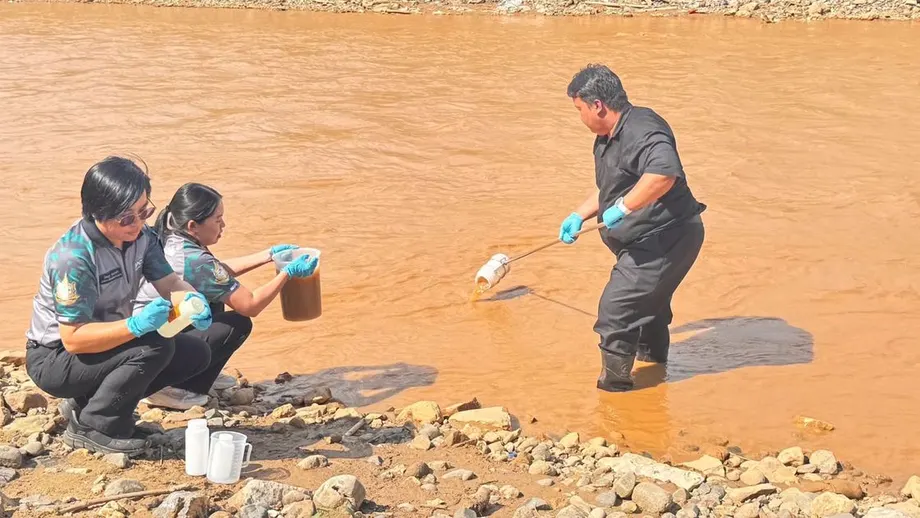
Laboratory tests found arsenic at 0.415 milligrams per litre in community tap water at Ban Kaen Nuea, Village 3, in Huai So subdistrict of Chiang Khong district, Chiang Rai province. The concentration was about 41 times the drinking water limit of 0.01 milligrams per litre. Fluoride measured 6.37 milligrams per litre, more than six times the standard applied in the tests.
Contents
- Ban Kaen Nuea told to stop drinking community tap water
- What the laboratory figures mean
- Why the existing filters were insufficient
- Groundwater restrictions follow findings in 12 villages
- An eight kilometre connection to a replacement source
- The dates that will determine delivery
- Free water for drinking and food preparation
- Specialist filters undergo a second village trial
- Reservoir supplies have already replaced some wells
- Key Points
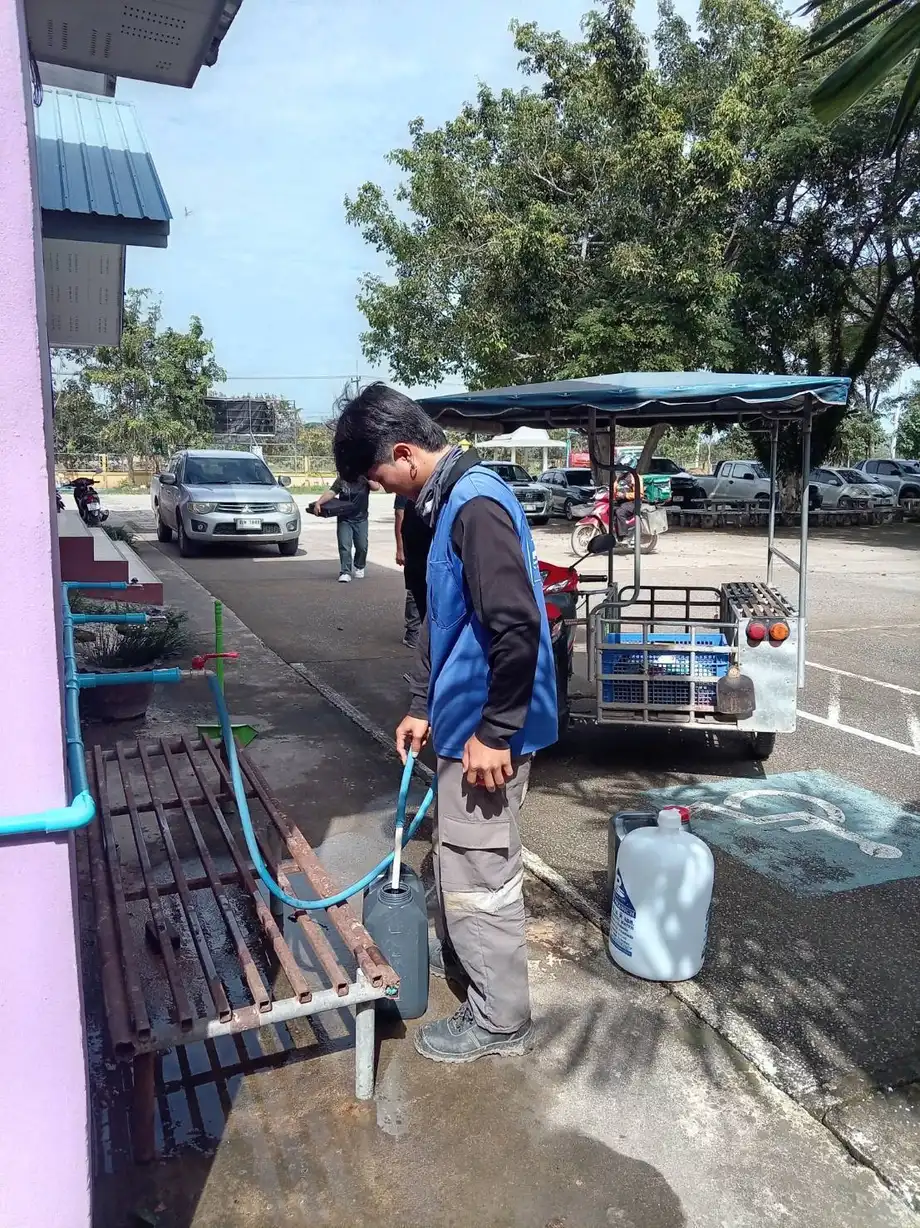
Municipal authorities have prohibited residents from using the community supply for drinking, cooking, brushing teeth or soaking rice. Free treated water is available at the Huai So municipal office while officials prepare a pipeline from a reservoir about eight kilometres away.
The findings, disclosed on November 14 and 15, 2026, came from testing by the Department of Health's public health laboratory across 21 water quality measures. Water samples had been submitted in June. Cleaning the village filtration system and replacing its filter material brought arsenic down to 0.2 milligrams per litre, still 20 times the limit.
Huai So Mayor Chan Ta Khlai said the municipality would reduce its dependence on groundwater and use reservoir water instead. The immediate pipeline proposal carries a budget ceiling of 800,000 baht, with a route survey scheduled for November 16 and an intended start of service in December.
What the laboratory figures mean
Ban Kaen Nuea's initial arsenic concentration was 0.415 milligrams in each litre of water, compared with a permitted concentration of 0.01 milligrams. The fluoride result of 6.37 milligrams per litre was compared with a limit of 1 milligram per litre.
Arsenic is a toxic element that can occur in groundwater. Repeated exposure through drinking water and food preparation is a health concern. Fluoride is a different substance, and too much of it over time can damage teeth and bones. Both results therefore matter when deciding whether the village supply is suitable for consumption.
The change from 0.415 to 0.2 milligrams per litre represents an arsenic reduction of about 52%. Residents nevertheless remain under the consumption ban because the treated water is still far above the required level. No updated fluoride measurement was announced alongside that reduction.
Why the existing filters were insufficient
Chan said filtration systems previously installed in four or five villages were purchased before arsenic had been identified as a treatment requirement. Their procurement specifications covered making water clearer, adjusting acidity, removing iron deposits and reducing bacteria.
Those tasks require different treatment processes from removing dissolved arsenic. A filter can remove visible particles while dissolved substances remain in the water. The mayor said the existing equipment had not been designed specifically to remove arsenic.
Ban Kaen Nuea's filter cleaning and replacement work reduced the concentration, but the municipality is pursuing a different water source alongside trials of equipment intended for arsenic removal. For households, the practical instruction remains to obtain tested replacement water for drinking and food preparation.
Groundwater restrictions follow findings in 12 villages
Chan said arsenic had been detected in groundwater in 12 Huai So villages, with two villages exceeding the standard. Some sampling points measured around 0.05 milligrams per litre, equivalent to five times the 0.01 milligram limit.
The mayor attributed contamination to the subdistrict's position along a belt of rock containing gold mineralisation, citing information from the Department of Mineral Resources and the Department of Health. Water moving through underground rock can pick up substances contained in those formations.
Huai So has suspended new groundwater drilling. Chan said concentrations vary between wells, making another well in the same area an uncertain replacement for a contaminated supply. The municipality's response is to draw more of its untreated water from reservoirs before processing it for distribution.
An eight kilometre connection to a replacement source
Huai Yaek Sai reservoir, at Ban Noen Sombun, Village 8, is the proposed replacement source for the Ban Kaen area. The municipality says preliminary testing found no arsenic or other toxic contamination and that the reservoir has enough water for the intended service area.
Officials describe the project as serving four villages or nearby communities, naming Ban Kaen Nuea, Village 3; Ban Kaen Salong, Village 23; and Ban Kaen, Village 14. A fourth village was not identified. The proposed pipe would carry untreated reservoir water to the community water production system.
Chan described the reservoir's capacity as approximately 540,000 cubic metres following dredging and expansion, up from less than 500,000 cubic metres. Project details also described military assistance for the expansion as work still to be arranged. The stated capacity therefore needs to be understood alongside the construction schedule.
The reservoir recently came under municipal management. Chan explained the intended change in supply when describing the agreement with village leaders:
We will reduce reliance on groundwater and instead draw surface water from Huai Yaek Sai reservoir at Ban Noen Sombun, Village 8.
The proposal brings water collection, pipeline construction and treatment into the same response. Its immediate purpose is to replace the contaminated groundwater feeding the affected communities.
The dates that will determine delivery
Municipal officials expect the pipeline work to take about one month and aim to begin supplying water in December 2026. The proposal is due before the municipal council in late November, following the route survey and design work.
Chiang Khong district chief Surachet Phui Noi has also scheduled a meeting of the district committee responsible for water for household use and consumption. The announced sequence is:
- June 2026: Water samples were submitted for laboratory testing.
- November 14 and 15: The contamination findings and municipal response were publicly described.
- November 16: Officials were scheduled to survey the pipeline route, while a private company planned to move trial arsenic filters to Ban Kaen Nuea.
- November 17: The district water management committee was due to review the situation and response.
- Late November: The pipeline proposal was expected to go before the municipal council.
- December: The municipality aimed to bring the reservoir connection into service.
The consumption ban and free water distribution cover the period before that replacement supply becomes available.
Free water for drinking and food preparation
Huai So municipality is providing approximately 100 litres of treated water per household per day, free of charge. Residents can bring containers to collect it at the municipal office. The replacement supply is intended for the daily uses prohibited under the village tap water warning.
The municipal drinking water system draws from two wells and uses reverse osmosis, commonly called RO, followed by ultraviolet disinfection. Reverse osmosis pushes water through a membrane that separates many dissolved substances from it. Ultraviolet light is used to disinfect the water.
Chan said laboratory testing in Lampang found that the finished water passed all 21 tested measures. Chiang Rai's provincial public health office had accepted it as suitable for consumption under the Public Health Act, while registration with Thailand's Food and Drug Administration was being sought.
The collection arrangement gives households a replacement for essential consumption needs, although they must transport the water from the municipal office. The municipality had prepared the RO system since the previous year as part of its response planning.
Specialist filters undergo a second village trial
A private company in Chiang Rai has supplied three experimental arsenic filtration units without charge. During a trial lasting one week at Ban Kiang Tai, Village 6, arsenic fell from 0.29 to 0.001 milligrams per litre.
That is a reduction of approximately 99.7%, calculated from the initial and final concentrations. The final reading was one tenth of the 0.01 milligram drinking water limit. The company planned to move all three units to Ban Kaen Nuea on November 16 to test their performance where contamination was higher.
The municipality also plans to test biochar alongside filtration at Ban Kaen Nuea and at other wells with lower contamination levels. Biochar is a carbon rich material made by heating organic material with little oxygen; its surface can capture some substances from water.
A research team working with the Chiang Rai Provincial Administrative Organisation supplied the material. Results from the planned Ban Kaen Nuea filter and biochar trials had yet to be announced.
Reservoir supplies have already replaced some wells
Huai So's reservoir proposal follows work in nearly 10 villages where the municipality says it has addressed contamination by changing water sources. Chan said the programme had been running for more than a year, within a target of resolving arsenic and other water contamination problems over two years.
Ban Kiang Nuea, Village 4; Ban Kiang, Village 17; and Village 15 were among the communities connected to untreated water from Huai Kiang reservoir. According to the mayor, their latest tests found no arsenic above the standard after the switch.
The municipality also plans to coordinate with the Royal Irrigation Department on another reservoir along Huai Kiang. These projects would increase the surface water available to communities that previously relied on wells.
Chiang Khong's district committee is meanwhile reviewing water quality more widely. Surachet said preliminary checks found many community supplies failing quality requirements, with excessive heavy metals in some locations. More samples were being sent for laboratory analysis.
District officials are also monitoring possible movement of contaminants into food, following earlier findings of heavy metals in Mekong River sediment. Huai So itself is inland, and the mayor's explanation for its groundwater contamination centres on local geology. The Provincial Waterworks Authority's Chiang Khong branch was reported by district officials to be producing water that met standards, with no arsenic contamination detected.
Key Points
- Ban Kaen Nuea's community water contained arsenic at 0.415 milligrams per litre, about 41 times the limit, and fluoride at 6.37 milligrams per litre.
- Cleaning and replacing filter material reduced arsenic to 0.2 milligrams per litre, still 20 times the limit.
- Residents must not use the affected supply for drinking, cooking, brushing teeth or soaking rice.
- Free tested RO water is available at the Huai So municipal office, at approximately 100 litres per household daily.
- An eight kilometre reservoir pipeline, budgeted at no more than 800,000 baht, is intended to begin service in December 2026.
- Specialist filtration trials and further laboratory testing are planned alongside the change in water source.