Patients can keep taking medicines already on the market
Nepal's Department of Drug Administration has revoked manufacturing licences and registration certificates covering 47 immunosuppressant brands, citing missing risk assessments and concerns about contamination during production. The department has since clarified that medicines already imported or available on the market can still be sold, distributed and used under medical advice.
Contents
- Patients can keep taking medicines already on the market
- What the department has restricted
- Why factory conditions are at the centre of the decision
- How the requirements developed
- Which medicines and manufacturers are affected?
- Why patients cannot simply stop treatment
- Doctors question the scale of the action
- Temporary permissions aim to protect supply
- Audits and patient contacts
- Key Points
The action affects 33 brands manufactured in Nepal, 13 in India and one in Bangladesh. It restricts new production and imports of the affected products, creating uncertainty about future supplies of medicines that thousands of patients need regularly.
More than 4,000 people in Nepal are estimated to have undergone kidney transplantation. For these patients, immunosuppressants stop the body's defence system from attacking the transplanted kidney. Doctors warn that stopping treatment or changing medicines without medical supervision can put the organ at risk.
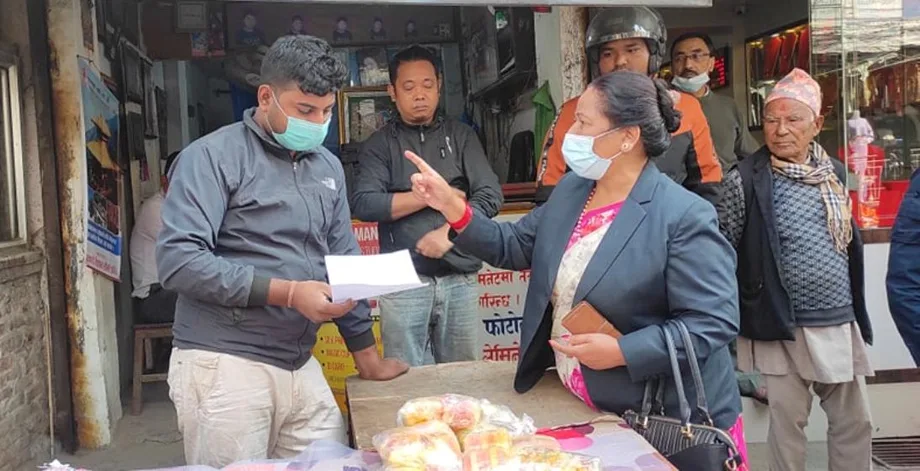
The department's clarification followed concern among patients, relatives and kidney specialists, including reports that patients were contacting hospitals to ask which medicines they should now take. Some had already bought supplies and were unsure whether to continue using them.
The immediate message from the department and treating doctors is that patients should continue prescribed treatment and consult their physician about any change. The longer challenge is keeping supplies available while manufacturers and importers meet the production requirements.
What the department has restricted
The department said the affected manufacturers and importers had failed to submit satisfactory risk assessment documents within the required period or meet the specified standards. Its action covers manufacturing permissions and registration documents used to authorise medicines and their importation.
Initial descriptions of the decision referred to restrictions on sales and distribution. In its Thursday clarification, the department said the restriction concerns new production and imports, while medicines already brought into Nepal or circulating in the market remain available for sale and use.
The Department of Drug Administration described the scope of its action in its statement:
"Only certificates of those companies have been revoked," the statement said.
The clarification gives patients access to existing stock while the supply arrangements change. The department has not published figures in these announcements showing how much stock remains or how long it will last.
The regulator said it was committed to preventing shortages for transplant recipients and people with chronic illnesses. It also asked patients to take available medicines regularly according to their doctor's advice.
Why factory conditions are at the centre of the decision
The department's concern is cross contamination, which happens when material from one medicine gets into another during manufacturing. Shared equipment, production rooms or air systems can create routes for that contamination unless factories have suitable controls.
Immunosuppressants reduce the activity of the immune system. Their production therefore requires careful management of any residue that could reach other medicines made at the same site.
The department says its requirements follow World Health Organization technical standards. It identified risk management, cleaning validation, separate ventilation systems, limits on exposure based on health risks, and dedicated production facilities where the assessment requires them.
Cleaning validation means checking and documenting that a cleaning process reliably removes drug residues. Limits based on health risks help determine how much exposure to a substance can be accepted when assessing a manufacturing process.
A dedicated facility separates the production of particular medicines from other manufacturing. The department's explanation places that requirement within an assessment of the risks associated with the medicine and the factory.
The DDA authorises medicine manufacturing and imports, inspects pharmacies, monitors quality standards and tests samples collected from the market. It also orders suspensions and recalls when medicines fail quality requirements.
How the requirements developed
The department says manufacturers and importers received public notices before the cancellations. Its official notice to manufacturers is dated 15 Baisakh 2083 in Nepal's Bikram Sambat calendar and specifically concerns immunosuppressant medicines.
The sequence includes requirements issued months before the cancellation decision and a later clarification about existing supplies. Dates below use the Nepali calendar:
- 15 Baisakh 2083: The DDA published a notice concerning immunosuppressants for manufacturers and importers.
- 21 Jestha 2083: The department says it issued a further notice on risk assessment and the necessary production arrangements.
- 20 Asoj 2083: The director general's decision revoked the affected permissions and registration documents.
- 27 Asoj 2083: Public reporting detailed the action affecting 47 brands.
- Thursday, following concern from patients and doctors: The department clarified that existing market stocks could still be sold and used.
The department presents the action as enforcement of previously announced requirements. Doctors have focused on whether adequate replacement supplies and arrangements for patients were in place when those requirements took effect.
Which medicines and manufacturers are affected?
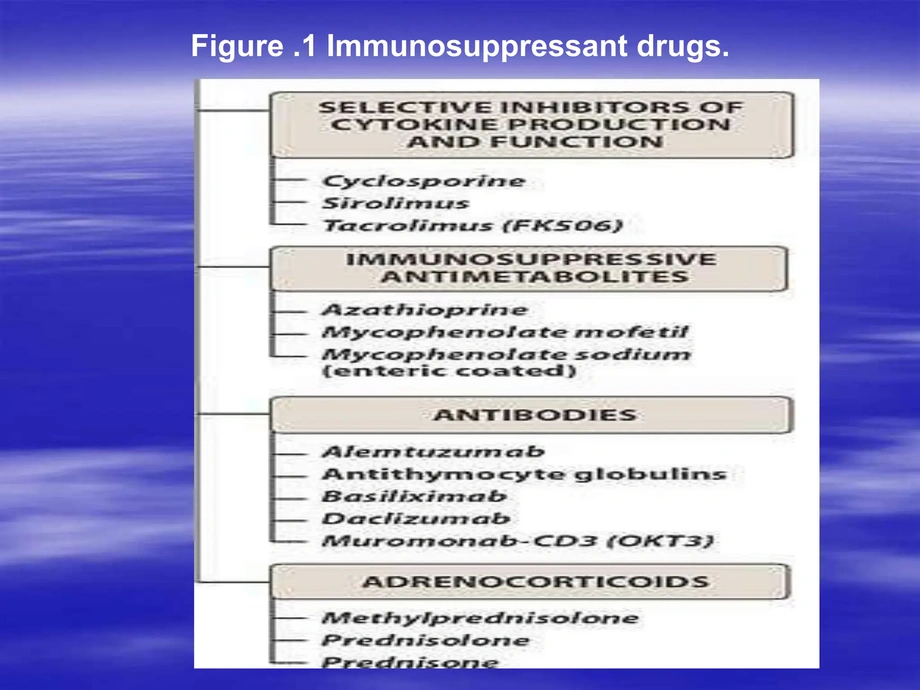
The cancellation list covers products in four medicine groups: tofacitinib, leflunomide, tacrolimus and mycophenolate mofetil. These are generic names, identifying the medicine rather than the company name printed on its packaging.
Named tacrolimus products include Takfa, Pangraf, Immunotac and Seegraf in listed strengths of 0.5 and 1 milligram. Other listed products include tofacitinib brands such as Tofaking and Tofamax, leflunomide brands such as Lefron and Imulef, and mycophenolate products such as Mofetil and Mycophen.
The manufacturers identified include Nepalese companies Prime Pharmaceuticals, Divine Laboratories, Maruti Pharma, Asian Pharmaceuticals and Nepal Remedies. Foreign manufacturers named include India's Intas Pharmaceuticals, Panacea Biotec, RPG Life Sciences and Micro Labs, and Bangladesh's Eskayef Pharmaceuticals.
Nepal accounts for 33 of the 47 affected brands, or about 70 percent. India accounts for 13 and Bangladesh for one. Those figures count brands, rather than patients, doses or the share of medicines sold.
Dr. Anil Baral, a senior nephrologist at Bir Hospital, said Nepal has no pharmaceutical industry manufacturing or packaging tacrolimus. His concern is that restrictions on imported tacrolimus brands could leave transplant patients dependent on a narrower range of supplies.
Why patients cannot simply stop treatment
Kidney transplant recipients generally need immunosuppressive treatment for the rest of their lives. Doctors described patients taking their prescribed medicines every morning and evening to keep the immune response under control.
The immune system normally protects the body by attacking things it recognises as foreign. After transplantation, it can recognise the donated kidney as foreign too. Immunosuppressants reduce that response so the kidney can continue working.
Interrupting treatment can allow the immune system to attack the organ, a process called rejection. Rejection can damage the transplanted kidney and, in severe cases, cause graft failure. A graft is the transplanted organ. Patients whose kidney graft fails may need dialysis or another transplant.
Doctors also warn that rejection can begin before a patient notices symptoms. Feeling well is therefore no reason to stop the prescribed medicines.
Liver transplant recipients also use immunosuppressants. The wider medicine class is used for autoimmune diseases, including rheumatoid arthritis and lupus, and for some inflammatory conditions, severe asthma and serious allergic reactions. The treatment and dosing depend on the illness and the particular drug.
For patients already holding the affected medicines, the DDA's clarification allows continued use under medical advice. Anyone considering a replacement needs guidance from the clinician managing their treatment.
Doctors question the scale of the action
Baral questioned the sudden withdrawal of established brands that he said patients had used for 15 to 20 years. He said major Indian manufacturers exported the medicines to 60 to 70 countries and expressed concern about stopping imports without dependable alternatives.
Writing about why familiar brands matter to patients, Baral described his role and prescribing practice:
I am a clinician, not a pharmacist. I often prescribe the generic name, but patients do not want to easily change the brand they have trusted for years.
Doctors warn that switching tacrolimus brands can change the amount of medicine reaching the bloodstream. Maintaining an appropriate drug level matters because the medicine must suppress rejection while being managed safely. A change therefore needs clinical supervision rather than an improvised substitution.
Senior nephrologist Rishi Kumar Kafle questioned whether any manufacturing problem might concern a particular batch rather than every affected product from a company. He also said specialists had not been consulted despite the decision's direct effect on thousands of patients.
Kafle said some patients had been forced to travel abroad to obtain medicines. A nephrologist at Tribhuvan University Teaching Hospital also questioned the decision, saying many affected products were effective and some had been included in the health insurance scheme until recently.
The doctors' objections centre on continuity of treatment and the practical consequences of switching established prescriptions. The department's stated priority is bringing manufacturing and import arrangements into line with its safety requirements.
Temporary permissions aim to protect supply
The DDA says manufacturers and importers with satisfactory risk assessment documents have received permission to produce or import medicines for up to three months, with certificates renewed to maintain supplies.
For medicines covered by those temporary arrangements, the department has required manufacturers and importers to submit current stock details and customs declaration documents promptly. These records allow the regulator to track medicines entering the country and supplies already held.
Companies registered with the required standards and separate production facilities have been instructed to maintain continuous and sufficient supplies. The department says it is coordinating with Nepal's associations representing medicine manufacturers, importers and traders.
The DDA also warned that responsibility for adverse effects associated with medicines newly produced or imported contrary to its notice would fall on the bodies or people supplying or administering them.
Doctors have warned that disrupted supplies could drive patients towards inflated prices, unofficial purchases across the border or medicines of uncertain quality. Those concerns make the transition especially consequential for patients who cannot safely miss treatment.
Audits and patient contacts
The department has also tied renewal procedures for certain products to a manufacturing audit. It said the Chennai production site of Madras Pharmaceuticals, including its new site, had not undergone the required audit for compliance with WHO good manufacturing practices.
Further renewal steps for Croli 0.5/1 tacrolimus capsules and MOFA mycophenolate tablets are to proceed after the audit. Good manufacturing practices are standards governing how medicines are consistently produced and checked for quality.
The department also said new registration and renewal procedures would move forward for companies approved by a stringent regulatory authority, meaning a regulator recognised for rigorous medicine oversight.
Patients and suppliers seeking clarification can contact DDA information officer Ninu Shrestha on 9748300109 or 9851431333. The department listed complaints officer Shambhu Shah on 9815052771 or 9851430222.
For transplant recipients, the immediate priority is maintaining the prescribed treatment while discussing any supply problem or proposed brand change with their treating doctor. For the regulator and suppliers, the next task is sustaining access as temporary permissions and factory compliance procedures run their course.
Key Points
- Nepal revoked licences and registration certificates covering 47 immunosuppressant brands: 33 manufactured in Nepal, 13 in India and one in Bangladesh.
- The DDA says the restriction concerns new production and imports. Existing market stocks can still be sold, distributed and used under medical advice.
- The action concerns risk assessment requirements and manufacturing controls intended to prevent cross contamination.
- Doctors advise patients not to stop treatment or change medicines without consulting their physician.
- Manufacturers and importers with satisfactory documents have received temporary permissions lasting up to three months to help maintain supply.