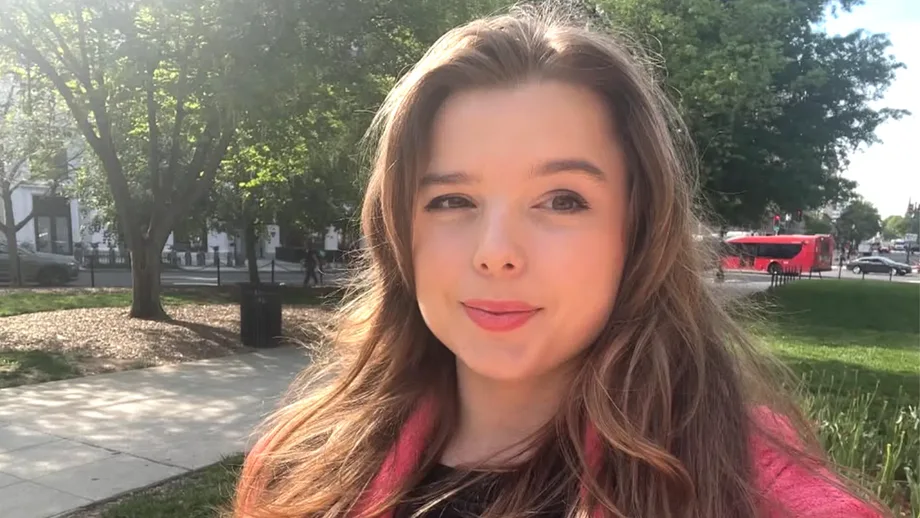
Permission to travel withdrawn before departure
Norwegian journalist Helle Lyng Svendsen says India cancelled her visa on November 11, 2026, about 10 minutes before she was due to leave for the airport to attend the Bharat Summit in Hyderabad. The Dagsavisen commentator had received a visa and political clearance to participate in discussions on media and press freedom at the gathering organised by the Congress government in Telangana.
Contents
- Permission to travel withdrawn before departure
- A visa, clearance and a call from the embassy
- What happened when she questioned Modi?
- From the Oslo exchange to the Hyderabad invitation
- What India said about the cancellations
- How many summit speakers were affected?
- Norwegian press organisations seek assurances
- A dispute with political and practical consequences
- Key Points
The cancellation followed her public questioning of Prime Minister Narendra Modi during his May visit to Oslo. Svendsen has suggested a connection between that exchange and the decision to stop her travelling. She says embassy officials attributed the cancellation to instructions from the Ministry of Home Affairs.
Her case became part of a larger dispute over access to the summit, scheduled for November 13 and 14 at HITEX in Hyderabad. Congress MP Shashi Tharoor said 115 of 315 speakers cleared by the Ministry of External Affairs were subsequently refused entry or had their visas cancelled.
India's public response addressed the government's authority over admission. At a November 13 briefing, Ministry of External Affairs spokesperson Randhir Jaiswal described visa decisions as a sovereign function, meaning a matter for a country's own government to decide. No individual reason for Svendsen's cancellation was disclosed.
A visa, clearance and a call from the embassy
Svendsen, who also uses the name Helle Lyng, works for the Oslo newspaper Dagsavisen. Documents describing her application showed that a visa had been granted and later revoked. She held permission for a single visit covering the summit, while political clearance for foreign participants had been approved on November 3.
Svendsen said the Indian Embassy in Oslo called shortly before her planned airport departure and told her not to travel. She also said officials asked her to visit the embassy so the visa could be physically cancelled, which she declined to do.
In her November 11 message on X, the journalist described the invitation she had expected to fulfil:
I got a visa to India and was supposed to leave this morning to attend the Bharat Summit in Hyderabad. I had been invited as a panelist and speaker on the future of media and press freedom.
Svendsen directed a video appeal to Home Minister Amit Shah, asking why permission had been withdrawn despite the earlier approvals. She said she still hoped the decision could be reversed in time for her appearance.
Political clearance and a visa were separate steps in her preparations. The Ministry of External Affairs had approved participation, and the embassy had issued the travel document. Svendsen's account describes a later instruction stopping the journey after both steps were complete.
What happened when she questioned Modi?
On May 18, Modi appeared with Norwegian Prime Minister Jonas Gahr Støre at a joint media interaction in Oslo. As the leaders were leaving the podium, Svendsen called out a question about his willingness to answer journalists.
Svendsen addressed the Indian prime minister directly:
Prime Minister Modi, why don't you take some questions from the freest press in the world?
Modi left without responding. Svendsen later defended her intervention as part of a journalist's responsibility to question political leaders. She said visiting leaders in Norway would usually face a few questions from the press.
A subsequent briefing with Ministry of External Affairs Secretary (West) Sibi George brought another tense exchange. Svendsen questioned Modi's approach to the media and India's human rights record. During that interaction, she asked George:
Why should we trust you?
The Oslo episode brought Svendsen a much larger Indian audience, alongside hostile reactions online. She described threats and abusive messages, including sexual threats and manipulated images. She continued writing critically about Modi's government in Dagsavisen and on social media.
From the Oslo exchange to the Hyderabad invitation
The dispute developed over several months, with the travel decision coming shortly before the summit:
- May 18: Svendsen questioned Modi about taking questions from journalists during his Oslo visit.
- November 3: The Ministry of External Affairs approved political clearance for foreign summit participants.
- November 11: Svendsen said the Indian Embassy in Oslo told her not to travel shortly before she planned to leave for the airport.
- November 13: Norwegian press organisations issued an open letter seeking an explanation, while Jaiswal addressed questions about summit visas.
- November 13 and 14: The Bharat Summit was scheduled in Hyderabad, with Svendsen listed for a media panel on November 14.
Svendsen's planned session concerned the future of media and the relationship between journalism, press freedom and democracy. Other listed participants included Leonard Novy, Sangeeta Baruah Pisharoty and Francesco Lapenta, with Congress communications leader Pawan Khera due to moderate.
Her absence therefore affected a discussion directly connected to the issue she had raised in Oslo: whether journalists can question political leaders freely. Summit organiser Pushparaj Deshpande publicly expressed regret that she would be unable to attend.
What India said about the cancellations
The Ministry of External Affairs did not immediately respond when Svendsen first made her allegation. Jaiswal later addressed the wider dispute at his regular media briefing on November 13.
Asked about foreign invitees being denied visas or having them revoked, the ministry spokesperson said:
Visa matters are sovereign functions of any country or any government. So that is what I have to say.
Jaiswal's response focused on the government's power to decide who may enter India. Svendsen's appeal and the questions from summit participants concerned why permissions already granted had been withdrawn at such short notice.
Svendsen attributed the instruction to the Ministry of Home Affairs and publicly questioned Shah about his ministry's involvement. Tharoor also said the wider cancellations appeared to follow instructions from that ministry. The government's public explanation remained the general statement on sovereignty.
How many summit speakers were affected?
Tharoor, a Congress MP and chairman of Parliament's standing committee on external affairs, gave the most specific count: 115 of 315 speakers cleared by the Ministry of External Affairs had been refused entry or had visas cancelled. Broader accounts described more than 100 foreign invitees affected and more than 300 receiving clearance.
The 115 figure amounts to about 36.5 percent of the 315 speakers Tharoor identified, or slightly more than one in three. His total covers speakers cleared by the ministry, rather than every person expected at the summit.
Tharoor questioned the legal basis for the decisions in his November 13 statement:
It is completely unclear under what provision of law the government has taken such a drastic step.
He also said the timing left no practical opportunity to reverse the decisions before the conference concluded on November 14. For affected speakers, the immediate consequence was missing the event despite having prepared to participate.
Participants from Europe, Africa and the United States also described difficulties involving members of their delegations. Some alleged that people who had criticised the Indian government online were among those affected, although they did not publicly identify the posts involved.
The summit's organisers expected more than 1,000 elected representatives, policymakers and intellectuals from over 70 countries. Discussions were intended to cover democracy, peace, economic development and international cooperation. Those attendance figures were organisers' expectations.
Norwegian press organisations seek assurances
The Association of Norwegian Editors and the Norwegian Press Association sent an open letter dated November 13 to the Indian Embassy in Oslo. They supported Dagsavisen's request for an explanation and sought assurances about access for journalists.
The two organisations explained their concern in the letter:
We are concerned about what this case means for the ability of Norwegian and other foreign journalists to cover India and to question how the country is governed in the future.
They asked the embassy to confirm that Norwegian journalists would not be refused entry because of questions they had asked or stories they had written or wanted to write. Their request extended beyond Svendsen's missed panel to the conditions under which foreign reporters could work in India.
The organisations also stated their view of journalists' responsibilities:
Journalists must be free to question those who govern. This is part of their role in society and a basic democratic right.
The letter cited India's position at 157th among 180 countries and territories in the 2026 Reporters Without Borders World Press Freedom Index. It also referred to the Committee to Protect Journalists' April 2024 appeal concerning India's use of visa regulations, issued after Australian journalist Avani Dias left the country.
Svendsen suggested several possible reasons for the decision, including her Oslo question, opinion pieces about Modi's government, criticism of industrialists Gautam Adani and Mukesh Ambani, and coverage of the Cockroach Janta Party campaign. Her own account therefore placed the cancellation against a wider body of critical journalism.
A dispute with political and practical consequences
The Congress response linked Svendsen's exclusion to its criticism of Modi's approach to questioning. The party accused the government of being afraid of scrutiny, while Tharoor argued that the cancellations silenced potentially critical voices.
Congress leader Gurdeep Singh Sappal also defended the summit as an initiative of the Telangana government, rather than simply a party gathering. He said it was intended to promote the state as an investment destination as well as host international discussion.
Sappal accused the BJP and Bharat Rashtra Samithi of trying to discredit the event. Telangana Deputy Chief Minister Mallu Bhatti Vikramarka also criticised the two parties. Those exchanges made the travel restrictions part of a broader political contest over the summit.
For Svendsen, the immediate outcome was more concrete: a planned first visit to India and a speaking appearance were stopped shortly before departure. For organisers, the reported loss of speakers reduced participation after invitations, clearances and travel arrangements had already been made.
The central disagreement remained between India's assertion of control over entry and the demand from Svendsen, press organisations and summit participants for an explanation of how that power had been used.
Key Points
- Helle Lyng Svendsen said India revoked her visa on November 11, shortly before she was due to leave for Hyderabad.
- She had received a visa and political clearance to attend the Bharat Summit and speak about media and press freedom.
- Svendsen linked the decision to her critical journalism, including her May question to Modi in Oslo.
- Shashi Tharoor said 115 of 315 cleared speakers were refused entry or had visas cancelled.
- India's foreign ministry described visa decisions as sovereign functions of government.
- Norwegian press organisations asked for an explanation and assurances that journalists would not be excluded because of their questions or reporting.