Wallet return depends on an audit and final RBI clearance
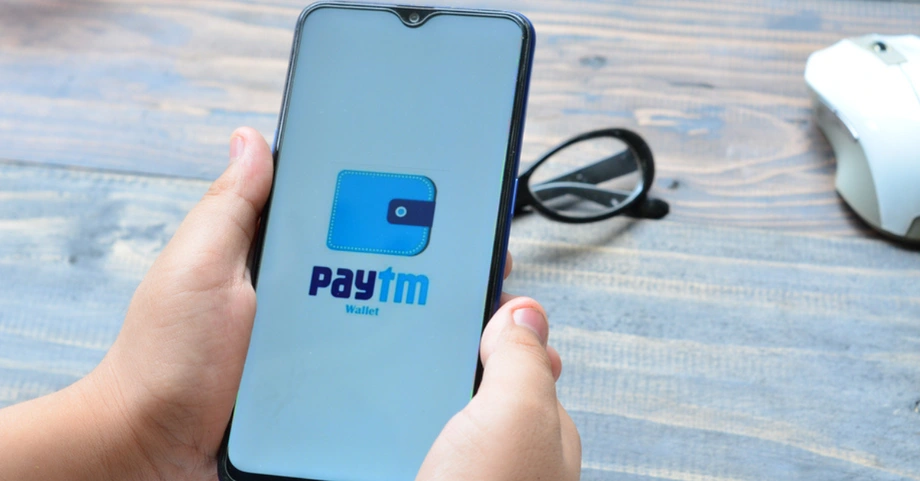
Paytm Payments Services Limited received preliminary approval from the Reserve Bank of India on November 13, 2026, to issue prepaid payment instruments, including digital wallets. The subsidiary must submit a system and cybersecurity audit within six months and obtain final authorisation before it can begin issuing wallets to customers.
Contents
- Wallet return depends on an audit and final RBI clearance
- What a Paytm wallet would let customers do
- Six months to satisfy the security requirements
- Why PPSL and Paytm Payments Bank matter separately
- How Paytm reached the latest approval
- Shares cross a benchmark from the 2021 listing
- A separate UPI fee proposal is shaping expectations
- Revenue growth expectations extend beyond wallets
- Key Points
The approval moves Paytm closer to rebuilding a business disrupted by restrictions on Paytm Payments Bank in 2024. It also sets a firm compliance deadline: if the audit report is not submitted on time, the preliminary authorisation automatically lapses, and the RBI will not consider the application for final approval thereafter.
One 97 Communications, Paytm's parent company, disclosed the decision in a stock exchange filing dated November 13. The authorisation was granted to its wholly owned subsidiary Paytm Payments Services Limited, known as PPSL, under the Payment and Settlement Systems Act, 2007.
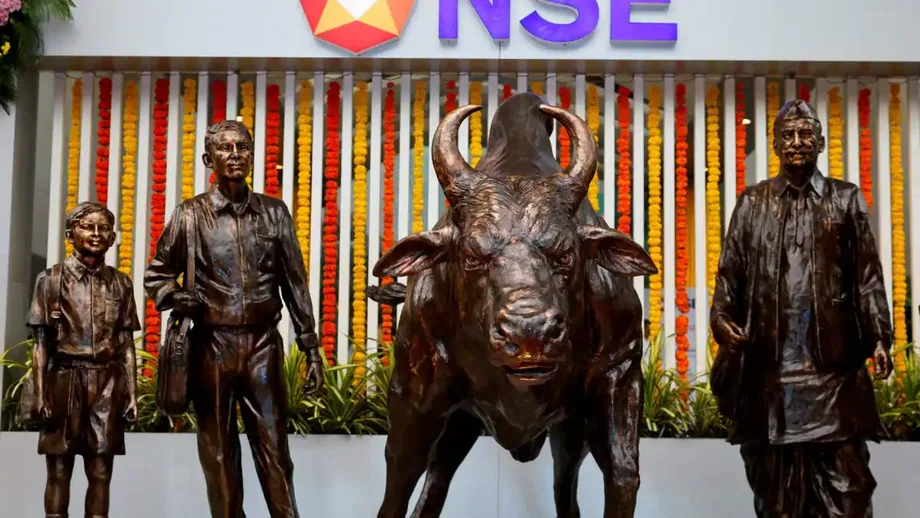
Investors welcomed the development. Shares touched Rs 1,960 during trading on November 13, moving above the company's November 2021 National Stock Exchange listing price of Rs 1,950 for the first time in nearly five years. They closed at Rs 1,934, below that listing benchmark.
Customers face a different timetable from investors. PPSL can now work through the conditions attached to its application, but new wallet issuance must wait for the RBI's final authorisation, also called a Certificate of Authorisation. No launch date has been announced.
What a Paytm wallet would let customers do
A prepaid payment instrument, or PPI, holds money that a customer loads before spending it. Digital wallets are one example; some prepaid cards also fall into this category.
A customer might load Rs 1,000 into a wallet and then use that balance for eligible purchases. Each payment reduces the stored amount, rather than requiring a fresh payment directly from a bank account every time. The transactions available would depend on the product's features and applicable RBI rules.
PPSL's application covers setting up and operating a payment system for issuing these instruments in India. Paytm had already disclosed the wallet licence application in its earnings release for the first quarter of financial year 2027.
The approval gives the company a route toward offering prepaid products through PPSL. For users, the practical change will come only after the remaining regulatory steps are completed and the company announces which services it will launch.
Six months to satisfy the security requirements
The RBI has required PPSL to arrange a system audit, including a cybersecurity audit, through an eligible auditor. A system audit examines how a payment platform operates and whether its controls meet the required standards. The cybersecurity review examines its protection against digital threats.
The audit must follow the RBI's Master Directions on Cyber Resilience and Digital Payment Security Controls for non-bank Payment System Operators, dated November 5, 2026. PPSL must submit the report within six months of the regulator's November 13 letter, placing the deadline in May 2027.
Missing that deadline carries a specific consequence: the preliminary approval automatically expires, and the RBI will not consider granting final authorisation under the application. Completing and submitting the audit is therefore a necessary step toward starting the service.
PPSL must also comply with the RBI's Master Directions on Prepaid Payment Instruments, dated August 27, 2021, as amended. The regulator's conditions include requirements governing payment system data storage and prior approval for changes in the company's shareholding or ownership.
Those obligations cover both the technology used to handle payments and the organisation operating it. Customers would be entrusting a prepaid balance to the wallet operator, making the security of transaction systems and the handling of payment data central parts of the approval process.
Why PPSL and Paytm Payments Bank matter separately
Paytm Payments Services Limited is the recipient of the new preliminary authorisation. Paytm Payments Bank Limited, commonly called PPBL, was the entity affected by the earlier banking restrictions and the subsequent cancellation of its banking licence.
Paytm launched its wallet in 2014 and transferred the business to Paytm Payments Bank in 2017. Regulatory action against that bank later interrupted the wallet business, prompting the effort to establish a route through PPSL.
The RBI stopped Paytm Payments Bank from accepting new customers from March 11, 2022. Restrictions imposed in January and February 2024 then prohibited further deposits, credits and top-ups in existing customer accounts, prepaid instruments and wallets after the prescribed deadline.
On April 24, 2026, the RBI cancelled the bank's licence under Section 22(4) of the Banking Regulation Act, 1949. The bank was prohibited from conducting banking business from the close of business that day.
The RBI, India's central bank and banking regulator, said in its April 24 statement that the bank's affairs had been conducted in a manner harmful to the institution and its depositors. It described that conduct as:
detrimental to the interest of the bank and its depositors
The regulator also cited failure to comply with the conditions of the payments bank licence. It said it would apply to the High Court to wind up the bank, and the Delhi High Court subsequently ordered its winding up. PPSL's wallet application now places the proposed prepaid service under a different operating company within Paytm's business.
How Paytm reached the latest approval
The wallet's history spans more than a decade, with the latest decision coming almost three years after the 2024 restrictions. The main dates show how a service once operated through a payments bank is moving toward a proposed return through PPSL.
- 2014: Paytm launched its digital wallet.
- 2017: The wallet business moved to Paytm Payments Bank.
- March 11, 2022: The RBI barred the bank from accepting new customers.
- January and February 2024: RBI restrictions stopped further deposits, credits and wallet top-ups after the prescribed deadline.
- April 24, 2026: The RBI cancelled Paytm Payments Bank's banking licence.
- First quarter of financial year 2027: Paytm disclosed that PPSL had applied for a wallet licence.
- November 13, 2026: PPSL received preliminary authorisation for prepaid payment instruments.
- May 2027: The six month period for submitting the required audit report ends.
The next concrete milestone is the audit submission. Final authorisation must follow before PPSL begins issuing wallets, so the audit deadline and the eventual service launch belong to separate stages of the process.
Shares cross a benchmark from the 2021 listing
One 97 Communications shares had already risen sharply before the Friday approval disclosure. On Thursday, November 12, the stock gained 7.31% to close at Rs 1,925, crossing Rs 1,900 for the first time since its 2021 listing.
During Friday's session, shares reached Rs 1,960 before closing at Rs 1,934. The intraday price was Rs 10 above the Rs 1,950 listing price, while the closing price was Rs 16 below it. Those figures explain why the stock could reclaim its listing benchmark during trading without finishing above it.
The wallet decision arrived alongside investor optimism about Paytm's second quarter results and positive assessments from global brokers. The stock's recovery also reflected expectations about merchant lending, operating performance and possible new income from UPI payments.
For the company, a renewed wallet business could add another payment product to its operations. Financial benefits are expected to take time, with meaningful wallet revenue not expected before financial year 2028.
A separate UPI fee proposal is shaping expectations
Paytm's shares have also benefited from expectations of a new merchant discount rate framework for Unified Payments Interface transactions. UPI allows payments between bank accounts, while a prepaid wallet uses money loaded into a stored balance.
A merchant discount rate, or MDR, is a fee associated with processing a merchant's payment receipts. The proposal described for UPI involves a charge of 40 basis points on payments from individuals to merchants above Rs 2,000. Forty basis points equals 0.4%.
At that rate, a qualifying payment of Rs 3,000 would carry a fee of Rs 12. That calculation illustrates the proposed percentage; the eventual framework would determine how charges and revenue were applied across the payment system.
The National Payments Corporation of India deferred the proposed levy until after Diwali. Paytm's preliminary wallet authorisation and the proposed UPI fee therefore concern two different potential sources of business growth, each with its own decisions still required.
Analysts estimate that UPI MDR could generate Rs 1,160 crore in revenue for Paytm in financial year 2028, equivalent to Rs 11.6 billion. That estimate depends on a fee framework taking effect and the business assumptions used in the forecast.
Revenue growth expectations extend beyond wallets
Bernstein named Paytm its top pick in September, citing growth in merchant lending and improving operating leverage. It maintained an Outperform rating and a target price of Rs 2,200.
Operating leverage describes what happens when revenue grows faster than some of the costs needed to run a business. A payments company may process more transactions through existing technology and operations, allowing some expenses to rise more slowly than income.
Bernstein projected revenue growth at a compound annual rate of 24% between financial years 2026 and 2030. A compound rate applies each year's growth to an increasing base. Over those four annual periods, 24% growth would make revenue about 2.36 times its starting level.
Merchant lending, possible UPI fee income and a return to wallets give investors several developments to follow. For PPSL's proposed wallet service, the immediate work remains specific: complete the required audit, submit it within the six month window, satisfy the applicable RBI conditions and secure the final Certificate of Authorisation.
Key Points
- PPSL received preliminary RBI authorisation on November 13, 2026, to issue prepaid payment instruments, including wallets.
- The company must submit a system and cybersecurity audit within six months or the preliminary approval will lapse.
- Wallet issuance can begin only after final RBI authorisation.
- The approval concerns PPSL, a different company from Paytm Payments Bank, whose banking licence was cancelled in April 2026.
- Paytm shares touched Rs 1,960 on November 13 and closed at Rs 1,934, below the Rs 1,950 listing price.
- A proposed UPI merchant fee is a separate potential revenue source, while meaningful wallet revenue is not expected before financial year 2028.