Household Support Expands as Parliament Trims Spending
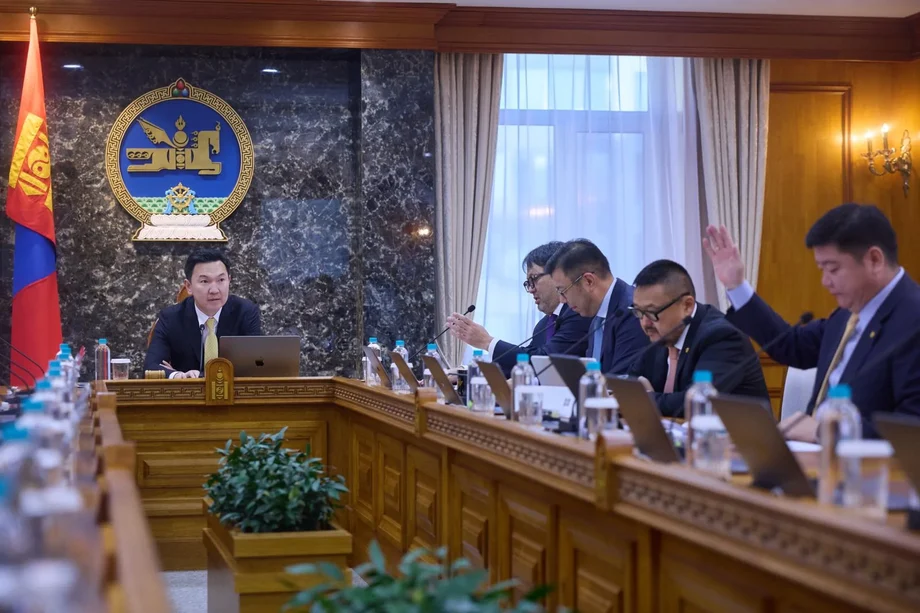
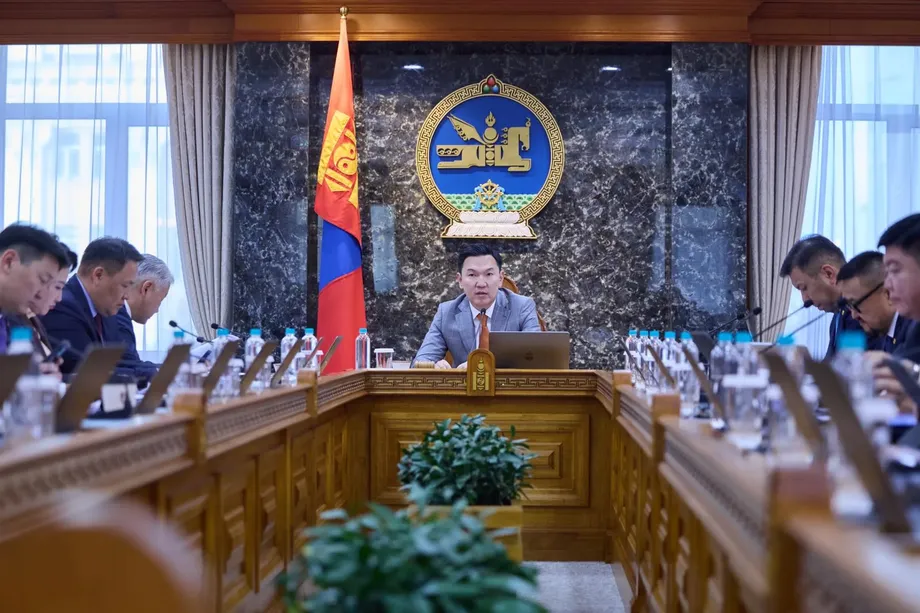
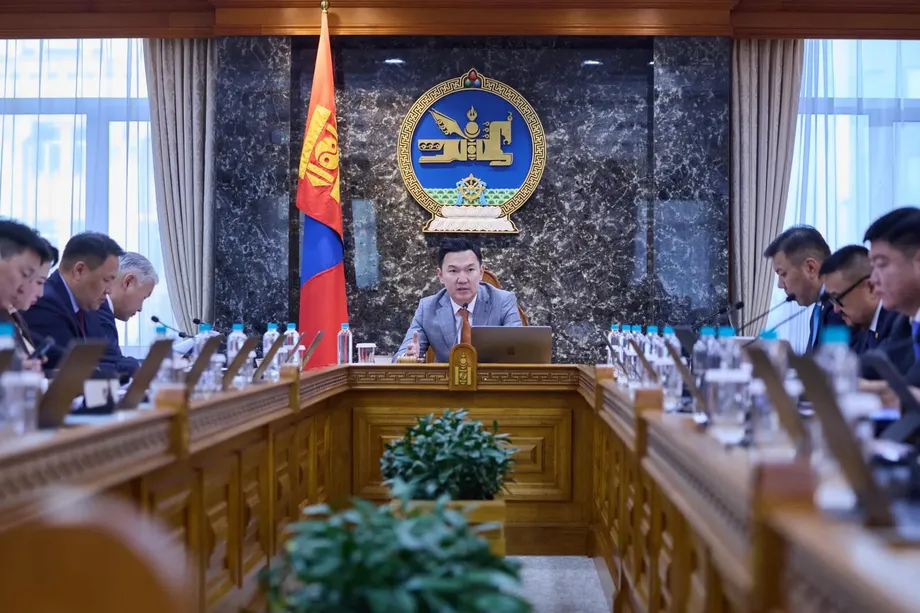
Mongolia's parliament approved the 2027 budget on November 13, 2026, setting revenue at MNT 39.2 trillion and expenditure at MNT 41.5 trillion. The resulting MNT 2.3 trillion deficit accompanies income tax relief, higher pensions and public service pay increases, alongside warnings from state auditors about inflation and uncertain revenue.
Contents
- Household Support Expands as Parliament Trims Spending
- What Changed Between the Draft and Approval?
- Tax Relief, Pensions and Pay
- Medicine Coverage and Housing Finance
- Business Tax Cuts and Green Loans
- Revenue Depends on Mining and Company Dividends
- Fiscal Rules Faced Pressure During Scrutiny
- Borrowing Authority Extends Beyond the Deficit
- Infrastructure Funding Meets Questions About Project Quality
- Key Points
The State Great Khural reduced both revenue and spending by MNT 2.1 trillion from the government's initial proposal. Because the two sides fell by the same amount, the projected deficit stayed almost unchanged. Spending will still exceed revenue by roughly 5.9%, calculated from the approved figures.
For households, the measures include exemption from personal income tax for monthly salaries of up to MNT 792,000, an increase intended to bring the average pension to MNT 1.3 million, and higher salaries for public employees from the second quarter of 2027.
Parliament Speaker S. Byambatsogt said the budget would increase the money remaining in people's hands. He also called on the government to implement it effectively, contain price increases and protect real incomes. Real income means what a person's money can actually buy, rather than simply the number printed on a payslip.
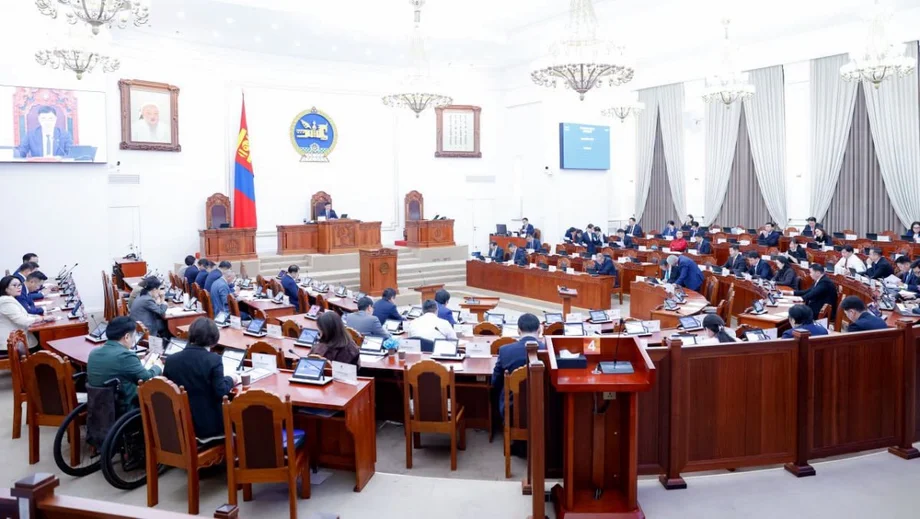
The announced voting result was 82.7% support among 110 participating lawmakers. A parliamentary session tally also recorded 91 votes in favour among 111 participants, or about 82%. The budget passed at its fifth deliberation, two days before the November 15 legal deadline.
What Changed Between the Draft and Approval?
The government initially proposed approximately MNT 41.3 trillion in revenue and MNT 43.6 trillion in spending. Parliament's reductions lowered planned expenditure by about 4.8%, while leaving the gap between income and spending at approximately MNT 2.3 trillion.
The State Audit Organization's draft budget audit, presented to parliament by Auditor General Magnaisuren Sandag on September 26, gave the more precise initial figures: MNT 41.280 trillion in revenue, MNT 43.586 trillion in expenditure and net lending, and a MNT 2.306 trillion deficit.
The audit put that draft deficit at 2% of gross domestic product, or GDP, the value of goods and services produced in the economy. Its expenditure measure included net lending, which accounts for government lending after repayments.
The budget's main steps were:
- May 2026: Parliament set a spending ceiling that subsequently became a point of dispute during scrutiny of the draft.
- September 26, 2026: The auditor general presented the audit conclusion, identifying revenue, spending and investment risks.
- November 13, 2026: Parliament approved the budget after reducing proposed revenue and expenditure by MNT 2.1 trillion each.
- November 15, 2026: The statutory deadline for approving the following year's budget.
- Second quarter of 2027: The scheduled start of the approved public employee salary increases.
Tax Relief, Pensions and Pay
Employees earning up to MNT 792,000 a month will be exempt from personal income tax under the approved measures. For workers within that threshold, the change is intended to leave more of their salary available for household spending.
Pension increases and continuing pension reform are intended to bring the average pension to MNT 1.3 million. An average describes payments across recipients, so individual pensions will vary.
Public service employees will receive a 10% salary increase from the second quarter of 2027. Employees in state administration and special public services will receive a 20% increase. The different rates make an employee's service category important to the size of the rise.
The September audit identified MNT 2.1 trillion in the draft for increases in civil service salaries and basic pensions. Auditors expected the measures to support household income and domestic economic activity, while warning that additional spending could also push prices higher.
For a family receiving more pay or pension income, the practical result depends partly on food, heating, transport and other prices. A larger payment buys more only to the extent that rising living costs leave room for that improvement.
Medicine Coverage and Housing Finance
Health insurance will cover the full cost of certain medicines commonly used by older people and targeted groups for blood pressure, cardiovascular conditions and diabetes. For eligible patients taking regular medication, the measure is intended to reduce a recurring household expense.
The approved package also aims to help 16,000 people obtain housing. Mortgage financing is to receive up to US$500 million in new funding. Mortgages allow households to spread the cost of a home over time, but access depends on lending conditions as well as the money available.
The announcement did not specify the complete medicine list, patient eligibility rules, mortgage borrowing conditions or a detailed timetable for those programmes. Those decisions will determine which households can receive support and when.
Byambatsogt put the direct reach of the budget at about 2 million citizens and 220,000 businesses and enterprises, counting participation across measures. Those totals include overlapping beneficiaries, meaning a person or business may be counted under more than one programme.
Business Tax Cuts and Green Loans
About 180,000 enterprises and business operators are expected to receive tax reductions worth a combined MNT 246 billion. The figure describes the total reduction across the group; the benefit for an individual business will depend on its circumstances.
Small and medium enterprises are also to receive preferential loans carrying annual interest of 10%. Such loans provide access to borrowed money at the stated rate, with borrowers still responsible for repayment.
The budget sets aside MNT 25 billion for preferential green loans for households improving homes on their own plots and using renewable energy. The programme connects household living conditions with investment in cleaner energy.
The MNT 246 billion business tax package and MNT 25 billion green lending allocation have different purposes. One reduces tax payments, while the other provides financing that households can borrow. Their success will depend on how applications, eligibility and repayment are administered.
Revenue Depends on Mining and Company Dividends
The State Audit Organization identified mining revenue and dividends from enterprises owned by the state as important vulnerabilities in the draft. Both expose the budget to changes in external markets and commodity prices.
A dividend is a payment a company makes to its owner from profits. When the government owns the company, that payment becomes public revenue. Lower company profits can therefore affect the money available to finance government commitments.
Mining receipts face a similar challenge. Changes in demand or prices can alter government income even after a spending plan has been approved. Parliament's reduction of expected revenue from about MNT 41.3 trillion to MNT 39.2 trillion lowered the amount the budget expects to collect.
The audit also projected expenditure growth of 32.2% compared with the previous year under the original draft. That rate belongs to the proposal examined in September; parliament subsequently reduced the spending total.
Auditors warned specifically about demand driven inflation. This occurs when households and other buyers have more money to spend, but the supply of goods and services cannot grow quickly enough to meet demand. Prices can rise as buyers compete for what is available.
Fiscal Rules Faced Pressure During Scrutiny
The audit concluded that the submitted draft met the special requirements of Mongolia's Law on Fiscal Stability and aligned with the country's long and medium term development policies. At the same time, it warned that a proposed amendment to the Medium-Term Fiscal Framework Statement could weaken fiscal stability and planning.
The framework sets the government's budget course over several years. It is intended to make annual decisions fit within a broader plan, rather than allowing each budget to reset expectations independently.
During scrutiny, the draft's MNT 43.6 trillion spending total was identified as MNT 7.1 trillion, or 19.4%, above the ceiling parliament had set in May. Parliamentary consideration included moves to rewrite fiscal limits. The audit's warning focused on the cost of changing those boundaries alongside the budget they were meant to guide.
Recurring commitments added pressure. Draft figures put recurrent spending at MNT 33.6 trillion, including MNT 1.7 trillion for the full annual cost of the 2026 pay rise and MNT 2.7 trillion for pensions and benefits. Recurrent spending pays for continuing obligations, such as salaries and benefits, that need financing repeatedly.
The scrutiny also identified MNT 6.9 trillion across 34 programmes without measured outcomes. Without results to track, lawmakers have less information about what public spending is delivering for citizens.
Borrowing Authority Extends Beyond the Deficit
The approved budget authorises the central government to issue up to MNT 6.4 trillion in bonds. Provincial governments and the capital city may issue up to another MNT 2.8 trillion. Together, the limits amount to MNT 9.2 trillion.
Bonds are a way for governments to borrow from investors, promising repayment and usually interest. The approved amounts are issuance ceilings; the budget authorisation itself sets the maximum permitted rather than the amount ultimately raised.
The MNT 2.3 trillion deficit measures the annual gap between revenue and expenditure. Bond issuance concerns financing and can also involve replacing debt as it matures, so the two figures answer different questions about public finances.
Debt costs were already prominent in scrutiny of the proposal. Draft figures placed debt service at MNT 5.99 trillion, above a MNT 5.77 trillion capital investment measure. Debt service covers payments associated with existing borrowing, while capital investment finances assets such as buildings and infrastructure.
The Fiscal Stability Council also cited public debt rising from 39.4% to 49.6% of GDP, an increase of 10.2 percentage points. That increase formed part of the concern about taking on further commitments while managing existing debt.
Infrastructure Funding Meets Questions About Project Quality
The final budget allocates MNT 3.9 trillion to investment in construction, projects and related activities. Announced plans include 338 kilometres of roads and additional energy supply.
The September audit found that cost and benefit studies and performance analyses covered 94.1% of newly proposed construction projects and activities. Yet auditors judged the underlying calculations insufficiently comprehensive or realistic, with social and economic effects inadequately determined.
For citizens, the issue is whether a funded project delivers a useful road, reliable electricity or another service at a reasonable cost. Auditors said weaknesses in project studies limited the ability to rank investments by economic efficiency and social importance.
The audit identified recurring problems with planning construction and major repairs without approved designs and cost estimates. It also found that equipment needs and costs were sometimes assessed without adequate initial studies.
Auditors separately identified MNT 21.1 billion in proposed expenditure that could be reduced because of weak justification, inadequate calculations, inconsistency with the Law on State Savings or poor alignment with programme performance indicators.
Magnaisuren's presentation also highlighted the continued practice of building budgets around the previous year's expenditure. The government's task now is to turn the approved allocations into measurable services while managing the revenue and price risks identified before the vote.
Key Points
- Parliament approved MNT 39.2 trillion in revenue and MNT 41.5 trillion in spending for 2027, leaving a MNT 2.3 trillion deficit.
- Revenue and spending were each reduced by MNT 2.1 trillion from the government's initial proposal.
- Monthly salaries up to MNT 792,000 will be exempt from personal income tax, while pension changes target an average payment of MNT 1.3 million.
- Public employee salary increases of 10% or 20%, depending on service category, are scheduled from the second quarter of 2027.
- The package includes selected medicine coverage, mortgage funding, business tax relief and household green loans.
- Auditors warned about mining revenue, company dividends, inflation and weaknesses in investment planning.
- The budget authorises up to MNT 9.2 trillion in combined central and local bond issuance.