Turkish missile choice puts delivery and cost at the centre
Malaysia has selected Türkiye as its preferred supplier to replace Norwegian missiles for the Royal Malaysian Navy's Littoral Combat Ships, with existing Turkish missile orders potentially allowing supplies to arrive in 2028. The decision comes as Malaysia pursues repayment for a Norwegian system for which it reportedly paid €129.8 million, representing 95 per cent of the contract value.
Contents
- Turkish missile choice puts delivery and cost at the centre
- Why Türkiye moved ahead of France and Italy
- Compatibility must be checked in detail
- Existing orders could shorten the wait
- What Malaysia expects to pay
- Why the Norwegian purchase stalled
- The dispute moves to a second stage
- Warship deliveries may come before missile readiness
- How the replacement decision developed
- Key Points
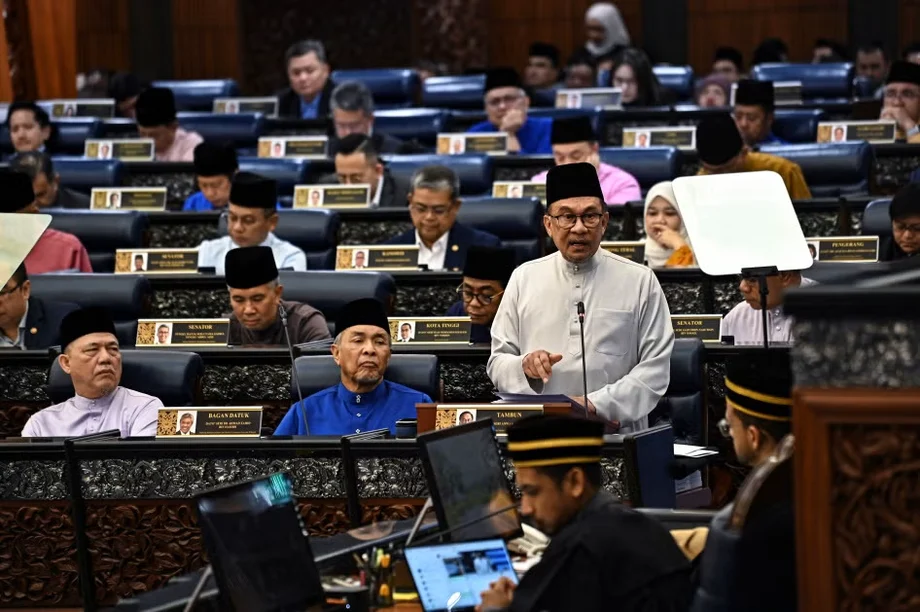
Defence Minister Datuk Seri Mohamed Khaled Nordin announced the choice on November 12, 2026, after the Defence Ministry's Innovation Day celebration at the MINDEF Auditorium in Kuala Lumpur. Türkiye emerged ahead of France and Italy following an assessment of prices, delivery schedules and initial costs.
The proposed replacement is Roketsan's Atmaca missile, a weapon designed to attack ships. Malaysia already has an order for the same system for its Littoral Mission Ship Batch 2 programme, known as LMS B2. Officials see that existing purchase as a way to equip the larger combat ships sooner and avoid paying for an entirely new missile order.
Mohamed Khaled said Malaysia would negotiate further before completing the purchase. He described the government's next step:
We will engage with the Turkish side for further negotiations so that we can finalise the matter,
The announcement advances the replacement process while the Norwegian contract dispute continues separately. Norway's export restrictions have prevented delivery of the Naval Strike Missile, or NSM, despite Malaysia having made payments. Malaysia intends to secure another weapon without waiting for the dispute or a refund to be settled.
Why Türkiye moved ahead of France and Italy
Malaysia evaluated three supplier countries against practical requirements: whether the missile could perform the navy's intended missions, work with the ships, arrive within an acceptable period and fit the government's spending plans. Türkiye is now the only country with which Malaysia plans to negotiate over the replacement.
Negotiations are to proceed through a government to government arrangement involving a Turkish government agency, without intermediaries. Technical discussions will also involve the Turkish company responsible for the weapon and its connection to the ships' systems.
Atmaca's connection to Malaysia's existing LMS purchase gives it an advantage beyond its advertised performance. The existing programme includes 24 missiles for three LMS B2 vessels. Using the same missile on another class of ship could allow some supplies to arrive earlier than a completely fresh order.
Mohamed Khaled described the replacement's operational range as 240 kilometres; other descriptions of his announcement put it at up to 250 kilometres. He also said it offered comparable explosive power and greater effectiveness than competing systems. Malaysia's selection criteria nevertheless extend beyond range to installation costs and the time needed to make the weapon usable aboard the ships.
Compatibility must be checked in detail
The Defence Ministry says it has received assurances that the Turkish missile can work with the LCS combat management system. This is the ship's central fighting system, which brings together information from sensors and helps the crew coordinate weapons.
A replacement missile needs more than space on deck. Its launcher and electronic controls must connect to the ship's equipment so that the crew can prepare and carry out an engagement safely. Those connections explain why integration work forms part of the proposed additional expenditure.
Mohamed Khaled said the assurances would undergo closer examination during negotiations. He explained the ministry's position:
We have already been given assurances regarding compatibility, integration and related matters. We will examine these aspects in greater detail and begin negotiations with the Turkish company,
The current replacement plan concerns the LCS programme. It does not extend to the navy's Kedah-class New Generation Patrol Vessels. Malaysia is therefore addressing the immediate missile requirement for the new combat ships rather than announcing a wider weapons purchase for other vessels.
Existing orders could shorten the wait
Malaysia's existing Atmaca procurement is central to the proposed delivery schedule. Mohamed Khaled said supplies could become available as early as 2028 through the LMS order; his remarks were also quoted as pointing to 2029. The earlier date is an opportunity the government hopes to secure through negotiations.
A completely new order would take about 30 months, according to the minister's explanation. That is two and a half years, putting delivery around 2029 if procurement began in late 2026. Earlier parliamentary comments described a broader replacement process lasting three to four years, potentially extending into 2030.
Those schedules concern different parts of the same task. Receiving missiles is one step; fitting launchers, connecting the weapons to the ship and completing acceptance checks are also necessary before crews can use the full system. The minister's latest proposal seeks to shorten the supply stage through an order Malaysia has already placed.
Mohamed Khaled also said Malaysia would avoid waiting until 2035, a date raised in discussion of the Auditor General's report. His immediate objective is to obtain missiles sooner through the LMS arrangement while negotiating the work needed aboard the LCS vessels.
What Malaysia expects to pay
Malaysia expects additional spending to focus mainly on launchers and integration rather than a completely new stock of missiles. Mohamed Khaled put the possible cost of a fresh purchase at RM700 million to RM900 million. In October, he had discussed a wider potential allocation of RM700 million to more than RM1 billion for a replacement system.
The fresh purchase estimate was also put at US$700 million to US$900 million, leaving a currency discrepancy requiring clarification when the financial terms are announced. Most descriptions of the November proposal use the ringgit estimate.
Explanations of where the existing missile expense sits also vary. Mohamed Khaled was quoted as saying part had already been absorbed under the LCS contract, while more detailed descriptions of the Atmaca proposal place the paid missile order under the LMS contract. Both explanations point to the same intended saving: using expenditure already committed instead of starting a full missile purchase from scratch.
The final replacement price, number of missiles allocated to the LCS, detailed missile variant, confirmed delivery and acceptance dates, and the accounting treatment of the existing purchase have not been announced. Those terms will determine how much extra funding Malaysia needs and when the ships can use the replacement weapon.
Why the Norwegian purchase stalled
Malaysia ordered the Norwegian NSM system from Kongsberg Defence & Aerospace under a 2018 contract intended to equip six LCS vessels. The current construction schedule covers five ships.
Mohamed Khaled said the required Norwegian export licence had not been issued, preventing delivery. Earlier descriptions of the dispute said Norway had cancelled or revoked export approval for the missiles and associated launchers. Norway's stated policy was to limit exports of sensitive defence technology to its allies and closest partners.
An export licence is government permission to send controlled equipment abroad. The manufacturer needs that permission to deliver a weapon even when a buyer has signed a contract and paid for it. Kongsberg has reportedly treated the restriction as force majeure, a contractual term for an event outside a party's control that prevents it from meeting its obligations.
Malaysia reportedly paid €129.8 million, more than RM600 million, equivalent to 95 per cent of the NSM contract value. Delivery had been scheduled for March 2026. The large payment makes recovery of the money a separate financial priority alongside the navy's need for a usable replacement.
The dispute moves to a second stage
Malaysia has completed the first contractual stage, negotiations aimed at an amicable settlement, without reaching an agreement. The next step is to establish a Dispute Resolution Committee involving both parties.
Mohamed Khaled said the contract requires Malaysia to follow that process before moving to arbitration. Arbitration places a dispute before an appointed decision maker or panel under agreed rules, rather than immediately taking it through an ordinary court case.
The minister set out the remaining sequence:
We are therefore moving to the second stage, which is to establish a dispute resolution committee between the two parties. If that process fails, Malaysia will proceed to arbitration, which can be held in Kuala Lumpur under the NSM procurement contract,
Mohamed Khaled said he could not predict when the dispute would be resolved or when the Norwegian company would refund the money. Malaysia will continue replacement negotiations during that process, keeping the recovery effort separate from the work of equipping the ships.
Warship deliveries may come before missile readiness
The missile timetable overlaps with a revised construction schedule that calls for three LCS deliveries in 2027. In a written parliamentary reply dated November 4, Mohamed Khaled gave Lumut Naval Shipyard's planned handovers as April for LCS1, August for LCS2 and December for LCS3. LCS4 is scheduled for August 2028 and LCS5 for April 2029.
Construction across the five vessels stood at 80.72 per cent on September 25, against a target of 89.91 per cent. That is a shortfall of 9.19 percentage points. The first ship, KD Maharaja Lela, had completed harbour acceptance tests and begun shipyard sea trials to check its systems before acceptance trials with the navy.
A first handover in April 2027 would come before even the earliest proposed Turkish missile supplies in 2028. The navy may therefore receive ships while work on their intended surface strike weapons continues.
Chief of Defence Force General Tan Sri Malek Razak Sulaiman said in July that the ships could initially use existing weapons systems and that maritime readiness would be maintained. He estimated that acquiring replacement missiles would take at least two years. The practical challenge is to bring the ships into service while arranging the later installation and testing of their new missiles.
How the replacement decision developed
Malaysia's November announcement followed months of work on both a new supplier and the Norwegian dispute. The sequence shows how the shortlist narrowed while ship construction continued.
- 2018: Malaysia contracted for the Norwegian NSM system to equip six planned LCS vessels.
- March 2026: The Norwegian missile system was originally scheduled for delivery.
- July 7, 2026: General Malek Razak said a replacement would take at least two years. France, Italy, Türkiye and South Korea were then being considered.
- September 25, 2026: Construction of the five current LCS vessels reached 80.72 per cent, against a target of 89.91 per cent.
- November 4, 2026: A written parliamentary reply said three missile options were in the final stages of evaluation.
- November 12, 2026: Mohamed Khaled identified Türkiye as the preferred supplier and said further negotiations would follow.
- 2027 to 2029: The revised ship delivery schedule runs from April 2027 to April 2029, while Turkish missile supplies could begin in 2028 or 2029.
Malaysia now has two immediate tasks: negotiate the Turkish package, including installation and delivery terms, and establish the committee required by the Norwegian contract. Progress on both will affect the cost and timing of completing the ships' intended weapons fit.
Key Points
- Malaysia has selected Türkiye as its preferred supplier, with Roketsan's Atmaca identified as the proposed NSM replacement.
- Further negotiations will examine price, compatibility, launchers and integration with the LCS combat system.
- An existing LMS missile order could support supplies in 2028 or 2029.
- Malaysia expects additional costs mainly for launchers and integration, but final financial terms remain unsettled.
- Unsuccessful settlement talks over the Norwegian purchase will be followed by a dispute resolution committee and, if necessary, arbitration in Kuala Lumpur.
- The first LCS is scheduled for delivery in April 2027, ahead of the proposed replacement missile supplies.