A lottery win with a human decision at its heart
An office worker identified by the pseudonym Liu reportedly won 5.08 million yuan in China's Happy 8 lottery after using artificial intelligence to help write a number selection program. The detailed account, attributed to Shaanxi Welfare Lottery, places the purchase at outlet No. 61012743 in Longgangcheng, in the Xi'an High Tech Industrial Development Zone, at 8:27 p.m. on August 28.
Contents
In a September 1 announcement, Shaanxi Welfare Lottery confirmed that Happy 8 draw 2026230 produced one winning entry nationwide matching all 10 selected numbers, with a prize of 5 million yuan. It identified the winning purchase as a self-selected 11 number combination ticket sold at 8:27 p.m. at that outlet, winning the top prize and 10 prizes for matching nine numbers, for a total of 5.08 million yuan.
The winning ticket combined a top prize of 5 million yuan with another 80,000 yuan from smaller prizes. Liu reportedly bought six groups of combinations that evening for a little more than 130 yuan. One group produced the winning ticket.
The attention has focused on AI, but Liu described a process in which software and personal choices both played a part. His program narrowed a pool of 80 numbers to 20. He then adjusted the selection himself, looking at repeated numbers, consecutive numbers and how the numbers were spread across the range.
Liu said he had been buying Happy 8 tickets for about two months while struggling with debts owed to a bank, relatives and friends. He planned to use most of the prize to repay those loans and keep the remainder as an emergency fund for his family.
The account contains unusually precise details, including a sales outlet number, a ticket printing time and draw identifier 2026230. Liu's identity, the creation of the AI program and the circumstances of the win have not been independently verified. The calendar year of the August purchase is also unclear in the narrative accompanying that draw number.
What Liu actually asked AI to do
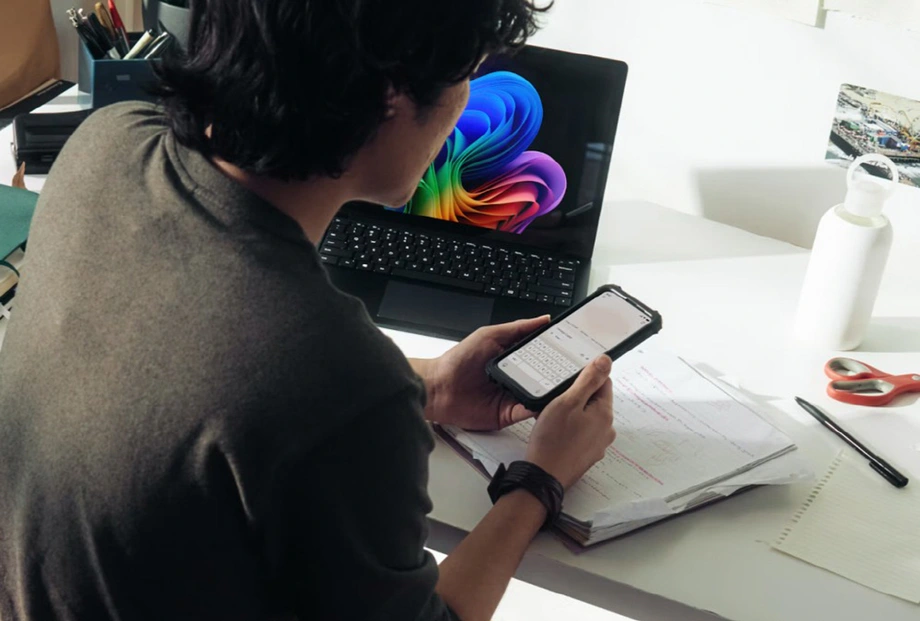
Liu described using AI to help build a small program that selected 20 numbers from the numbers 1 to 80. He then used those 20 as a starting point for his own choices, eventually assembling six groups of 11 numbers.
Repeated numbers are numbers that appear again across selections or draws. Consecutive numbers sit next to each other, such as 21 and 22. Distribution describes how a selection is spread out, for example between lower and higher numbers. Liu said these features guided his manual adjustments.
The AI tool, its instructions and the program's code were not identified. His description therefore gives a broad picture of the selection process, rather than a method another person could reproduce exactly.
Liu's role matters to understanding the story: the final tickets reflected several decisions after the program produced its initial list. AI helped organise his choices, while he decided which combinations to buy.
How one ticket collected 11 prizes
The successful purchase was described as an 11 number combination ticket for the Happy 8 option in which a player selects 10 numbers. Such a ticket covers every possible group of 10 within the chosen set of 11.
There are 11 such groups, because each can be formed by leaving out a different number. According to the account attributed to Shaanxi Welfare Lottery, Liu's set contained 10 winning numbers and one other number.
Leaving out the other number created one group matching all 10 winning numbers, earning 5 million yuan. Each of the remaining 10 groups left out a winning number instead, producing 10 prizes for matching nine numbers.
Those smaller prizes added 80,000 yuan, bringing the ticket's total to 5.08 million yuan. The figures imply 8,000 yuan for each of the 10 smaller prizes. The top award supplied about 98.4% of the total payout.
Draw 2026230 reportedly produced just one winning entry nationwide in the category requiring all 10 selected numbers to match. That entry was among Liu's combinations.
From an evening purchase to a morning check
Liu reportedly lived in the Xi'an High Tech Industrial Development Zone. Xi'an is in Shaanxi province; some descriptions of the story instead named Shanxi, a different province. The account identifying the lottery outlet places the purchase in Xi'an, Shaanxi.
The sequence described around the purchase and discovery was:
- About two months before the win: Liu began buying Happy 8 tickets occasionally.
- August 28: He used his program and his own adjustments to assemble six groups of 11 numbers.
- 8:27 p.m.: The tickets were printed at welfare lottery outlet No. 61012743.
- About 9:40 p.m.: Liu checked the results on his phone and believed one ticket had matched 10 numbers.
- The following morning: He checked again and told his father.
Liu, the office worker identified by a pseudonym, described his reaction in comments translated into English:
Even as I checked the winning numbers, I couldn't believe it and wasn't sure.
His father was reportedly doubtful at first, then became excited after checking the numbers himself. The detailed account describes Liu waiting until morning before sharing the news, despite having seen the result on his phone the previous evening.
Debt shaped the reason he played
Liu said he usually spent between 100 and 300 yuan when he bought lottery tickets. He did not enter every draw, sometimes skipping purchases because he lacked time.
His stated motivation was financial pressure. Bank borrowing and loans from people close to him had left him looking for a way to repay what he owed. His plan for the winnings put those repayments first, followed by savings for unexpected family expenses.
The reported prize was roughly 39,000 times the 130 yuan starting point of his spending that evening. His actual outlay was described as slightly higher than 130 yuan, so the precise multiple would be lower. That striking comparison helps explain why the story attracted attention.
For someone carrying debt, however, each ticket purchase also uses money that could go toward repayments or household costs. Liu's reported outcome was an unusually large payout; the purchase still began as spending on a result governed by chance.
What AI changes about choosing numbers
China Sports Lottery has said that selecting numbers with AI offers the same odds as automatic number selection. Although Liu's reported prize involved a welfare lottery game, the statement addresses the central claim drawing attention to his story: whether a different selection tool improves a player's chances.
In a fair random draw, each eligible combination has the same chance of appearing. A group containing consecutive numbers and a group spread neatly across the number range are both possible results. The appearance of a pattern does not change the chance attached to that particular combination.
AI can generate lists, apply filters and organise combinations quickly. Buying more distinct combinations covers more possible results, but also costs more money. That extra coverage comes from the additional entries purchased, regardless of whether a person, an automatic terminal or an AI program selected them.
Local lottery authorities also warned buyers about the limits of the technology. Their statement described AI's role in these terms:
AI cannot predict winning lottery numbers. This case simply involved using AI as a tool to select numbers.
Shaanxi Welfare Lottery also reminded buyers that lottery numbers are completely random and there is no pattern to winning, urging them to buy within their means and play rationally.
Paid programs and expensive services promoted as AI lottery prediction tools present an added cost. A buyer pays for the service as well as the tickets, while the lottery's random selection process continues to determine the result.
A large prize amid rising lottery spending
China's Ministry of Finance was cited as recording lottery sales of 545.82 billion yuan from January through September, an increase of 14.6% compared with the same period a year earlier. September sales were 67.389 billion yuan, up 27.3% from the corresponding month.
The reporting year was not specified alongside those figures. They describe the sales period cited in coverage of Liu's story, rather than a confirmed current annual trend.
September accounted for about 12.3% of the stated nine month total. Its annual growth rate was also faster than the rate for January through September combined. Both comparisons show the scale of ticket buying in the figures attributed to the ministry.
Liu's own explanation connects his purchases directly to debt and hopes of financial relief. The broader sales totals measure how much was spent on tickets; they provide no breakdown here of buyers' reasons for playing.
The concrete change described for Liu is the prospect of clearing loans and building a family reserve. For other buyers, the useful lesson concerns the mechanics: software can help choose entries, combination tickets can contain several prize winning lines, and the draw still decides which numbers win.
Key Points
- Liu reportedly won 5.08 million yuan through a Happy 8 ticket bought in Xi'an, Shaanxi.
- He said AI helped create a program selecting 20 numbers from 80, after which he made his own adjustments.
- One group of 11 numbers generated a prize of 5 million yuan and 10 smaller prizes totalling 80,000 yuan.
- He planned to repay debts and retain the balance as a family emergency fund.
- China Sports Lottery says AI selection offers the same odds as automatic selection.
- The man's identity, software and circumstances of the win remain independently unverified.