Higher milk bills arrive during the usual season of plenty
Milk buyers in Delhi and the National Capital Region face higher prices from November 12, 2026, with Mother Dairy raising rates by Rs 2 to Rs 4 a litre and Amul expected to increase prices by as much as Rs 6 a litre, according to industry sources. The increases come during the flush season, when more milk normally reaches dairies and prices tend to stay stable.
Contents
- Higher milk bills arrive during the usual season of plenty
- What will each variety cost?
- How much more will households pay?
- Why is the flush season failing to ease prices?
- Feed costs put farmers under pressure
- Why milk fat matters so much
- How much of the selling price reaches farmers?
- A succession of increases across states and products
- Why the Delhi-NCR change reaches so many buyers
- Key Points
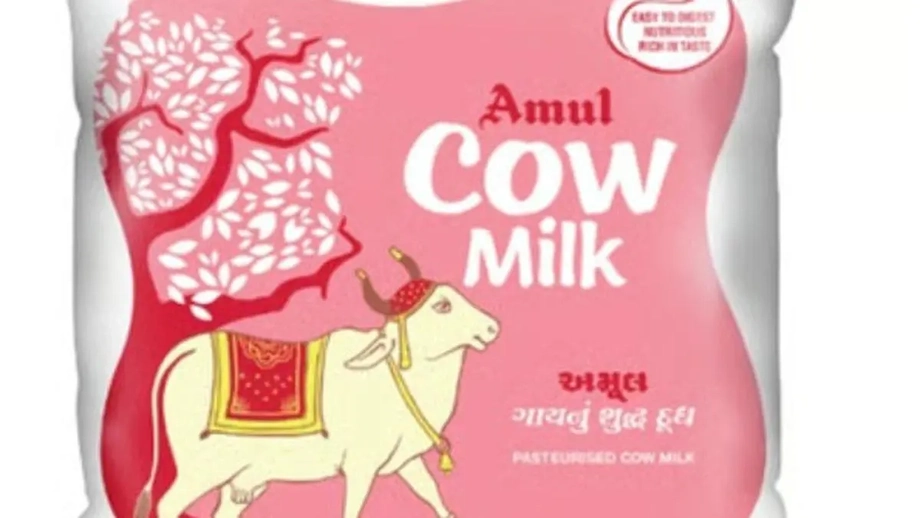
Mother Dairy's packaged full cream milk will rise from Rs 72 to Rs 76 a litre, while packaged toned milk will increase from Rs 60 to Rs 62. Amul's full cream buffalo milk, containing 6.5 per cent fat, is expected to rise from Rs 80 to Rs 86 a litre, the largest increase among the categories identified.
The pricing details were attributed to industry sources on November 11. Mother Dairy's spokesperson declined to comment, and neither company had issued a formal statement on the liquid milk revisions at the time of those accounts. The revised prices therefore lack confirmation from the companies themselves. Buyers should check the price printed on their chosen pack when the changes take effect.
The pressure begins before milk reaches the shop. Farmers are paying more to feed their animals, dairies are paying more to collect milk, and milk fat has become roughly 20 to 25 per cent more expensive in recent months. That last increase also makes it costlier to maintain supplies using milk powder and fat when fresh milk collections fall short.
What will each variety cost?
Mother Dairy's revised Delhi-NCR prices cover milk sold through vending machines as well as packaged varieties. The increases range from Rs 2 for toned and double toned milk to Rs 4 for full cream milk.
- Toned milk from bulk vending machines: Rs 60 a litre, up from Rs 58.
- Packaged toned milk: Rs 62 a litre, up from Rs 60.
- Double toned milk: Rs 56 a litre, up from Rs 54.
- Cow milk: Rs 65 a litre, up from Rs 62.
- Packaged full cream milk: Rs 76 a litre, up from Rs 72.
- Amul full cream buffalo milk containing 6.5 per cent fat: expected to cost Rs 86 a litre, up from Rs 80.
The increases are steeper for milk with more fat. The change from Rs 72 to Rs 76 is about 5.6 per cent, while the buffalo milk increase from Rs 80 to Rs 86 is 7.5 per cent. Packaged toned milk rises by about 3.3 per cent, from Rs 60 to Rs 62.
How much more will households pay?
A household buying one litre of packaged toned milk every day would spend an extra Rs 60 over 30 days. Its monthly bill would rise from Rs 1,800 to Rs 1,860, assuming it buys the same quantity throughout the month.
For one litre of full cream milk a day, the equivalent increase is Rs 120, taking a 30 day bill from Rs 2,160 to Rs 2,280. A household buying the buffalo milk variety would pay Rs 180 more over the same period, with its bill rising from Rs 2,400 to Rs 2,580.
Mother Dairy's vending machine milk will remain Rs 2 a litre cheaper than its packaged toned milk after the revision. For buyers who have access to both, that difference amounts to Rs 60 over 30 days at one litre a day. Double toned milk remains the least expensive Mother Dairy variety in the listed prices, at Rs 56 a litre.
Why is the flush season failing to ease prices?
The dairy industry's flush season generally runs from October to February. Milk production and collections usually improve during these months, allowing processors to build stocks for periods when fresh supplies are lower.
This year's price increases point to tighter collections even during that normally more comfortable period. Industry participants have linked the pressure to uneven rainfall, expensive feed and concerns about how much milk animals are producing.
Demand is also strong during the festival period, when households and businesses buy milk and dairy products for sweets and other foods. More buyers competing for limited supplies can keep procurement prices high even when seasonal production would normally improve.
Dairy companies are responding by paying farmers more to encourage milk deliveries. The immediate effect is a higher cost for the milk entering processing plants. Any increase in production depends on farmers being able to feed and maintain their animals, so a higher buying price does not instantly produce more milk.
Feed costs put farmers under pressure
Cattle feed typically accounts for 60 to 70 per cent of milk production costs, according to industry estimates. That makes feed prices central to whether farmers can earn enough from each litre they sell.
Industry estimates put cattle feed costs in September 2026 at 15 to 20 per cent above their level a year earlier. The Mumbai Milk Producers Welfare Association described an increase of roughly 25 per cent when explaining its own price revision. The figures cover different descriptions of the cost pressure, but both show a substantial rise.
No publicly accessible source documents or underlying data are identified for these feed-cost estimates.
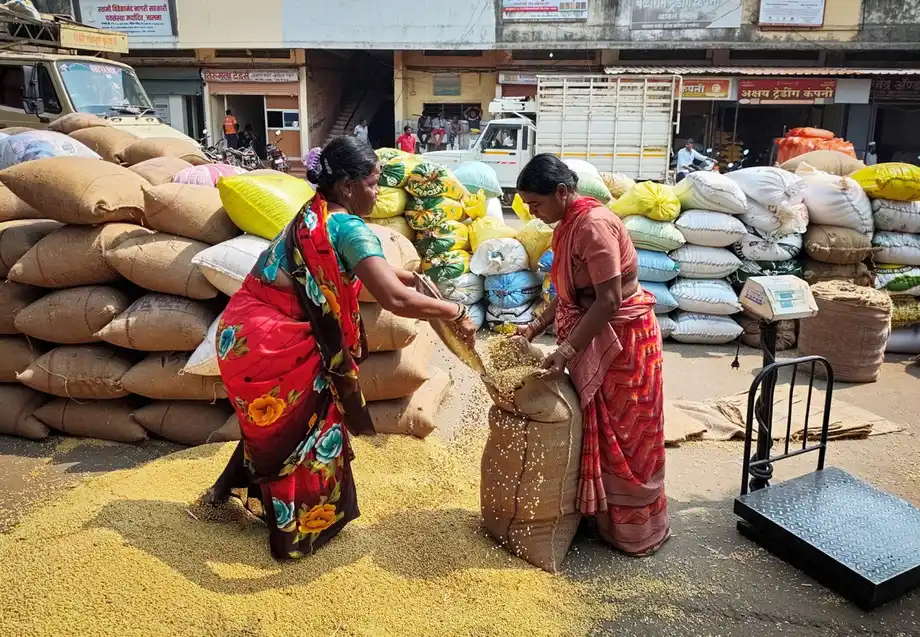
Maize, de-oiled rice bran cake, soya ingredients and other grains used in feed have become more expensive. Weak rainfall has affected crop prospects, while demand for maize for ethanol production has added competition for a crop also used to feed livestock.
For a farmer, a higher milk price therefore comes alongside a higher bill for producing it. If feed absorbs most of the extra income, the farmer has less money left for animal care and other expenses. Dairies seeking dependable supplies must offer prices that make continued production worthwhile.
Why milk fat matters so much
Milk fat is the creamy component used in products such as butter and ghee. Full cream milk contains more of it than toned milk, so a sharp increase in fat prices puts greater pressure on richer milk varieties.
Industry sources say milk fat prices have risen by about 20 to 25 per cent in recent months as milk availability has tightened. The pattern helps explain why the proposed Rs 6 increase for buffalo milk is larger than the Rs 2 increase for toned milk. No publicly accessible source documents or underlying price data are identified for that estimated rise.
Dairies can use milk powder and milk fat to prepare liquid milk when fresh collections are insufficient. Milk powder supplies the other milk solids, while fat is added to reach the required composition. This gives processors another way to maintain deliveries, but the ingredients still have to be bought.
Expensive fat therefore affects both fresh milk processing and the alternative used to fill supply gaps. The same shortage can push up the cost of liquid milk, butter and ghee at once, spreading the pressure across a family's dairy purchases.
How much of the selling price reaches farmers?
Mother Dairy transfers 75 to 80 per cent of its milk sales realisation to farmers, according to industry sources. Sales realisation means the revenue the company receives from selling milk. On that basis, roughly Rs 75 to Rs 80 of every Rs 100 in milk sales goes towards payments to producers.
Amul has raised its procurement rate linked to milk fat to Rs 1,000 per kilogram, industry sources say. They put the resulting payment at more than Rs 60 a litre for milk meeting the relevant composition. A rate based on fat means the payment depends on the milk's fat content rather than being a single price for every litre collected. No publicly accessible source documents or underlying data are identified for these procurement figures.
Karnataka has set out a more explicit division for Nandini's latest increase. Of the additional Rs 8 a litre, Rs 7 is allocated to farmers and Rs 1 to milk unions for operating expenses. Farmers therefore receive 87.5 per cent of that increase.
Karnataka ministers Krishna Byre Gowda and Laxman Savadi linked the decision to drought and supply pressures. Byre Gowda cited a fall of 10 lakh litres in milk supply, while Savadi warned that farmers could sell milk outside the state if local procurement prices were insufficient.
The Nandini price allocation and reported supply decline are attributed to the ministers, but the official order or department release is not included in the material available for this article.
A succession of increases across states and products
The November revision follows several increases during 2026. Mother Dairy last raised milk prices on May 14, following its previous revision in April 2025. Amul also increased milk prices by Rs 2 a litre on May 14, 2026.
The sequence shows that pressure has spread across regions and beyond liquid milk:
- May 14, 2026: Mother Dairy revised milk prices, while Amul raised milk prices by Rs 2 a litre across India.
- July: Kerala increased Milma milk prices by Rs 4 a litre.
- August: Representatives of major cooperative and private dairies in Maharashtra approved a Rs 2 increase for cow and buffalo milk.
- November 1: Nandini's milk prices rose by Rs 8 a litre in Karnataka, while curd increased by Rs 14 a litre.
- November 2: Amul's revised butter and ghee prices took effect.
- November 12: Mother Dairy's new liquid milk rates and Amul's expected increases are due to take effect.
Amul's 500 gram table butter pack increased from Rs 310 to Rs 325. Its one litre ghee pouch rose from Rs 630 to Rs 680, while cow ghee increased from Rs 695 to Rs 735. Nandini's 200 gram paneer pack is now priced at Rs 115, adding another increase to the cost of everyday dairy foods.
Why the Delhi-NCR change reaches so many buyers
Mother Dairy sells about 35 lakh litres of milk a day in Delhi-NCR, equivalent to 3.5 million litres, through its outlets, shops and online platforms. Its daily sales across markets exceed 50 lakh litres, or five million litres. Even a small increase per litre therefore reaches a large number of regular purchases.
No publicly accessible source documents or underlying sales data are identified for these daily volumes.
The company was commissioned in 1974 and is wholly owned by the National Dairy Development Board. It operates nine milk processing plants and also sells products beyond dairy, including Dhara edible oils and Safal fruit and vegetables.
Mother Dairy recorded turnover of Rs 20,300 crore in the last fiscal year, up 17 per cent, supported by demand for milk products and cooking oils. Its business results cover these different activities, while the latest retail changes concern the cost of supplying liquid milk.
For consumers, the immediate change is a larger daily bill. For farmers and processors, the central task is keeping milk collections steady while feed, fat and other production expenses remain high. The November 12 prices bring part of those costs directly to the household budget.
Key Points
- Mother Dairy's Delhi-NCR milk prices rise by Rs 2 to Rs 4 a litre from November 12, 2026.
- Amul's expected increases range from Rs 2 to Rs 6 a litre, according to industry sources.
- Packaged toned milk will cost Rs 62 a litre and Mother Dairy full cream milk Rs 76.
- Milk fat prices have risen roughly 20 to 25 per cent in recent months, adding to procurement pressure.
- One litre of full cream milk a day will cost a household Rs 120 more over 30 days.
- Nandini's earlier Rs 8 increase allocates Rs 7 a litre to farmers and Rs 1 to milk unions.