More than 2.5 million adults have diabetes without knowing it
An estimated 2,526,300 Filipino adults aged 20 to 79 had undiagnosed diabetes in 2024, according to the International Diabetes Federation (IDF). They accounted for 53.5% of the country's estimated 4,726,300 adults living with the condition, a gap that puts early screening and access to continuing care at the center of the health challenge.
Contents
The federation's Philippines country report projects that the number of adults with diabetes will reach 8,591,700 by 2050. That would be about 3.87 million more people than in 2024, an increase of roughly 82%.
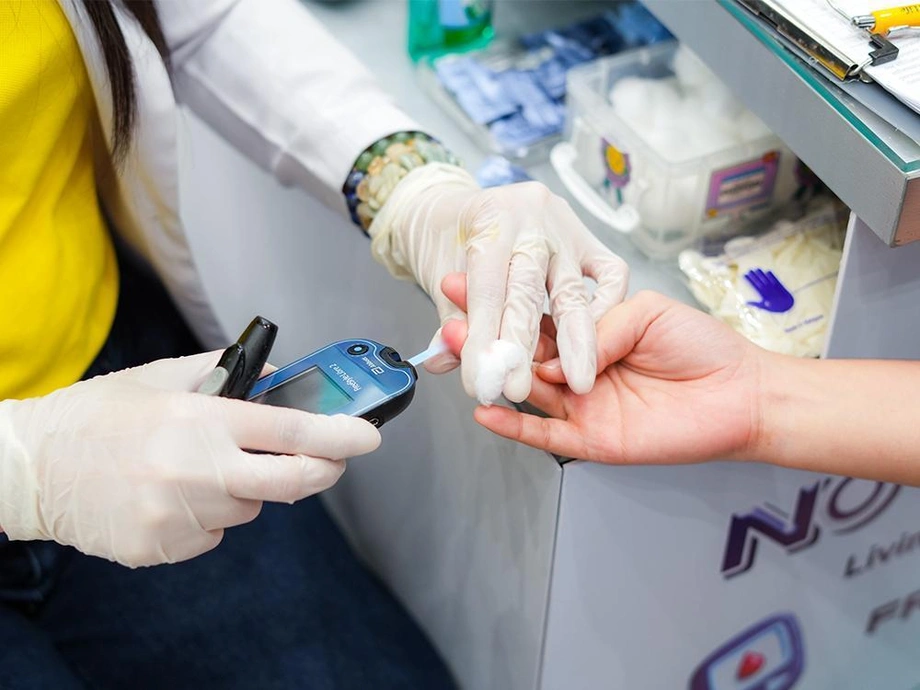
Watsons Philippines is expanding diabetes support through pharmacist education, blood glucose checks and free teleconsultations. Its routine blood glucose check costs PHP 30. The retailer has also announced testing free of charge for a limited period, although the promotion's dates and participating branches were not specified. Customers should confirm those details with a store before visiting.
The services address two connected needs: helping people discover a possible blood sugar problem and helping those already diagnosed manage treatment in everyday life. Doctors remain responsible for diagnosis and treatment decisions, while pharmacists can explain medicines, demonstrate monitoring devices and guide customers toward medical evaluation.
Diabetes develops when the body does not make enough insulin or cannot use it effectively. Insulin helps move glucose, a form of sugar, from the blood into cells for energy. When that process fails, blood glucose rises. Over time, persistently high levels can damage the eyes, kidneys, nerves, heart and blood vessels.
What the national figures tell us
The IDF's 4.73 million estimate covers adults with diabetes, including people whose condition has not been diagnosed. Its estimate of 2.53 million undiagnosed adults sits within that total. Screening therefore concerns a group larger than half of the estimated diabetes population.
A 2024 academic review, Current status of diabetes care, gives a different estimate for 2021: 4.3 million Filipinos diagnosed and another 2.8 million undiagnosed, or about 7.1 million combined. The review draws on earlier research, while the IDF country page presents its 2024 estimates for ages 20 to 79. Both identify a substantial population needing diagnosis and care.
The IDF's historical estimates and projection show the scale of the challenge across several decades:
- 2000: An estimated 1,242,200 adults aged 20 to 79 had diabetes.
- 2011: The estimate reached 4,219,700 adults.
- 2024: The estimate stood at 4,726,300, including 2,526,300 whose diabetes was undiagnosed.
- 2050: The projected total is 8,591,700 adults.
The Department of Science and Technology's Food and Nutrition Research Institute also found that about two in 10 adults aged 20 to 59 had elevated blood sugar associated with prediabetes in its 2023 National Nutrition Survey. Prediabetes means blood sugar is above the normal range but below the threshold used to diagnose diabetes. It creates an opportunity for medical advice and changes that may delay or prevent type 2 diabetes.
Who should seek screening?
The 2021 Philippine Guidelines on Periodic Health Examination recommend fasting blood sugar screening for healthy adults aged 40 and older, or for people with specified risk factors, according to the academic review. A fasting test measures blood glucose after a period without food, following instructions from a healthcare professional.
Family history, excess weight, high blood pressure and high cholesterol are among the factors that make a discussion about screening useful. Women who previously had gestational diabetes, which develops during pregnancy, also face a greater risk of developing type 2 diabetes later.
Frequent urination, excessive thirst, unexplained weight loss, persistent tiredness, blurred vision and wounds that heal slowly are warning signs identified by the Department of Health. Type 2 diabetes can also develop with few noticeable symptoms, so people with risk factors may need screening even when they feel well.
A store glucose check gives a reading at that moment. A doctor can assess the result alongside symptoms, medical history and any further laboratory tests needed for diagnosis. Customers should ask the pharmacist whether preparation is required and how to arrange follow up if the reading needs medical attention.
The academic review also discusses HbA1c, a blood test that reflects average glucose levels over roughly three months. The Philippine guidelines give it a conditional recommendation as a screening alternative because access varies across regions. That uneven access makes the route from an initial check to appropriate medical testing especially relevant.
What trained pharmacists can do
Watsons' Diabetes Educator Program provides six months of training in diabetes management, patient counseling and health education. The company says participating pharmacists learn to explain prescribed treatments, demonstrate blood glucose monitoring devices, recognize warning signs and advise customers when to seek further medical assessment.
A person collecting medicine may need help understanding the instructions. Someone buying a glucose meter may need a demonstration before using it at home. These are practical tasks that can affect whether a treatment plan is manageable between appointments.
Cecille Uy, Watsons Philippines director for its Health Business Unit, described the company's purpose at its Diabetes Care event:
We want to help Filipinos find the products, information, and support they need to make better health decisions.
The retailer offers prescription medicines, glucose monitoring supplies, vitamins and specialized personal care products. The useful starting point for a customer is the treatment plan agreed with a doctor, followed by questions about which medicines and supplies that plan requires.
Pharmacists provide an additional point of contact close to daily shopping and medicine collection. Their role works alongside medical appointments, laboratory testing and professional assessment of complications.
Care extends beyond a glucose reading
Dr. Fatma Tiu, president of Diabetes Philippines Inc., says diabetes management brings together early detection, medicines, daily habits and continuing support from a healthcare team. She also identifies blood pressure and cholesterol as parts of care that deserve attention.
Tiu described the benefits of understanding the condition and maintaining care:
With the right knowledge, consistent self-care, and support, patients can reduce their risk of complications and enjoy a better quality of life,
The academic review gives concrete reasons for that wider approach. It identifies diabetic nephropathy, or kidney damage associated with diabetes, as contributing to 38% of renal disease cases in the Philippines. It also identifies diabetic retinopathy, damage to blood vessels in the retina, as a leading cause of preventable blindness in Region 3.
Diabetes ranked fifth among causes of death in 2021, with 48,267 deaths, according to the review. Philippine Statistics Authority figures cited for 2024 put deaths from diabetes at 43,944. Both figures show a substantial toll alongside the daily work of preventing complications.
Regular appointments allow healthcare professionals to review treatment, blood pressure, cholesterol and other health needs. Monitoring at home or in a pharmacy becomes more useful when the results feed into that continuing medical care.
Build routines that survive a busy day
Dr. Gamaliel Tayao, Abbott Philippines head of medical affairs, argues that diabetes routines need to fit changing work schedules and family responsibilities. He described the problem in practical terms:
If a diabetes management routine only works on a perfect day, it is not much of a routine,
Tayao's advice includes gradual changes to meals, reminders for prescribed medicines, regular glucose monitoring and movement that fits an individual's health. Examples include replacing some white rice with brown rice or mixed grains, choosing water instead of sweetened drinks and considering a 15 minute walk after meals when medically appropriate.
Dr. Perie Adorable-Wagan, an endocrinologist at The Medical City Ortigas, also identifies long working hours, reliance on processed food and limited access to safe recreational spaces as barriers to healthier routines. Her account places food choices within the conditions people face, including time, cost and access.
A workable care plan can account for those constraints. Phone reminders may help with medicine schedules, while gradual food substitutions may be easier to maintain than sudden restrictions. Exercise and meal plans should reflect the person's treatment, health and medical advice.
Abbott also promotes diabetes nutrition products, including Glucerna, as convenient options for some people. Decisions about such products belong within an individual nutrition plan, with attention to dietary needs and cost. Prescribed treatment and regular medical care remain central.
Stress and expense shape daily care
Watsons acknowledges that managing a lifelong condition can bring frustration, stress and uncertainty. Taking medicines, checking glucose, attending appointments and fitting those tasks around work can create a burden even when a person understands the medical instructions.
Danilo Chiong, managing director of Watsons Philippines, described why the company is focusing on community support:
The real challenge in managing long-term health isn't just clinical; it's human.
Family members and support groups can help with routines and encouragement. A pharmacist who listens to concerns can also help someone identify a medicine question or a difficulty that needs a doctor's attention. Emotional support is part of making continuing care easier to sustain.
Money creates another pressure. The academic review identifies limited insurance coverage and high expenses paid directly by patients as barriers to diabetes care. Medicines, testing supplies, consultations and transport can all compete with other household needs.
A PHP 30 glucose check lowers the price of one service. Patients also need an affordable route to medical evaluation and continuing treatment after the result. The review discusses the Universal Health Care Act and national and local diabetes programs in that wider effort, as well as the disruption to medicines and appointments during COVID-19 quarantines.
How to access the services
Watsons says customers can call +63 (2) 7919-9999 for free teleconsultations, including consultations focused on weight management. A telephone consultation offers another way to seek professional advice when travel or scheduling makes an appointment difficult.
Customers can seek pharmacist guidance in stores and obtain health products through the Watsons App. Click & Collect orders can be ready for pickup in as fast as 30 minutes, according to the company. Home Delivery Express provides another purchasing option.
Those channels may help people obtain supplies around work and family commitments. Someone seeking screening should first confirm the service at the intended branch, then arrange medical follow up when advised. Someone already diagnosed can bring questions about prescribed medicines or monitoring devices to the pharmacist and discuss treatment decisions with their doctor.
The larger need is continuity: an initial check followed by assessment when necessary, reliable access to treatment and a routine the patient can maintain. With more than half of the IDF's estimated diabetes population undiagnosed, community services have a substantial gap to help address.
Key Points
- The IDF estimates that 4,726,300 Filipino adults aged 20 to 79 had diabetes in 2024, including 2,526,300 who were undiagnosed.
- The federation projects 8,591,700 adults with diabetes by 2050, about 82% more than in 2024.
- Watsons offers routine glucose checks for PHP 30 and has announced a limited period of free testing. Customers should confirm promotion details locally.
- The retailer's Diabetes Educator Program gives pharmacists six months of training in treatment guidance, monitoring devices and patient education.
- Free teleconsultations, including weight management consultations, are accessible through +63 (2) 7919-9999.
- Diabetes care includes prescribed treatment, glucose monitoring, blood pressure and cholesterol management, practical daily habits and emotional support.