Training videos put military neutrality under scrutiny
Taiwan's military has confirmed that videos recorded by Democratic Progressive Party legislator and Taipei mayoral candidate Puma Shen in July 2023 have continued to serve as teaching materials for recruits and reservists. The disclosure widened a dispute that initially focused on a television lesson broadcast in April 2024.
Contents
- Training videos put military neutrality under scrutiny
- How an aide's account became a legislative dispute
- Two sets of material, with different dates
- What recruits and reservists were taught
- Why Shen's change in status matters
- Koo defends invitations based on expertise
- Lawmakers challenge the ministry's first explanation
- Opposition demands accountability and screening records
- What the promised report needs to clarify
- Key Points
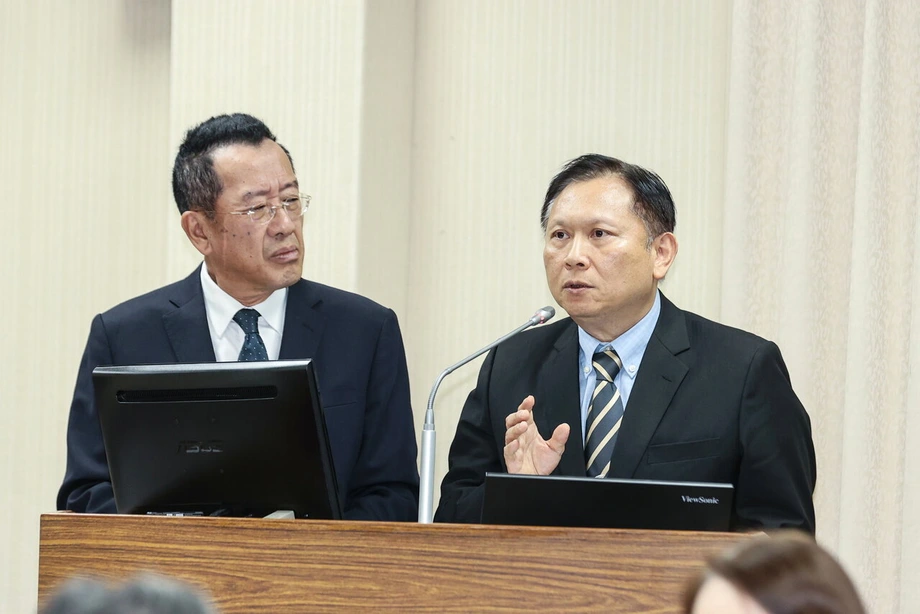
Political Warfare Bureau Director Shih Shun-wen told lawmakers on November 11, 2026, that the recordings were made while Shen was teaching at National Taipei University. They were later distributed to military units as supplementary materials for general defense education, including lessons on cognitive warfare.
Defense Minister Wellington Koo said the military selected speakers for their expertise and that Shen's recordings were not made for an election. Opposition lawmakers challenged the continued use of the videos after Shen became a legislator and, later, a candidate for Taipei mayor.
The practical dispute concerns what soldiers watched, when they watched it and how the military reviews teaching materials featuring politicians. Koo agreed to provide information about the selection and approval process and promised a report within a week on screenings and audience numbers.
How an aide's account became a legislative dispute
Chen Shih-hsuan, a New Taipei City councilor from the opposition Taiwan People's Party, raised the allegation during a political talk show on November 9. He cited an aide who had recently completed military service and had seen Shen appear in a military educational video.
Chen described the screening as part of the military's weekly Juguang Day instruction and questioned whether showing a candidate to troops amounted to political influence. Juguang Day includes organized educational programming for service personnel.
The Ministry of National Defense responded on November 10 by identifying an episode of its Juguang Garden television program broadcast during the third week of April 2024. The episode featured Shen discussing how Douyin and TikTok affect national security.
The ministry said the program was intended to improve media literacy and alert troops to information infiltration and threats from the Chinese Communist Party. It said the broadcast was "completely unrelated to this year's nine-in-one elections."
The ministry said Juguang Garden invited experts and scholars to lecture according to its designated educational themes, and that government officials and legislators had also been invited to record related programs in their professional fields.
The ministry stressed that the armed forces strictly upheld the principles of "the military belonging to the nation" and "administrative neutrality," and that their position of not becoming involved in political or election activities was firm. It urged the public "not to be influenced by unverified false statements, which damage the armed forces' image and do nothing to benefit national defense security."
By the following day's legislative hearing, questions had expanded beyond that particular broadcast to the military's wider collection of training videos.
Two sets of material, with different dates
Shih explained that the military also held recordings Shen made in July 2023, while working as an academic. Those recordings covered cognitive warfare and became supplementary materials available to military units for general defense education.
Kuomintang legislator Lo Ting-wei repeatedly asked whether Shen's appearances had continued after the April 2024 television broadcast. Shih confirmed that the material had been used in both recruit training and reserve refresher training.
The sequence matters because the ministry's initial response centered on a dated television episode, while lawmakers were asking about continued classroom use. The main events were:
- July 2023: Shen recorded cognitive warfare material while teaching at National Taipei University.
- February 1, 2024: Shen took office as a DPP legislator.
- Third week of April 2024: Juguang Garden broadcast an episode featuring Shen on Douyin, TikTok and national security.
- November 9, 2026: Chen publicly raised his aide's account of seeing Shen in military instruction.
- November 10: The defense ministry responded by identifying the April 2024 broadcast.
- November 11: Military officials acknowledged that the 2023 material had also been used in recruit and reserve training.
Koo explained that his initial comments addressed the Juguang program because that was the program named in the allegation. The subsequent questions brought the separate general education materials into the discussion.
What recruits and reservists were taught
Shih said recruits receive more than 10 hours of general defense education. Cognitive warfare is one part of that instruction, and Shen's recorded material appeared in that portion. Reserve refresher courses also used the material.
Cognitive warfare, in this context, means efforts to influence how people understand events and make decisions through information. Media literacy teaches people to examine where a claim comes from, what evidence supports it and whether its presentation is trying to manipulate them.
Kuomintang legislator Hsu Chiao-hsin, chairing the committee meeting, asked specifically about the 137th Infantry Brigade in April 2026 and about Air Force reserve training in Tainan. Shih responded that the general defense education curriculum had continued using the relevant material.
The military had not yet given a complete list of screening dates, participating units or viewers. Those records are central to establishing the scale and timing of the material's use, especially during the election campaign.
Why Shen's change in status matters
Lo focused on February 1, 2024, when Shen became a legislator. He argued that the military should have reconsidered using a recording made when Shen was an academic once the speaker also held elected office.
Shen's subsequent candidacy for Taipei mayor added another concern for opposition lawmakers: a person seeking votes was appearing before troops through official training. They asked why the military had not replaced the recordings or reviewed them for possible conflicts with administrative neutrality.
Administrative neutrality means public institutions carry out their duties without using public authority or resources to favor a political party or candidate. For military education, the immediate question is how to retain useful instruction while keeping the institution separate from election campaigning.
Lo said he supported teaching troops about media literacy, Chinese information operations and infiltration. His objection concerned who appeared in the lessons and how the military managed those appearances after a speaker's political role changed.
He requested documents identifying the unit that chose the topic, the people who recommended the speaker and the official who approved the program. Koo agreed to provide the information.
Koo defends invitations based on expertise
Koo maintained that the military invited speakers according to their professional knowledge rather than their party. Shen's work on Chinese cognitive warfare and disinformation was the reason for his participation, the minister said.
Before the hearing, Koo told reporters that the April 2024 appearance was far removed from the current Taipei mayoral campaign. He also said he had not heard of plans to rebroadcast that program and reaffirmed that the military would not intervene in elections.
Koo cited Kuomintang legislator Chen Yeong-kang as another politician invited to participate in Juguang programming. He said Chen was invited in the second week of June 2026 and that the resulting content aired in July.
Lo responded that the relevant issue was the use of material featuring someone running in the election. He asked whether other educational videos could be used during the campaign.
Koo's defense rested on the professional basis for the invitations and the purpose of the recordings. Opposition lawmakers concentrated on the later decision to keep using them. Those positions put the military's process for reviewing existing material at the center of the dispute.
Lawmakers challenge the ministry's first explanation
Hsu and Lo also criticized how the ministry disclosed information. They said a response focused on the April 2024 television broadcast left out the broader use of Shen's recordings in military training.
Hsu argued that the ministry should have acknowledged the relevant classroom materials when the allegation first emerged. She objected to language dismissing the accusation as false when officials later confirmed that troops had been shown recordings featuring Shen.
Koo said the ministry had answered the specific claim about Juguang Day and then explained the other materials when lawmakers asked about general defense education. Shih described the recordings as part of a collection of supplementary teaching resources.
Shih also said the military had not screened all its videos to identify people who were participating in elections. That answer supplied a concrete explanation for why an older academic recording could remain in circulation after its speaker became a candidate.
The disagreement over disclosure now sits alongside the neutrality complaint. Lawmakers want a full account of the material's use, while the ministry has defended its educational purpose and the basis on which speakers were selected.
Opposition demands accountability and screening records
Kuomintang communications chief Chen I-hsin called for Koo to apologize publicly and for the Political Warfare Bureau director to step down. He accused the ministry of allowing military education to become a vehicle for party promotion.
Chen argued that the central issue was why the videos remained in use after Shen entered the mayoral race. He demanded complete screening records, including when the material was shown and how many service personnel had watched it.
The defense ministry continued to state that the armed forces belong to the nation and remain politically neutral. Its November 10 statement said government officials and legislators had appeared in educational programming to share knowledge in their professional fields.
The competing arguments have concrete consequences for military instructors. They need to know which approved materials remain suitable when a speaker's public role changes, and whether election periods require a review or replacement of existing lessons.
What the promised report needs to clarify
Koo promised a report within a week detailing screening frequency and audience numbers. He also agreed to supply the requested information on topic selection, speaker recommendations and approval.
Screening records would give lawmakers a clearer account of how the July 2023 materials moved from production into recruit and reserve classrooms. The approval documents would identify who was responsible for choosing the content and authorizing its use.
The November 11 exchange took place at the legislature's Foreign Affairs and National Defense Committee, which was considering 11 proposed amendments to Article 39 of the Act of Military Service for Officers and Noncommissioned Officers of the Armed Forces. Questions about the videos became a broader examination of the ministry's educational oversight.
The next concrete step is the delivery of the records Koo promised. They will allow the debate to focus on actual screening dates, audiences and decisions, alongside the ministry's stated commitment to keep military education separate from election activity.
Key Points
- Military officials confirmed that cognitive warfare videos Shen recorded in July 2023 were used in recruit and reserve training.
- The ministry's initial response focused on a separate Juguang Garden broadcast from April 2024 about Douyin, TikTok and national security.
- Opposition lawmakers questioned continued use after Shen became a legislator and later a Taipei mayoral candidate.
- Koo said speakers were selected for their expertise and the recordings were not made for election purposes.
- Lawmakers requested screening records and documents showing how the topic and speaker were approved.
- Koo promised a report within a week on the number of screenings and viewers.