Employers Would Have to Show Why Job Cuts Are Necessary
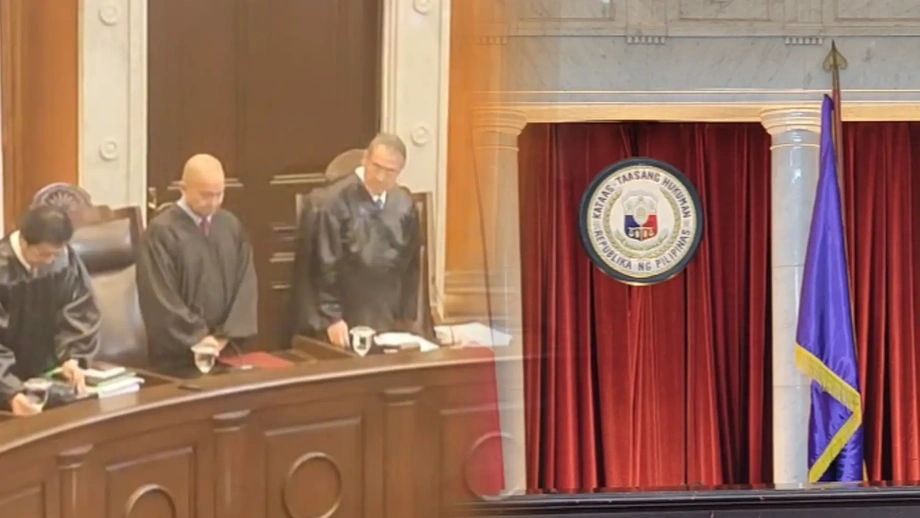
MANILA - Philippine employers planning layoffs because of artificial intelligence would have to notify the Department of Labor and Employment at least six months in advance and pay displaced workers at least two months' salary under Senate Bill No. 2563, filed by Senator Erwin Tulfo.
Contents
- Employers Would Have to Show Why Job Cuts Are Necessary
- What Companies Would Need to Demonstrate
- Training and Transfers Would Come Before Termination
- Six Months' Notice Would Give More Time to Prepare
- How the Separation Pay Would Work
- Why Tulfo Is Focusing on Family Income
- What the Proposal Could Mean for Businesses
- Key Points
The proposal would amend the Labor Code of the Philippines to set conditions for dismissals linked to AI automation. Companies would have to show that they are genuinely using the technology, have a valid economic reason for adopting it and have no reasonable alternative to the resulting workforce reduction.
Tulfo, who chairs the Senate committee on social justice, welfare and rural development, also wants employers to prioritize retraining and reskilling before terminating employees. The proposal includes consultations with affected workers and efforts to redeploy them, meaning moving them into other jobs within the business.
Workers who still lose their jobs would receive at least two months' salary or two months' salary for every year of service, whichever amount is higher. That formula would make length of service a central part of the payment owed to an employee.
The measure remains a proposal. It would need approval from both the Senate and the House of Representatives before it could become law, and its prospects are uncertain. No date for a hearing or vote has been given.
What Companies Would Need to Demonstrate
Senate Bill No. 2563 would make genuine use of AI technologies or systems a condition for an AI related dismissal. Employers would also have to introduce the technology in good faith and for a legitimate business purpose, such as reducing costs, improving efficiency or providing better services.
Good faith means acting honestly in carrying out the stated business decision. Under the proposal, an employer would need to connect its decision to adopt AI with a real operational purpose and explain why a reduction in staff is necessary.
Artificial intelligence refers to computer systems that perform tasks such as interpreting information, generating text or responding to requests. Automation occurs when technology takes over work previously performed by people. The bill focuses on the employment consequences when introducing those systems leads a company to eliminate jobs.
The proposed conditions go beyond showing that a new system can perform a task. Employers would have to establish that no reasonable alternative to workforce reduction is available. They would also have to use fair, objective and reasonable criteria when choosing which employees would lose their jobs.
For a worker, those requirements would create several points at which the employer must justify its decision: why the technology is being introduced, why jobs must go and how the affected employees were selected.
Training and Transfers Would Come Before Termination
Employers would be required to prioritize training for existing staff whose jobs could be affected by AI. Reskilling means helping someone learn the skills needed for a different role. Upskilling means developing skills that allow a person to continue working as the requirements of a job change.
Redeployment would give employers another option before dismissal by moving an affected employee into another position within the company. Together, training and transfers would put retaining workers ahead of terminating them in the process described by the proposal.
A company considering automation would therefore need to examine its current workforce alongside its technology plans. The question would be whether employees could perform changed duties or fill other roles after receiving suitable training.
Tulfo described the aim as preventing avoidable job losses. In comments accompanying the proposal, the senator called for action before employees reach the point of termination:
There must be a proactive effort to keep workers away from termination just because AI comes in.
The bill also includes mandatory consultations with affected workers. That would give employees a place in discussions about the planned changes while employers consider training, transfers and any remaining need to reduce staff.
Six Months' Notice Would Give More Time to Prepare
Employers planning AI related layoffs would have to inform the Department of Labor and Employment, known as DOLE, in writing at least six months before carrying them out. The advance notice requirement would bring the department into the process well before employees leave their jobs.
Six months would become a practical planning requirement for businesses considering workforce reductions. A company would need to account for that period when setting a schedule for an AI rollout that involves dismissals, alongside its duties to consult workers and pursue alternatives.
Employees would be affected by more than the eventual payment. The proposal brings attention to the period before a dismissal, when training or a transfer could still preserve employment and when families need to prepare for a possible loss of income.
The notice provision specifically requires notification to DOLE. Consultations with workers are another obligation under the proposal. Both would form part of the process employers must follow before proceeding with covered layoffs.
How the Separation Pay Would Work
Workers dismissed under the proposed conditions would receive the higher of two amounts: two months' salary, or two months' salary for each year of service. The first amount sets a minimum; the second increases the payment according to how long the employee has worked for the company.
For example, applying the stated formula to an employee with five completed years of service would produce separation pay equal to 10 months' salary. For an employee with 10 completed years, it would produce 20 months' salary.
Those examples show why the provision would matter to employees with longer service. The payment grows with their years at the business, giving them a larger financial cushion when their position disappears.
Employers would need to include that expense in decisions about automation. A technology investment intended to reduce running costs could also involve substantial payments to departing employees, as well as spending on training and the time needed for consultations and notice.
Separation pay would apply when layoffs proceed despite the required efforts to retain workers. The proposal therefore combines measures intended to preserve employment with financial support for people whose jobs are still eliminated.
Why Tulfo Is Focusing on Family Income
Tulfo has framed the proposal around the effect of job loss on households, while acknowledging that businesses need to adopt AI. His argument is that technological change should come with responsibilities toward the people whose work is displaced.
In the bill's explanatory note, Tulfo described how losing a job can also remove the income supporting a worker's family:
As companies adopt AI, employees whose jobs become redundant risk losing not only their employment but also their means of supporting their families.
A redundant job is a position the employer considers no longer necessary. For the person holding it, that business decision can mean losing the regular salary used to pay for food, housing, school expenses and other household needs.
Tulfo's explanatory note also set out how he believes the costs of adopting new technology should be shared:
Technological progress is inevitable, but Filipino workers should not be left behind or made to bear its costs alone.
The proposed combination of training, consultation, notice and separation pay follows that position. It would require businesses to consider continued employment first and provide compensation when a qualifying dismissal goes ahead.
What the Proposal Could Mean for Businesses
Business process outsourcing, back office operations and other services using automation could be affected by the proposed requirements. For employers in those sectors, decisions about AI would need to take account of the workers performing the tasks being changed.
The six months of notice and separation pay formula are likely to attract scrutiny from employer groups because they would affect restructuring schedules and costs. Businesses considering job reductions would have to plan for those obligations alongside the expected savings or service improvements from AI.
Malacañang has acknowledged that AI could displace workers while also creating opportunities for Filipinos. That position reflects the two changes businesses and employees may face at the same time: some tasks can disappear, while other kinds of work emerge or expand.
Senate Bill No. 2563 would address the transition at the company level. Its central test is whether an employer can justify the loss of jobs after considering training, redeployment and other reasonable alternatives. Congressional consideration will determine whether those proposed duties become part of Philippine labor law.
Key Points
- Senator Erwin Tulfo filed Senate Bill No. 2563 to set safeguards for workers facing layoffs because of AI automation.
- Employers would have to demonstrate genuine AI use, a legitimate economic purpose and no reasonable alternative to workforce reduction.
- The proposal calls for worker consultations and priority for training and redeployment before termination.
- Employers would have to notify DOLE in writing at least six months before covered layoffs.
- Separation pay would be at least two months' salary or two months' salary per year of service, whichever is higher.
- The bill still requires congressional approval before it can become law.