Dhaka residents become the backdrop for false claims about India
Beside a canal in Sector 12 of Uttara, Dhaka, a Chinese livestreamer identified as Mianmian pointed her camera toward Tekpara on November 1 and told viewers she was in New Delhi. Her commentary described homes as dirty and unhygienic, turning footage of a Bangladeshi neighbourhood into a disparaging portrayal of life in India.
Contents
- Dhaka residents become the backdrop for false claims about India
- What the cameras showed and the commentary claimed
- Months of filming, documented across several visits
- Product promotion is the explanation some streamers give
- Local guides earn money while neighbours lose privacy
- Poverty becomes a recurring video format
- Police acknowledge the filming but offer few details
- Two harms meet in the same footage
- Key Points
Residents estimate that more than 150 Chinese nationals have been filming in the area, although the total has not been independently verified. Their complaints extend beyond false location labels: people say cameras have followed them into homes, kitchens and bathrooms without permission.
An investigation published on November 6 examined livestream commentary translated through Google Translate and checked by four Bangladeshis familiar with Chinese. It identified broadcasts that described Dhaka as India's capital, alongside claims about sanitation, tea drinking and women supposedly living in India after marriage.
Mianmian, a livestreamer who introduced herself as being from China's Sichuan province, described the neighbourhood in these words, according to the translated commentary:
This is New Delhi. Their homes are extremely dirty. There isn't even a fan inside the tin-roofed houses. This place is quite underdeveloped, dirty and unhygienic, and the law-and-order situation is poor.
For residents of Tekpara, the immediate problem is control over their daily lives and images. For viewers in China, the false location changes the meaning of everything on screen: a Bangladeshi home or tea stall becomes an apparent example of conditions in India.
What the cameras showed and the commentary claimed
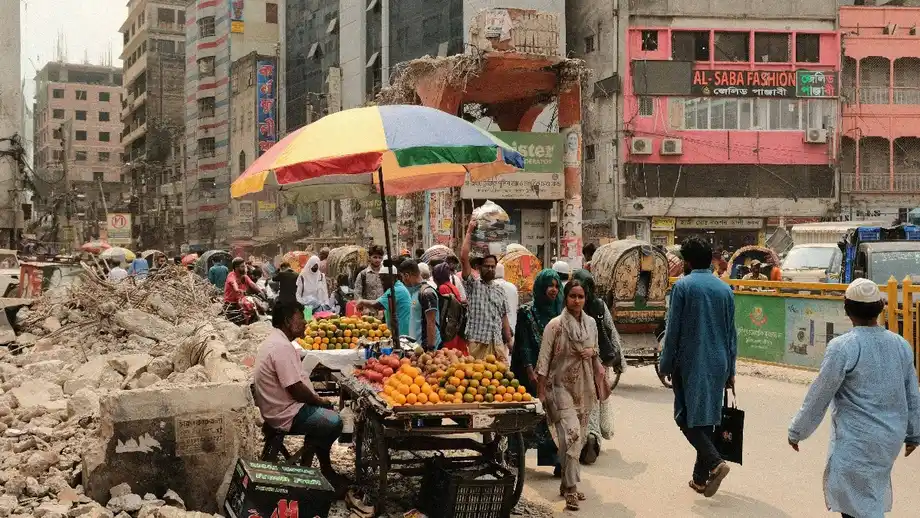
Tekpara sits beside a canal near Uttara's Sector 12, close to the point where more expensive residential buildings give way to densely populated settlements occupied by people with low incomes. Its lanes, shops and homes have repeatedly appeared in the filming.
Wang Wei, another Chinese livestreamer identified in the investigation, filmed tea stalls beside a small bridge. His translated commentary described the tea residents were drinking:
Look, they are drinking tea. Do you know what kind of tea this is? This is cow urine tea. They drink cow urine tea.
At another stall, Wang Wei claimed the tea was made with dirty river water. These were allegations made during his broadcast, with no supporting evidence presented for the ingredients he described.
Some Chinese women broadcasting from the neighbourhood reportedly said they lived there with husbands and families because they had married in India. Other commentary portrayed Bangladeshi men as misusing money whenever they acquired it. Together, the location labels and personal stories gave viewers a misleading account of who the people on screen were and where they lived.
The broadcasts also included positive descriptions of Bangladesh and references to Chinese products. That range matters because the activity combines several elements: footage of poverty, personal storytelling, product promotion and, in identified livestreams, false claims about India.
Months of filming, documented across several visits
Residents describe filming that begins early and continues late into the evening. Some say they have watched it for about a year; others describe three or four months of repeated visits to shops and residential lanes.
During May documentation of the activity, at least five or six Chinese vloggers were observed recording in the neighbourhood. They carried iPhones fitted with cooling fans, equipment suited to keeping phones running during long recording sessions. Later visits on October 27 and November 3 included attempts to speak with 17 Chinese nationals, most of whom declined to discuss their work.
The main documented dates are:
- May 2026: Filming in Tekpara was documented, with residents describing repeated visits and entry into private spaces.
- July 6: Further accounts described growing numbers of Chinese nationals and filming continuing for several months.
- October 27: A local guide and a streamer discussed the activity through a translation application.
- November 1: Mianmian was observed describing footage from beside the Uttara canal as New Delhi.
- November 3: Another visit formed part of the investigation published on November 6.
Akram Hossain, a Tekpara resident, described how filming had become part of the neighbourhood's daily routine:
They start filming before we even wake up. When we go to bed, we still see them filming. But we have no idea what they do with these videos.
Product promotion is the explanation some streamers give
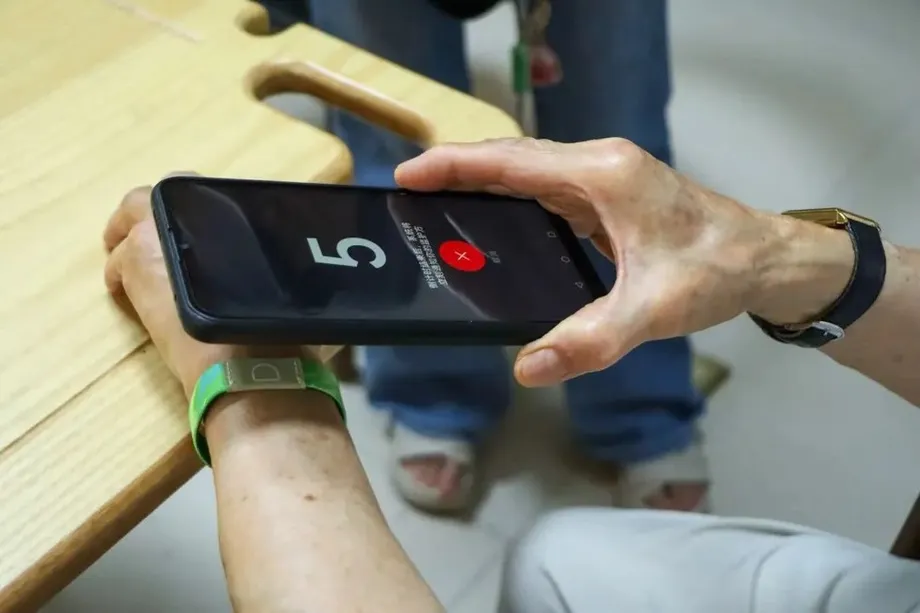
Fangyou, a Chinese national approached on October 27 through local guide Ritu Akhter, said the WeChat livestreams were part of product promotion activities. The conversation took place through Google Translate on his phone. He declined to explain why this part of Uttara had been chosen or why the broadcasts continued for so long.
Other Chinese nationals, communicating through translation applications, similarly said they made videos for Chinese audiences, promoted Chinese products and earned money by posting on platforms including WeChat and services they described as TikTok. Accounts of the filming also identify Douyin, the Chinese counterpart to TikTok.
Li Yang, a streamer filming air conditioners on buildings in Uttara, offered a concrete example of commentary connected to Chinese goods. He told viewers:
Look, they use air conditioners too. Most of these air conditioners are Chinese. Everyone uses Chinese products because they think they are cheap here. Can you tell me which brand this air conditioner is? Whoever can guess correctly will receive a prize.
Local grocery sellers describe a less obvious commercial connection. They say visitors filmed onions, potatoes, green chilies and rice without buying anything. Repeated recording, rather than a single visit, was the source of their frustration.
Ritu said the streamers earned money through WeChat, Douyin and other platforms, and were particularly interested in places where people with low incomes lived. Their total earnings, audience sizes, sponsors and any common organiser remain unknown, as does whether the false portrayals of India were coordinated.
Local guides earn money while neighbours lose privacy
Ritu Akhter said she had worked with the Chinese nationals for several months and earned Tk 700 to Tk 800 a day as a guide. Resident Monowara Begum described a broader payment range of Tk 500 to Tk 1,000 for Bangladeshi women accompanying the vloggers.
Ritu's stated daily pay falls within that wider range. The figures show that some local people receive a direct income from assisting the filming, while other residents experience it as an intrusion. Hiring a guide and obtaining permission from the people being recorded are separate parts of the activity.
Rozina Khatun, a resident who complained about cameras entering homes, described the personal consequences:
Sometimes they enter our homes and start filming. We are not always properly dressed inside our houses. Imagine how it feels when someone suddenly walks into your home and starts recording.
Papia Begum alleged that some people filming also entered bathrooms. Other residents described cameras reaching kitchens and bathing areas. These complaints concern spaces where people expect privacy, rather than ordinary street scenes.
Mohammad Badal, who said he had lived in the area for around 20 to 22 years, alleged that filming had led to a fight and that a group later returned with police. Other residents said groups of Chinese nationals gathered when someone objected, leaving neighbours uncomfortable.
The language barrier compounds the problem. Residents may see themselves being filmed while having little understanding of the commentary or the audience receiving it. A person shown making tea, shopping or standing at home may therefore have no idea that the broadcast assigns them a different nationality or invents a story about their life.
Poverty becomes a recurring video format
Reviews of videos on Bilibili and Youku found recurring titles using words such as "poor," "dirty" and "slum." The footage often presented impoverished Bangladeshis alongside a vlogger portrayed as a generous visitor helping people in need.
The review also described people being filmed while bathing or carrying out private activities, sometimes apparently unaware of the camera. In one video, a creator grabbed a Bangladeshi youth by the collar. The accounts reviewing those platforms could not independently identify where the particular vloggers encountered in Tekpara uploaded their recordings.
Li Wei, one Chinese national approached while filming, said he worked for a boss. Asked about publication, he said he did not have the videos. His brief explanation points to an employment relationship for that individual, while leaving the identity and role of the employer unanswered.
Interest in visiting poor neighbourhoods also has a commercial presence elsewhere in South Asia. March 2026 reporting described residents of Mumbai's Dharavi earning money by guiding wealthy foreign tourists, with charges reaching Rs 15,000 per visitor. In Uttara, the stated commercial activity is livestreaming and product promotion, with residents' surroundings serving as the setting.
Police acknowledge the filming but offer few details
Mohammad Khalid Mansur, the officer in charge of Uttara West Police Station, said police had seen Chinese nationals filming and had informed senior authorities. He also said he did not know why the videos were being made or where they were published.
Dhaka Metropolitan Police Assistant Commissioner Ariful Islam Rony said police had no specific information about the area's filming activity and described the matter as "suspicious" when it was brought to his attention.
Residents also described difficulties getting answers themselves. In a July incident, a Chinese national approached by journalists called a Bangladeshi man. A local pharmacy owner was handed the phone and reportedly instructed to collect the journalists' phone numbers and ask them to leave.
Police said work on the matter was underway, without giving a public deadline or a date for further findings. For households and shopkeepers, the practical issue continues each time a camera arrives: whether they can refuse filming and whether their refusal will be respected.
Two harms meet in the same footage
Dhaka's residents and the Indian communities invoked in the commentary face different consequences from the same broadcasts. Bangladeshis lose control over images of their homes and daily activities. Indian people become the targets of descriptions attached to footage recorded in another country.
A livestream can show a real street while telling a false story about it. Here, the reported falsehood begins with a basic geographic claim: Tekpara is in Dhaka, Bangladesh, rather than New Delhi, India. Claims about tea ingredients, family relationships and living conditions then build on that mistaken setting.
Commercial explanations account for why some participants say they are filming. Residents' complaints identify what the activity costs people on camera: privacy, comfort in their own homes and the ability to understand how their images are being used. Addressing the filming therefore involves both the accuracy of the broadcasts and the treatment of the people appearing in them.
Key Points
- Identified Chinese livestreamers presented footage from Uttara in Dhaka as scenes from New Delhi.
- Residents estimate more than 150 Chinese nationals are filming locally; the number is unverified.
- Some streamers say the broadcasts promote products and generate income on Chinese platforms.
- Residents allege filming without permission inside homes, kitchens and bathrooms.
- Local guide Ritu Akhter said she earned Tk 700 to Tk 800 a day.
- Police said senior authorities had been informed, but gave no deadline for findings.