Two Singapore projects target different parts of the AI boom
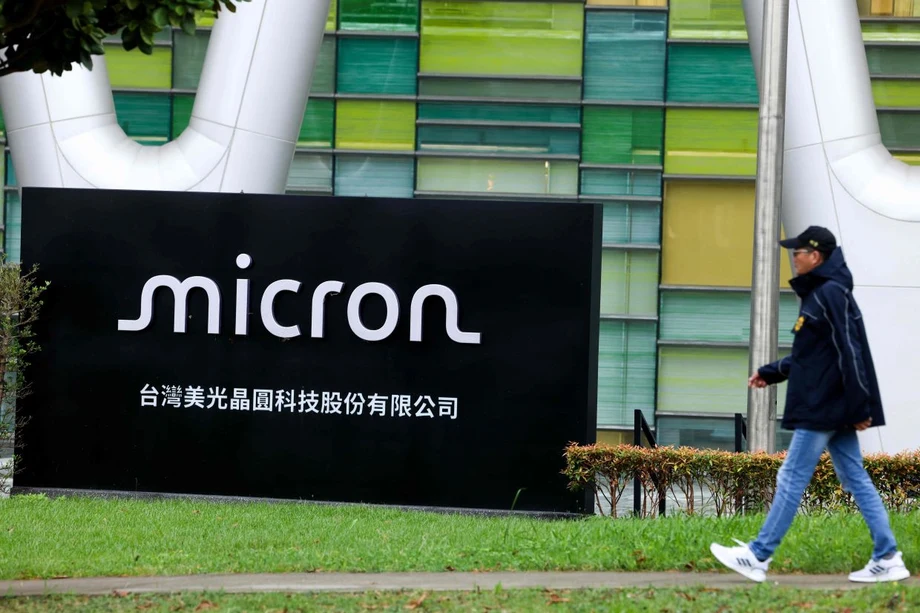
Micron Technology plans to invest approximately US$24 billion over 10 years in a new wafer fabrication facility in Singapore, with production scheduled to begin in the second half of 2028. The company broke ground on January 27, 2026, at its existing NAND manufacturing complex in northern Singapore.
Contents
- Two Singapore projects target different parts of the AI boom
- What the US$24 billion fab will produce
- Why the factory will have two storeys
- HBM packaging is the earlier milestone
- How the expansion will unfold
- Where the 3,000 jobs fit
- Singapore strengthens an established chipmaking role
- Environmental plans accompany the capacity increase
- Key Points
The project will provide about 700,000 square feet of cleanroom space and create around 1,600 jobs. It will be Singapore's first wafer fab with two storeys, adding production space within a country where industrial land is limited.
Alongside the fab, Micron is building an advanced packaging facility for high-bandwidth memory, or HBM, announced in January 2025. That project represents approximately US$7 billion in investment through the end of the decade and beyond, with initial output expected in early 2027.
The two announced investments add up to approximately US$31 billion, although they follow different spending schedules. The US$24 billion figure applies to the new wafer fab alone. Together, the projects are expected to support about 3,000 new Micron jobs.
Both facilities serve demand associated with artificial intelligence, but they perform different tasks. The new fab will manufacture NAND flash memory, which stores data. The packaging plant will assemble HBM, which helps powerful processors move large amounts of data quickly while running AI applications.
What the US$24 billion fab will produce
Micron's wafer fab announcement, published by Singapore's Economic Development Board on January 27, puts the investment at approximately US$24 billion, or S$31 billion. The facility will become part of the company's NAND Center of Excellence in Singapore.
NAND flash is a type of memory that keeps information even when power is switched off. It is used in storage devices that hold files, software and large collections of data. AI systems need this storage alongside the fast working memory used during computation.
A wafer fab makes chips on thin discs of semiconductor material. Its cleanrooms tightly control dust and other contamination because tiny particles can damage the microscopic structures being manufactured. The planned 700,000 square feet refers to this controlled production space.
Micron says the additional capacity will support future changes in NAND technology as well as demand for advanced storage. Research and development will sit alongside manufacturing, allowing teams developing new processes to work closely with the people bringing them into production.
Why the factory will have two storeys
Micron is placing the new facility inside its existing Singapore NAND complex. The design adds a second storey of wafer manufacturing space, making more intensive use of the site while keeping the expansion connected to established operations.
Sanjay Mehrotra, Micron's president and chief executive officer, explained the purpose of the design:
The double-storey design maximises land efficiency, while providing the cleanroom space needed for future technology transitions,
The company expects the combination of research and manufacturing at its Singapore center to improve operating efficiency and shorten the time needed to bring new technology to market. For customers, that means the expansion is intended to support newer storage products as well as greater production capacity.
Micron also plans to use AI, advanced robotics and smart manufacturing in fab engineering and operations. In practical terms, these tools help manage a complex production process in which equipment performance and manufacturing consistency matter at every stage.
HBM packaging is the earlier milestone
Micron's HBM facility is progressing toward initial output in early 2027. Its January 2026 announcement said the plant remained on track to contribute meaningfully to the company's HBM supply during calendar 2027.
HBM is a form of dynamic random access memory, or DRAM, designed to move data at very high speed. Unlike NAND storage, DRAM provides temporary working memory. HBM places memory chips in closely connected stacks, helping AI processors receive the information they need quickly.
Advanced packaging is the process of assembling and connecting those chips into a working product. The Singapore plant will expand this part of Micron's manufacturing capacity and will be its first HBM advanced packaging facility outside Taiwan.
The HBM project carries an investment of approximately US$7 billion through the end of the decade and beyond, with around 1,400 jobs previously announced. Its production schedule puts it ahead of the new NAND fab, giving Singapore an additional role in Micron's memory network before wafer output begins at the larger project.
Micron expects opportunities to share capabilities between NAND and DRAM production as HBM becomes part of the same Singapore manufacturing complex. The two projects bring different memory technologies into a common operating location.
How the expansion will unfold
Micron's construction and production milestones stretch across several years. The HBM packaging plant comes first, followed by the new wafer fab, while investment continues beyond the start of production.
- January 2025: Micron announced its Singapore HBM advanced packaging facility, with approximately US$7 billion planned through the end of the decade and beyond.
- January 27, 2026: Micron broke ground on the new NAND wafer fab, backed by an approximately US$24 billion investment plan over 10 years.
- Early 2027: Initial output is expected from the HBM packaging facility, with a meaningful contribution to supply during calendar 2027.
- Second half of 2028: Wafer output is scheduled to begin at the new NAND fab.
Micron will adjust the pace at which capacity increases to match market demand. The company has not given an exact opening date for the wafer fab or a date for reaching full production capacity. Starting wafer output in 2028 is one milestone within the longer investment program.
Where the 3,000 jobs fit
The wafer fab's approximately 1,600 jobs account for just over half of the combined 3,000 positions announced for the two projects. The remaining 1,400 are associated with the HBM packaging facility.
Micron says the new roles will focus on fab engineering and operations, including work involving AI, robotics and smart manufacturing. For employees, the expansion creates demand for skills that combine semiconductor production with increasingly automated equipment and digital systems.
The company also plans to work with academic institutions and industry partners on student internships, training for existing workers and research talent development. These routes connect the construction program to the longer task of staffing and operating the facilities.
Singapore's Economic Development Board says the semiconductor sector already employs more than 35,000 people. Micron's planned positions are therefore a substantial addition from one company, although recruitment will accompany projects that enter production at different times.
Singapore strengthens an established chipmaking role
Singapore produces one in 10 chips worldwide and one fifth of global semiconductor equipment, according to the Economic Development Board. The industry contributes close to 7% of the country's gross domestic product, a measure of the value generated by its economy.
Micron's expansion builds on that existing industrial base. The board identifies GlobalFoundries, Siltronic, Soitec and UMC among other semiconductor companies investing in Singapore, showing the country's role across several parts of chip production.
Gan Kim Yong, Singapore's deputy prime minister and minister for trade and industry, attended the groundbreaking. He said the new facility would strengthen the country's position in advanced NAND manufacturing:
By anchoring advanced 3D NAND manufacturing here, this facility strengthens Singapore's leadership in NAND flash memory, and reinforces our role as a reliable, high-quality production node in the global semiconductor and AI supply chains.
Micron executive vice president of global operations Manish Bhatia described the investment as part of the company's long commitment to Singapore and its effort to strengthen supply chain resilience. Adding HBM packaging gives the location another production role alongside its established NAND operations.
Environmental plans accompany the capacity increase
Micron says the new fab will follow its sustainability commitments and LEED standards, a framework used to assess building environmental performance. The announcement identifies measures covering greenhouse gas abatement, water recycling and the reuse or recovery of waste materials.
Those commitments build on recognition already received by the existing site, including its designation as a World Economic Forum Sustainability Lighthouse and an Energy Efficiency National Partnership award. The new construction extends a manufacturing location with established environmental programs.
The company's plans connect production growth with workforce development, automation and resource management. As the projects move toward their 2027 and 2028 output milestones, the concrete changes for Singapore are additional memory manufacturing capacity, a new HBM packaging role and thousands of planned technical jobs.
Key Points
- Micron plans approximately US$24 billion in investment over 10 years for a new Singapore NAND wafer fab.
- The facility will provide about 700,000 square feet of cleanroom space, with wafer output scheduled for the second half of 2028.
- A separate HBM packaging plant represents approximately US$7 billion in investment through the end of the decade and beyond.
- Initial HBM output is expected in early 2027, ahead of the new wafer fab.
- The two projects are expected to support about 3,000 new Micron jobs: 1,600 at the fab and 1,400 at the packaging facility.
- Micron will adjust capacity growth to market demand.