A thousand episodes from a team working at home
A Chinese historical drama made with generative artificial intelligence had accumulated a reported 12 billion plays across platforms by November 6, after releasing about 1,000 episodes in just over two months. Behind it is a small creative group whose members previously worked in transport, wholesale, offices and unpaid care at home.
Contents
- A thousand episodes from a team working at home
- Modern weapons meet a world with strict limits
- How the series grew from a trial to ten seasons
- Short episodes carry a very long story
- The work behind an AI battle scene
- A remote studio built around shared files
- What the money figures actually describe
- Viewers still notice stiff faces and stretched plots
- A rare hit in an overcrowded market
- Key Points
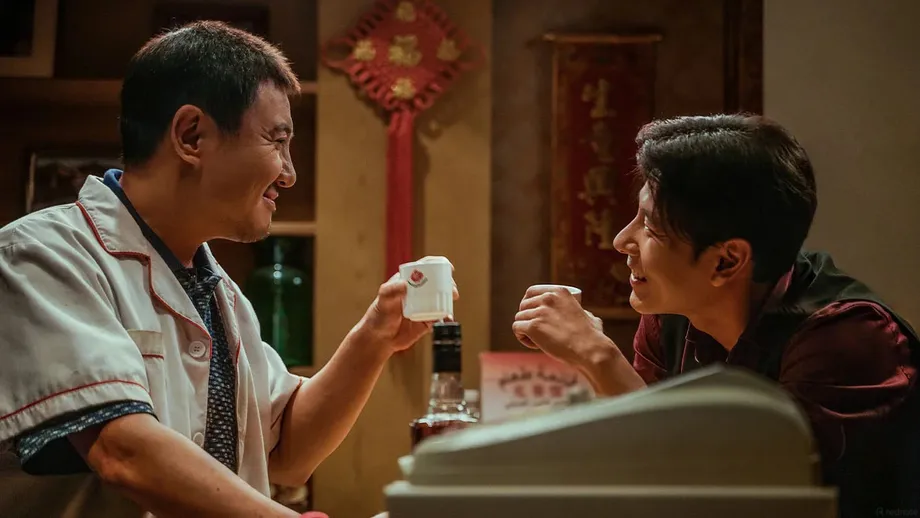
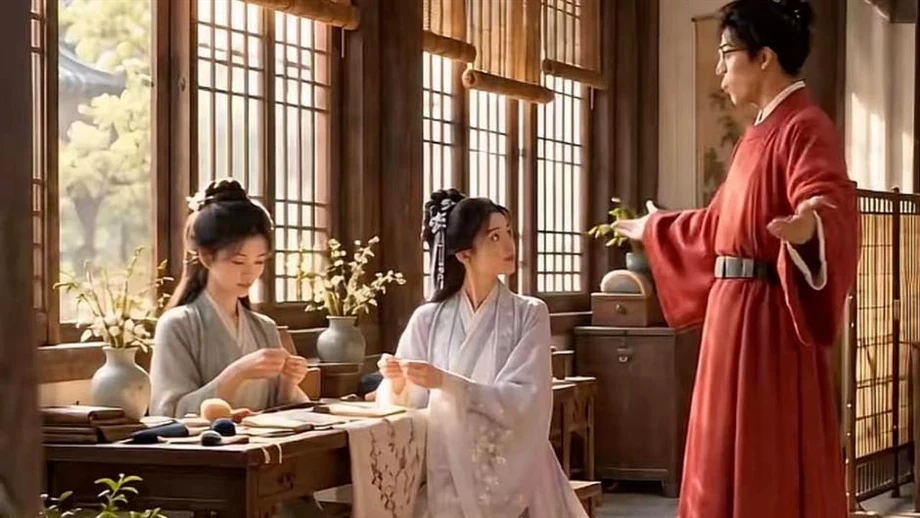
"Crossing into the Song Dynasty with Weapons," also known as "Entering Song," follows five modern special forces soldiers transported to the final years of China's Northern Song Dynasty. Its first season remained among Hongguo's top 10 recommended AI dramas in the first week of November, months after its August debut.
The audience figures require care. Public accounts put cumulative plays at 12 billion by November 6, while other coverage published around the same date gave 6.6 billion. A complete platform breakdown and counting method have not been published. Plays accumulate across episodes, seasons and repeat viewing; the total counts viewing activity rather than individual people.
The production offers a close look at how AI is changing entertainment work. Zhang Hansheng, the project's 54 year old driving force, started learning AI filmmaking in March 2025. His wider studio now has more than 30 people. A core group of six created the series, with about 10 people involved when production, editing and operational roles are included.
Its success also comes with a financial dispute. Producer and head writer Li Chaohua put computing expenditure above 1 million yuan and commercial returns at about 10 million yuan. Zhang subsequently said the team had not finished calculating its earnings.
Modern weapons meet a world with strict limits
The series adapts a novel by Cha Gen'er, an author on the Tomato Novel platform whom the team describes as an English teacher from Harbin. The soldiers arrive near the end of the Northern Song, against the approach of the Jingkang catastrophe, the military disaster associated with the dynasty's collapse in 1127.
The squad initially helps defend a frontier village. Its story expands into building a community, training soldiers, making weapons and navigating the relationships between villagers, commanders and officials. Modern knowledge gives the newcomers an advantage, but their supplies remain finite.
Guns can malfunction. Ammunition runs out. Fuel gets used up. Unlike many fantasy stories about people travelling into another era, the protagonists have no magical mechanism supplying endless equipment or new abilities.
Zhang and director He Xiushan have described those restrictions as part of the novel's appeal. The characters must work within historical arrangements governing registration, food supplies, military organisation and official rank. Their challenge is to turn knowledge into practical power while dealing with people who already inhabit that world.
That structure helps explain the series' long narrative. A modern weapon can settle an immediate confrontation, while keeping a village supplied or winning a commander's trust requires a chain of decisions. The suspense comes from what the five soldiers can achieve before their advantages diminish.
How the series grew from a trial to ten seasons
The team began preparation on August 1, reading the novel, revising scripts, choosing character designs and deciding the visual style. Members first produced roughly 10 episodes to check whether their approach worked before expanding production.
The main milestones show how quickly the project developed:
- March 2025: Zhang began learning AI filmmaking, often studying and experimenting for more than 10 hours a day.
- March and April 2026: Two earlier dramas made by Zhang were released, helping him gain experience before the larger project.
- Late May 2026: The group that would form the core team began coming together.
- August 1: Formal preparation for "Entering Song" began.
- August 21: The team gives this as the first season's release date; some accounts list August 22.
- Early October: Cumulative plays had reportedly passed 4 billion.
- Early November: Ten seasons, each containing about 100 episodes, were available.
Li said the first season initially attracted about 600,000 to 700,000 favorites and received a relatively quiet response. The creators recognised the scale of the breakthrough only after season nine appeared. Zhang said the team uploaded completed, approved episodes to several platforms without purchasing promotional traffic.
Short episodes carry a very long story
Each episode lasts less than two minutes, but the first season alone is listed at about two hours and 34 minutes. Divided across 100 episodes, that works out at roughly 92 seconds per instalment. The format packages a substantial drama into pieces that viewers can watch during brief breaks.
Hongguo favorites across the seasons reached approximately 11.41 million. The highest reported popularity score for a single season was 82.06 million. A popularity score is a platform measure of attention, while a favorite records a user saving a series. Each describes a different kind of engagement.
Some viewers have praised the coherent plot and the urge to find out what happens next. One viewer using the name SZ described repeatedly returning to the series after stopping to sleep. Others said it felt closer to a conventional historical drama than many AI productions released around the same period.
The reception has also extended beyond entertainment. Some viewers began looking up Northern Song history after watching. Public figures including writers Liushen Leilei and Mantou Shuo, as well as technology entrepreneur Fu Sheng, recommended the drama, broadening its visibility outside its original audience.
The work behind an AI battle scene
Generative AI creates images or video from instructions and reference material. For this team, making a usable scene still involves writing, selecting images, checking continuity, editing and reviewing the result within the full story.
Li said an ordinary shot takes about three generation attempts on average. Complex battles often require more than 10 attempts and sometimes exceed 20. A scene containing dozens of people can produce inconsistent faces, incorrect clothing or confused positions, forcing the creator to try again or change the planned shot.
The team maintains shared reference images for characters, settings and props. Even minor officials, soldiers and passersby receive individual designs to reduce repeated faces and help viewers follow who is doing what. Members also check details such as the colours and accessories worn by Song officials.
Technical correctness is only one part of their review. He Xiushan has explained that a shot can have normal movement and no obvious visual mistake yet still fall short because the performance lacks feeling. A particularly important episode may take one or two days to make, with much of the extra time spent improving the script.
One example is the funeral following the death of Qin Hongying, the squad leader's wife, in season six. He created the sequence and wrote a song for it. The team says it judges such scenes partly by whether the creators themselves feel the emotion they hope viewers will experience.
A remote studio built around shared files
Zhang works from Shijiazhuang in Hebei, while collaborators have worked from provinces including Guangdong, Anhui, Hubei, Jiangxi and Fujian. WeChat groups and shared online storage serve as the production office.
A creator generally handles a stretch of the story through several stages, from breaking down the script to generating images and video and editing the footage. Colleagues review the result in a group chat, suggest changes and return it for revision. Completed segments then undergo a wider review to keep characters, pacing and emotion consistent.
The arrangement accommodates different circumstances. Some members fit work around collecting children from school. Others prefer working at night. Meetings are concentrated around decisions that need group discussion, rather than held as a daily routine.
Zhang has said members receive income through collaboration and revenue sharing, with proportions varying by responsibility. Where payment depends on production volume, it is calculated using the duration of footage approved for the final work. Rejected material earns no payment under that arrangement, so repeated generation also carries a cost in the creator's time.
The wider studio uses what it calls an OPC, or "one person company," model. Some members have entered a short drama centre in Shijiazhuang's Jingxing mining district, where local support includes office space. Zhang nevertheless wants to preserve remote collaboration because it keeps living and operating expenses manageable.
What the money figures actually describe
Li's account of more than 1 million yuan in computing costs gives a useful measure of the resources involved. Across approximately 1,000 episodes, that implies computing expenditure averaging more than 1,000 yuan per episode. Computing pays for the processing needed to generate material, including attempts later discarded.
Commercial returns of about 10 million yuan were also attributed to Li in an interview published on October 29. Zhang challenged the widely circulated financial description on November 6, saying the team's economic position had improved but its earnings had not yet been fully calculated. He declined to disclose individual income.
The series' final net profit is therefore still undisclosed. Calculating it would require accounting for labour, rights and other production expenses alongside computing charges and the money received.
Members have nevertheless described tangible improvements in their lives. Li said some colleagues had cleared debts, including debts amounting to hundreds of thousands of yuan, while others moved from juggling several jobs to concentrating on creative work. Zhang has also been described as having repaid earlier debts, although no amount was disclosed.
Zhang, who returned home to care for his ill father after several unsuccessful ventures, described the opportunity in personal terms:
"I'm grateful that AI has given us new job opportunities and an ordinary person the chance to change their fate," Zhang said.
Viewers still notice stiff faces and stretched plots
The most persistent criticism concerns the images. Viewers have complained about rough movement, stiff facial expressions and awkward dialogue scenes. Li has acknowledged weaknesses in extended shots, expressions, speech and the matching of mouth movements to words.
Some viewers also question the writing. Complaints include implausible events near the beginning, an unconvincing romance and unnecessary plotlines that stretch the story across approximately 1,000 episodes. The same scale that keeps committed viewers supplied with new material can test the patience of those who want a tighter narrative.
The creators have responded by putting more time into preparation. Their wider operation once ran as many as five production groups simultaneously and released around 20 dramas a month. Monthly output has since fallen to fewer than 10 as the team shifts toward more carefully developed projects.
Reading novels and rewriting scripts use time without consuming video generation credits. Zhang's approach is to make more decisions before generating footage. Individual projects may then use more computing resources, while a smaller total output can bring the studio's combined consumption down.
A rare hit in an overcrowded market
DataEye counted 221,900 AI dramas added to Douyin during the first half of 2026. Of those, 1,055 exceeded 100 million plays, approximately 0.48%, or about one in 210. Even in a market measured in billions of plays, very large audiences were concentrated among a small fraction of releases.
The visual style of "Entering Song" also places it in a minority on Hongguo. DataEye counted 500 AI dramas and animated dramas appearing on the platform's charts in September: 460 used 3D animation, or 92%, while 38 used images resembling real actors, or 7.6%. The animated titles outnumbered the realistic ones by roughly 12 to one.
Douyin's native video feed showed a different pattern, with realistic AI dramas receiving more than 60% of plays in the comparison cited. A creator's choice of appearance therefore operates within a particular platform, audience and viewing format.
The industry is also becoming harder to earn a living in. Production prices have fallen sharply, some platforms have withdrawn guaranteed payments for fully AI generated dramas, and revenue sharing has been reduced. Platforms have also removed large quantities of poor quality material.
Zhang has warned against assuming that buying software or taking a course makes success easy. His own path involved prolonged practice, commercial assignments and unpaid experimentation. The team is preparing further adaptations, but no release date was given for its next project.
Key Points
- "Entering Song" released about 1,000 episodes across 10 seasons between August and early November.
- Cumulative plays were put at 12 billion by November 6, while other accounts around the same date gave 6.6 billion.
- Six core creators worked within a broader production group of about 10 and a studio of more than 30 people.
- Li Chaohua said computing costs exceeded 1 million yuan; Zhang Hansheng said earnings had not yet been fully calculated.
- Viewers praised the suspense while criticising stiff AI performances and extended plotlines.
- The studio has reduced output to spend more time on scripts, preparation and quality control.