Ten Appointments Put Cabinet Review in Focus
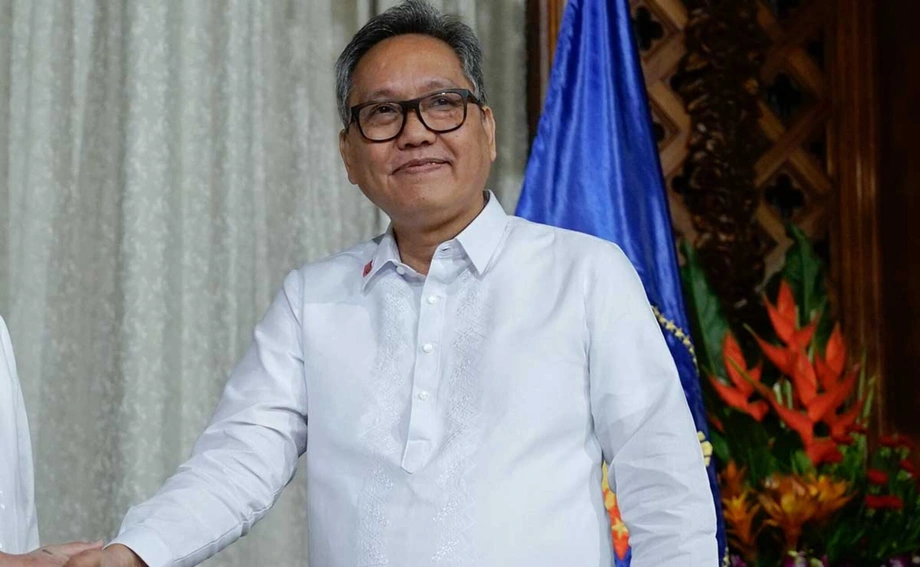
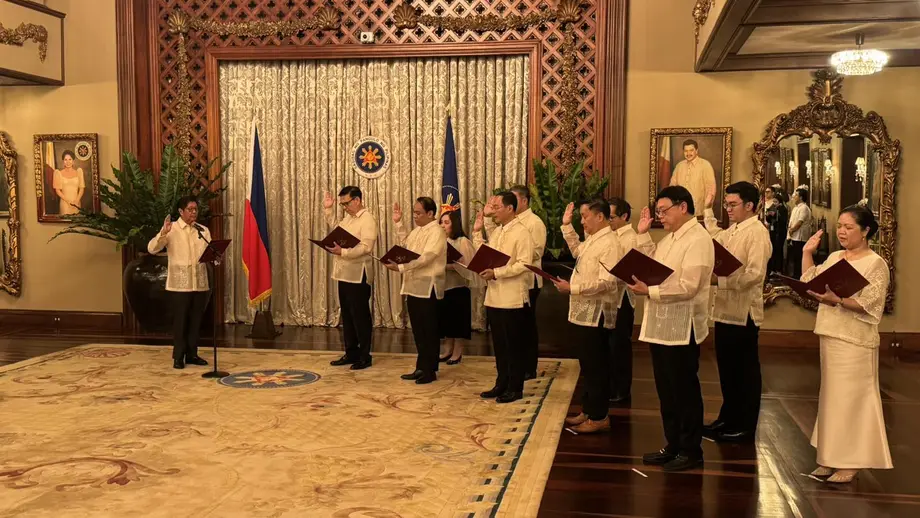
President Ferdinand Marcos Jr. swore in 10 senior government officials at Malacañang Palace on November 6, 2026, giving them ad interim appointments ahead of the resumption of Congress and the next stage of scrutiny by the Commission on Appointments.
Contents
- Ten Appointments Put Cabinet Review in Focus
- Who Took the Oath?
- What an Ad Interim Appointment Means
- How the Confirmation Process Works
- Transport and Public Works Change Hands
- Accountability Dispute Surrounds the Appointments
- What Marcos Wants the Officials to Deliver
- The Dates Behind the Cabinet Changes
- Key Points
Executive Secretary Ralph Recto said all 10 had already submitted their appointment documents to the commission. Most of the reappointed officials had been serving in an acting capacity. Their new appointments allow them to perform their duties while awaiting the confirmation process.
The Friday ceremony covered nine Cabinet officials and Philippine Space Agency Director General Gay Jane Perez. Finance Secretary Frederick Go had taken his oath separately on Thursday, November 5.
Marcos used the ceremony to praise his leadership team while calling for stronger accountability, cleaner governance and results that families could feel through affordable basic goods, safer travel and proper payment of workers' benefits.
Before administering the oaths, Marcos compared the group with the Cabinet of his late father, former President Ferdinand Marcos Sr.
This is the best team ever assembled here since my father's Cabinet.
The president's praise comes amid a dispute over repeated ad interim appointments and whether officials are being brought before the commission for examination. Senator Imelda "Imee" Marcos has challenged the administration's handling of the process, while Malacañang maintains that reappointing officials falls within the president's lawful powers.
For the appointees, the immediate task is to lead their offices while preparing for legislative review. For the public, the practical test will be whether the departments deliver the services and protections Marcos identified.
Who Took the Oath?
Recto headed a group whose responsibilities range from government spending and justice to transport, health and environmental protection. The complete list of officials sworn in on November 6 was:
- Ralph Recto, Executive Secretary.
- Fredderick Vida, Secretary of Justice.
- Giovanni Lopez, Secretary of Public Works and Highways.
- Francis Tolentino, Secretary of Labor and Employment.
- Edwin Mercado, Secretary of Health.
- Juan Miguel Cuna, Secretary of Environment and Natural Resources.
- Maria Bernardita Angara-Mathay, Secretary of Tourism, also identified as Dita Angara-Mathay.
- Vince Dizon, Secretary of Transportation.
- Kim Robert De Leon, Secretary of Budget and Management.
- Gay Jane Perez, Director General of the Philippine Space Agency.
Go's separate ceremony a day earlier places the finance portfolio alongside the latest round of appointments. Across the two days, Marcos administered oaths to 11 officials, with 10 participating in Friday's ceremony.
The group combines officials responsible for coordinating the administration with those heading departments that deliver services directly. Budget decisions, transport operations, labor protections and public infrastructure all sit within the responsibilities represented at the ceremony.
What an Ad Interim Appointment Means
An ad interim appointment is an appointment made by the president while Congress is in recess. It takes effect immediately, allowing the official to work while awaiting action by the Commission on Appointments. In plain language, the official can begin or continue the job before the confirmation review is completed.
Most of the officials reappointed on Friday had previously been serving in an acting capacity. Recto said the oath ceremony marked the group's receipt of ad interim appointments and that all would go through the commission.
Recto, the executive secretary and one of the appointees, explained the next step in remarks translated from Filipino:
We will all undergo confirmation by the Commission on Appointments. We have already submitted our appointments to the CA).
The change in appointment status brings the confirmation process into focus while keeping the agencies under serving leadership. Recto's announcement also puts the submission of documents on the record, ahead of the commission's examination of the appointees.
How the Confirmation Process Works
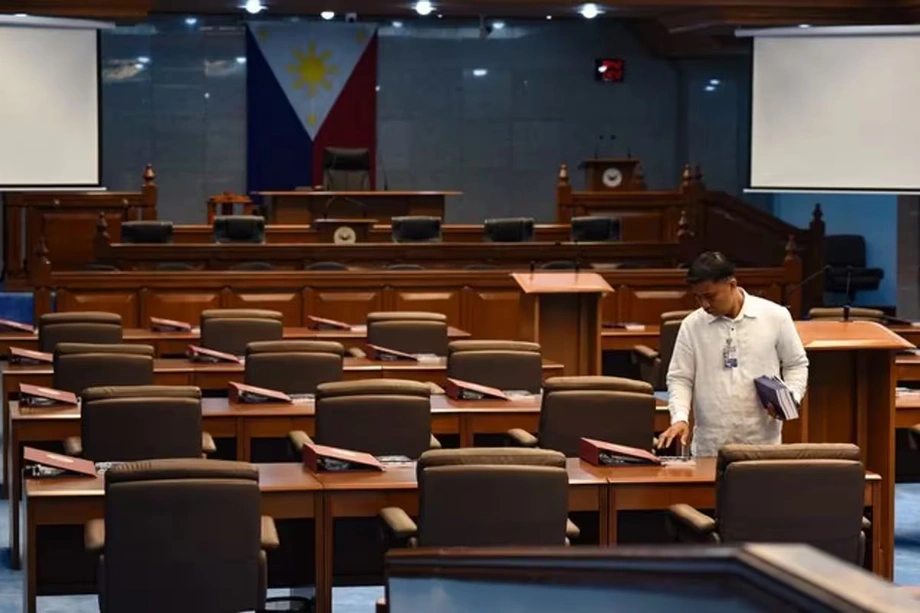
The Commission on Appointments reviews presidential appointments that require its consent under the 1987 Constitution. Its membership includes lawmakers from both the Senate and the House of Representatives, giving the legislative branch a role in examining the president's choices.
The process is a form of checks and balances: the president selects an official, while the commission decides whether to approve an appointment requiring confirmation. This divides responsibility between the executive branch, which runs government departments, and legislators involved in the review.
When Congress resumes, the commission assesses the appointees' qualifications, integrity, competence and fitness for their positions. A committee may recommend confirmation, with the commission's plenary, or full body, making the final decision. The commission can approve or reject appointments within its authority.
Congress was due to resume its session on Monday, November 9, following its recess. No individual confirmation hearing dates were announced alongside the oath ceremony. The next step for the officials is therefore consideration of their appointments by the commission, rather than another oath before the president.
Transport and Public Works Change Hands
Dizon and Lopez switched portfolios in the Cabinet changes surrounding the appointments. Dizon moved from the Department of Public Works and Highways to the Department of Transportation, while Lopez transferred to public works.
The two departments handle connected but different responsibilities. Public works covers infrastructure responsibilities, while transportation deals with the movement of people and goods. The exchange puts each official in charge of a different part of the government's response to travel and infrastructure concerns.
Marcos singled out safe and convenient transport for Filipinos traveling home as a priority. That instruction gives Dizon a concrete service concern to address as transportation secretary, particularly during holiday travel.
Lopez takes charge of public works as the president calls for effective implementation of priority programs and measurable results. Both officials will also face the confirmation process described by Recto, bringing their suitability for their new assignments before the commission.
Accountability Dispute Surrounds the Appointments
Senator Imee Marcos, the president's sister, has accused the administration of undermining constitutional checks and balances by failing to present its ad interim officials before the Commission on Appointments. Her criticism centers on whether the review mechanism is being allowed to operate as intended.
Malacañang has defended the continued reappointment of ad interim Cabinet officials, saying the practice is part of the president's prerogative and does not violate the law. Recto's statement that the latest group had submitted its documents puts the upcoming confirmation proceedings at the center of that disagreement.
An earlier change at the Presidential Communications Office showed how an unresolved confirmation can affect an official's tenure. In October, Marcos replaced Dave Gomez with former Taguig City Mayor Lino Cayetano after Gomez's confirmation was bypassed.
Marcos said at the time that Gomez had been bypassed and identified Cayetano as his replacement. In this context, bypassed means the confirmation was not taken up. Gomez's departure provides a recent example of a personnel change following an appointment that had not secured confirmation.
What Marcos Wants the Officials to Deliver
Marcos directed the appointees to build on existing government accomplishments, address longstanding challenges and implement priority programs effectively. The Presidential Communications Office said his instructions focused on turning those priorities into action.
Affordable basic commodities were among the concerns he highlighted. For families, that means the cost of everyday necessities remains part of the performance test he set for the government. His remarks also connected public service with the experience of people traveling home and workers seeking benefits required by law.
Tolentino's labor portfolio falls directly within the president's call to protect workers' rights through proper enforcement of labor laws. Marcos specifically raised holiday pay and other mandatory benefits, making the compensation workers receive a concrete part of his message.
The president also called for cleaner governance and stronger accountability. His instructions placed responsibility on department and agency heads to move beyond policy announcements and produce improvements in daily life. The ceremony brought together that demand for delivery and the separate requirement for appointment review.
The Dates Behind the Cabinet Changes
The latest appointments followed an October personnel change and came just before Congress was scheduled to return. The sequence places the oath ceremonies between a recent bypassed confirmation and the next opportunity for legislative scrutiny.
- October 2026: Marcos replaced Presidential Communications Office chief Dave Gomez with Lino Cayetano after Gomez's confirmation was bypassed.
- November 5, 2026: Finance Secretary Frederick Go took his oath before the president.
- November 6, 2026: Marcos administered the oaths of 10 senior officials at Malacañang. Recto said their appointment documents had been submitted to the Commission on Appointments.
- November 9, 2026: Congress was scheduled to resume its session after the recess.
The officials enter that next stage with authority to perform their duties and an obligation to undergo the confirmation process described by Recto. Their departments must continue operating while lawmakers consider the appointments.
Key Points
- Marcos swore in nine Cabinet officials and Philippine Space Agency Director General Gay Jane Perez on November 6, 2026.
- Finance Secretary Frederick Go took his oath separately on November 5.
- Recto said all 10 Friday appointees had submitted their appointment documents to the Commission on Appointments.
- Ad interim appointments allow officials to serve while awaiting confirmation.
- Dizon moved to transportation, while Lopez took charge of public works.
- Marcos called for affordable basic goods, safe travel, enforcement of holiday pay and stronger accountability.
- Congress was scheduled to resume on November 9, with confirmation proceedings the next stage for the appointees.