Eight Trainsets Take Priority as Greater Jakarta Demand Grows
Indonesia's state railway operator PT Kereta Api Indonesia (KAI) plans to procure 23 new electric commuter trainsets over two to three years, replacing a proposal to import used trains from Japan. Eight of the new trainsets are urgently needed for the Greater Jakarta commuter network, which carried 303,792,024 passenger journeys between January and October 2026.
Contents
- Eight Trainsets Take Priority as Greater Jakarta Demand Grows
- What Changed From the Japanese Import Proposal?
- INKA Gets a Central Role, With Foreign Partnerships Open
- Nearly One Million Passenger Journeys a Day
- Testing Is Already Under Way on the Bogor Route
- Earlier Orders Show Why Production Capacity Matters
- The Earlier Eight Was a Separate Procurement Discussion
- How the Fleet Plan Reached This Point
- Key Points
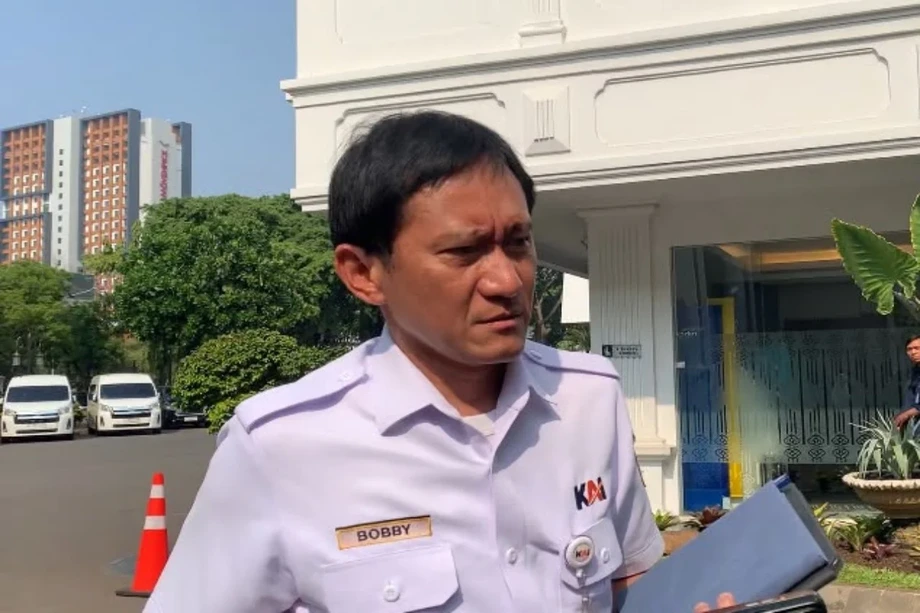
KAI President Director Bobby Rasyidin announced the decision at the Presidential Palace Complex in Jakarta on November 5, 2026. The procurement will involve state manufacturer PT Industri Kereta Api (INKA), with international manufacturers able to participate through cooperation with Indonesian industry.
Bobby said passengers should receive new trains rather than used imports. Explaining the decision, he said:
No, we are not importing used trains. The public deserves new ones.
The requirement covers seven trainsets with 12 cars each and 16 with eight cars each. Together, those formations would provide 212 passenger cars. A trainset is a group of connected cars that operates as one train, so the announcement concerns 23 complete trains rather than 23 individual carriages.
The change gives KAI a new route to expanding its fleet, while placing production capacity and delivery schedules at the centre of the programme. Commuters need more available trains, and INKA is already involved in both manufacturing new rolling stock and refurbishing existing units.
KAI's latest announcement also comes as an eighth INKA trainset undergoes testing on the Bogor–Jakarta Kota route. Seven other INKA trainsets returned to passenger service in October after inspections, bringing the procurement decision alongside practical work to prepare trains for daily operations.
What Changed From the Japanese Import Proposal?
KAI had previously presented a proposal to import used Japanese electric commuter trains to Commission VI of Indonesia's House of Representatives, known as the DPR. That proposal had received initial approval from the commission before the government changed direction.
The earlier plan sought to meet the same stated requirement for 23 additional trainsets on the Jabodetabek network, which serves Jakarta and surrounding urban areas. The new approach retains that fleet requirement while changing how it will be met: the trains must be new, and domestic industry must participate.
Bobby linked the decision to both passenger service and support for Indonesian manufacturing. Foreign technical cooperation remains possible, meaning international companies can still contribute to the programme through partnerships involving local manufacturers.
The immediate priority is eight trainsets, about 35 percent of the total requirement. The remaining 15 are part of the broader procurement programme, which KAI wants completed within two to three years.
INKA Gets a Central Role, With Foreign Partnerships Open
KAI's November 6 statement described INKA as responsible for processing the procurement of all 23 trainsets. INKA can manufacture trains itself or work with international producers, provided Indonesian industry remains involved.
Bobby's comments at the palace had described INKA as one of the expected suppliers. The subsequent explanation set out a wider coordinating role for the manufacturer, with flexibility over how production is organised.
For readers, the practical point is straightforward: INKA's responsibility for procurement can include arranging partnerships, as well as building trains in its own facilities. The production plan therefore has room for contributions from more than one manufacturer.
Commission VI member Herman Khaeron supported domestic production while calling for alternatives if local factories could not meet KAI's requirements. Speaking on November 6, he said:
Essentially, we endorse the domestic production of train cars, but if it cannot meet KAI's current needs, please look for other options.
Herman also said the cancellation of the used Japanese import plan had been discussed in depth. His comments put delivery capacity alongside domestic manufacturing as a central concern for parliamentary scrutiny.
Nearly One Million Passenger Journeys a Day
Commuter Line Jabodetabek recorded an average of 999,316 passenger journeys a day during January–October 2026, according to figures released by KAI. The total of 303,792,024 journeys describes trips taken, including repeated travel by regular commuters.
Those figures explain the scale of the service KAI must support. A commuter travelling to work and returning home contributes two journeys in a day. Keeping enough trains available matters across a network used repeatedly for work, education and other daily activities.
The planned mix of train lengths also matters. Seven formations of 12 cars account for 84 cars, while 16 formations of eight cars account for another 128. The longer formation has four more cars than the shorter one, or 50 percent more cars per train.
KAI has not announced passenger capacity figures for the new formations, a contract value, a detailed tender schedule or a delivery date for the urgent eight. Those details will determine how quickly the procurement translates into additional space for passengers.
Testing Is Already Under Way on the Bogor Route
KAI and INKA began dynamic testing of the eighth domestically produced KRL trainset on the Bogor–Jakarta Kota line on November 4, 2026. KRL is the Indonesian abbreviation for an electric train, the type used on the commuter network.
A dynamic test checks a train while it is moving, allowing its technical readiness and safety to be evaluated under operating conditions. KAI said the trials were taking place outside busy travel periods.
Anne Purba, KAI's vice president for corporate communication, said KAI, KAI Commuter and INKA were overseeing the testing together. The checks form part of preparing the trainset to carry passengers safely and reliably.
Seven INKA trainsets had already undergone thorough inspections and returned to passenger service in October 2026. The eighth trainset's testing is a separate operational milestone from the newly announced requirement for 23 trains.
Earlier Orders Show Why Production Capacity Matters
KAI Commuter's procurement discussions in February 2024 show that factory capacity and the timing of fleet work have been concerns for more than two years. At that time, the operator had ordered 16 new trainsets from INKA and had 19 existing trainsets undergoing retrofit work there.
A retrofit updates an existing train rather than replacing it with an entirely new one. It can extend the use of older equipment, but the work still requires factory space, staff and time that must be scheduled alongside new production.
Arya Sinulingga, then special staff to the state enterprises minister, said on February 21, 2024, that INKA needed about 16 months to retrofit a trainset. He said the manufacturer's ability to handle refurbishment and new orders would be monitored.
KAI Commuter had also imported three new trainsets from China's CRRC Sifang as part of its fleet arrangements while awaiting INKA production. That earlier purchase involved new trains, whereas the proposal cancelled in November 2026 concerned used trains from Japan.
The Earlier Eight Was a Separate Procurement Discussion
Anne Purba, then KAI Commuter's vice president and corporate secretary, said at a February 6, 2024, press conference that preparation had begun for another eight trainsets. She described them as additional to the three Chinese imports, 16 new INKA trainsets and 19 trainsets undergoing retrofit.
Anne said those eight would go through a tender, a competitive process used to select a supplier. Preparing that purchase was intended to reduce the risk of a shortage if INKA's retrofit work was delayed.
Arya said later that month that the intention was to order the additional trains from INKA, subject to its capacity. Procurement had not yet begun formally, and financing was being sought, including possible state equity participation for INKA. Such participation means the government puts capital into a state company.
The February 2024 discussion and the November 2026 announcement each identify eight trainsets, but they describe procurement needs at different times. The current commitment is an urgent group of eight within the newly stated total of 23.
How the Fleet Plan Reached This Point
The main developments span procurement preparations, factory work, testing and a change in government policy:
- February 6, 2024: KAI Commuter said it was preparing procurement of eight additional trainsets to help manage possible retrofit delays.
- February 21, 2024: Arya Sinulingga said INKA was the intended supplier, subject to capacity, while financing and procurement arrangements were still being prepared.
- October 2026: Seven INKA trainsets returned to passenger service after inspections.
- November 4, 2026: Dynamic testing began for an eighth INKA trainset on the Bogor–Jakarta Kota route.
- November 5, 2026: Bobby announced that used Japanese imports would be dropped in favour of new trains.
- November 6, 2026: KAI described INKA's role in procuring 23 trainsets, while Herman called for alternatives if domestic production fell short.
KAI's target now puts the urgent eight and the remaining 15 within a programme lasting two to three years. For commuters, the key operational change will come as completed trains pass their checks and enter passenger service.
Key Points
- KAI has cancelled plans to import used Japanese commuter trains and intends to procure 23 new trainsets.
- Eight trainsets are urgent priorities for the Greater Jakarta network.
- The planned fleet comprises seven trains with 12 cars and 16 with eight cars, totalling 212 cars.
- INKA will handle procurement, with international partnerships permitted when domestic industry is involved.
- KAI targets completion within two to three years.
- Jabodetabek commuter services carried more than 303.7 million passenger journeys in January–October 2026.
- An eighth INKA trainset began dynamic testing on November 4, following seven trainsets returning to service in October.