A single map for threats from sea, land and air
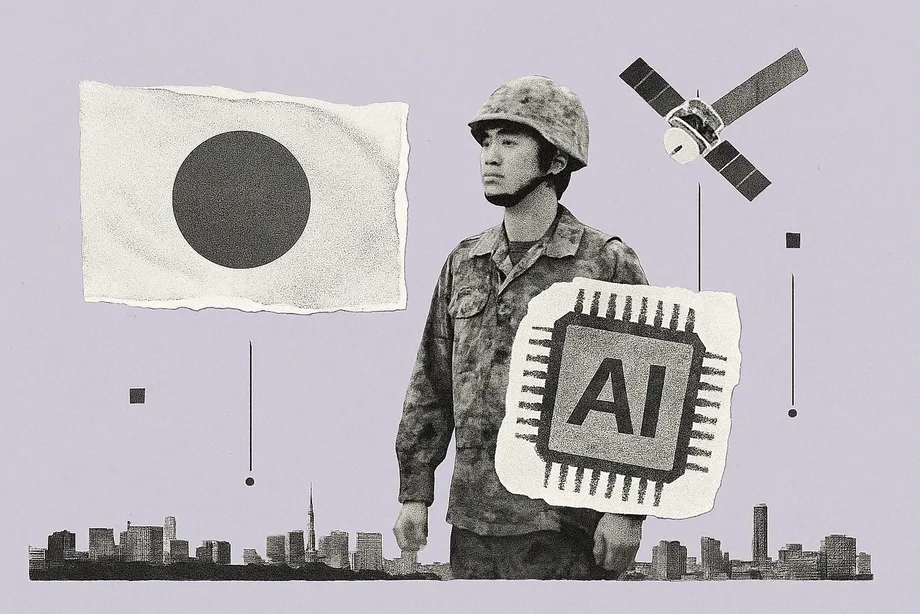
Japan plans to bring the Ground Self-Defense Force's separate missile and artillery command systems together as early as fiscal 2030, with at least 17.9 billion yen requested for the project in its fiscal 2027 budget outline. The aim is to help commanders defending the southwestern islands respond faster while conserving missiles and shells that could be difficult to replace during a prolonged conflict.
Contents
- A single map for threats from sea, land and air
- Why separate screens slow the response
- Why ammunition is central to the plan
- Why the southwestern islands matter
- Human decisions first, AI support separately
- Where 17.9 billion yen fits in the budget
- Strategy revisions shape the next decisions
- The timetable from request to service
- Key Points
The proposed system would put approaching warships, troops that have landed, incoming missiles and Japanese military positions on one electronic map. Commanders currently have to consult several screens because the systems used by different units and weapons are not connected.
Fujitsu is expected to lead the integration, bringing together its existing command system with an air defense system developed by Mitsubishi Electric and a firepower system developed by Toshiba. Ground Self-Defense Force divisions and other units could begin using the combined system from fiscal 2030, which starts in April 2030.
The project forms part of Japan's preparations for the possibility that military conflict over Taiwan could spread to Japanese territory. Its immediate purpose is practical: help personnel understand a complicated attack quickly, choose which units should respond and avoid using scarce ammunition inefficiently.
Human personnel would continue to decide which targets to attack and authorize firing. Artificial intelligence would not make combat decisions in the initial version, although the Defense Ministry is considering AI assistance for future analysis and defense planning.
Why separate screens slow the response
The Ground Self-Defense Force currently uses different systems to manage command information, air defense and firepower. Each serves a particular military function, but their lack of connection means commanders must assemble the wider picture themselves.
An attack on an island could involve several threats at once: ships approaching from offshore, missiles arriving through the air and troops attempting to advance on land. Commanders need to understand where each threat is, where their own forces are and which weapons can respond.
The new electronic map is intended to gather those details in one place. A commander could see both an approaching enemy force and the Japanese units available to engage it, reducing the need to move between displays before giving an order.
Command and control is the military term for the process of gathering information, making decisions and directing forces. Japan's project would change how that information reaches commanders and how easily they can coordinate weapons that currently rely on separate systems.
Why ammunition is central to the plan
The southwestern islands have limited room to store missiles and artillery shells. During a long conflict, replenishing those stocks could become difficult, making the choice of weapon and target especially consequential.
The Defense Ministry wants the integrated system to help units use their ammunition more efficiently. A shared view of threats and Japanese deployments would support decisions about which unit should engage a target and which weapon is suitable for the task.
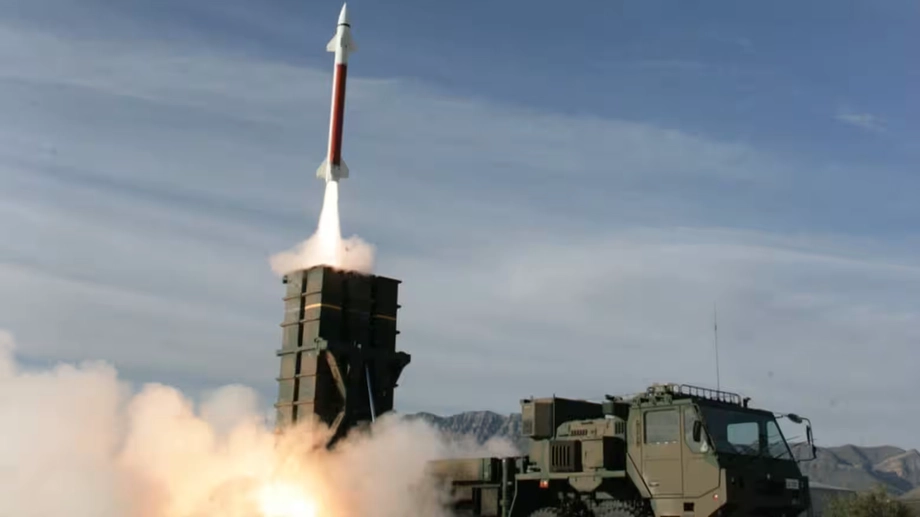
Different weapons serve different purposes. Air defense missiles intercept threats in the sky, missiles directed at ships engage vessels at sea, and artillery can support forces fighting on land. Coordinating them becomes more demanding when attacks arrive from several directions at the same time.
Japan's wider fiscal 2027 defense request also places priority on the ability to sustain operations for prolonged periods. The command project fits that concern: the usefulness of a weapon depends on commanders receiving the information needed to employ it effectively, as well as having ammunition available.
Why the southwestern islands matter
Japan has made its southwestern islands a central defense priority because it fears that Chinese military action against Taiwan could bring fighting to Japanese territory. Chinese aircraft carriers and destroyers carrying missiles have frequently passed through waters near the region on their way into the Pacific.
The planned command network addresses a scenario in which Japanese forces face attacks from the sea, air and land together. Its purpose is to help units coordinate quickly enough to stop hostile forces before they advance farther into the islands.
Long range missiles are another part of that approach. Japan's plans include the Type 25 surface-to-ship guided missile, with a reported range of about 1,000 kilometers, and identify Camp Kengun in Kumamoto Prefecture as a deployment location.
The weapon is intended to engage ships at a distance, allowing Japanese forces to respond before an opponent closes in. The command integration project addresses the wider battle, including circumstances in which enemy forces approach an island or reach land despite those defenses.
In that situation, tanks and infantry could be needed to stop an advance, artillery to support them and air defense missiles to intercept attacks from above. For residents, the ministry's stated objective is to limit the spread of fighting and reduce its impact on their communities.
Human decisions first, AI support separately
The initial Ground Self-Defense Force system would focus on combining information and making the operational picture easier to understand. Personnel would remain responsible for combat decisions and firing authorization.
The Defense Ministry is also pursuing a separate AI decision support system for the Joint Operations Command, which oversees the Ground, Maritime and Air Self-Defense Forces. That project would operate at a broader level, helping commanders coordinate across the three services.
The Joint Operations Command system is intended to integrate and analyze data, assist with target selection and improve commanders' understanding of operations. AI support in this setting means software helping process information and develop choices for commanders.
Other fiscal 2027 priorities include an AI platform called AI Orchestrator and an expansion of Defense Cloud. Cloud systems provide shared computing and data services, supporting access to information across an organization. The proposed funding amounts for several AI initiatives have yet to be specified.
Where 17.9 billion yen fits in the budget
The ministry submitted a fiscal 2027 budget request of approximately 9 trillion yen on August 31, seeking a record amount for defense. The request focuses on new methods of warfare, the ability to continue fighting over time and the industrial and personnel foundations needed to support the forces.
The minimum 17.9 billion yen requested for command integration represents roughly 0.2% of the approximately 9 trillion yen total. That comparison shows the project's scale within the wider request: it is a relatively small spending item intended to improve coordination among multiple types of weapons.
The wider request includes AI, drones and other unmanned equipment, weapons able to operate from a distance, integrated air and missile defense, space and cyber capabilities. The ministry also plans improved cloud systems and development of hypersonic missiles launched from underwater.
Some initiatives remain budget request items without specified funding. Their costs will be assessed during the government's budget formulation process, leaving scope for the final total to rise. The figures currently describe requested spending, with final allocations still to be decided.
Strategy revisions shape the next decisions
Japan plans to revise three central security documents in 2026: the National Security Strategy, National Defense Strategy and Defense Buildup Program. Together, they set the government's security direction, military priorities and program for building defense capabilities.
Discussions on those revisions are expected to continue through the end of the year. Programs affected by the changes will be assessed as the fiscal 2027 budget is put together, linking decisions about technology and spending to the broader strategy.
The ministry is also considering arrangements under which the government would acquire equipment manufacturing facilities and entrust production and management to private companies. It plans to review the salary system for Self-Defense Force personnel and is considering a new bureau responsible for international cooperation policy.
Those proposals show that the budget extends beyond buying weapons. Japan is also examining how to maintain production, support personnel and organize defense work, alongside projects intended to make battlefield decisions faster.
The timetable from request to service
The command integration project has an earliest intended start date, rather than a firm date for deployment across all units. The main milestones place it alongside budget decisions and the revision of Japan's security plans.
- August 31, 2026: The Defense Ministry submitted its approximately 9 trillion yen request for fiscal 2027.
- Through the end of 2026: Discussions are expected to continue on revisions to the three principal security documents.
- Fiscal 2027, beginning April 2027: The budget outline includes at least 17.9 billion yen for the Ground Self-Defense Force command integration project.
- As early as fiscal 2030, beginning April 2030: Divisions and other Ground Self-Defense Force units could begin using the integrated system.
The central task is to connect systems supplied by three companies so commanders can use a common operational picture. Japan's stated goals are faster coordination, more efficient use of ammunition and a quicker response when several types of attack occur together.
Key Points
- Japan plans to integrate Ground Self-Defense Force missile and artillery command systems as early as fiscal 2030.
- The fiscal 2027 budget outline requests at least 17.9 billion yen for the project.
- Fujitsu is expected to lead the integration of systems supplied by Fujitsu, Mitsubishi Electric and Toshiba.
- A shared electronic map would display threats at sea, on land and in the air alongside Japanese force positions.
- Personnel would authorize firing, while separate defense projects pursue AI support for commanders.
- The project supports Japan's southwestern island defenses and efforts to conserve ammunition during prolonged operations.