Religious Affairs Ministry Plans Lessons Across Faiths
Indonesia's Ministry of Religious Affairs aims to introduce materials on preventing what it calls the spread of LGBTQ culture into existing school curricula by the end of 2026, or at the latest at the start of the 2027 academic year. The initiative would extend across educational settings associated with Islam, Protestantism, Catholicism, Hinduism, Buddhism and Confucianism.
Contents
- Religious Affairs Ministry Plans Lessons Across Faiths
- What Would Change in Classrooms?
- Families and Religious Counselors Would Have a Role
- Researcher Warns About Bullying and School Withdrawal
- An Earlier Education Review Called for More Information
- How the Proposal Reached the National Defense Debate
- Treatment Proposals and Competing Views of Pancasila
- The Dates and Decisions to Watch
- Key Points
Deputy Religious Affairs Minister Muhammad Syafi'i said the curriculum materials were nearly complete in remarks reported on November 5. Religious counselors would receive related materials for their work in communities, giving the initiative a reach beyond classrooms.
The proposal brings together religious education, family guidance and the government's stated national defense concerns. Syafi'i cited Presidential Regulation No. 111 of 2025, which he said places the spread of LGBT culture among threats to national defense that do not involve military force.
Gender diversity researcher Dr. Dede Oetomo has warned that the lessons could encourage bullying of students whose appearance or behavior does not match conventional expectations of masculinity. His concern extends to teachers who could become targets of gossip and harassment.
A civil society submission prepared for Indonesia's 2017 Universal Periodic Review offers another point of comparison. It argued that leaving sexual orientation and gender identity out of reproductive health education had contributed to misunderstanding and rejection of LGBT people.
The immediate issue for schools is therefore both what the new lessons would teach and how students would be treated. The ministry has announced a target period, but the final classroom wording, detailed implementation schedule and safeguards against bullying have not been specified.
What Would Change in Classrooms?
Syafi'i described an approach that would insert material into existing curricula. Students would encounter the content through subjects already taught, rather than through a newly announced standalone course.
The ministry says its preparations take account of the teachings and interpretations of Indonesia's different religions. The intended audience includes pupils, educators, religious leaders and counselors who work directly with families and communities.
Syafi'i described the breadth of the preparations in remarks reported on November 5. In translation from Indonesian, he said:
The Ministry of Religious Affairs has almost finished preparing curriculum insertions to prevent the spread of deviant culture in all educational settings, whether Islamic, Protestant, Catholic, Hindu, Buddhist or Confucian.
The description of LGBTQ culture as deviant is the minister's framing. LGBTQ refers to lesbian, gay, bisexual, transgender and queer people. Sexual orientation concerns attraction, while gender identity concerns a person's sense of their gender. Gender expression means outward presentation, such as clothing or mannerisms.
Those differences matter to the classroom debate because Oetomo's warning concerns students being singled out for how they look or behave. A pupil can become a target of gender stereotypes regardless of their sexual orientation or gender identity.
Families and Religious Counselors Would Have a Role
The ministry is also discussing how to strengthen religious life at home and encourage open, respectful communication among family members. Syafi'i described families as a central source of protection for children against what he regards as LGBTQ influence.
Religious counselors would use the educational materials when speaking with communities. Their involvement would connect lessons in educational institutions with advice delivered outside school, including discussions about relationships, parenting and religious expectations.
Syafi'i has asked religious scholars, leaders of Islamic boarding schools and educators to work with the government. The approach places substantial responsibility on adults who guide young people, making their choice of language and their response to harassment central to how the policy would affect children.
Researcher Warns About Bullying and School Withdrawal
Oetomo, a researcher in gender diversity, warned in an interview on October 30, 2026, that a curriculum aimed at preventing LGBTQ culture could give students permission to harass classmates who do not meet accepted masculine norms.
He pointed to everyday features that can attract bullying, including clothing, color choices and behavior. In translation from Indonesian, Oetomo said:
Bullying is usually based on someone's gender expression, for example students considered less masculine or the way they dress, including their choice of clothing colors.
Oetomo said harassment could damage mental health, lead children to withdraw from others or leave school, and contribute to suicide risk. He presented these as possible consequences of bullying, not as outcomes already measured under the proposed curriculum.
Male teachers perceived as feminine could also face gossip and bullying, he said, particularly among students at junior and senior secondary schools. His warning places staff welfare alongside pupil safety in the debate over how the materials would be delivered.
The practical concern is whether a lesson framed around preventing an unwanted influence would encourage students to identify classmates or teachers as examples of that influence. Oetomo's argument is that the effects could reach anyone whose appearance attracts prejudice.
An Earlier Education Review Called for More Information
A civil society coalition's 2017 review submission, prepared for Indonesia's Universal Periodic Review, described reproductive health teaching as limited largely to biology. It said the national curriculum covered reproductive organs, conception and sexually transmitted diseases.
The Universal Periodic Review is a United Nations process in which countries' human rights records are examined. This document was a coalition submission to that process, setting out civil society findings and recommendations.
The coalition argued that excluding sexual orientation and gender identity from reproductive health lessons contributed to a lack of understanding of sexual diversity. It also said controversy and rejection directed at LGBT people had discouraged educational institutions from hosting discussions about LGBT issues.
The submission linked inadequate comprehensive sexuality education and limited access to reproductive health services with problems including HIV, early pregnancy, unsafe abortion, child marriage and sexual violence. Comprehensive sexuality education means teaching about bodies, health, relationships and related decisions, rather than covering reproduction alone.
Its recommendations included training teachers, working with civil society, and involving young people and educators in developing education inside and outside schools. It called for reference to the International Technical Guidance on Sexuality Education and UNESCO guidelines.
The two approaches place different priorities on the same educational space. The coalition sought broader information to improve health decisions and understanding; the ministry's announced initiative seeks to prevent a cultural influence it considers harmful.
How the Proposal Reached the National Defense Debate
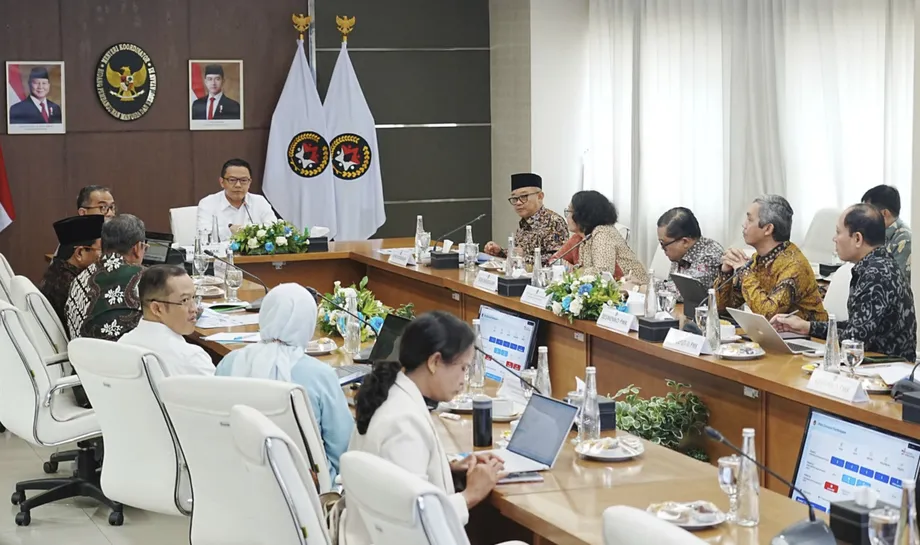
The Ministry of Religious Affairs and Commission VIII of the House of Representatives held a discussion in Jakarta on preventing the spread of LGBTQ culture. Participants included rectors of state religious universities and heads of regional ministry offices across Indonesia.
Husain Insawan, rector of the State Islamic University of Kendari, attended the discussion. His university expressed support for education grounded in religious values, a stronger family role and concrete prevention measures.
At the discussion, parliamentary commission chair Marwan Dasopang said legislators were waiting for an academic paper to support proposed legislation banning LGBTQ. Such a paper sets out the reasoning and research intended to support a legislative proposal.
Syafi'i said the policy focus was a culture of sexual freedom rather than individuals. His reference to a threat outside the military sphere places the initiative within a wider government argument about national resilience, extending the discussion beyond curriculum planning.
The ministry is also preparing an academic paper and additional legal grounds to act against parties it considers sponsors of the spread of LGBT culture. The proposed legislation and those preparations remain separate steps from inserting material into school lessons.
Treatment Proposals and Competing Views of Pancasila
Syafi'i also called for medical treatment, assistance and rehabilitation for people with different sexual orientations. That proposal would bring health services into an initiative otherwise described in terms of education, religion and national defense.
Sexual orientation itself is not a disease. Describing it as something requiring treatment can affect how students understand themselves and how families respond to them, making the minister's medical framing a consequential part of the policy discussion.
Pancasila, Indonesia's five foundational principles, is another point of disagreement. Syafi'i argued that the sexual freedom he opposed conflicted with Pancasila and the 1945 Constitution.
Oetomo reached the opposite conclusion about the prevention initiative. He argued that excluding LGBTQ people conflicts with the third principle, Persatuan Indonesia, meaning Indonesian unity. He also cited the second principle, Kemanusiaan yang Adil dan Beradab, meaning just and civilized humanity.
Oetomo's argument is that stigmatizing LGBTQ people places members of the same nation in an inferior position. The dispute therefore concerns how national values should guide the treatment of people, as well as what religious institutions should teach.
The Dates and Decisions to Watch
The public discussion has moved from education planning to proposals involving law and national defense. The main dates show how these strands have developed:
- 2017: A civil society submission to Indonesia's Universal Periodic Review called for broader sexuality education and better teacher preparation.
- October 30, 2026: Oetomo warned that the planned curriculum could increase bullying and harm students' mental health.
- November 2, 2026: Details of the Jakarta discussion involving the ministry, legislators and religious education leaders were published.
- November 5, 2026: Syafi'i's remarks described the curriculum insertions as nearly complete and outlined related legal preparations.
- End of 2026 or start of the 2027 academic year: The ministry's target period for introducing the materials.
The next consequential step for schools is publication of the actual teaching materials. Their wording would show how the ministry's stated focus on culture translates into lessons about people, families and relationships.
For pupils and teachers, the immediate stakes are concrete: what is said in class, whether adults intervene when harassment occurs, and whether students feel able to remain in school and seek support.
Key Points
- Indonesia's Religious Affairs Ministry targets the end of 2026 or the start of the 2027 academic year for curriculum materials on preventing LGBTQ culture.
- The initiative would cover educational settings across six religious traditions and provide materials for religious counselors.
- Researcher Dede Oetomo warns that students and teachers who do not fit gender stereotypes could face more bullying.
- A 2017 civil society review submission called for broader sexuality education, teacher training and participation by young people.
- Officials are also discussing academic and legal preparations, while the final teaching materials and detailed rollout arrangements remain unspecified.