Parliament clears funding for a larger drone fleet
Sri Lanka's Parliament approved Rs. 4.261 billion on November 5, 2026, to establish an unmanned aerial vehicle system for the Air Force, advancing a plan to acquire four Israeli drones for maritime surveillance, search and rescue, and disaster response.
Contents
- Parliament clears funding for a larger drone fleet
- Why the Air Force wants longer flights
- What the four aircraft would provide
- A purchase involving two Israeli companies
- How the funding is supposed to work
- What changes for fishermen and coastal communities?
- Disaster risks help shape the project
- The steps between approval and delivery
- Key Points
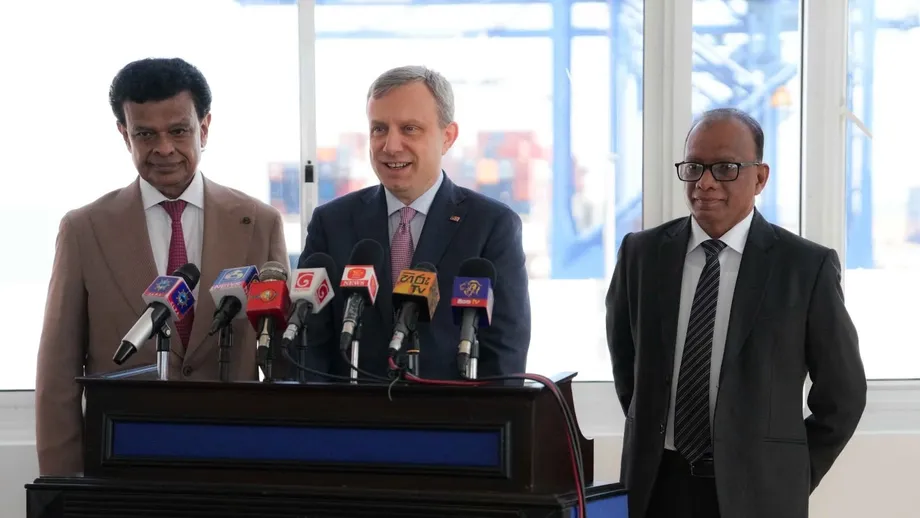
The approval of Supplementary Estimate No. 8 of 2026 provides funding authority for a project that Deputy Minister of Defence Major General Aruna Jayasekara, a retired military officer, described to Parliament as an emergency procurement. The government intends to complete the purchase through an arrangement between the two governments and aims to sign the agreement in December.
The proposed aircraft would help monitor Sri Lanka's Exclusive Economic Zone, described by the deputy minister as covering 517,000 square kilometres. Their tasks would include tracking suspicious vessels, locating missing fishermen and assisting during floods and cyclones.
The proposal has grown from an earlier discussion involving two aircraft to a package of four. It also includes training and three years of maintenance support, making the project a purchase of an operating system and associated services rather than aircraft alone.
Why the Air Force wants longer flights
Jayasekara presented the purchase as a way to sustain surveillance over a large stretch of sea while reducing reliance on conventional aircraft. Keeping aircraft in the air for repeated patrols requires fuel, crews and maintenance, so the duration of each flight matters to the Air Force's operating costs.
The deputy minister explained the operational case to Parliament:
"The Sri Lanka Air Force is responsible for monitoring a large maritime area, and continuous surveillance using conventional aircraft is very costly. Therefore, we are proposing to acquire these unmanned aerial systems," Jayasekera said.
An unmanned aerial vehicle, commonly called a drone, flies without a pilot aboard. For this project, the government's stated purpose is to use that capability for extended observation at sea and support during emergencies. The financial case rests on replacing some costly conventional surveillance flights with longer drone missions.
What the four aircraft would provide
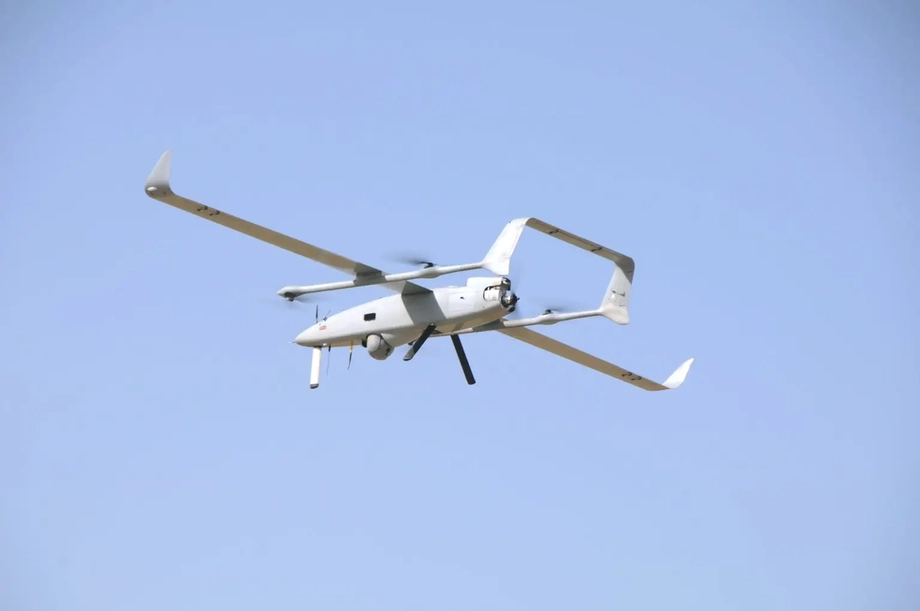
Two of the proposed aircraft are ThunderB drones with an endurance of up to 14 hours. The other two would be capable of flying for up to 20 hours, according to the deputy minister's description of the package. He did not name the model of those other aircraft.
The stated maximum flight duration for the longer endurance aircraft is six hours greater than for the ThunderB, or about 43 percent longer. That difference could matter when a mission requires an aircraft to travel to a search area, remain there watching and then return.
The aircraft are described as supporting vertical or short takeoffs, limiting the amount of land needed to launch them. That is relevant to operations where space is restricted, although the government has not identified their intended bases or deployment locations.
Training and three years of maintenance support are included in the proposed deal. Those services will be part of the effort to turn the aircraft into a working Air Force capability. The announced package gives no separate prices for the aircraft, training or maintenance, so the Rs. 4.261 billion is the cost of the wider project.
A purchase involving two Israeli companies
Jayasekara described the emergency procurement as proceeding through BlueBird Aero Systems, in which Israel Aerospace Industries holds an equity stake. The parliamentary announcement also identified Israel Aerospace Industries as the procurement source under the arrangement between governments.
The two company names therefore appear at different levels of the proposed transaction: Israel Aerospace Industries in the description of the government arrangement, and BlueBird in the deputy minister's explanation of how the aircraft would be obtained. The final contract would define their respective responsibilities.
The government has presented the purchase as urgent, linking it to maritime monitoring and emergency response. Its proposed timetable places contract signing in December, after the parliamentary funding decision and further legal and Cabinet scrutiny.
How the funding is supposed to work
Supplementary Estimate No. 8 of 2026 sought approval for a payment of Rs. 4,261 million to the Sri Lanka Air Force to establish a UAV system. Parliament's approval authorises Rs. 4,261,000,000 for the Air Force UAV system. The supplementary estimate permits the payment through the Consolidated Fund, another fund owned by the government or a loan obtained by the government. The Consolidated Fund is the government's main pool of public money.
A supplementary estimate is a request for parliamentary authority to provide funds beyond, or adjust, existing budget arrangements. In this case, the spending authority and the deputy minister's explanation of where the money will come from describe two different parts of the financing process.
Jayasekara said the purchase would use money previously allocated for Air Force helicopter maintenance, redirected under Financial Regulation 66. He told Parliament that the government was not seeking additional state funds for the transaction:
"Within the Air Force, the funds saved from maintenance costs previously allocated for helicopters will be utilized for this purpose. Therefore, there is no additional cost being requested or newly allocated," he said.
The estimate allows several public funding routes, while the minister's stated plan is to meet the cost through savings within the Air Force budget. For taxpayers, the practical financial issue is how the full Rs. 4.261 billion will be transferred and recorded when the purchase proceeds.
What changes for fishermen and coastal communities?
Missing fishermen are among the people the government says the new aircraft could help locate. A drone able to remain airborne for many hours could extend the time available to observe a search area and pass information to those organising a rescue.
Surveillance and rescue are connected but separate tasks. The aircraft would be used to look for vessels or people and support the response; boats, crews and other rescue services would still be needed to reach people at sea.
Sri Lanka's Exclusive Economic Zone is also central to the surveillance plan. An Exclusive Economic Zone is a sea area where a coastal country has rights over natural resources, including fisheries. Watching activity across such a large area requires repeated coverage, which is why the government is placing weight on flight duration.
Disaster risks help shape the project
The allocation cites the changing operational environment, disaster risks in the Bay of Bengal and surrounding areas, and threats arising from persistent adverse weather conditions.
The government's case for the allocation extends beyond suspicious vessels. It points to changes in the regional operating environment and threats arising from persistent adverse weather in the Bay of Bengal and surrounding areas, where severe conditions can create demands for disaster response.
Floods and cyclones are specifically identified among the emergencies the drones would support. Aerial observation can help responders understand where conditions are worsening and where assistance may be needed, making the same aircraft useful for both routine monitoring and urgent missions.
The proposed fleet would therefore serve several stated purposes rather than a single patrol task. The Air Force would be expected to use it for maritime security, searches for missing people and information gathering during natural disasters. How aircraft and crews are assigned between those demands will be part of putting the system into service.
The steps between approval and delivery
The parliamentary process moved from scheduling to approval over November 4 and 5. The Committee on Parliamentary Business, chaired by Speaker Dr Jagath Wickramaratne, arranged consideration of the supplementary estimate before Parliament passed it following debate.
- November 4, 2026: The Committee on Parliamentary Business decided to schedule Supplementary Estimate No. 8 of 2026 for consideration.
- November 5, 2026: Jayasekara outlined the proposed purchase, and Parliament approved the Rs. 4.261 billion allocation after debate.
- After parliamentary approval: The agreement is to undergo review by the Attorney General's Department and be submitted to the Cabinet.
- December 2026: The government aims to sign the agreement.
The Attorney General's Department review is the next legal step described by the deputy minister. Cabinet consideration would follow under the sequence he outlined. Parliamentary approval has therefore moved the project forward, while the agreement still has further stages before signing.
No delivery date or date for the start of operational flights has been announced. Those dates will determine when the proposed surveillance and rescue capability becomes available to the Air Force and the communities it is intended to serve.
Key Points
- Parliament approved Rs. 4.261 billion on November 5, 2026, for an Air Force drone system.
- The proposed purchase includes four Israeli aircraft, training and three years of maintenance support.
- Two ThunderB aircraft would fly for up to 14 hours; the other two would fly for up to 20 hours.
- The stated missions include maritime surveillance, searches for missing fishermen and disaster response.
- Jayasekara said savings from helicopter maintenance allocations would fund the purchase under Financial Regulation 66.
- Legal review and Cabinet consideration are next, with agreement signing targeted for December.