A sudden loss of power, followed by a national collapse
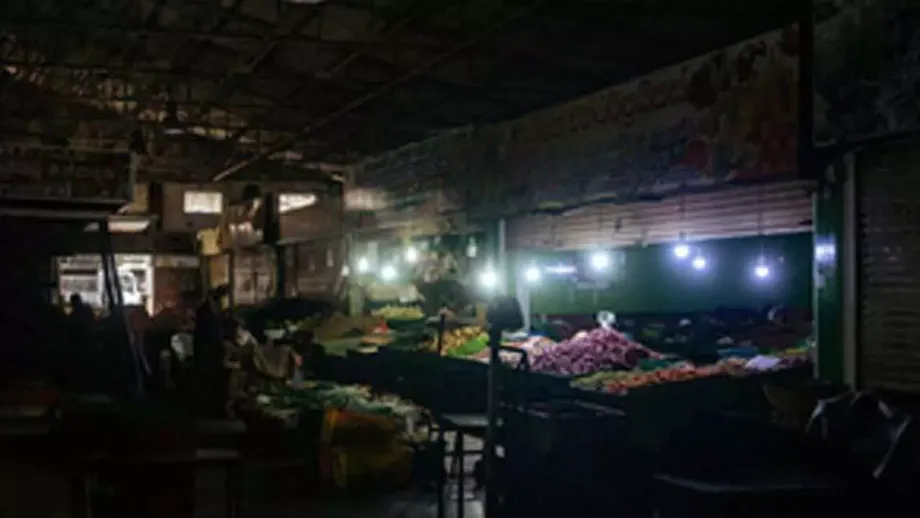
Sri Lanka's electricity system collapsed on October 17, 2026, after output from Lakvijaya Power Plant Unit 1 fell sharply in less than half a second, according to findings attributed to the National System Operator's preliminary investigation. Automatic protection disconnected hundreds of megawatts of electricity demand, yet the disturbance continued across the national grid.
Contents
- A sudden loss of power, followed by a national collapse
- What happened at Lakvijaya?
- Why falling frequency spread the disturbance
- Automatic cuts reached nearly 40% of demand
- The sequence from blackout to restoration
- Four systems helped rebuild the grid
- Why some power stations took longer
- How the outage led to evening power cuts
- Key Points
The detailed sequence places the start at 11:43:29 a.m. and the complete collapse at 11:43:59 a.m., during dry and sunny weather. It records the coal generating unit's net output falling from 187 megawatts to 5 megawatts in 450 milliseconds, followed by a rapid fall in system frequency.
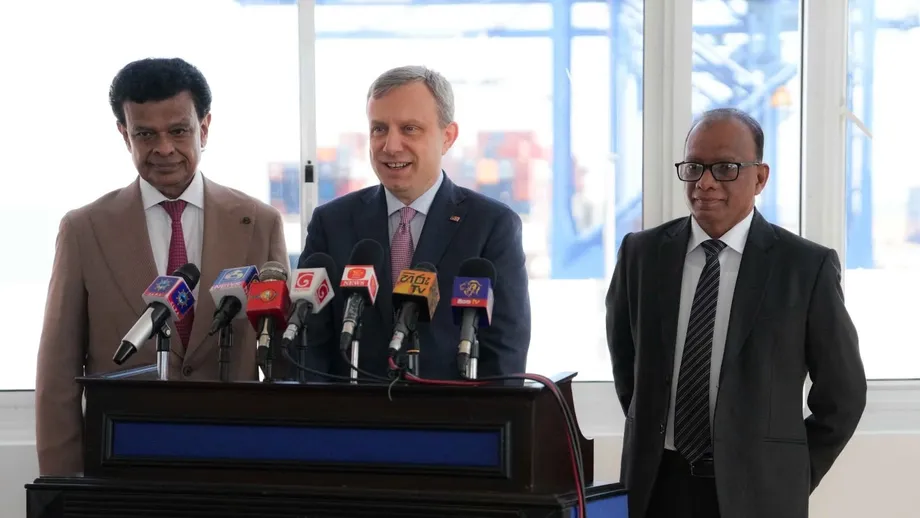
The National System Operator, or NSO, submitted its preliminary report to the Public Utilities Commission of Sri Lanka on October 23, following a request from the regulator. Engineer M.B.S. Samarasekara, the NSO's acting chief executive officer, signed the document.
Operators began rebuilding the network through four regional systems. Kotmale Unit 1 was synchronised at 12:11 p.m., and all major substations were restored by 4:58 p.m., about five hours and 15 minutes after the disturbance began. Some generating plants needed longer to resume their contribution because of technical problems during restarting.
The investigation therefore covers two connected problems: how a sudden disturbance spread across the grid, and how operators restored transmission while several power stations were still recovering. For households and businesses, those processes affected both the immediate blackout and the electricity shortages that followed.
What happened at Lakvijaya?
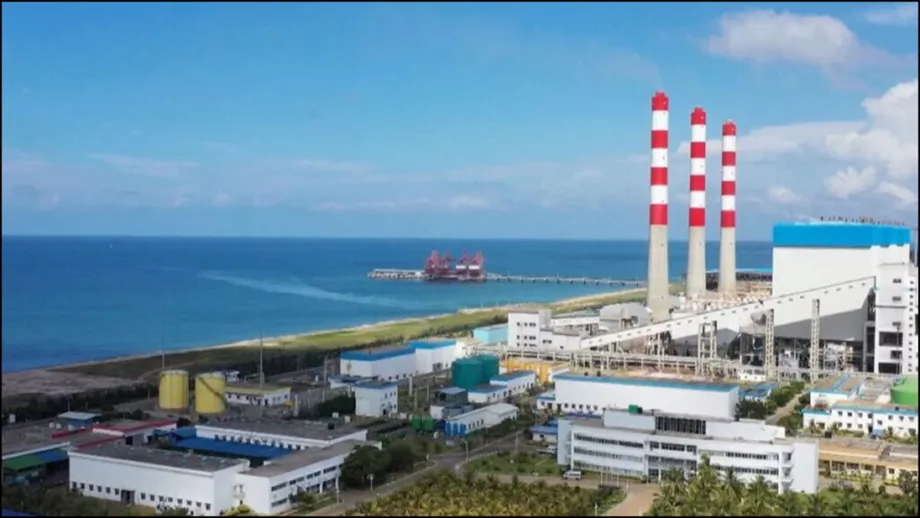
Lakvijaya Unit 1 was supplying 187 megawatts immediately before the disturbance. In the detailed sequence, its output dropped to 5 megawatts because of a low drum level condition. A boiler drum holds water and steam, and its water level is an important operating limit in a coal power station.
The recorded change amounts to a loss of 182 megawatts, or about 97% of the unit's previous output, in less than half a second. Against the recorded national demand of 1,135 megawatts, that represents roughly 16%. Such a sudden change leaves the system with very little time to rebalance electricity production and consumption.
The preliminary findings still contain unresolved details. Another description gives an output reduction of 85 megawatts over the same 450 milliseconds, while another gives 4.1 seconds for the system collapse rather than the 30 seconds between the detailed start and end times. The investigation also leaves the underlying reason for the Lakvijaya output loss open: alongside the low drum level account, it considers a possible response to changing system frequency because no automatic trip of the unit was reported at that moment. A detailed report was expected to go to the regulator, but no submission date was given.
The difference between a unit reducing its output and a unit tripping matters to the technical investigation. A reduction means the machine is supplying less electricity; a trip means a protective system disconnects it. Establishing the order of those events will help explain how the disturbance developed.
Why falling frequency spread the disturbance
System frequency fell from 49.906 hertz to 48.75 hertz within two seconds. Hertz measures how many times alternating electrical current changes cycle each second. On a grid operating around 50 hertz, frequency is also a useful sign of whether electricity production and consumption are balanced.
A sudden shortage of generation causes frequency to fall as the rotating generators slow. Protection equipment then reacts to keep machines and the network within their operating limits. During this incident, the frequency decline was followed by the rejection of generation that operators could not directly schedule, then the operation of all five stages of automatic demand disconnection.
Almost all generating units that operators could schedule subsequently tripped because of low frequency or low voltage protection. Units at Victoria, Kotmale, Randenigala, Samanalawewa and Laxapana were among those affected, alongside Lakvijaya and other hydroelectric plants.
Victoria Unit 3 and Old Laxapana Stages I and II remained spinning without supplying electrical load, according to the detailed sequence. A machine can continue rotating while delivering no usable power to consumers. Their condition explains why the collapse of electricity supply and the stopping of every machine are different operational events.
Automatic cuts reached nearly 40% of demand
The protection scheme involved 449.2 megawatts of demand, equivalent to 39.6% of the 1,135 megawatts recorded before the outage. The preliminary findings describe that amount as disconnected, while the accompanying account of an additional report describes it as the amount planned for disconnection.
Under frequency load shedding, often shortened to UFLS, automatically disconnects selected electricity loads when frequency falls below set levels. It works by reducing consumption quickly enough to bring it back into balance with the generation still operating. All five stages activated during the October 17 disturbance, but the national system still collapsed.
The figures show the scale of the response. The 449.2 megawatts assigned to demand disconnection was about two and a half times the 182 megawatt initial loss described in the detailed sequence. By then, however, further generation was also disconnecting as protection systems operated. The balance was changing throughout the event.
The report also records 332.5 megawatts of available emergency generation capacity, equal to about 29% of the demand at the time. Emergency capacity and automatic demand disconnection serve different purposes: one adds electricity, while the other reduces consumption. The speed at which either can respond matters when frequency is falling within seconds.
The sequence from blackout to restoration
October 17 brought an extremely fast collapse followed by hours of rebuilding. The investigation and subsequent regulatory action set out the following sequence:
- October 17, 11:43:29 a.m.: The detailed sequence places the start of the disturbance at Lakvijaya Unit 1.
- Within 450 milliseconds: The unit's output fell sharply from its initial 187 megawatts.
- Within two seconds: System frequency fell from 49.906 hertz to 48.75 hertz.
- 11:43:59 a.m.: The detailed sequence records complete system collapse.
- 12:11 p.m.: Kotmale Unit 1 was synchronised during restoration.
- 4:58 p.m.: All major substations and the national transmission system had been restored.
- October 19 to 21: The regulator approved conditional rotational power cuts following the Lakvijaya breakdown.
- October 23: The NSO submitted its preliminary investigation to the regulator.
Kotmale's synchronisation came roughly 27 minutes after the blackout began. Synchronisation means matching a generator's electrical conditions with the network it is joining so that it can connect and supply electricity safely.
Four systems helped rebuild the grid
Operators worked simultaneously through the Mahaweli, Laxapana, Samanalawewa/South and Colombo systems, following standing restoration instructions. This allowed recovery to proceed in several areas instead of waiting for a single generating station to supply the whole country.
The Mahaweli restoration system used Kotmale and Victoria. The Laxapana system involved New Laxapana and Wimalasurendra, while the Samanalawewa/South system used Samanalawewa and Kukule Ganga. Kelanitissa formed part of the Colombo restoration effort.
Rebuilding an electricity network requires operators to reconnect generation, transmission lines, substations and consumer demand in a controlled sequence. Each new connection changes the balance between supply and consumption. The four restoration systems gave operators several places from which to rebuild that balance.
By 4:58 p.m., all major substations had been restored. Substations are the points where electricity is switched between parts of the network and its voltage is changed for transmission or distribution. Restoring them was a major step in returning electricity across the country, while individual generating units continued their own restart procedures.
Why some power stations took longer
Several thermal and combined cycle generating units encountered auxiliary equipment, turning gear or cold startup sequence problems during restoration. An auxiliary system problem delayed the restart of a generating unit at Yugadanavi. Technical difficulties also affected the return of some Lakvijaya units.
Auxiliary systems provide the supporting services a power station needs, including pumps, cooling and controls. A large generator depends on those systems being ready before it can operate normally. Turning gear slowly rotates a turbine shaft during shutdown or preparation for restarting, helping manage temperature changes.
A cold startup takes a plant from a cooled condition back to operating temperature and pressure through a controlled sequence. Combined cycle stations, which use gas turbines and recover their heat to produce more electricity through a steam turbine, have several linked systems to bring back into service.
These restart requirements help explain the gap between restoring the transmission network and recovering generating capacity. By late afternoon, the grid could again carry electricity across its main routes. The amount of power available to send through it still depended on which generating units had returned.
How the outage led to evening power cuts
The continuing shortage became visible in the approval of three days of power cuts for October 19, 20 and 21. The Public Utilities Commission authorised one hour of rotational interruption per day across four groups, with the Ceylon Electricity Board publishing schedules covering the evening period from 4:30 p.m. to 9:00 p.m.
The cuts were conditional on demand management being necessary because available generation could not meet consumption. The electricity board warned that actual disconnection and restoration times could vary by 30 minutes and that group allocations could change with demand, generation availability and weather.
Energy specialist Dr. Vidura Ralapanawa said all three Lakvijaya units had stopped operating, removing about 900 megawatts from the national grid. He estimated that the first unit could take at least four to five days to return, extending beyond the three dates covered by the approved interruption schedule.
The 900 megawatt figure concerns the loss of the station's three units during the wider aftermath. The 187 megawatts in the preliminary blackout sequence is the output recorded from Unit 1 immediately before the disturbance. Together, the figures describe how a problem beginning with one unit developed into a larger challenge for electricity supply.
For consumers, the practical result was a return of the national transmission network on October 17, followed by a period when generation shortages could still require scheduled interruptions. The detailed investigation is expected to address the initiating event and the protection sequence that followed it.
Key Points
- The detailed sequence places the October 17 blackout between 11:43:29 a.m. and 11:43:59 a.m.
- Lakvijaya Unit 1's output fell sharply, and system frequency dropped to 48.75 hertz within two seconds.
- All five stages of automatic under frequency demand disconnection operated; the scheme involved 449.2 megawatts, or 39.6% of demand.
- The preliminary findings contain unresolved differences over the initial output loss, collapse timing and underlying cause.
- Restoration proceeded through four systems, with all major substations restored by 4:58 p.m.
- Generating plant restart problems continued after transmission recovery, and conditional evening power cuts were approved for October 19 to 21.
- The NSO submitted its preliminary report on October 23, with a detailed investigation expected to follow.