New rules cover refurbished devices and used components
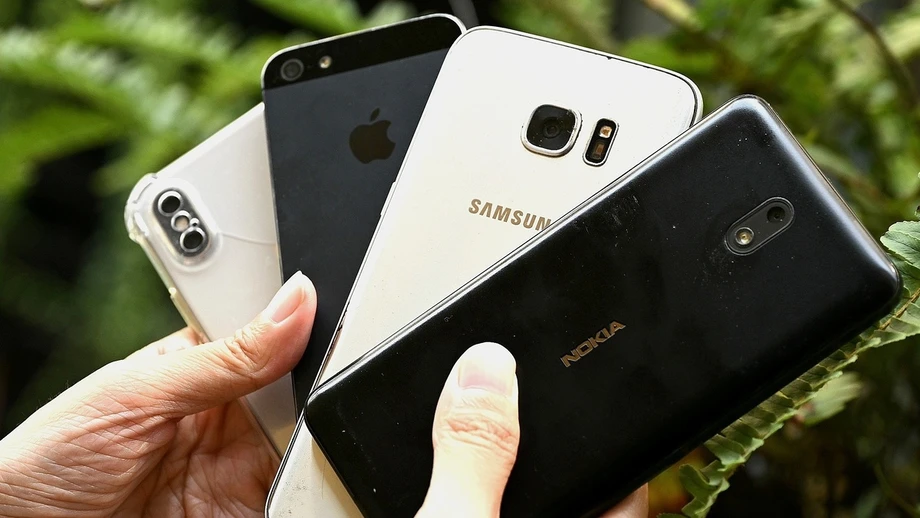
Vietnam will apply an updated list of used digital technology products prohibited from import from January 1, 2027, covering smartphones, computers, communications equipment and a wide range of electronic components. Refurbished products whose customs codes appear on the list are also covered, alongside used parts, accessories and component assemblies.
Contents
- New rules cover refurbished devices and used components
- Why Vietnam is updating an existing restriction
- Phones, computers and much more
- How customs codes set the scope
- Refurbished goods and spare parts are covered
- Waste, data security and battery safety
- Exceptions preserve access to industrial equipment
- The dates and transition arrangements
- What businesses need to review
- Key Points
The Ministry of Science and Technology issued Circular 63/2026/TT-BKHCN on October 27, 2026. It replaces Circular 11/2018/TT-BTTTT, while retaining exceptions for qualifying equipment used in semiconductor production, training, research and development. Goods authorized for import before the new circular takes effect can continue to enter under the terms and validity of their existing permission.
At the ministry's regular press conference on November 4, Nguyen Khac Lich, director of the Department of Digital Technology and Artificial Intelligence, said restrictions on used technology imports had been applied since 2007. He described the circular as an update to align digital technology legislation with foreign trade rules, while protecting consumers and supporting Vietnamese businesses.
The Gia Lai Economic Zone Authority's official implementation notice explains how the list applies and asks businesses in economic and industrial zones to review their planned imports. For companies buying equipment abroad, the practical questions are the product's condition, its customs classification, its intended use and whether an exception or existing authorization applies.
Why Vietnam is updating an existing restriction
Lich gave two main reasons for the change: making the legal framework consistent and addressing risks linked to imported used electronics. The first concerns how digital technology products are named and classified across different regulations. The second concerns electronic waste, information security, deteriorating equipment and the domestic market.
The circular aligns its product classifications with Vietnam's import and export goods nomenclature under the Ministry of Finance's Circular 31, dated June 8, 2022. A nomenclature is an organized list of goods and their identifying codes, allowing customs officials and businesses to use the same classification system.
For importers, that alignment matters because a shipment is assessed against the listed product descriptions and codes. A broad commercial description such as computer equipment or electronic accessories may be insufficient to determine which rule applies.
Phones, computers and much more
Phones and communications devices fall under HS group 8517. The category includes smartphones, other mobile phones and equipment that sends or receives sound, images or data through wired or wireless networks. Its reach therefore extends beyond the handset a consumer carries.
Automatic data processing machines and their functional units fall under group 8471. Group 8470 covers calculating machines and related equipment, including certain accounting machines, ticket machines and cash registers. The list reaches both familiar personal technology and equipment used in business operations.
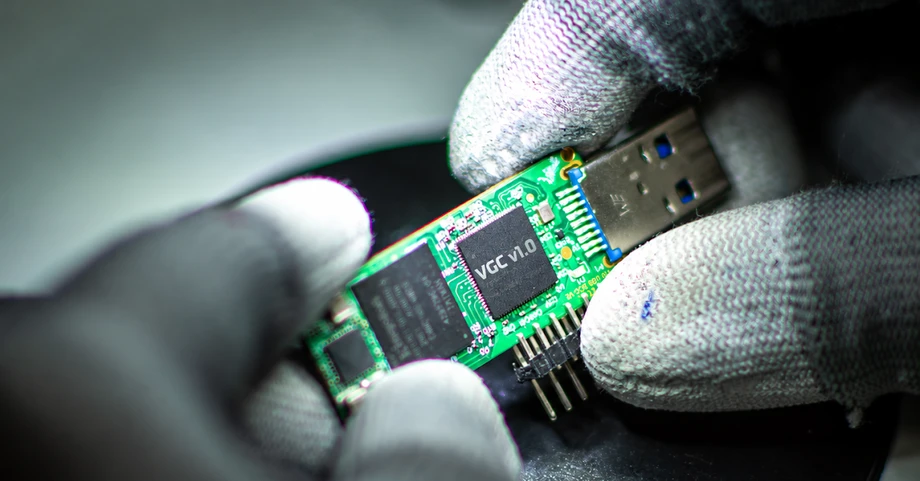
Other covered categories include microphones, speakers, headphones, digital cameras, television cameras, radio and television transmitters and receivers, radar, radio navigation equipment and radio remote controls. Displays and projectors also appear, together with printed circuits, electronic tubes, integrated circuits and specified electrical and fiber optic cables.
Printers and certain ink cartridges are included, but the printer entries contain specific exclusions. These include digital color printers and copiers, along with qualifying monochrome digital machines capable of printing or copying A0 paper or at least 35 A4 pages per minute. Laser ink cartridges are also excluded from the specified cartridge entry. Exact descriptions matter for these products.
How customs codes set the scope
HS codes are numerical classifications used to identify goods in international trade. Vietnam's list applies at three levels: groups with four digits, subheadings with six digits and individual codes with eight digits. The number of digits listed determines how broadly an entry applies.
When the circular lists a group with four digits, every Vietnamese code with eight digits beneath that group is covered. A subheading with six digits covers all codes with eight digits beneath it. When the list specifies an individual code with eight digits, the restriction applies to that code alone.
The Gia Lai authority's notice also states that customs law governs when a code in the circular's list is inconsistent with Vietnam's import and export goods nomenclature. Businesses uncertain about a classification are directed to seek guidance from the competent authorities.
For a shipment containing several types of equipment, each relevant product and component may therefore require a precise check. The list combines broad categories with narrowly specified entries, rather than applying one identical rule to every electronic item.
Refurbished goods and spare parts are covered
Refurbished digital products with HS codes on the list are prohibited from import under the circular. Refurbishment generally means preparing a previously used product for further use, for example through inspection, repair or replacement of parts.
Used parts, accessories, component assemblies and electronic components belonging to listed products are also covered. Businesses importing equipment for repair, assembly or resale must therefore review more than complete phones or computers. A consignment of used components can fall within the rules in its own right.
The practical consequence is that both a product's condition and its classification matter. A refurbished label does not create a separate import route under Circular 63. Importers must establish whether the goods are covered and whether a permitted exception applies before arranging shipment.
Waste, data security and battery safety
Lich said allowing used goods and devices to enter on a large scale could generate electronic waste and turn Vietnam into a destination for discarded equipment from abroad. The ministry presented the restriction as a way to limit that risk while protecting consumers.
The ministry also identified information security concerns involving hardware of unclear origin that may have undergone technical modification. Such equipment can create risks to personal data and network security. These concerns extend beyond whether a device powers on or appears to work normally.
Old or deteriorating batteries and components can present fire and explosion risks, Lich said. The ministry also cited the need for equipment to meet Vietnam's technical standards and national radio frequency requirements. Radio devices must operate within the rules governing the frequencies they use.
The ministry has not given estimates of how many devices or how much electronic waste the updated circular will affect, or quantified its expected effect on prices. Its stated objectives combine consumer protection, environmental protection and support for production and business activity in Vietnam.
Exceptions preserve access to industrial equipment
Qualifying used production lines, machinery, equipment and tools serving semiconductor projects remain eligible for import. The exception covers equipment used directly in manufacturing, packaging and testing semiconductor chips, provided it meets the applicable criteria under digital technology industry law.
Chip production involves more than making the tiny circuits themselves. Packaging places a chip in a form that protects it and connects it to other equipment. Testing checks whether it works as intended. The exception covers these stages as well as manufacturing.
Qualifying equipment for training, research and development of digital technology products and services is also outside the prohibited list. This includes eligible equipment for specialist laboratories and educational activities, with eligibility tied to the legal criteria and intended use.
The policy therefore combines controls on imported used consumer electronics with access to qualifying equipment for industrial and research projects. For a semiconductor company or laboratory, permission to buy eligible used machinery can reduce the initial cost of setting up operations.
Circular 26 provides another route for certain listed goods imported for special purposes, scientific research or processing for foreign traders for sale abroad. Those routes depend on their applicable conditions, including the purpose for which the goods enter Vietnam.
The dates and transition arrangements
The change brings together a longstanding restriction, an updated customs classification system and a new implementation date. The main milestones are:
- 2007: Vietnam began applying the policy restricting imports of used information technology products, according to Lich.
- October 15, 2018: Circular 11/2018/TT-BTTTT established the preceding detailed prohibited list.
- June 8, 2022: The Ministry of Finance issued Circular 31, providing the goods nomenclature used for the updated code alignment.
- October 27, 2026: The Ministry of Science and Technology issued Circular 63/2026/TT-BKHCN.
- November 4: Lich explained the regulation at the ministry's regular press conference.
- January 1, 2027: Circular 63 takes effect and replaces Circular 11.
Goods already authorized for import before January 1, 2027, may continue to be imported within the terms and validity of the authorization. That transition provision is tied to official permission, so companies need to check the relevant document and its expiry date when planning delivery.
What businesses need to review
The Gia Lai Economic Zone Authority has asked businesses in local economic and industrial zones to examine the circular and its appendix, compare planned imports against the listed names and HS codes, and pay attention to used components and refurbished products.
The authority also called for a review of contracts, procurement plans and equipment imports scheduled from January 1, 2027. For companies planning industrial projects, this means checking the equipment's eligibility and documentation alongside its purchase price and delivery schedule.
The central task is to classify each shipment correctly and establish the legal basis for importing it. Consumer devices, replacement components, laboratory instruments and semiconductor machinery can face different outcomes because the circular considers both the listed goods and the qualifying purposes for which some equipment is imported.
Key Points
- Circular 63/2026/TT-BKHCN takes effect on January 1, 2027, replacing the detailed list issued in 2018.
- Used smartphones, computers, communications devices and many other electronics are covered.
- Listed refurbished products and used parts, accessories and electronic components are also prohibited.
- Qualifying semiconductor, training, research and development equipment remains eligible for import.
- Existing import permissions remain valid within their stated terms and duration.
- The scope depends on the goods' condition, exact customs classification and any applicable exception.