Higher profits expected despite a lower revenue forecast
Toyota Motor Corp. raised its annual net profit forecast to 3.57 trillion yen on November 5, 2026, while cutting its revenue outlook, as strong hybrid demand, cost reductions and currency gains helped it absorb rising materials costs and difficult trading conditions in China.
Contents
- Higher profits expected despite a lower revenue forecast
- What changed between August and November?
- A stronger first half, but a weaker second quarter
- Hybrids are carrying the sales strategy
- Currency gains help absorb higher costs
- North America improves as China remains difficult
- Why the vehicle totals need careful comparison
- More earnings from services, more cash for shareholders
- Robotics moves toward a dedicated business
- Key Points
The world's largest automaker by vehicle sales now expects operating profit of 3.9 trillion yen for the financial year ending March 31, 2027, up 500 billion yen from its August forecast. That would represent growth of 3.6% from the previous year, reversing its earlier expectation of a 9.7% decline and delivering its first annual operating profit increase in three years.
Net profit guidance rose by 320 billion yen from 3.25 trillion yen, an increase of about 9.8%. Even after that revision, Toyota expects net profit to fall 7.2% from the previous financial year. Revenue is forecast at 53.5 trillion yen, down from the earlier estimate of 54 trillion yen but still 5.6% above the previous year's total.
The combination of higher expected profit and lower expected revenue captures the main change in Toyota's outlook: the company expects to keep more money from its business even with less revenue than it previously anticipated. Hybrid sales, pricing changes, lower costs and earnings from services are all contributing.
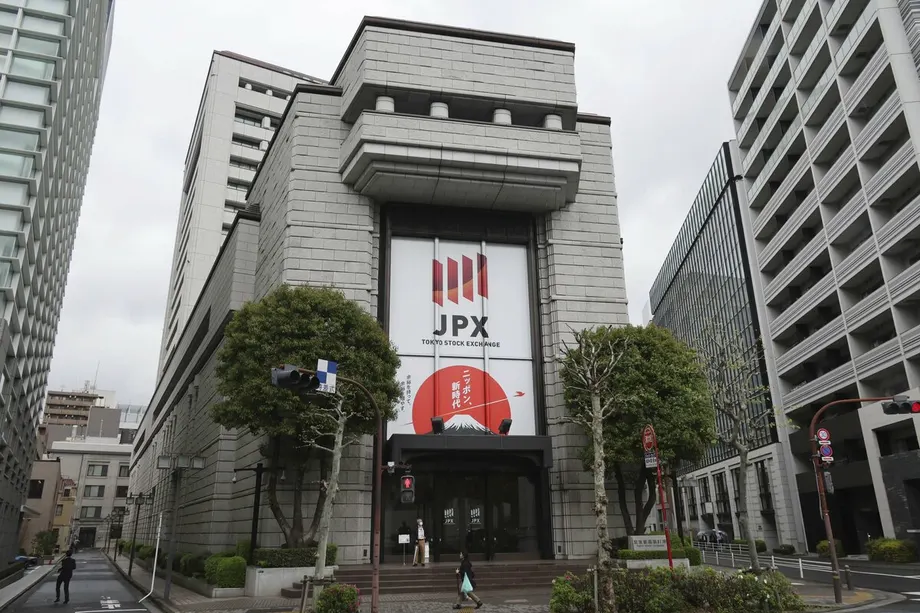
Toyota also expanded its share buyback authorization to 1.3 trillion yen and outlined plans for a dedicated robotics division in January 2027. Its shares closed at 3,533 yen on November 5, up 505 yen, or 16.68%, as investors responded to the earnings announcement and larger shareholder returns.
What changed between August and November?
Toyota's latest revision was its second increase in operating profit guidance during the financial year. The August upgrade had reflected currency benefits and stronger vehicle sales to the Middle East, including deliveries using alternative routes.
The November forecast includes 140 billion yen in gains from sales and related business efforts, alongside an expected 210 billion yen reduction in the burden of United States tariffs through refunds and other relief. Toyota also pointed to cost improvements made with suppliers and rising earnings beyond the sale of new vehicles.
The main dates show how the outlook and the next stages of Toyota's plans fit together:
- April 2026: Hino Motors ceased to be a consolidated Toyota subsidiary following its business integration with Mitsubishi Fuso Truck and Bus.
- August 2026: Toyota raised its outlook, forecasting operating profit of 3.4 trillion yen and net profit of 3.25 trillion yen.
- September 30, 2026: The first six months of the current financial year ended.
- November 5, 2026: Toyota announced its interim results, raised profit guidance again and expanded its buyback authorization.
- January 2027: Toyota plans to establish a dedicated robotics division.
- March 31, 2027: The financial year covered by the revised forecast ends.
The operating profit upgrade is about 14.7% above August's estimate. Using the revenue and operating profit forecasts, Toyota now expects an operating margin of roughly 7.3%, compared with about 6.3% under the previous outlook. In simple terms, it expects to retain about 7.3 yen in operating profit for every 100 yen of revenue.
A stronger first half, but a weaker second quarter
Toyota earned net profit of 2.2364 trillion yen in April through September, up 26.1% from a year earlier and its first interim net profit increase in three years. Operating profit rose 9.2% to 2.1911 trillion yen, while revenue increased 9.5% to a record 26.9624 trillion yen.
The six months produced another record for first half revenue, extending a run of six consecutive first half records. Profit before tax reached 2.9544 trillion yen. Toyota's operating margin held at about 8.1%, while its net profit margin improved from approximately 7.2% to 8.3%.
The July through September quarter was less encouraging for net earnings. Net profit fell 18.5% to 759.4 billion yen from 932 billion yen a year earlier. Operating profit nevertheless increased to 1.13 trillion yen from 839.5 billion yen, and revenue rose 8.6% to about 13.4 trillion yen.
Operating profit measures earnings from running the business before financing, tax and certain other items. Net profit is the amount remaining after those items are included. Toyota therefore recorded stronger operating earnings in the quarter while its final profit fell. The announcement did not provide a complete breakdown of the gap between those two movements.
The first half net profit total also shows how much stronger April through June was than the following quarter. Subtracting the July through September result from the six month figure gives approximately 1.477 trillion yen in net profit for the first three months.
Hybrids are carrying the sales strategy
Hybrid vehicles remain central to Toyota's earnings, particularly in North America and Europe. They combine a petrol engine with an electric motor, allowing drivers to reduce fuel use without depending entirely on public charging infrastructure.
Toyota's detailed retail sales breakdown put conventional hybrid sales at 2.45 million vehicles in April through September, up 8.3%; another published hybrid tally put the figure at 2.36 million, up 8%. Both figures point to growth led by demand in North America.
The broader category of electrified Toyota and Lexus vehicles reached 2.811 million, up 14.2%. That category includes conventional hybrids, plug in hybrids and vehicles powered entirely by batteries. Electrified models accounted for 55.6% of Toyota and Lexus retail sales, compared with 46.7% a year earlier, an increase of 8.9 percentage points.
Battery electric vehicle sales rose 127.4% to 231,000, while plug in hybrid sales increased 33.2% to 130,000. Conventional hybrids remained much larger by volume: the detailed breakdown puts their sales at more than 10 times those of battery electric vehicles.
Vice President Yoichi Miyazaki outlined a strategy of maintaining an annual sales base of around 10 million vehicles centered on hybrids, with electric vehicle sales added on top. Toyota is pursuing growth in both technologies, while relying on its established hybrid business to generate much of its current earnings.
Currency gains help absorb higher costs
Currency movements added 735 billion yen to Toyota's first half profit, while rising raw materials prices reduced profit by 465 billion yen. The currency benefit was about 1.6 times the stated materials impact, showing the scale of the exchange rate contribution alongside Toyota's operational improvements.
A weaker yen can increase the yen value of money earned overseas. It can also raise the cost of imported materials and energy. Toyota is experiencing both effects, with overseas earnings benefiting from currency translation while production faces more expensive inputs.
Toyota revised its assumed exchange rate for the financial year from 160 yen to 157 yen per United States dollar. That assumption uses a stronger yen than before, even though currency movements during the first half had already helped earnings.
Earthquakes and floods also disrupted production at some facilities. Toyota said recovery work at manufacturing sites and changes to its global supply arrangements helped it maintain vehicle sales despite those interruptions.
Toyota described its response in a statement accompanying the forecast revision:
mitigated the impact of rising materials prices and production disruptions caused by earthquakes and floods through recovery efforts at production sites and optimised global supply, thereby maintaining consolidated vehicle sales
North America improves as China remains difficult
North America returned to profitability during the first half, supported by reduced tariff burdens and pricing changes. Strong demand for hybrids helped, while Toyota also increased prices alongside improvements in vehicle performance.
Japan and Europe contributed higher vehicle sales, and North American volumes stabilized during the July through September quarter. Those regional gains helped offset weaker conditions in China, where Toyota faces intense competition and shrinking demand for conventional petrol vehicles.
Toyota's China sales fell 25% from a year earlier during the second quarter. August alone recorded a decline of 23%. Miyazaki nevertheless said the company's market share had stopped falling, pointing to products designed around local demand.
Miyazaki, Toyota's vice president, described that position during the results briefing:
In China, our market share has stopped declining and is currently holding firm
He said Toyota would draw on its joint venture partners and give local chief engineers a leading role in responding to customer feedback. The company also plans to broaden its parts sourcing, including purchases from local businesses, as it works to improve competitiveness.
Why the vehicle totals need careful comparison
Toyota's consolidated vehicle sales fell 0.5% to 4.758 million in the first half. Excluding the effect of Hino leaving the consolidated group, sales increased by 26,000 vehicles, mainly because of gains in Japan and Europe.
Hino's departure changes which vehicles appear in Toyota's group accounts. Its sales were included in the comparable period a year earlier, while the current figures exclude them following the April integration with Mitsubishi Fuso.
For July through September, Toyota Group vehicle sales, including Daihatsu, fell 5.2% to 2.67 million. That comparison also includes Hino in the previous year's figure and excludes it from the current one.
Toyota and Lexus retail sales provide another view of customer demand. Those sales fell 4% to 5.059 million during the first half, with weakness in China and disruption associated with the Middle East weighing on the total.
Consolidated sales count vehicles within the businesses included in Toyota's financial accounts. Retail sales measure deliveries to customers under the stated brands. The two measures cover different parts of the business, which is why their totals and rates of change vary.
More earnings from services, more cash for shareholders
Toyota expects a growing contribution from financing, insurance, maintenance products and replacement parts. These activities extend the company's earnings beyond the initial vehicle purchase, bringing revenue from cars already on the road.
Finance chief Higashi pointed to supplier cost improvements and the expansion of these related businesses as ways Toyota had limited pressure on its results. Together with pricing and hybrid demand, they help explain why the company raised its profit forecast while reducing expected revenue.
Shareholders will also receive support through a larger buyback program. Toyota increased its authorization from 500 million shares and 1 trillion yen to 610 million shares and 1.3 trillion yen. The new share limit represents 5.18% of issued shares excluding shares Toyota already holds itself.
A buyback allows a company to purchase its own shares from investors. Toyota also announced plans to cancel treasury shares valued at approximately 3.5 trillion yen, permanently removing those shares from the issued total. Its dividend forecast stands at 100 yen per share.
Robotics moves toward a dedicated business
Toyota plans to bring robotics personnel and related capabilities into a dedicated division in January 2027. Robots would first be deployed in factories within the group, with the company later seeking to develop the activity into a commercial business.
Miyazaki described the effort as digitizing and automating the Toyota Production System, the company's approach to reducing waste and organizing manufacturing efficiently. The initial focus on its own factories gives Toyota a place to apply the technology within operations it already manages.
The robotics plan sits alongside efforts to earn more from vehicles throughout their useful lives. Toyota is seeking additional businesses while keeping its large vehicle manufacturing base, rather than setting out a replacement for its current car business.
The next scheduled organizational step is the January division launch. For the current financial year, the immediate task remains delivering the revised 3.9 trillion yen operating profit target while managing materials costs, trade barriers, production disruptions and competition in China.
Key Points
- Toyota raised its net profit forecast to 3.57 trillion yen for the year ending March 31, 2027, though that remains 7.2% below the previous year's result.
- Operating profit is forecast at 3.9 trillion yen, up 3.6%, reversing an earlier prediction of a decline.
- Revenue guidance fell to 53.5 trillion yen from 54 trillion yen.
- First half net profit rose 26.1% to 2.2364 trillion yen, but July through September net profit fell 18.5%.
- Hybrid demand, currency gains, cost improvements and tariff relief helped offset expensive materials and weaker sales in China.
- Toyota expanded its buyback authorization to 1.3 trillion yen and plans to establish a robotics division in January 2027.